
The US military launched overnight strikes on Iranian missile sites and boats laying mines, even as President Donald Trump said on Monday that negotiations with Iran were “proceeding nicely.” The US strikes Iran came just hours after Iranian negotiators arrived in Qatar for talks aimed at ending the nearly three-month war.
According to Al Jazeera’s live Iran war coverage, the latest attacks come despite a Pakistan-mediated ceasefire in place since April 8, and amid optimism of a deal to end the war that has triggered an energy crisis across the world.
Background: How Pakistan Became the Key Mediator
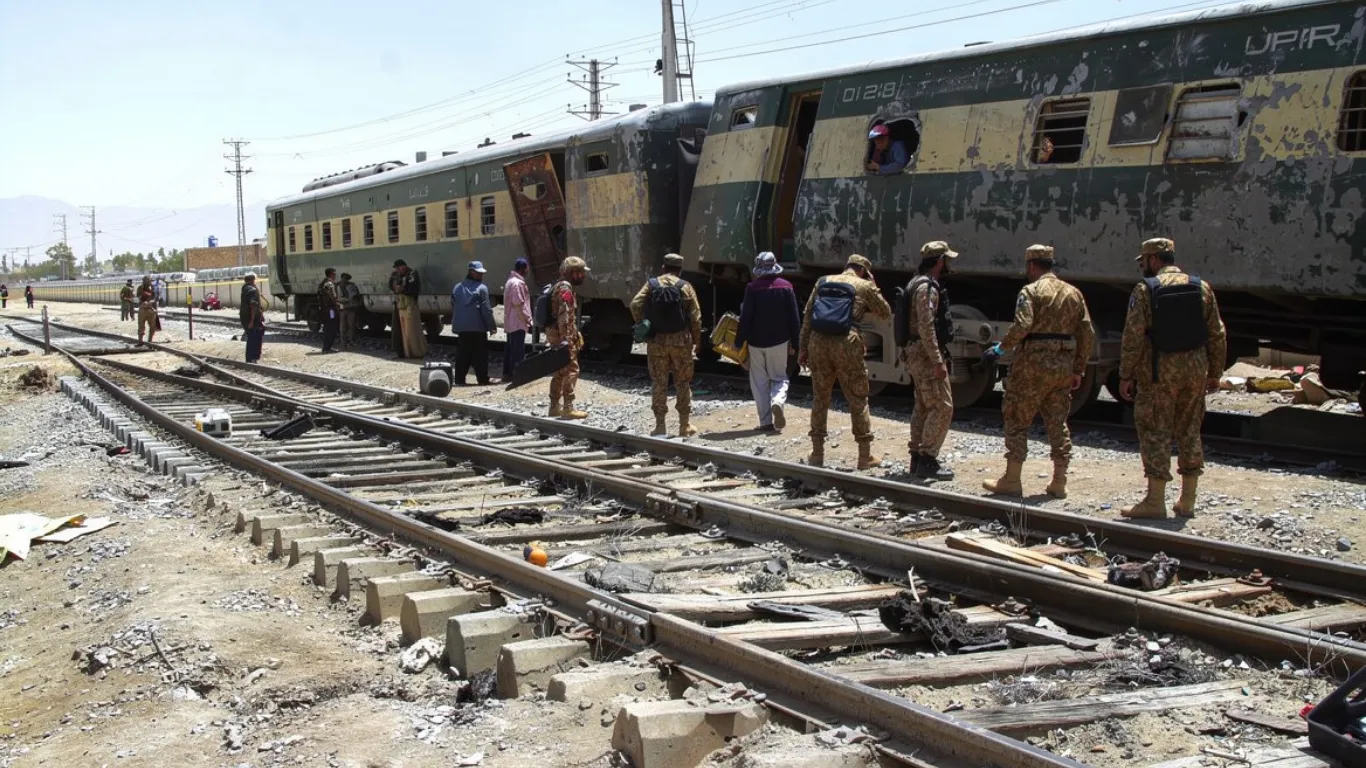
Pakistan’s role in the Iran war negotiations has been one of the most significant diplomatic developments of 2026.
According to UK Parliament’s research briefings, on April 8, Pakistan’s Prime Minister Shehbaz Sharif announced that the US and Iran had agreed a conditional two-week ceasefire, during which talks would be held on a lasting agreement.
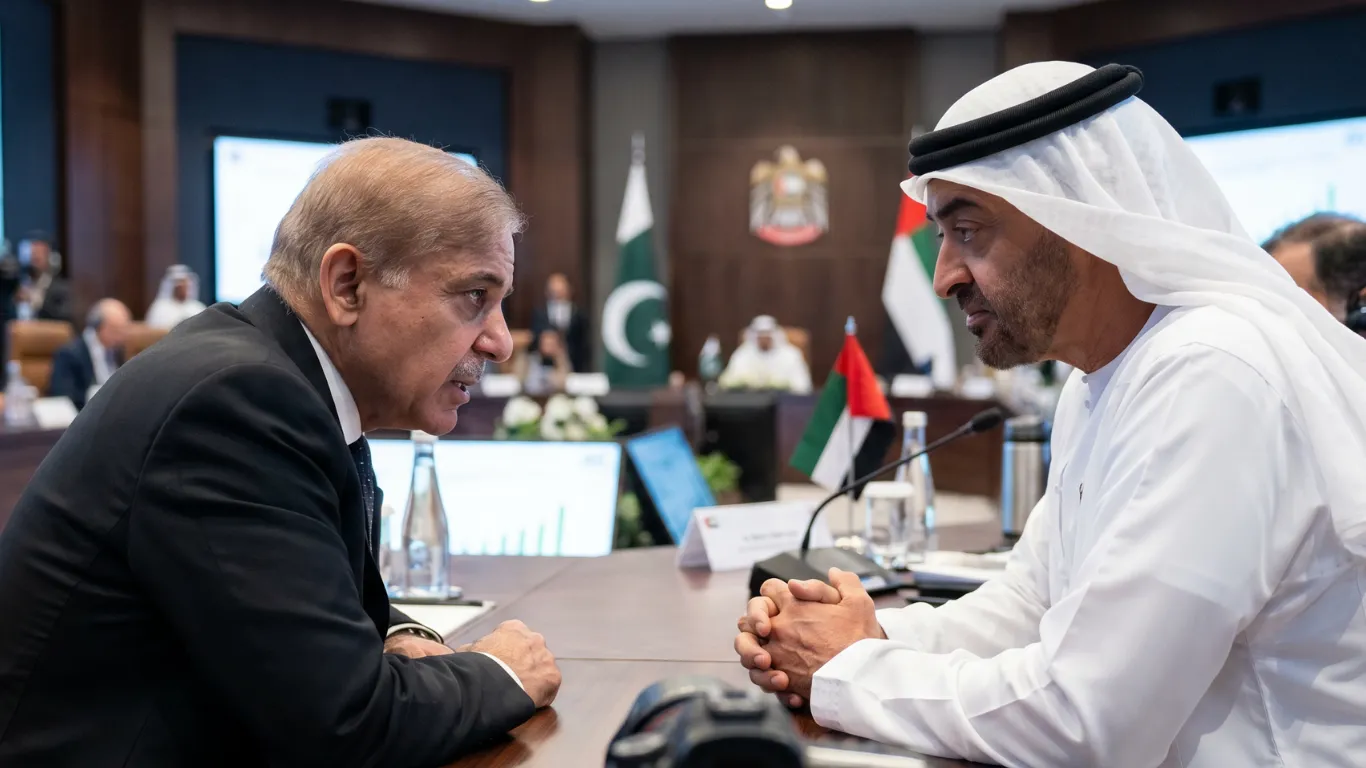
Since then, Pakistan has been at the center of every major negotiation. According to Al Jazeera’s mediation report, Pakistan’s military chief Field Marshal Asim Munir traveled to Tehran for talks and consultations with Iranian authorities. Pakistani Interior Minister Mohsin Naqvi also visited Iran to discuss Washington’s latest proposal.
Pakistan arranged the ceasefire, and talks between the US and Iran are being mediated by Pakistan — with issues under discussion including freedom of navigation through the Strait of Hormuz, Iran’s nuclear and ballistic programme, reconstruction and sanctions, and a long-term peace agreement.
What Happened: US Launches “Self-Defense” Strikes on Iran
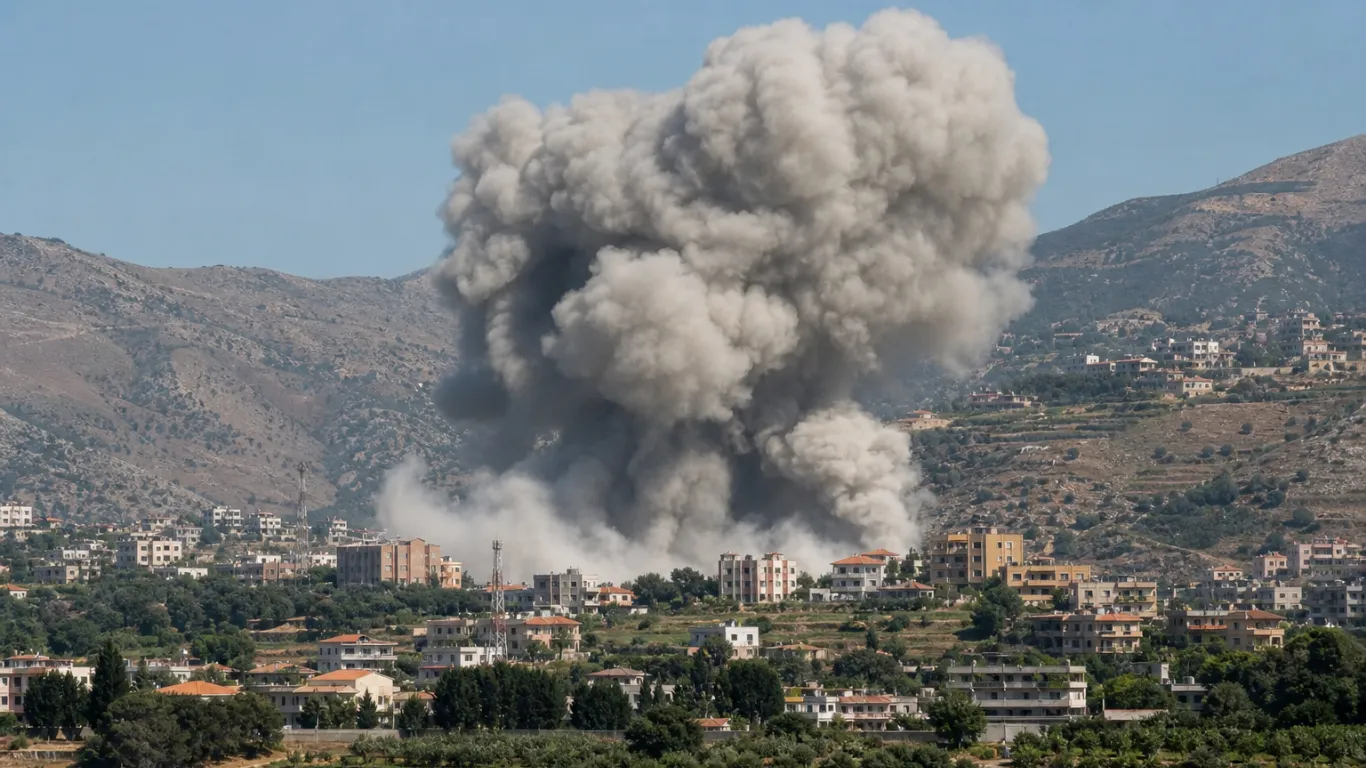
According to The National’s strikes report, US Central Command said late on Monday that American forces carried out “self-defense strikes” on southern Iran. The targets were missile launch sites and vessels that CENTCOM said were attempting to lay sea mines. The operation was intended to protect US personnel from “threats” posed by Iranian forces.
Iranian media reported explosions in coastal areas including Sirik and Jask, close to the Strait of Hormuz. The Tasnim news agency said three blasts were heard in the southern city of Bandar Abbas.
According to CNN’s Iran war live updates, Iran’s Islamic Revolutionary Guard Corps says it has a “legitimate” right to respond to any “violation” of the ceasefire. Iran has not yet retaliated.
According to CNBC’s strikes coverage, US Secretary of State Marco Rubio said talks on the wording of a deal with Iran could “take a few days” — a sign that negotiations are to continue despite the latest escalation.

Trump Urges Pakistan to Join Abraham Accords: Islamabad Rejects
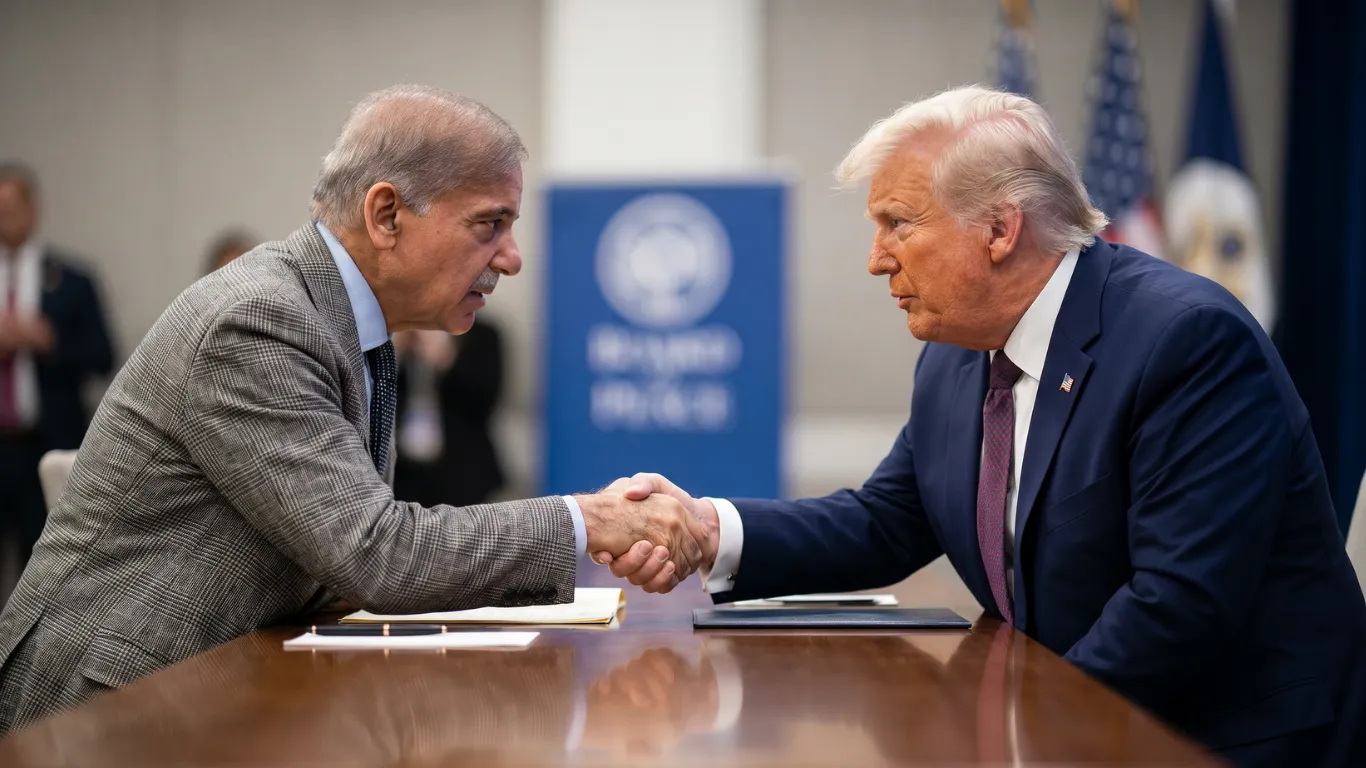
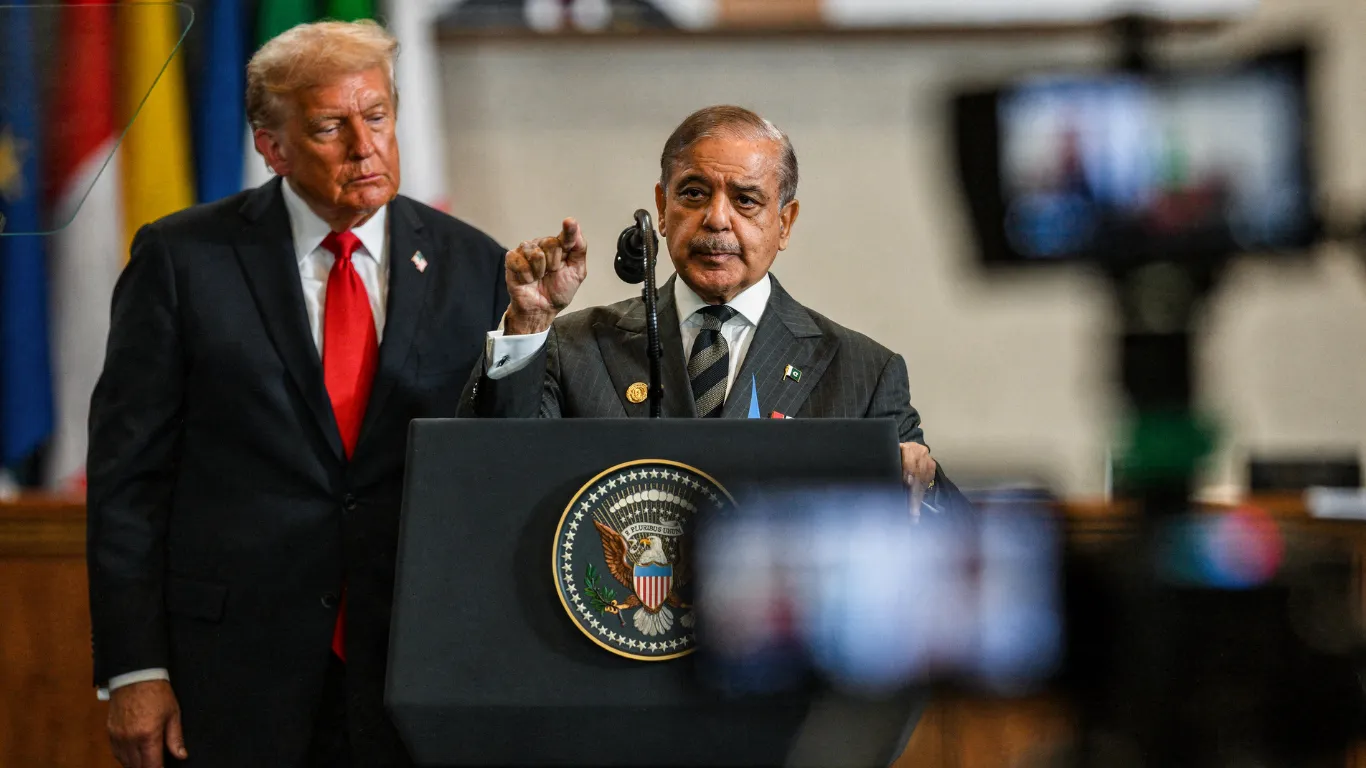
In a move that directly affects Pakistan, Trump sought to tie the peace negotiations to a commitment by Saudi Arabia, Qatar and Pakistan to sign up to the Abraham Accords to normalise ties with Israel.
According to Al Jazeera, however, Pakistan roundly rejected the proposal, with a source telling Reuters that the two issues were “not interlinked and cannot be made so.”
According to NPR’s Iran negotiations update, Trump’s new demands were described as an unrealistic distraction by some experts. Dan Shapiro, former US ambassador to Israel, wrote on X: “Tying expansion of the Accords to a deal to end the war with Iran is needlessly complicated and unrealistic.”
What This Means for Pakistanis
Pakistan’s central role in these negotiations carries both opportunities and risks for ordinary Pakistanis.
According to The National, the conflict has disrupted shipping through the Strait of Hormuz, a chokepoint for about one fifth of the global oil trade, raising fears of supply shortages that drove energy prices higher.
For Pakistani families, this means continued pressure on petrol prices, cooking gas costs, and electricity tariffs. Pakistan received its third LNG shipment from Qatar as a ship crossed the Strait of Hormuz — showing just how directly this conflict impacts Pakistan’s energy supply chain.
The demand to join the Abraham Accords puts Pakistan in a difficult diplomatic position. Recognizing Israel would be deeply unpopular domestically, but Pakistan cannot afford to alienate the US while acting as the lead mediator. Islamabad’s swift rejection shows the government is drawing a clear line.

PM Shehbaz in China as Tensions Rise
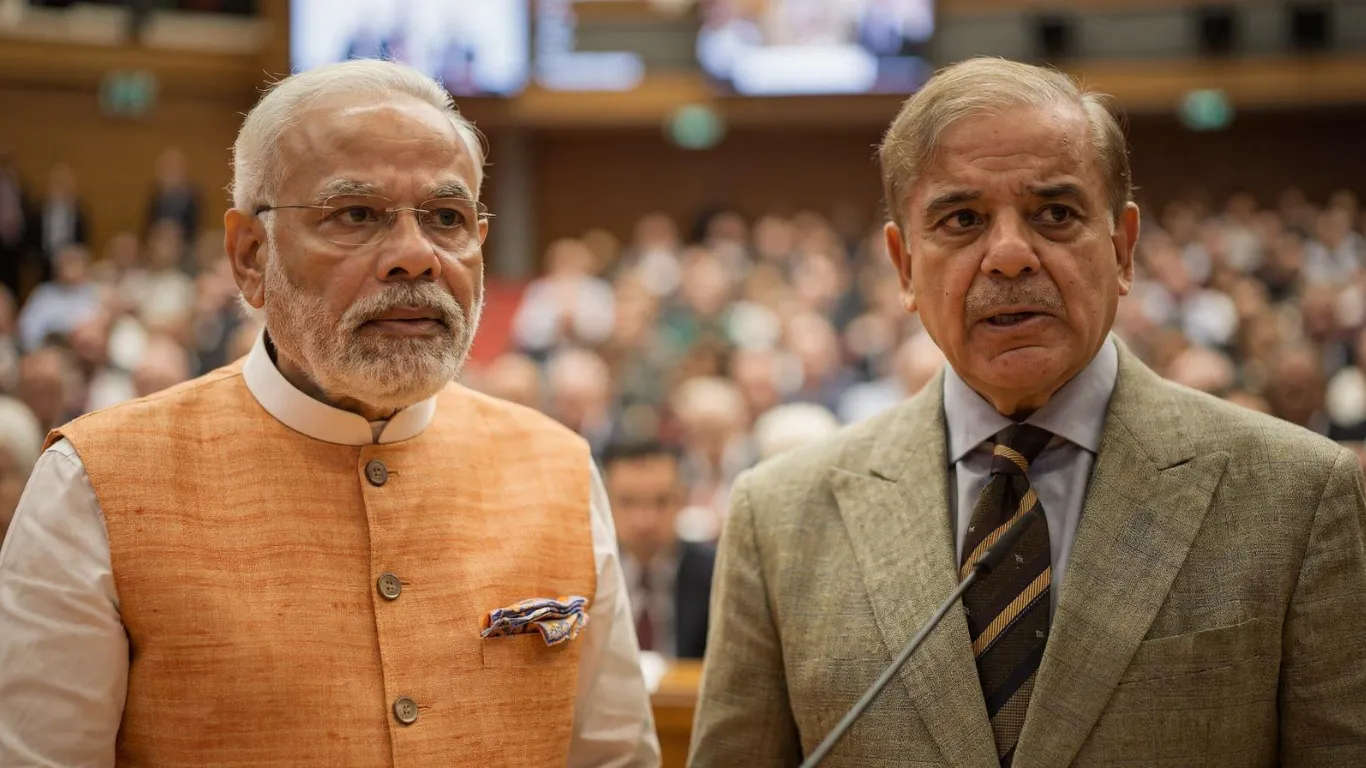
According to Al Jazeera, Pakistani Prime Minister Shehbaz Sharif has been on a four-day visit to China, during which he and army chief Field Marshal Asim Munir held talks with President Xi Jinping and Premier Li Qiang.
According to Dawn, PM Shehbaz called for China and Pakistan to “really be together” for restoring peace in the Middle East. Fifteen documents were exchanged and signed between the two countries during the visit.
After pushing China for weeks to take on a more active role in convincing Iran to open the Strait of Hormuz, the Trump administration said before the summit that it did not need Beijing’s help.

What Happens Next
According to Al Jazeera, a high-level Iranian delegation arrived in Qatar’s capital Doha to discuss roadblocks to a permanent peace deal.
According to CNN, the US and Iran are working toward a “memorandum of understanding”, but disputes over language concerning Iran’s nuclear program and sanctions have held up a deal. Iran’s Ministry of Foreign Affairs said a “large portion” of issues with the US have been resolved, but that a deal is “not imminent.”
24PakTimes will continue to track Pakistan’s mediation role in the Iran war and provide updates as the Doha negotiations develop.
Frequently Asked Questions
Why is Pakistan mediating between the US and Iran?
Pakistan has maintained diplomatic relations with both Washington and Tehran for decades — a rare position that makes it one of the few countries both sides trust as a communication channel. Pakistan’s military credibility and geographic position add to its value as a mediator.
Did Pakistan agree to join the Abraham Accords?
No. Pakistan rejected the proposal outright, with officials stating that the Iran peace deal and the Abraham Accords “are not interlinked and cannot be made so.” Recognising Israel remains deeply unpopular domestically in Pakistan.
How do US strikes on Iran affect Pakistan?
Pakistan imports a significant portion of its oil and LNG through the Strait of Hormuz. Any escalation that disrupts shipping through that chokepoint directly increases Pakistan’s fuel and energy costs for ordinary households.
Is a US-Iran peace deal close?
Iran’s Foreign Ministry said a “large portion” of issues have been resolved but a deal is “not imminent.” US Secretary of State Rubio indicated talks on deal wording could take “a few days.” A high-level Iranian delegation is currently in Doha for negotiations.