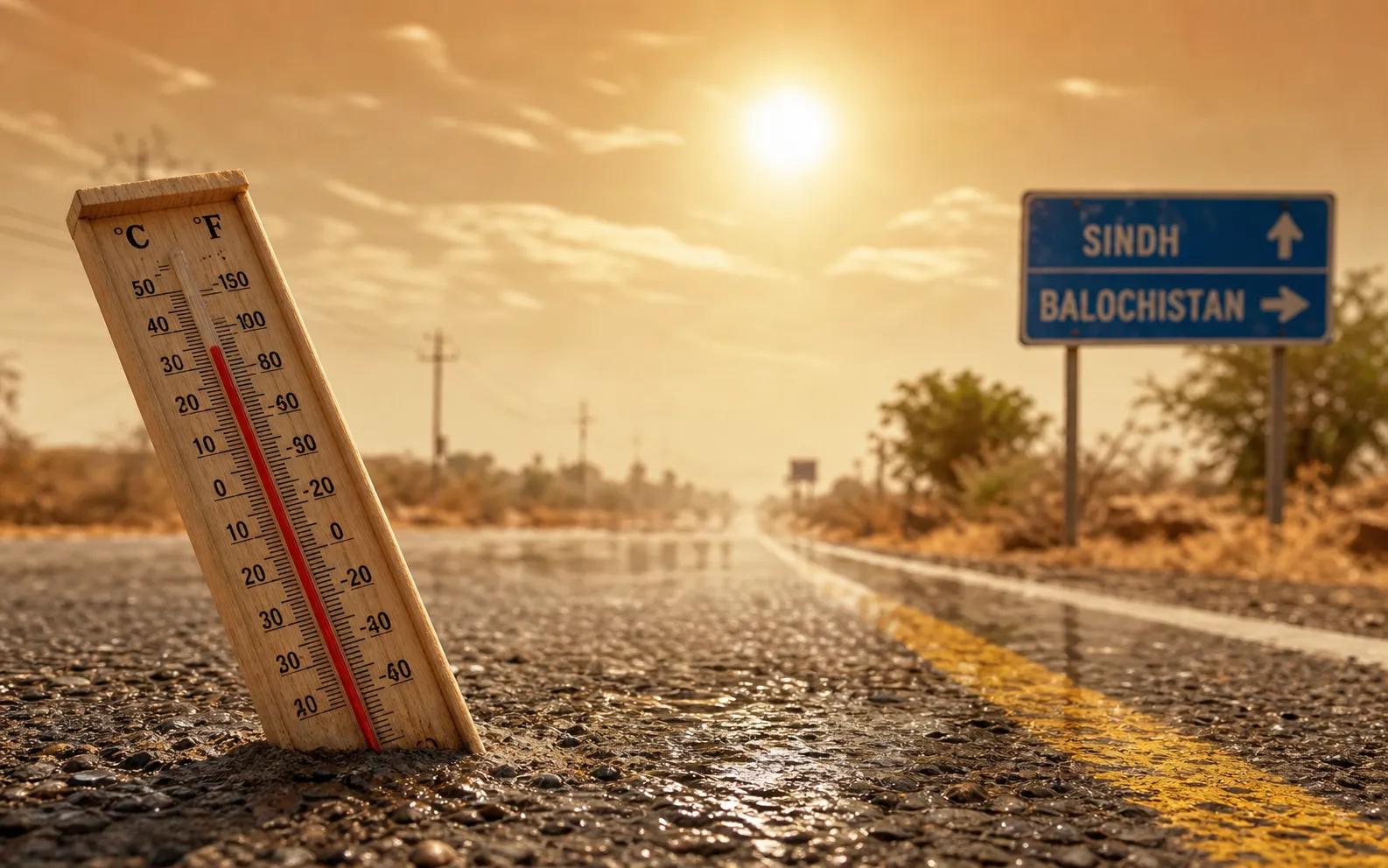

Parts of Sindh and Balochistan are likely to experience temperatures up to 51°C from June 7 to 12, the Pakistan Meteorological Department has warned. The News Pakistan confirmed the PMD has issued a nationwide Pakistan Heatwave Alert covering the most vulnerable parts of the country during one of the hottest weeks of 2026.
If you live in Sindh, southern Balochistan, or Karachi, this is a serious warning. Not a weather note. A genuine health risk.

What the Met Office Is Warning About
Dawn’s weather update confirmed mainly hot and dry weather is expected to prevail across most parts of the country, with extreme temperatures forecast through June 12.
We already reported on Dadu recording 51.5°C last week — and what that temperature does to the human body, to livestock, to roads, and to electricity grids. This week, the PMD is warning that the same extreme conditions could return across a wider area.
51°C is not just uncomfortable. At that temperature, outdoor work becomes life threatening within minutes without proper shelter and water.
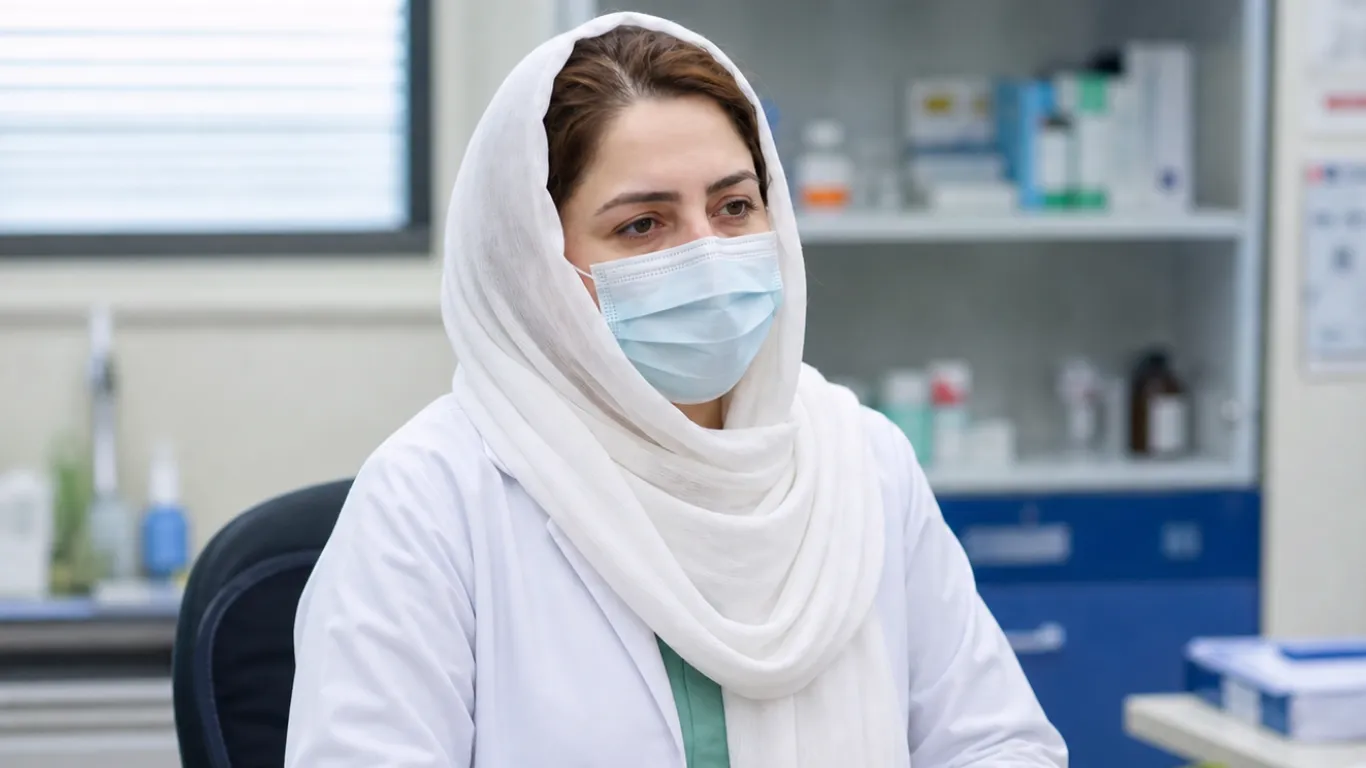
Who Is Most at Risk WITH Pakistan Heatwave ALERT
The people most at risk during this heatwave:
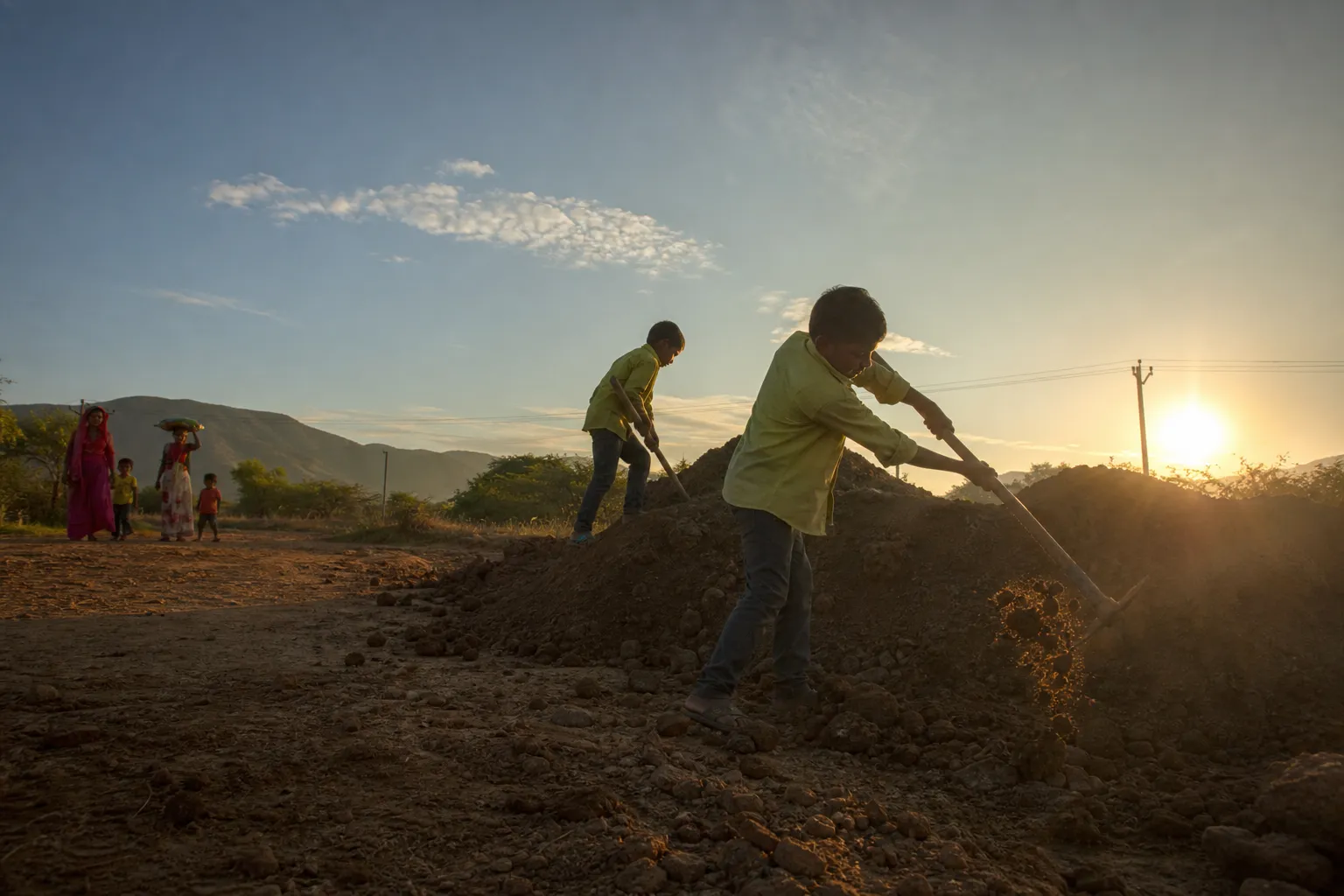
- Outdoor workers: Construction workers, rickshaw drivers, agricultural laborers, street vendors — anyone working outside between 11 AM and 4 PM.
- Brick kiln workers in Sindh: One of the most exposed and most overlooked populations during every Pakistani summer.
- Karachi’s low-income areas: Dense urban heat, limited access to AC, and unpredictable K-Electric load shedding create a dangerous combination.
- Patients in government hospitals: We have already reported that Rawalpindi’s government hospitals may run out of medicines by July. During a heatwave, heat stroke cases surge. Overwhelmed hospitals with medicine shortages is a dangerous combination.
- Hajj pilgrims’ families at home: Over 179,000 Pakistani pilgrims are performing Hajj right now. Families with elderly members at home, without proper cooling, need extra attention.
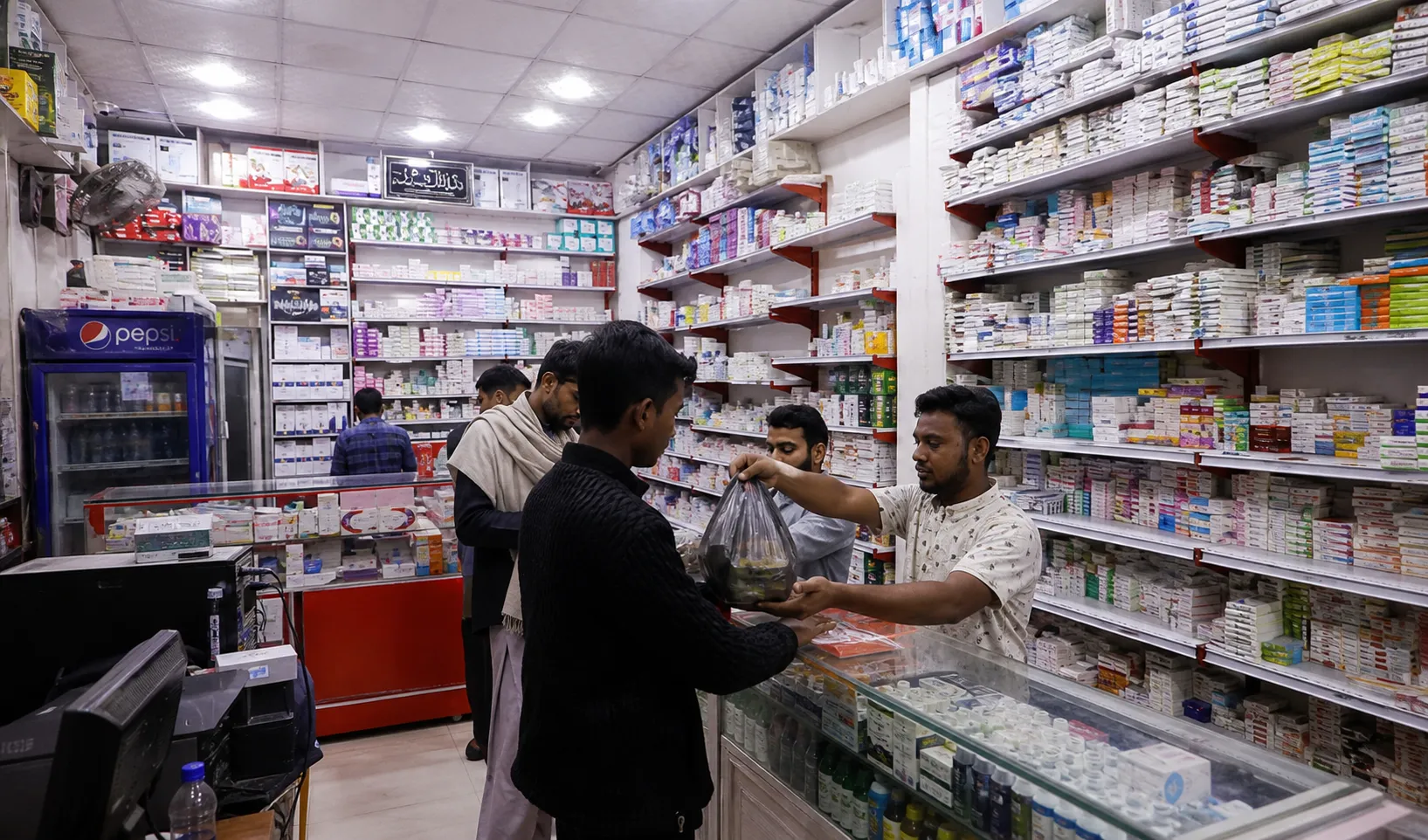
What You Should Do During This Heatwave
These are practical steps, not just general advice:
- Stay indoors between 11 AM and 4 PM. If your work requires you to be outside, take breaks every 20 to 30 minutes in shade.
- Drink water every 30 minutes. Do not wait until you feel thirsty. Thirst is a sign you are already dehydrated.
- Wear loose, light-coloured cotton clothing. Dark colours absorb heat. Synthetic materials trap it.
- Never leave children or elderly people in a parked car. Even 5 minutes at this temperature can cause heat stroke.
- Know the signs of heat stroke: Confusion, rapid heartbeat, very high body temperature, dry and hot skin, no sweating. If you see these signs in someone, move them to a cool place immediately and call emergency services.
- Emergency helpline: 1122 (Rescue Pakistan) is available across Punjab. In Sindh, call Edhi Foundation at 115 for ambulance services.

The Electricity Problem Makes This Worse
Every major heatwave in Pakistan runs directly into the load-shedding problem. When temperatures hit 50°C, electricity demand surges. When demand surges, load-shedding hours increase.
Families in lower-income areas of Karachi, Hyderabad, Larkana, and Sukkur could face 8 to 12 hours of load shedding during this period. Without fans or coolers, those hours in a closed concrete room are genuinely dangerous.
The government needs to treat this as an emergency, not a weather update.

What Happens Next
The heatwave alert runs until June 12. 24PakTimes will report immediately if temperatures push beyond 51°C in any location this week.
For previous heatwave context, see our Pakistan Heatwave Alert May 2026 article and the Dadu 51.5°C temperature record report.