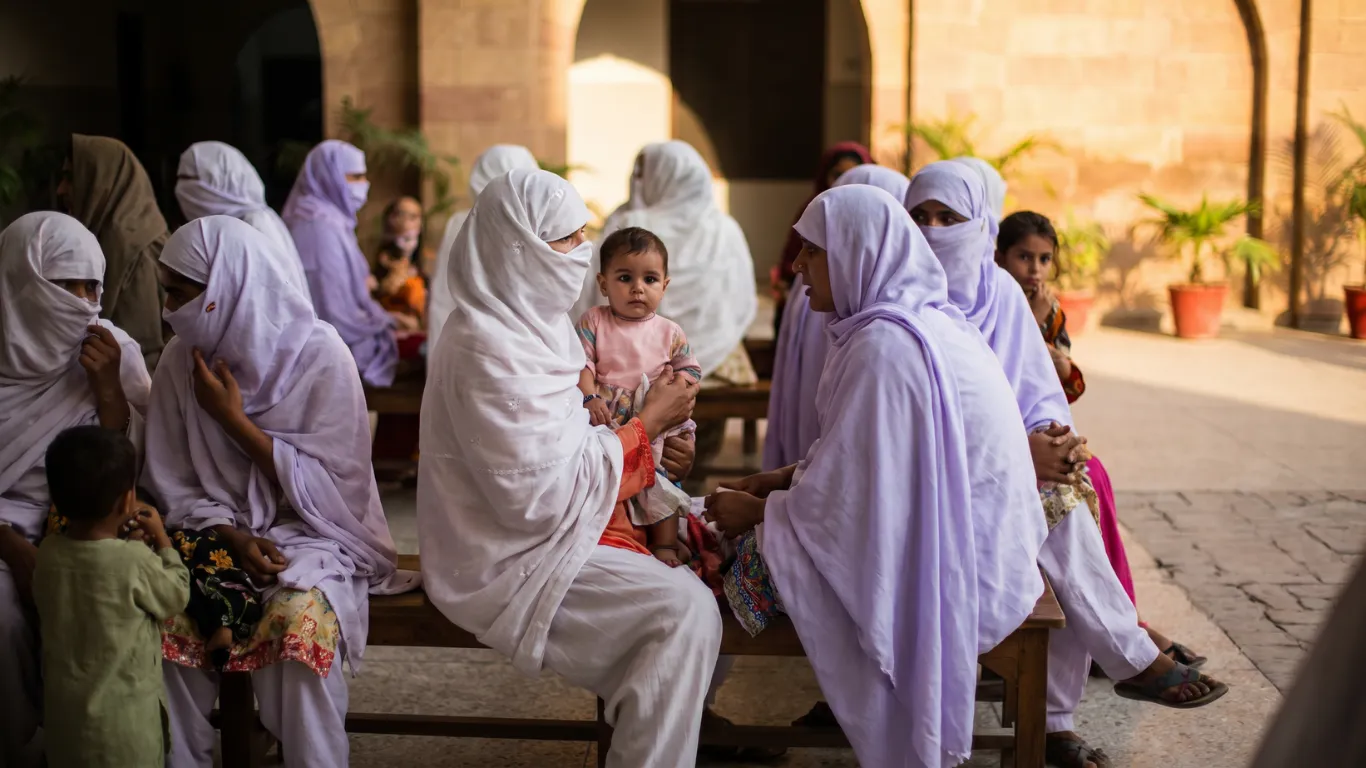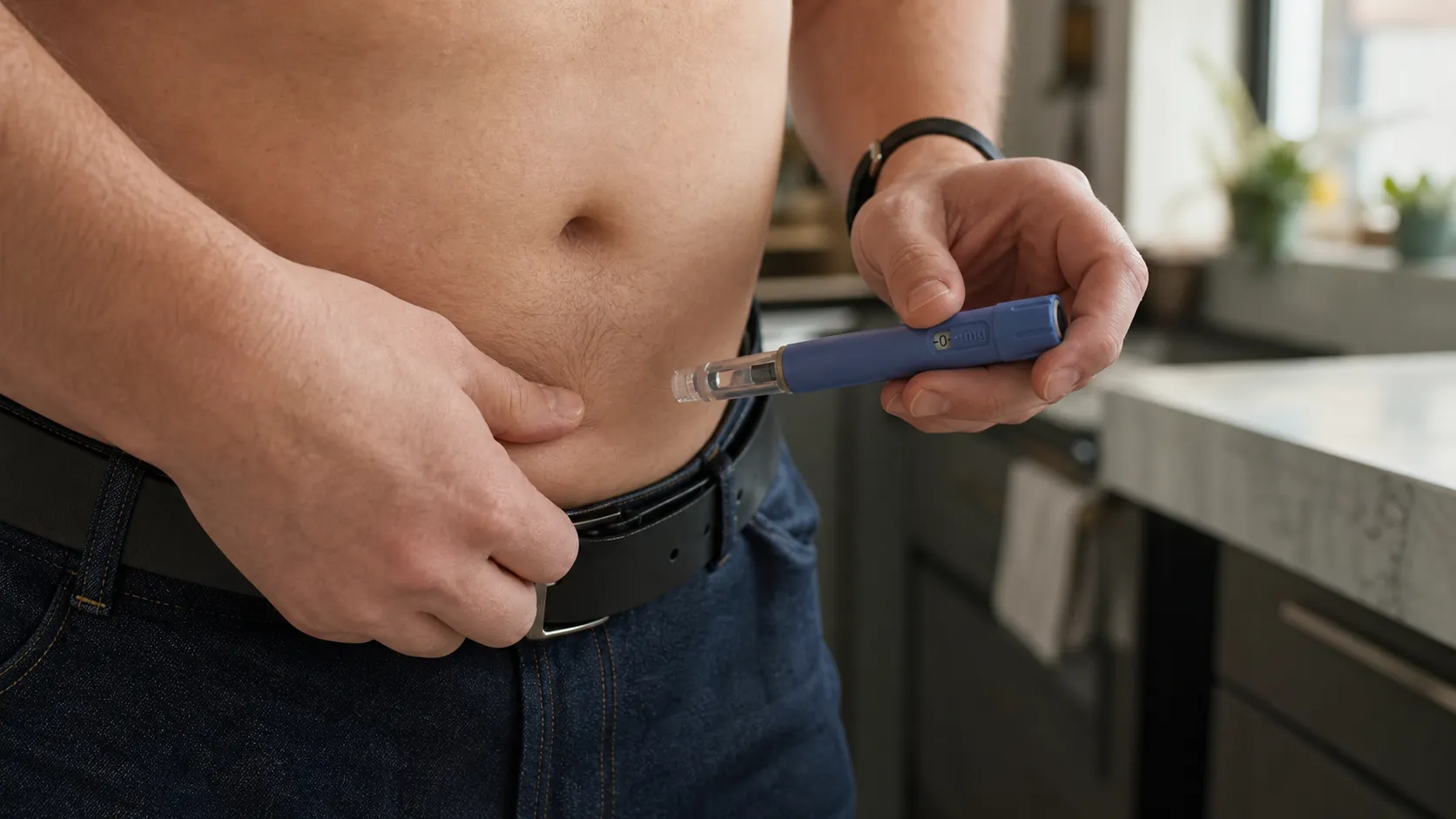


Pakistan National Heart Association (Panah) has claimed that Pakistan has been facing a national heart disease emergency that requires strong and sustained action.
Panah’s formal declaration. The numbers they shared are not just statistics. They describe what is happening inside millions of Pakistani homes right now.
The Numbers That Should Scare Every Pakistani Family
Dawn’s health emergency report quoted Panah President retired General Masudur Rehman Kiani directly:
“National health data paints an alarming picture: cardiovascular diseases account for nearly one-third of all deaths in the country; diabetes affects approximately 31 percent of adults — one of the highest prevalence rates in the world; obesity continues to rise, with nearly 40% of adults classified as overweight or obese; and Pakistan spends an estimated Rs2.6 billion annually on diabetes management.”
In simple words:
- 1 out of every 3 deaths in Pakistan is caused by heart disease
- 31 out of every 100 adults have diabetes
- 4 out of every 10 adults are overweight or obese
General Kiani is a renowned cardiac surgeon and former commandant of the Armed Forces Institute of Cardiology. This is not a political statement. It is a clinical one.

Panah’s Budget Demand: 40% Tax on Sugary Drinks
Panah is not just raising alarms. They want concrete action in Budget 2026-27.
Dawn confirmed Panah is demanding: “Increasing taxes on all sweetened beverages including juices by 40 percent in the Finance Bill 2026-27 should be a cornerstone of the country’s disease prevention strategy.”
The logic is straightforward. Sugar is one of the biggest drivers of diabetes and obesity. Sweetened beverages — fizzy drinks, juices, and energy drinks — are consumed in massive quantities across Pakistan. A 40% tax would make them more expensive, and research from countries like Mexico and the UK shows this reduces consumption, especially among young people.
How This Connects to Pakistan’s Budget Crisis
This is where the health crisis meets the economic crisis.
Pakistan spends Rs2.6 billion annually on diabetes management alone — money the government and families spend treating a disease that is largely preventable through diet and exercise. The Nation confirmed that Pakistan is simultaneously pushing local vaccine production and reviewing health reforms — but systemic prevention investment remains limited.
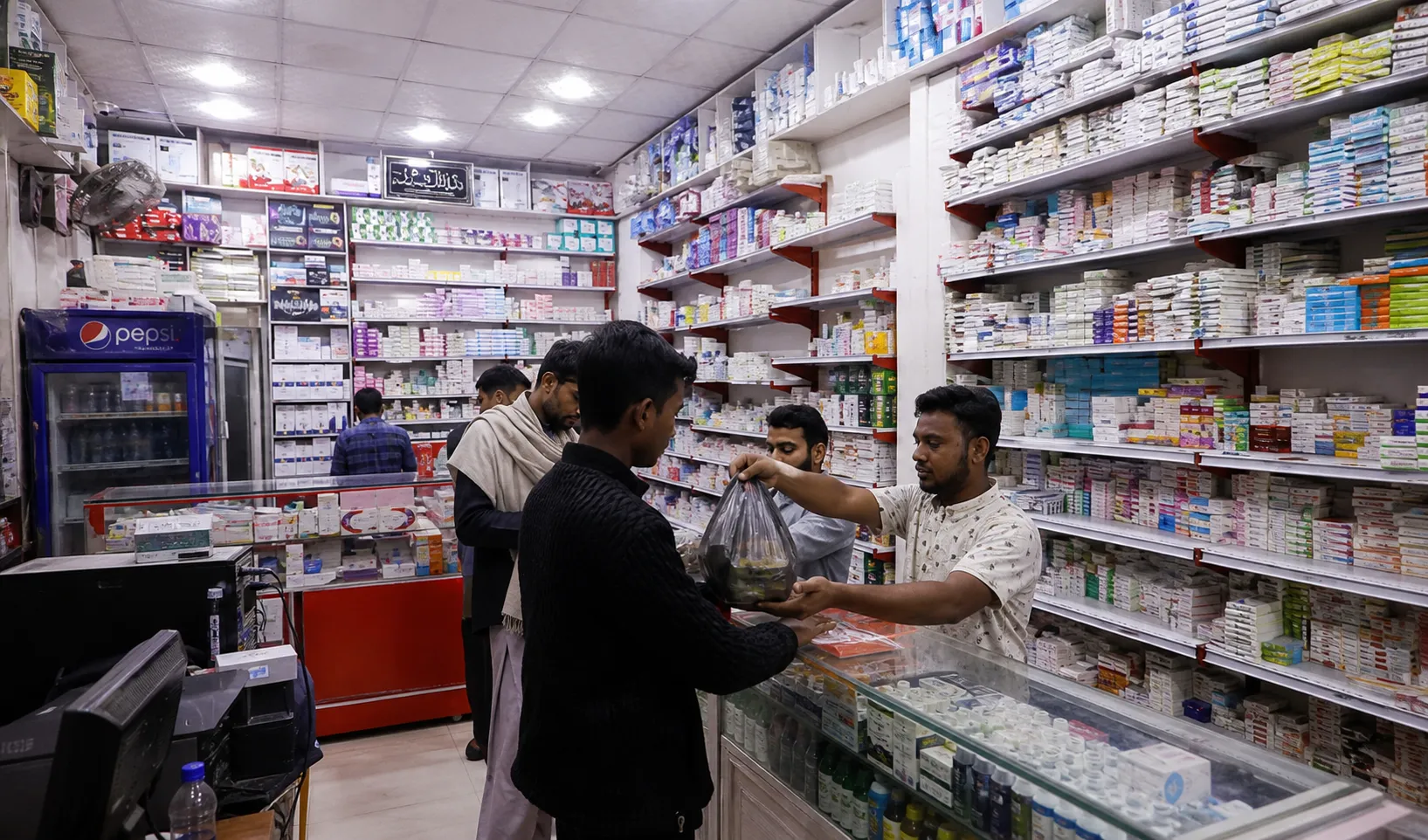
Meanwhile, as we reported in our Rawalpindi hospitals medicine shortage article, the health system cannot even afford basic medicines for existing patients. Adding thousands more diabetes and heart disease patients every year to that system without prevention is not sustainable.
Prevention is cheaper than treatment. A sugar tax is one concrete way to fund that prevention.
WHO Pakistan and Brecorder’s Pakistan-World Bank health talks report both confirm that international partners are pushing Pakistan to invest more in preventive health measures ahead of the budget — exactly what Panah is demanding.
What You Can Do for Your Own Family
This is not just a government problem. Practical steps for Pakistani families:
- Check your blood sugar regularly. Diabetes can go undetected for years. A simple fasting blood glucose test costs Rs200 to Rs500 at any lab in Pakistan. Ask family members over 35 to get tested.
- Reduce sugar intake. Cut from 3 spoons of sugar in chai to 1. Replace fizzy drinks with water or lassi. Over a year, this adds up significantly.
- Walk 30 minutes daily. No gym membership needed. Walking five days a week reduces heart disease risk by 30 to 40 percent.
- Cook with less oil. Pakistani cooking traditions use generous amounts of oil and ghee. Reducing oil by just 2 tablespoons per meal makes a measurable difference to cardiovascular health.
What Happens Next
Budget 2026-27 is expected on June 10. It will reveal whether the government takes Panah’s recommendation seriously. A 40% sugar tax would generate significant revenue while addressing a genuine public health crisis simultaneously.
For full budget context, see our Budget 2026-27 delayed analysis.
24PakTimes will cover the health sector allocations in the budget when it is presented June 10.
This article is for informational purposes only. Always consult a qualified doctor for health decisions.