

Pakistan is heading toward 390 million people by 2050. Right now, the country is failing the youngest ones in ways that official government speeches never acknowledge directly.The numbers from WHO, UNICEF, NIH/PMC, and the Cambridge University primary healthcare study tell a story that should dominate front pages every day.
According to UNICEF Pakistan, each year approximately 91,000 children in Pakistan die from pneumonia and 53,300 from diarrhoea — both conditions that are largely preventable with functional primary healthcare.
That is not a health system problem in isolation. That is a policy failure sustained across decades.
What This Article Covers: Pakistan child mortality data (WHO/UNICEF) → Healthcare funding gap → Education crisis (22 million out-of-school children) → What the evidence says must change → What the government is actually doing in 2026
What we know about Pakistan Child Health Crisis
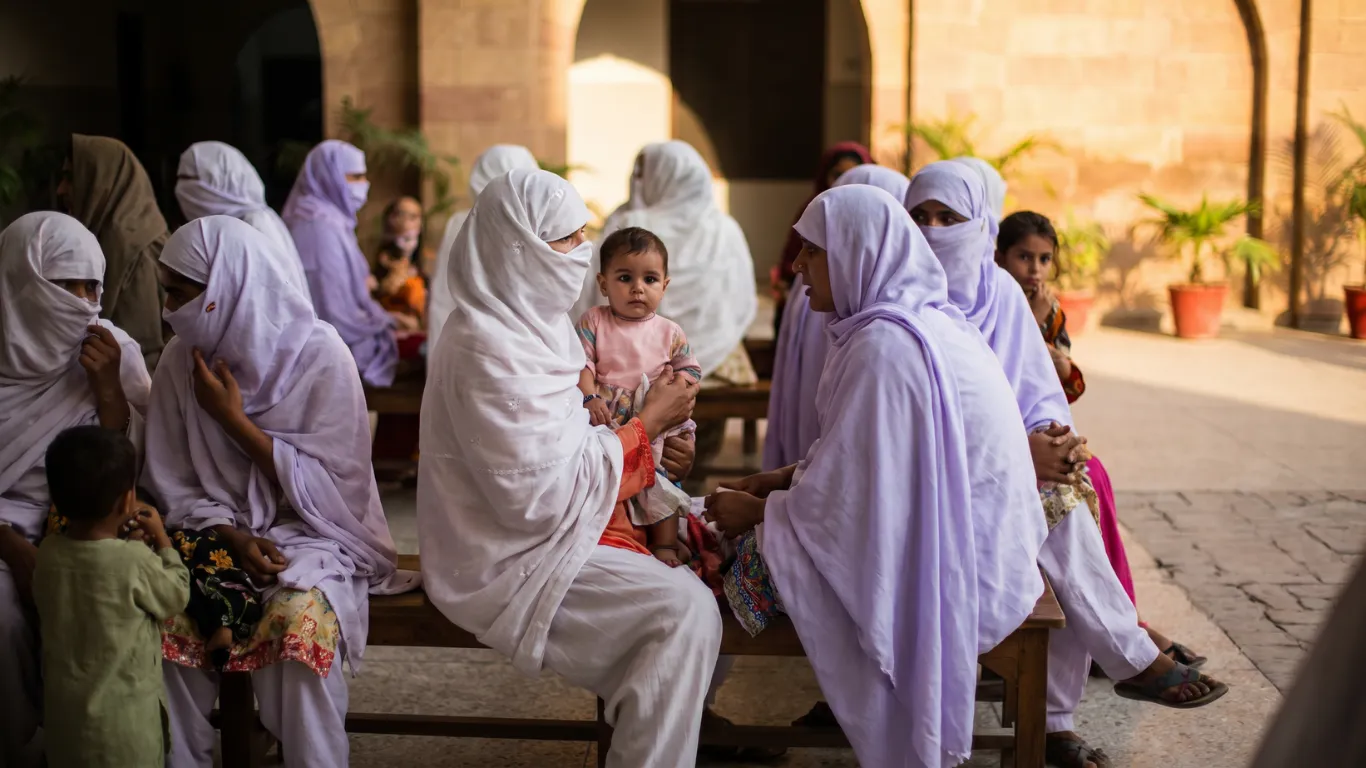
In interior Sindh and southern Punjab, what chronic understaffing looks like in practice — a single community health worker covering four villages on a bicycle, carrying vaccines in a cooler, with no backup if the cooler fails, no transport allowance if the road floods, and no replacement if she falls sick.
The data below is not abstract. It maps directly onto what I have seen. And in May 2026, the fundamental situation has not changed enough.
The Core Healthcare Crisis — What Research Actually Tells Us
According to the peer-reviewed study published in Primary Health Care Research & Development via Cambridge Core and indexed on PMC/NIH:
“Primary healthcare plays a crucial role in improving health outcomes and reducing the healthcare burden — especially in lower-income countries. However, it has not received adequate attention in Pakistan despite its recognized importance.”
The numbers behind that statement are damning.
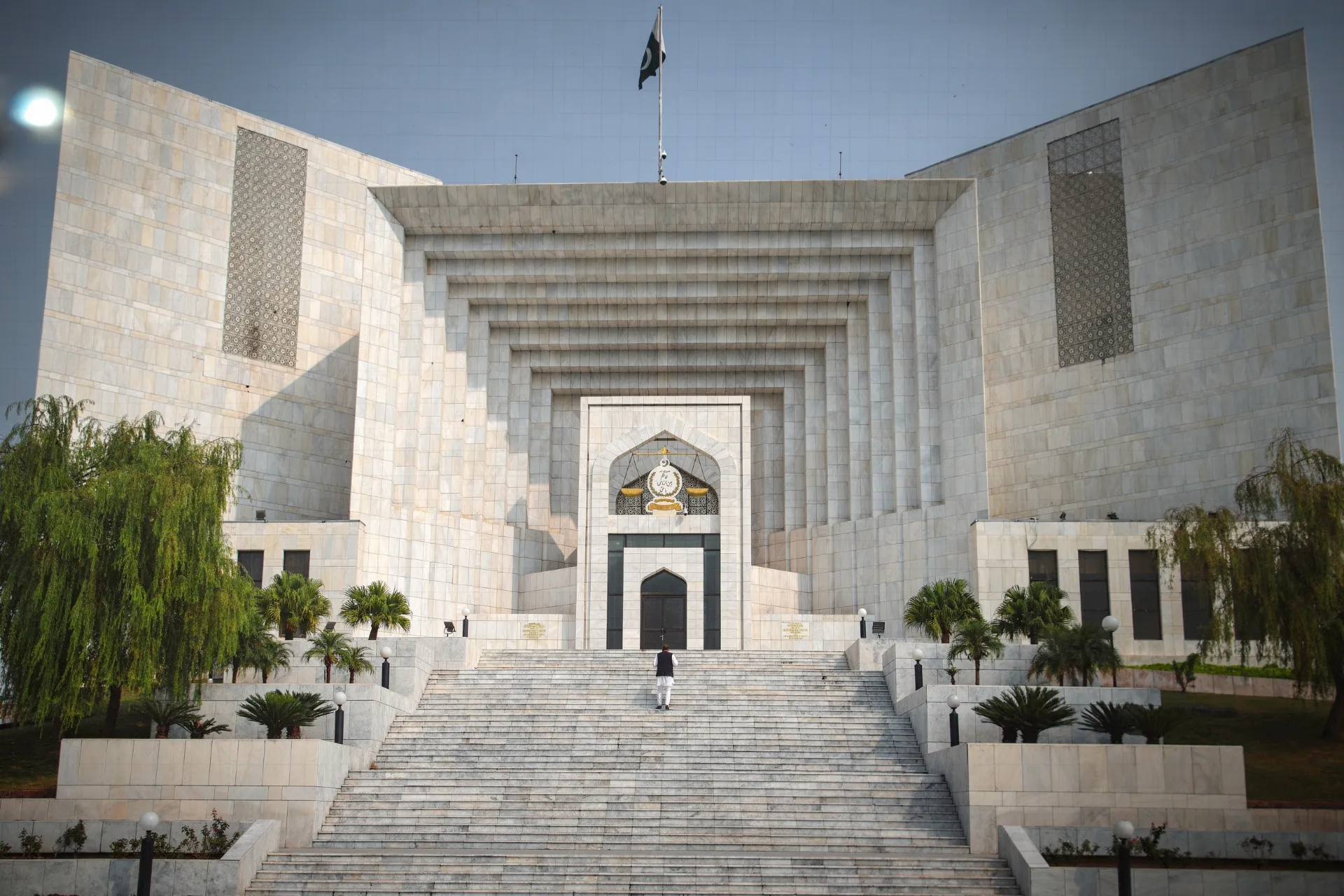
Healthcare Spending — One of the Lowest Rates on Earth
According to the Columbia Journal analysis via Medium:
Pakistan spends less than 1% of its GDP on healthcare — one of the lowest rates anywhere in the world. For comparison:
| Country | Healthcare Spending (% of GDP) |
|---|---|
| Pakistan | <1% |
| India | ~3.8% |
| Bangladesh | ~2.5% |
| WHO Recommended Minimum | 2.5% |
| United Kingdom | ~12.8% |
Pakistan’s military budget sits at approximately 3.5% of GDP. Healthcare receives less than a third of that. As a result, according to the Medium research report, many people cannot access essential medical services, many cannot afford basic medications, and preventable diseases continue to drive mortality rates that should not exist in 2026.

The Doctor Shortage — Rural Pakistan Has Almost No Coverage
According to the Columbia-NIH analysis:
Pakistan’s doctor-to-patient ratio is approximately 1:1,000 — against the WHO’s recommended ratio of 1:100.
That gap is not just a number. It means a sick child in rural Balochistan or interior Sindh may have no doctor within 50 kilometres. It means community health workers — mostly women on bicycles — are the only healthcare touchpoint for millions of families. And it means when those workers are overstretched or underpaid, the healthcare system for rural Pakistan effectively collapses.
This shortage, as noted by the NIH-indexed Cambridge study, is particularly severe in rural areas, where healthcare facilities are fewer, doctors are significantly less likely to work, and the combination of poverty and poor transport makes accessing urban hospitals nearly impossible for most families.

Children Are Dying From Conditions That Are Preventable — The UNICEF Data
This is the section that is hardest to process — but the most important to understand.
According to UNICEF Pakistan’s health data:
- 91,000 children die from pneumonia every year in Pakistan
- 53,300 children die from diarrhoea every year in Pakistan
- Access to life-saving interventions is limited, further complicated by massive disparities between provinces, income levels, rural and urban locations, and maternal education levels
- Newborn boys and girls are dying from conditions that could be managed within households and others that require accessible professional care
The UNICEF report makes one critically important point that often gets lost in the despair of those statistics:
25% of child deaths in Pakistan can be prevented with vaccinations alone. Many more can be saved through quality maternal and newborn healthcare that is consistently within reach.
The tools exist. The vaccines exist. The problem is delivery, access, and political will to fund the last mile.
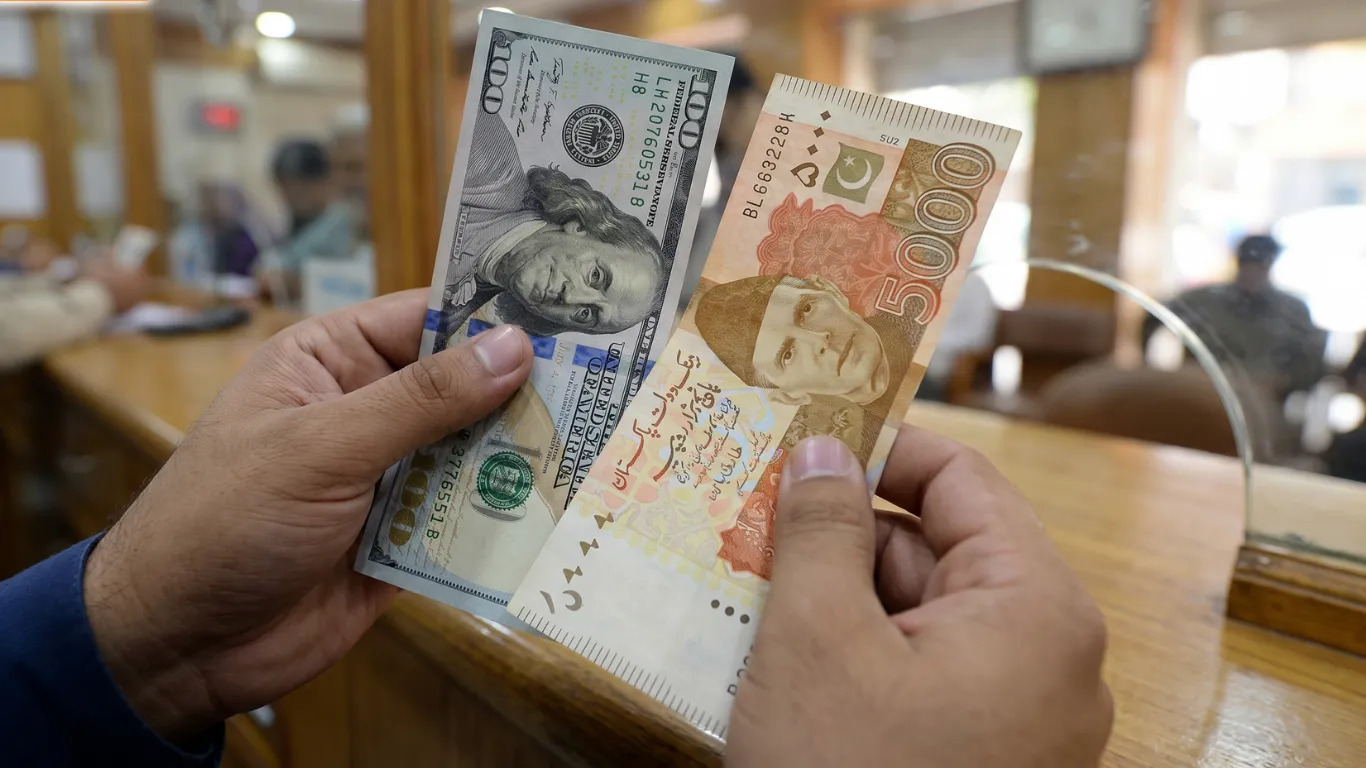
The Immunization Gap — Progress That Is Real But Still Insufficient
According to UNICEF Pakistan, routine immunisation coverage in Pakistan has improved significantly since 2012–13:
- 2012–13: 54% immunisation coverage
- 2017–18: 66% immunisation coverage
- 2026 target: 90%+ coverage (WHO recommendation for herd immunity on most vaccines)
A 12-percentage-point improvement over five years is real progress. But 66% in 2026 still means one in three Pakistani children is not fully immunised — despite the vaccines being available, proven, and largely donor-funded.
The gap between 66% and 90% is not a scientific problem. It is a logistics and funding problem. Reaching the final 34% requires reaching the most remote, most impoverished, most infrastructure-deprived communities in Pakistan.
The BISP-WHO Model — What Actually Works
According to WHO Pakistan’s latest news, the WHO in partnership with the Benazir Income Support Programme (BISP) currently supports:
- 169 centres across Pakistan
- 700 dedicated staff providing integrated health and nutrition services
- Coverage of more than 70,000 children annually
- Counselling delivered to 120,000 mothers and caregivers per year
This model works because it reaches the families that the formal health system never reaches — mothers with no transport, no cash, and no awareness that the government provides free services nearby. The BISP connection means health workers are reaching people who are already engaged with the social protection network.
The limitation is scale. 169 centres across a country of 240+ million people is a starting point, not a solution.
Polio — A Genuine Win Worth Acknowledging
According to WHO Pakistan, Rotary International’s grant will enable WHO, in partnership with the Pakistan-led Polio Eradication Initiative, to protect over 45 million children against paralytic polio in 2026.
Pakistan is one of only two countries in the world where wild poliovirus transmission has not been fully stopped. The 2026 campaign represents the most ambitious single-year push in the eradication effort’s history. This is a genuine, measurable success in progress — and it demonstrates exactly what Pakistan can achieve when political will, international partnerships, and community health infrastructure are aligned.
The lesson: what works for polio can work for pneumonia and diarrhoea. The infrastructure just needs to be there.

Pakistan Child Health Crisis — The Hidden Multiplier
According to the Cambridge/NIH primary healthcare study:
“Pakistan still struggles with low health literacy, frequently leading to delayed consultation, poor medication adherence, and a lack of comprehension of wellness and disease prevention.”
A cross-sectional survey conducted in Karachi found:
- 82.4% of the population had poor health literacy
- 70% had trouble accessing and comprehending health information relevant to their personal well-being
Poor health literacy is a silent multiplier of every other crisis on this list. It means:
- Parents do not recognize pneumonia symptoms early enough to seek care before a child deteriorates
- Vaccine hesitancy spreads through communities faster than corrective information
- Children die from dehydration — treatable with oral rehydration salts that cost almost nothing — because families do not know how to prepare or administer them
- A healthcare worker arrives 20 minutes too late because the family waited three days before seeking help
According to the NIH/PMC study, a practical approach for improving health literacy in Pakistan is to leverage smartphone apps and digital media — increasingly viable given Pakistan’s internet expansion to 5.1 million new connections in 2026. The infrastructure for health literacy campaigns delivered through mobile platforms now exists. The political commitment to fund them at scale does not yet.
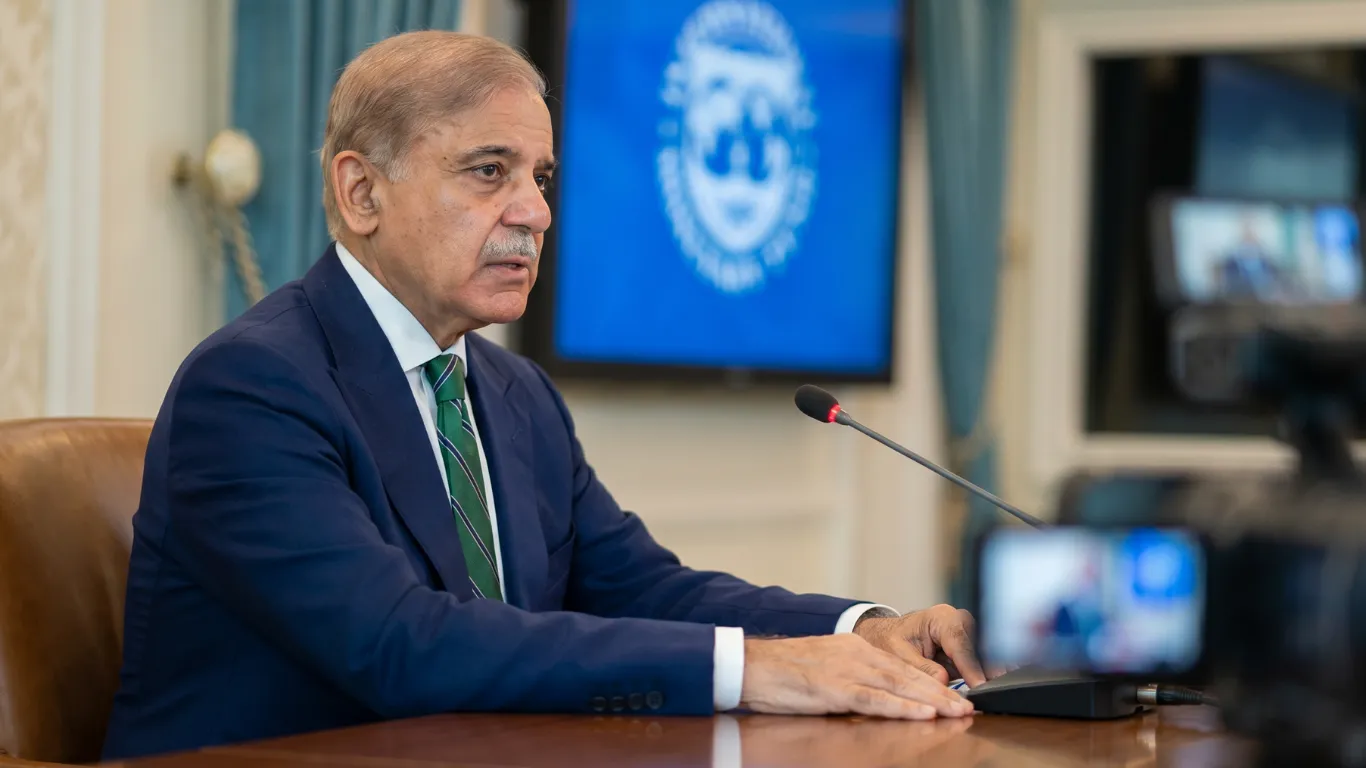
The KP Government — Health and Education as Stated Priorities
According to The Nation’s May 2026 report, CM Ali Amin Gandapur has stated that health and education remain the foremost priorities of the Khyber Pakhtunkhwa government.
CM Afridi’s administration has emphasized:
- Expansion of Basic Health Units (BHUs) in rural KP districts
- Teacher recruitment drives targeting under-enrolled districts
- Integration of digital learning tools in government school curricula
KP’s stated commitment matters because it is one of Pakistan’s largest and most geographically challenging provinces. Progress there would demonstrate replicability across Balochistan and interior Sindh — the two provinces where health and education indicators are most severe.
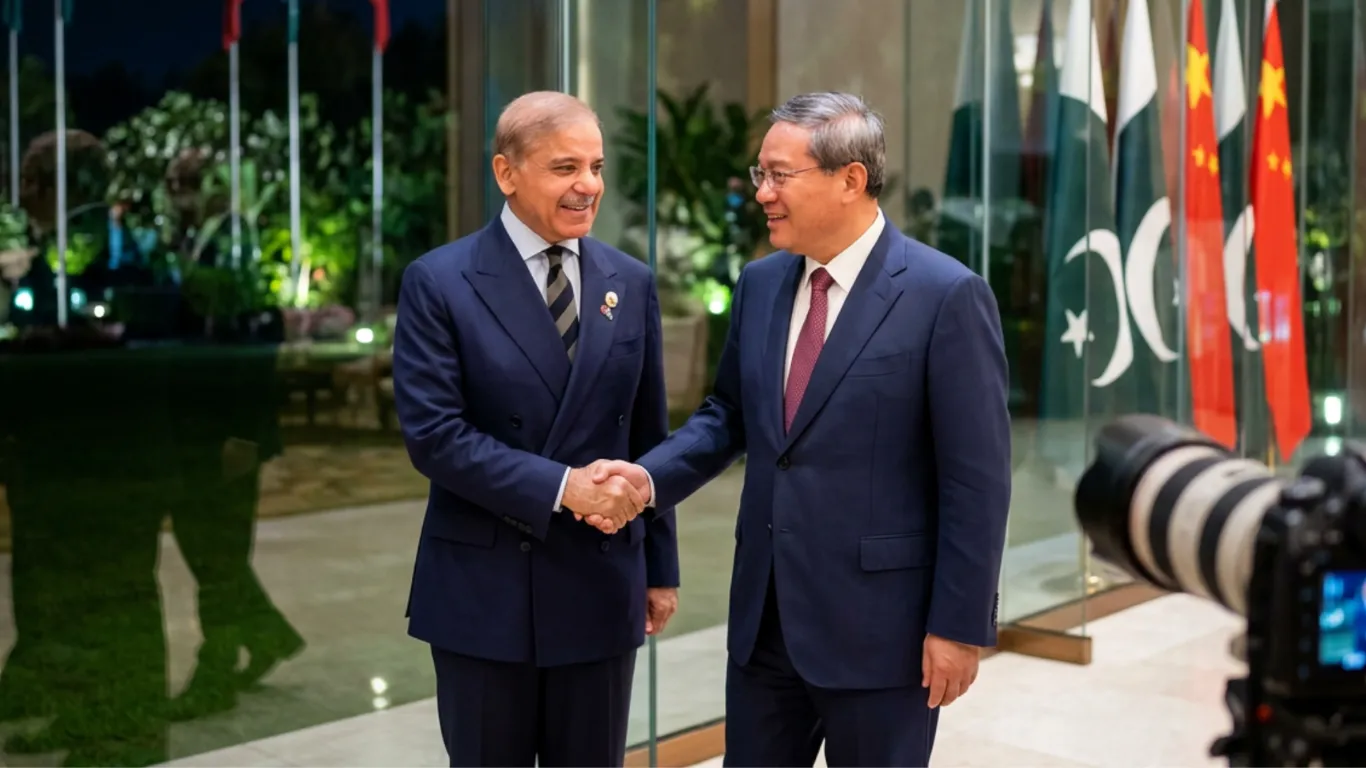
The Education Crisis — 22 Million Children Out of School
The health crisis and the education crisis are not separate problems. They are the same crisis with different symptoms. You cannot address child mortality without addressing the education of the mothers who will make healthcare decisions for those children.
According to the Columbia Journal research:
Over 22 million children in Pakistan are out of school — and the majority of them are girls.
The causes are documented and consistent across every major research report:
- Poverty: Families cannot afford school fees, uniforms, or the opportunity cost of a child not working
- Cultural norms: In many rural communities, particularly in Balochistan and KP, girls’ education beyond primary level faces active resistance
- Geographic barriers: Schools in remote areas are too far, roads are impassable during floods, and transport costs are prohibitive
- Quality failure: Even when children attend, the quality of instruction is frequently inadequate — producing attendance without learning
For further education news and analysis, ProPakistani’s Education section and 24NewsHD’s Education coverage track policy developments in real time.

Why Education and Health Are the Same Investment
The research evidence on this is unambiguous:
- Every additional year of maternal education reduces child mortality in that woman’s future family by measurable percentages
- Girls who complete secondary education are significantly more likely to vaccinate their children, recognize illness early, and use healthcare services without waiting for male household permission
- Health literacy — the 82.4% gap identified in Karachi — is itself an education problem. You cannot fix health literacy without fixing education
The bloompakistan population surge analysis makes the stakes clear: Pakistan’s population is projected to reach 390–400 million by 2050. With that many people and the current trajectory of health and education investment, the crises documented in this article will not improve — they will compound.
What the Federal Government Is Actually Doing in 2026
To be fair to the current administration — there is movement. The question is whether it is enough, and whether it will be sustained past the next election cycle.
Telemedicine — A Genuine Step Forward
According to Pakistan’s National Health Services Resource Centre (NHSRC) and WHO Pakistan:
Pakistan’s health sector is witnessing a significant milestone as the Ministry of National Health Services moves toward the formal launch of telemedicine services. Leading telemedicine companies participated in a pre-bid meeting, with strong private sector interest confirmed. Under Federal Minister for Health Syed Mustafa Kamal, the initiative aims to improve access, efficiency, and innovation — especially in remote and underserved areas.
Telemedicine reaching rural Balochistan and interior Sindh would be genuinely transformative. A mother 80 kilometres from the nearest hospital who can show her sick child to a doctor on a smartphone screen, receive a diagnosis, and have a prescription sent to the nearest pharmacy — that changes the equation. The technology exists. The platform is being built. The question is implementation, especially in areas where internet connectivity itself remains a barrier.
The IMF Complication
It would be irresponsible to discuss Pakistan’s health and education funding trajectory without acknowledging the constraint: IMF conditions tied to the $1.32 billion tranche require Pakistan to reduce fiscal deficits and control spending. Healthcare and education are among the easiest budget lines for governments under IMF pressure to underinvest.
The 2026-27 Federal Budget will be the clearest test of whether health and education spending increases meaningfully or continues to hover below 1% of GDP. Coverage of the budget as it develops will be on 24PakTimes — watch that space.

What the Evidence Says Must Actually Change — The Research Consensus
Based on data from WHO, UNICEF, NIH/PMC, Cambridge Core, and Al Jazeera’s Pakistan coverage, here is what the international evidence base consistently recommends:
1. Increase Healthcare Spending to Minimum 2.5% of GDP
Below 1% is not a developing-country challenge — it is a policy choice. WHO’s minimum recommendation is 2.5%. That gap can only be closed with a deliberate multi-year budget commitment, not incremental annual adjustments.
2. Scale the BISP-WHO Model 10x
The 169 centre network demonstrably works — it reaches the families the formal system never reaches. The question is not whether the model is effective. It is whether the government will fund it at the scale Pakistan’s geography and population require.
3. Deploy Telemedicine With Urgency
Pakistan’s internet expansion gives it the infrastructure foundation. What is missing is the regulatory framework, digital health literacy among rural populations, and the last-mile connectivity in the most remote districts. All of these are solvable policy problems — not technical ones.
4. Address Health Literacy as a Primary Intervention
According to the NIH/PMC study:
“Improved health outcomes require health education. Pakistan has not yet fully explored the idea of health education — and that gap costs children’s lives every single day.”
Mobile-based health literacy campaigns, community health worker training, and school-integrated health education are proven interventions. The smartphone penetration to deliver them at scale now exists.
5. Keep Girls in School
Every year of secondary education a girl completes reduces child mortality in her future family. This is not a social development aspiration. It is the most cost-effective child health intervention Pakistan has available to it. Girls’ school enrollment is a health investment with a measurable return.
6. Long-Term Population Planning
According to bloompakistan.com, rapid population growth will intensify pressure on public services and national resources across every sector. Pakistan must strengthen long-term planning for health, education, employment, water, and food security simultaneously — because each crisis amplifies the others.
Pakistan Child Health Crisis – Final Thoughts
Pakistan Child Health Crisis has community health infrastructure that works. It has international partnerships that work. It has the technical knowledge of what interventions save children’s lives. What it has not had — consistently and at scale — is the political will to fund them adequately, year after year, regardless of which government is in power.
The 91,000 children who will die from pneumonia this year in Pakistan are not dying because Pakistan lacks vaccines or knowledge. They are dying because the system that should reach them is underfunded, understaffed, and undervalued in the national political conversation.
That is the crisis. The data is in. The interventions are known. The only remaining question is will.
This is an ongoing healthcare crisis. 24PakTimes will update this guide regularly as updated statistics from WHO, UNICEF, and the Ministry of National Health Services become available.

Pingback: WHO Ebola Global Health Emergency 2026 — 88 Dead, No Vaccine, Brutal Truth