

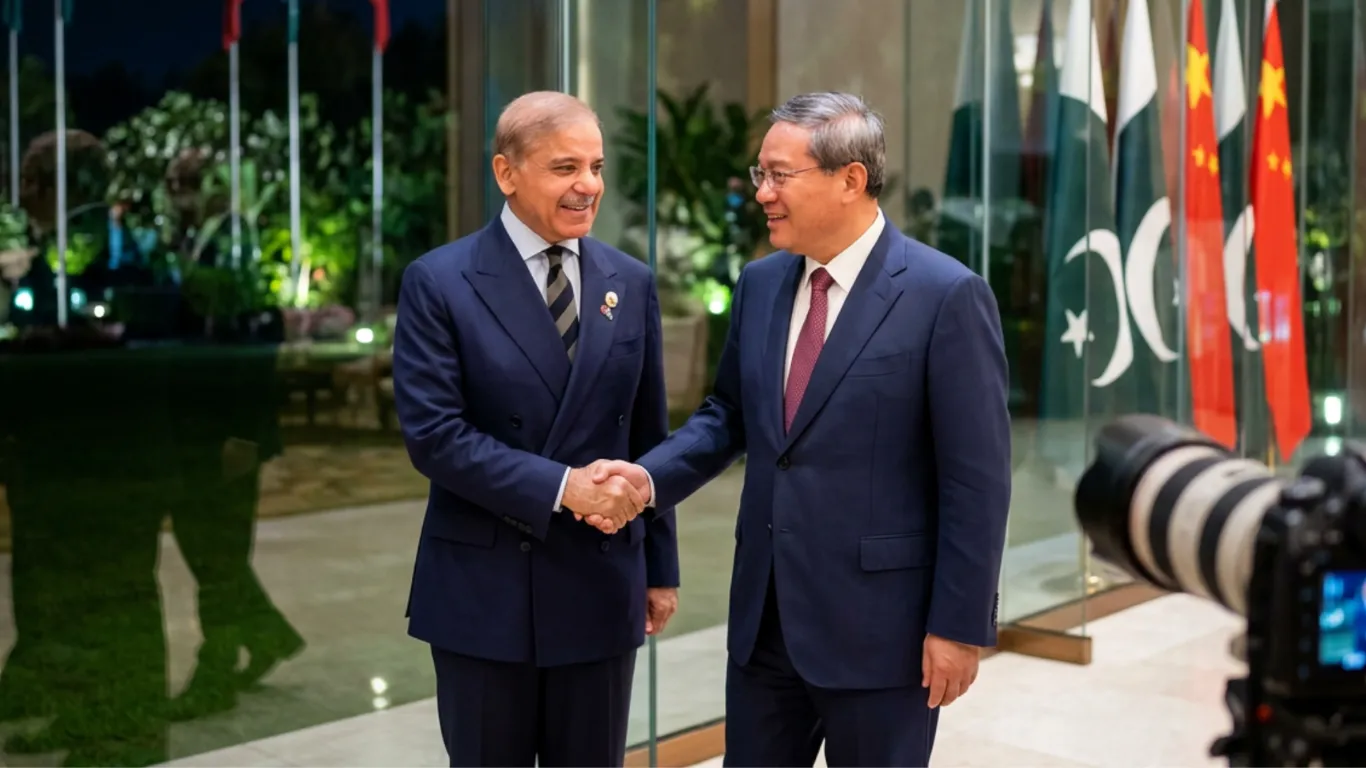

Prime Minister Shehbaz Sharif will visit China from May 23 to 25, 2026, for high-level meetings with President Xi Jinping and Premier Li Qiang. Discussions are expected to focus on economic cooperation and the China-Pakistan Economic Corridor 2.0 (CPEC 2.0). The visit comes at a critical time for Pakistan’s economy, which is slowly rebuilding after years of financial strain.
According to officials, the Prime Minister will also attend events commemorating the 75th anniversary of diplomatic relations between Pakistan and China, highlighting the longstanding partnership and strategic cooperation that defines the relationship. This milestone anniversary gives the visit added symbolic weight beyond its economic agenda.
What Is on the Table: Key Areas of Discussion
The visit will include detailed deliberations on the China-Pakistan Economic Corridor and ongoing development projects under the framework. Trade, investment, energy, and infrastructure cooperation will remain key areas of focus, while leadership from both sides will also exchange views on regional and international developments.
Sources confirmed that several agreements and memorandums of understanding (MoUs) are likely to be signed during the visit, focusing on economic cooperation, investment opportunities, and strengthening bilateral partnerships. The exact number of MoUs has not been officially confirmed at the time of publication.
Why This Visit Matters for Pakistan
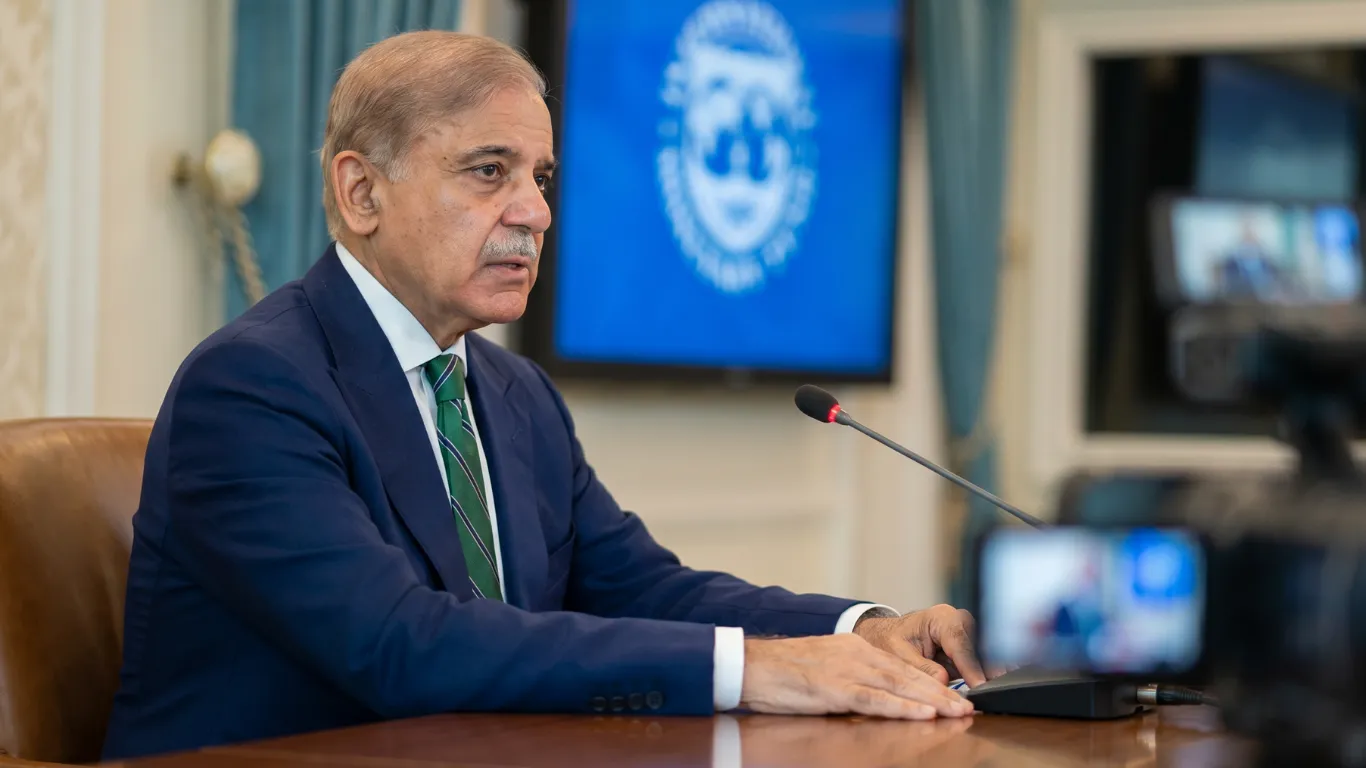
Pakistan is currently at a defining economic crossroads. The country recently re-entered international capital markets after four years and raised $750 million through a Eurobond issuance, according to Finance Minister Aurangzeb. Deeper Chinese investment under CPEC 2.0 could further strengthen that economic recovery.
Analysts believe the upcoming visit could deepen strategic alignment and broaden the scope of economic and political cooperation between Islamabad and Beijing. For ordinary Pakistani families, more Chinese-backed energy and infrastructure projects could directly affect electricity prices, jobs, and road connectivity across provinces.
China remains one of Pakistan’s closest economic and diplomatic partners. Over recent years, both countries have maintained close coordination on major infrastructure and development initiatives under CPEC.
The CPEC 2.0 Context: What Has Changed
The original CPEC framework, launched over a decade ago, brought billions of dollars in infrastructure investment into Pakistan — from motorways in Punjab to the Gwadar Port in Balochistan. CPEC 2.0 is designed to go further, focusing on industrial zones, agricultural cooperation, and technology transfer rather than infrastructure alone.
In recent days, Special Assistant to the Prime Minister Haroon Akhtar Khan held a series of Business-to-Business (B2B) meetings with leading Chinese and Pakistani companies in Islamabad, signaling active ground-level engagement ahead of the PM’s trip. These meetings suggest both sides are working to give this visit concrete commercial outcomes, not just diplomatic optics.
What Comes Next
The visit is expected to further strengthen bilateral ties, expand economic cooperation, and enhance regional connectivity between Pakistan and China. The final list of agreements to be signed will likely be announced in the days leading up to May 23.
24PakTimes will continue to follow this story closely and will provide live updates from Beijing as the Prime Minister’s visit unfolds. For the latest on Pakistan’s economic outlook, read our analysis of the State Bank of Pakistan’s recent monetary policy review.

Pingback: Pakistan's Economy May 2026: IMF, PSX, Dollar Rate
Pingback: Pakistan AI Training 2026: 20,000 Programs Launching Soon
Pingback: Pakistan Mediates Iran-US Talks: What It Means for Islamabad