


Pakistan is taking one of its most direct steps yet toward building a workforce ready for the digital economy. The Ministry of Information Technology and Telecommunication (MoITT) plans to launch 20,000 online artificial intelligence — Pakistan AI training programs under the National AI Advancement Initiative (NAIAI) to prepare the country’s workforce for the rapidly evolving digital economy.
For Pakistani graduates, teachers, freelancers, and professionals, this is a concrete opportunity — and one that arrives at a critical moment.
Who Can Apply: Target Groups for NAIAI
This is not a program designed for a narrow group of computer science students. The six to twelve month programmes will target fresh graduates, government officials, teachers, freelancers, and professionals from multiple industries through an advanced learning management system (LMS).
The breadth of the target audience is significant. It signals that the government wants AI literacy to spread across sectors — not just in tech companies in Karachi and Lahore, but in classrooms, government offices, and farms. The initiative aims to strengthen Pakistan’s position in the global AI market by improving workforce skills, promoting innovation, and encouraging AI adoption across sectors including healthcare, agriculture, education, and industry.
Pakistan AI Training Programs: What Skills Will Be Taught
Under the programme, participants will receive specialised certifications in high-demand fields such as machine learning, deep learning, and AI ethics.
In plain terms — machine learning is the technology behind recommendation systems, fraud detection, and medical diagnosis tools. Deep learning powers facial recognition, voice assistants, and self-driving systems.
AI ethics covers the rules and frameworks that govern how these systems are built and used responsibly. These are among the most sought-after skill sets in global tech hiring right now, and Pakistani professionals gaining these certifications will be directly competitive in international job markets and on freelancing platforms.

The Freelancer Warning: Adapt or Be Left Behind
The NAIAI announcement did not arrive without a sharp word of caution attached. Ibrahim Amin, chairman of the Pakistan Freelancers Association (PAFLA), warned that AI could replace many freelance jobs unless workers upgrade their skills. However, he said AI also offers new opportunities for freelancers willing to learn modern technologies and invest in professional development.
Pakistan currently has one of the largest freelancer communities in the world. Many of those freelancers work in content writing, graphic design, data entry, and basic programming — all fields where AI tools are already automating significant portions of the work. The PAFLA chairman’s message is clear: the time to upskill is now, before automation catches up.

Pakistan’s Internet Growth: The Infrastructure Behind the Push
This AI initiative is being launched against a backdrop of genuine digital expansion. Internet connections in Pakistan have reached 5.10 million in 2026, marking a major increase from 1.9 million in 2024. The growth reflects a significant expansion in the country’s digital infrastructure.
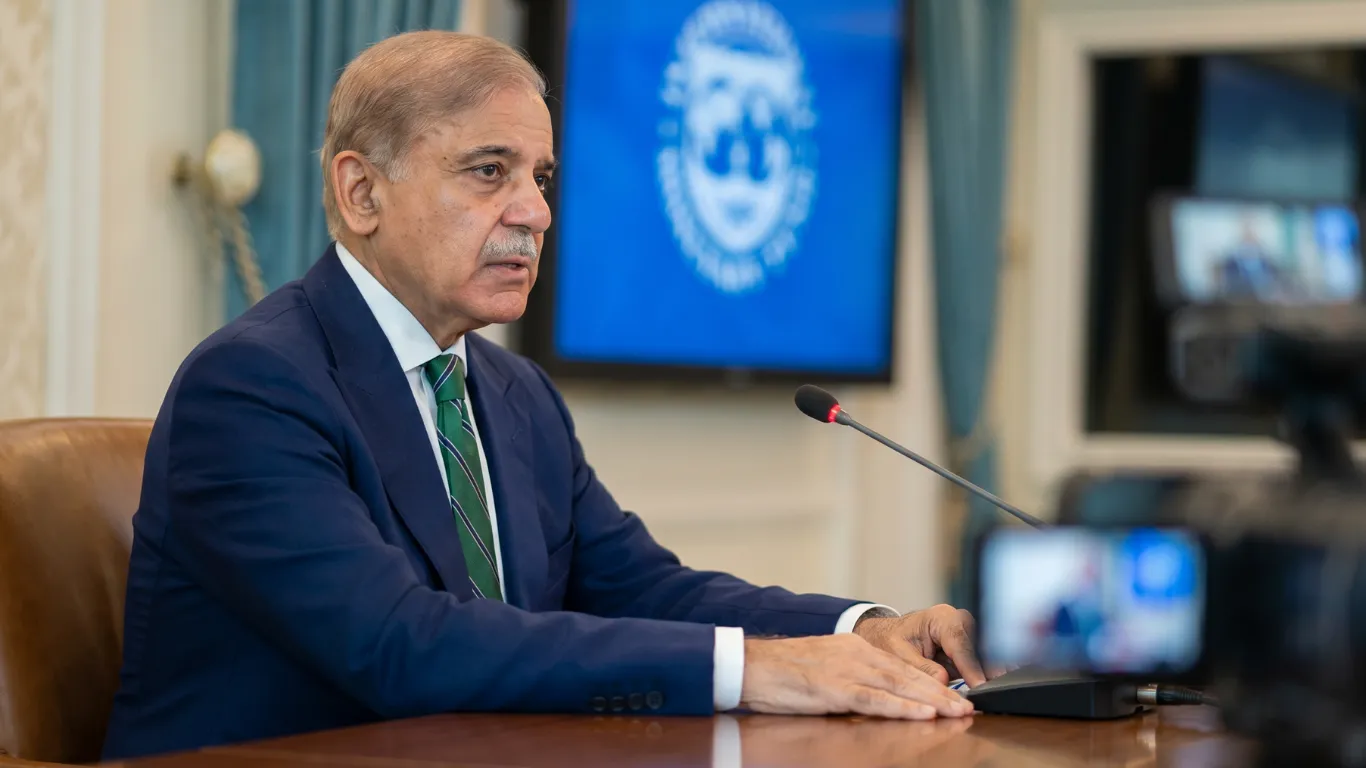
Prime Minister Shehbaz Sharif chaired a review meeting focused on the expansion of the IT sector and government efforts to increase IT-related exports.
During the meeting, the Prime Minister highlighted the strong potential of Pakistan’s youth in the IT sector and stressed the importance of utilising this talent for national development. Pakistan’s IT sector ambitions are also closely tied to broader economic partnerships — including the upcoming CPEC 2.0 talks with China, which include a technology cooperation component.
The government is also addressing the digital divide head-on. Internet connectivity has been expanded to public schools and health units in Islamabad, the installation of free internet hotspots in the city is in its final stages, and the government is establishing e-learning pods in key locations including Syed Pur Model Village and Fatima Jinnah Park to improve public access to digital education.

What This Means for Pakistani Tech Users: Stay Safe, Stay Ahead
As AI tools become more widely used across Pakistan — from freelancing platforms to government offices — cybersecurity awareness becomes more important than ever. Pakistani users should:
- Only download AI tools and LMS platforms from officially confirmed government or verified sources
- Never share CNIC numbers, bank details, or passwords through unofficial training portals
- Verify any NAIAI-related announcements directly at moitt.gov.pk before registering
For Pakistan, a nation with 68 percent of its population under 30 and ambitious goals to train one million AI professionals, understanding global tech trends is not just academic — it is essential for economic survival and prosperity. For a full picture of how Pakistan’s economy is performing in 2026, read our Pakistan economy update covering the IMF review, PSX record, and rupee stability.

24PakTimes will publish a complete step-by-step guide on how to register for the NAIAI program once the official enrollment portal goes live.


Pingback: Fully Funded Scholarships for Pakistani Students 2026: 7 Best Programs You Must Apply
Pingback: Pakistan Government Jobs May 2026: You Must Apply Today