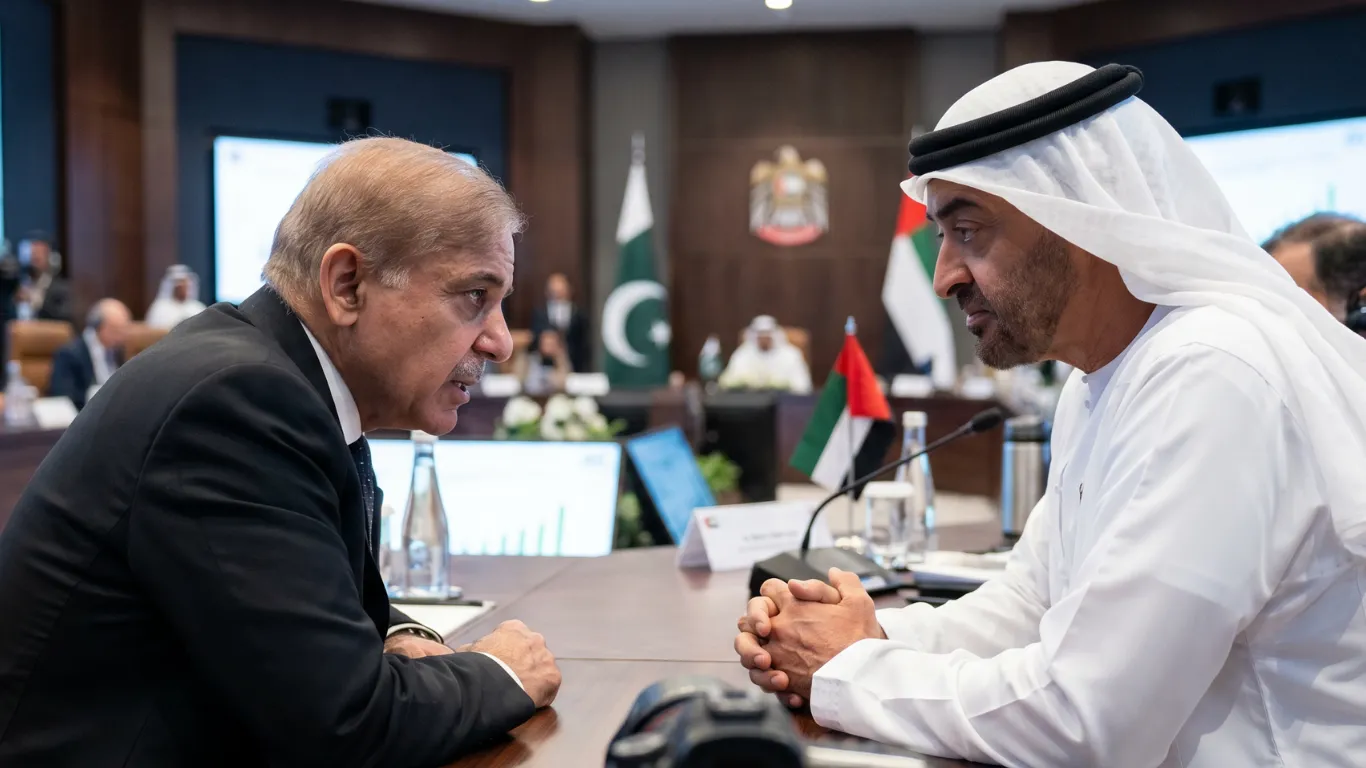


Pakistan has taken on a significant diplomatic role in one of the world’s most urgent crises. Iran’s response to a Iran-US proposal to end the war has been sent via mediator Pakistan, according to the Iranian state news agency IRNA.
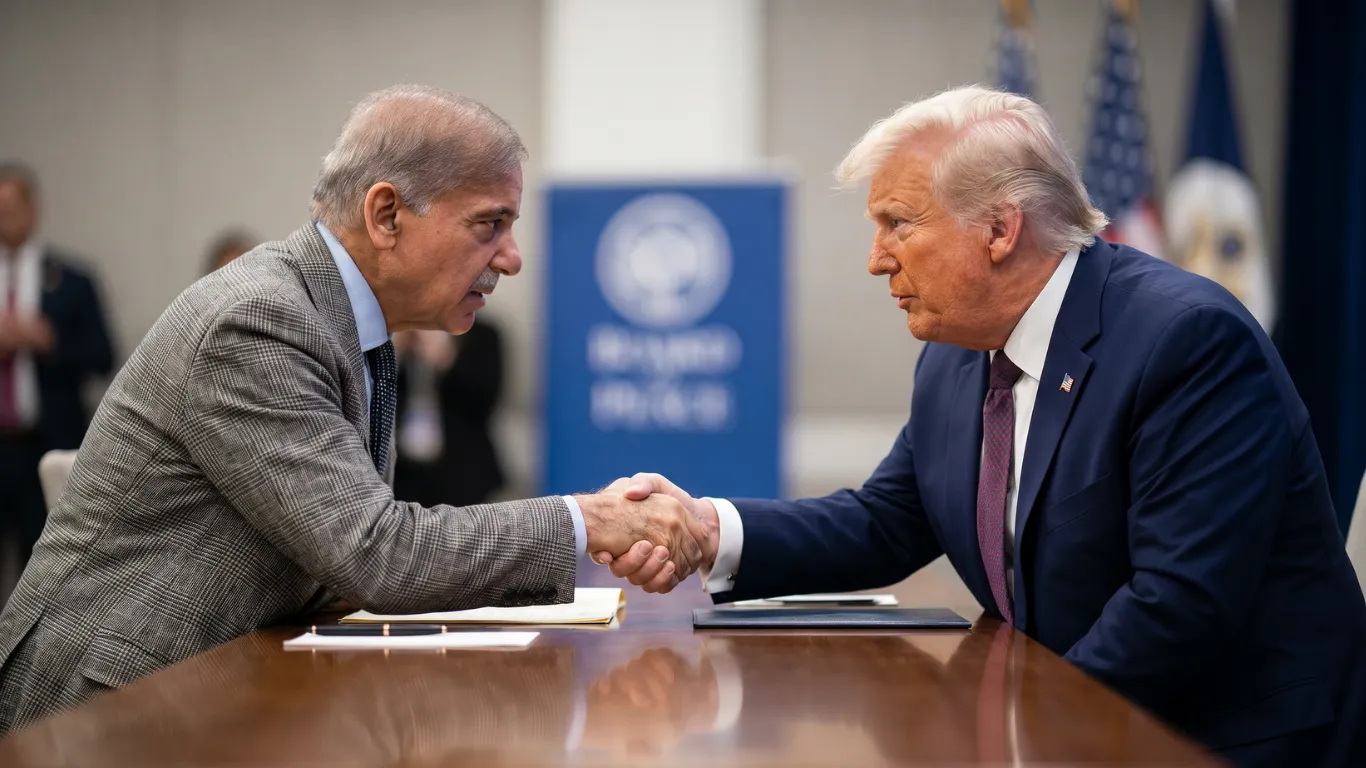
In his first remarks since the development, US President Donald Trump accused Iran of “playing games,” signaling that the road to a ceasefire remains difficult — placing Pakistan squarely at the center of global diplomacy.

What Pakistan Has Been Doing in Iran-US War Talks
Islamabad has been quietly working both sides of this crisis for weeks. Al Jazeera’s correspondent in Islamabad said Pakistan is pushing Iran to “come to a middle ground” in negotiations.
The Pakistani mediating team has been led by Prime Minister Shehbaz Sharif, Field Marshal Asim Munir, and Deputy Prime Minister and Foreign Minister Ishaq Dar. Other countries — including Qatar, Saudi Arabia, Türkiye, and China — have been in close touch with the Iranians and its foreign minister about mediation efforts.
What Iran Actually Proposed
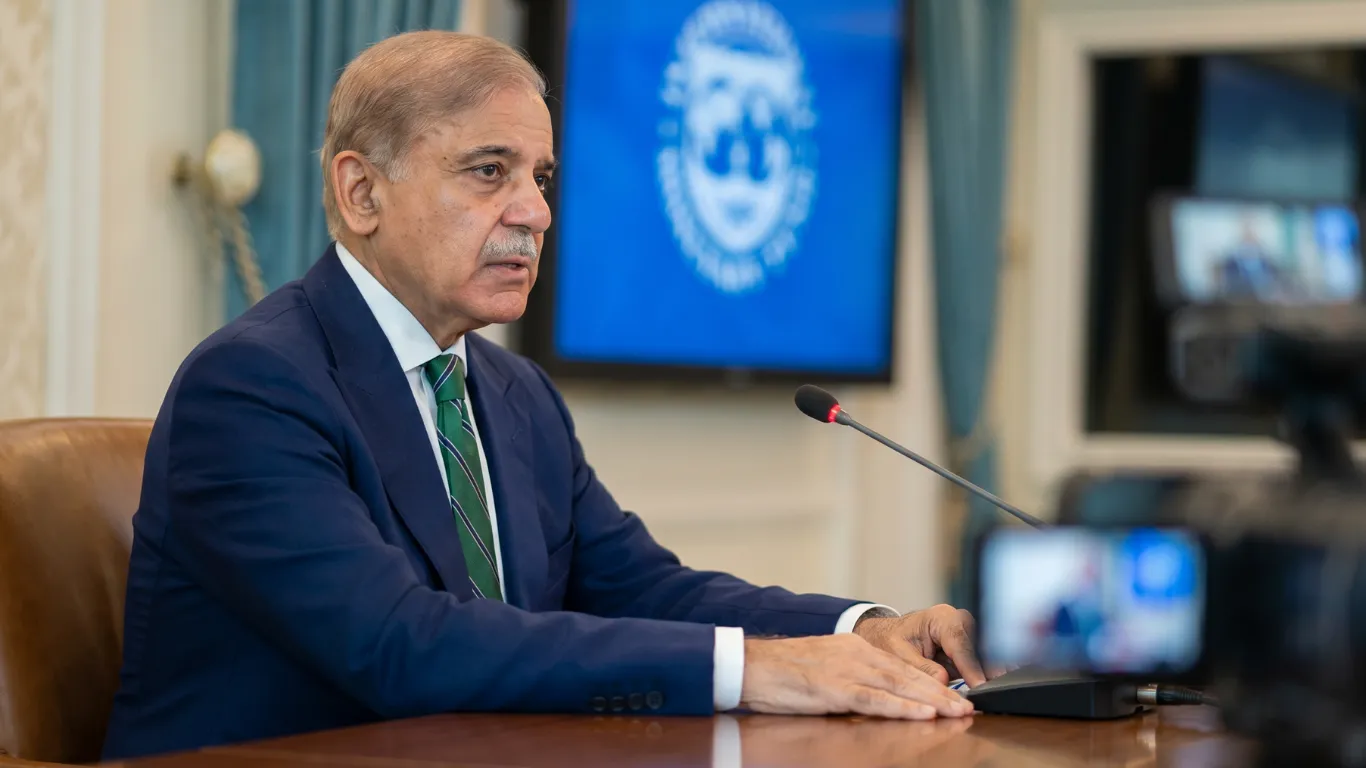
While the full details of Tehran’s response remain confidential, key elements have emerged. According to the proposed plan:
- Stage One: Focus on ending hostilities and ensuring maritime security in the Gulf and the Strait of Hormuz.
- Core Negotiations: Discussions regarding the Strait of Hormuz, the nuclear programme, and the lifting of sanctions.
An official Iranian source described Tehran’s response as “realistic and positive,” though the immediate pushback from Washington suggests a significant gap remains between the two sides.

Why the Strait of Hormuz Matters Directly to Pakistan
This is not just a distant geopolitical story. The extended blockade of the Strait of Hormuz is having a critical impact on the world economy, especially in Pakistan. Fuel prices have reached record highs, and electricity generation has become increasingly expensive.
Pakistan imports a massive share of its energy through Gulf shipping lanes. To combat surging temperatures and energy shortages, Islamabad recently issued its third tender in two weeks to buy LNG cargoes from the spot market. For ordinary citizens, a stabilized region means lower electricity bills and more affordable transport.
What Pakistan Stands to Gain — and Risk
Pakistan has emerged as an unlikely but indispensable neutral facilitator in the negotiations, hosting high-level talks in Islamabad and shuttling proposals between the two sides. Pakistan achieved something many diplomats from wealthy democracies and leading global organizations had failed at for nearly five decades: producing direct talks between Washington and Tehran. A successful mediation would significantly raise Islamabad’s diplomatic standing on the world stage, especially as the country seeks to attract foreign investment.
However, the stakes are high. According to a senior Pakistani government official, Pakistan subsequently intensified diplomatic efforts to bring the US and Iran back to the negotiating table, with Pakistani authorities beginning to refer to the negotiations as part of a broader “Islamabad Process“. For now, Islamabad continues to leverage its favorable position with both the Trump administration and Iranian leadership to seek a breakthrough.
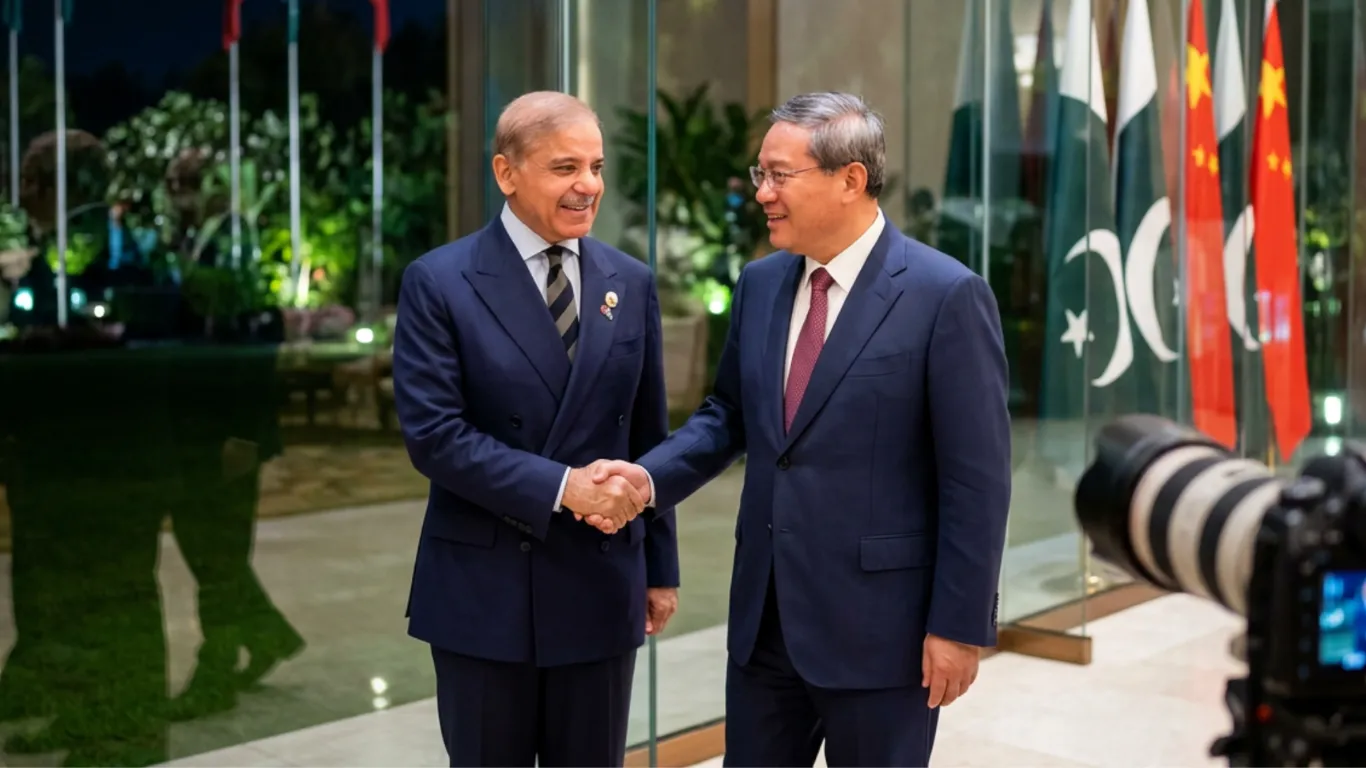
China has also expressed support for Pakistan’s mediation between the United States and Iran, while both sides stressed the need for a durable ceasefire and normal passage through the Strait of Hormuz.
PakTimes will continue to track this developing situation closely. For background on Pakistan’s broader diplomatic push this month, read our report on PM Shehbaz Sharif’s upcoming China visit for CPEC 2.0 talks.