

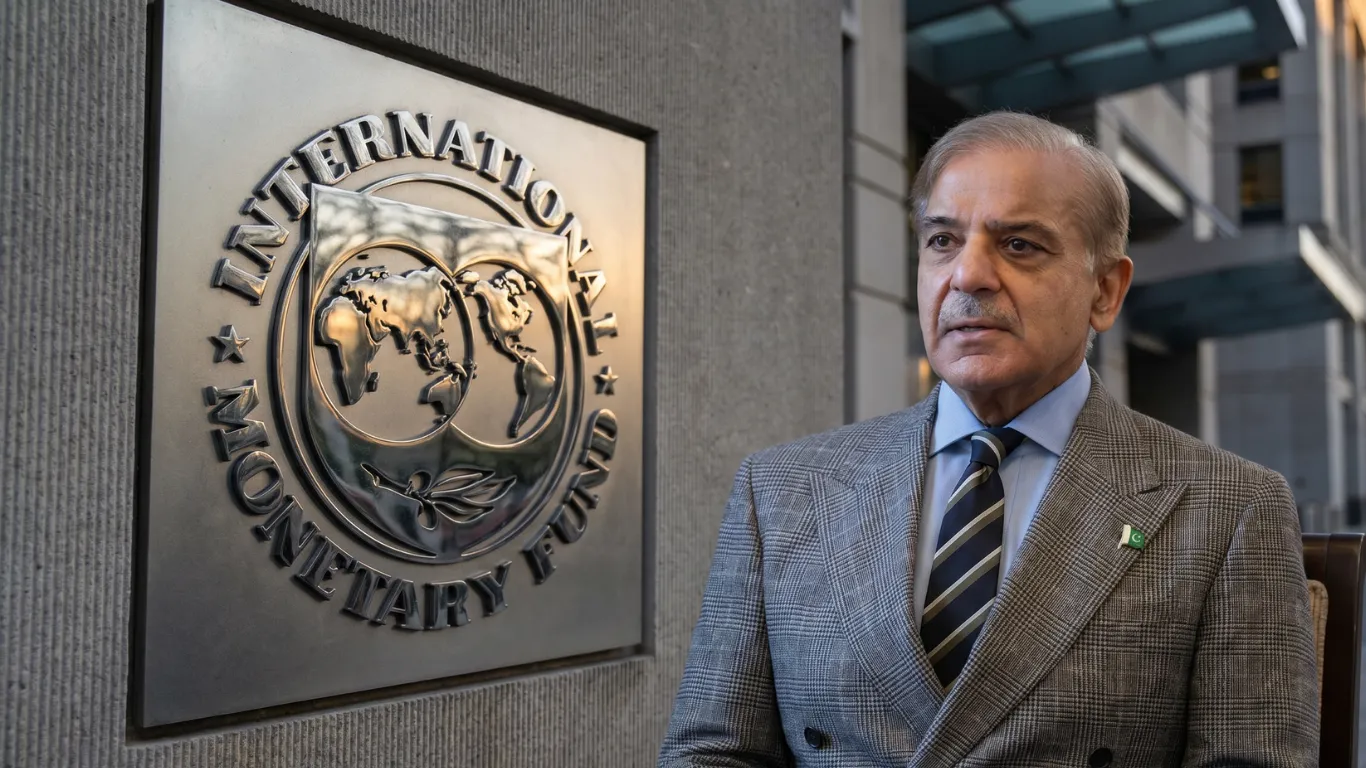

- What the IMF Pakistan $1.32 Billion Package Actually Includes
- How IMF Pakistan $1.32 Billion Strengthened Forex Reserves
- IMF Pakistan Conditions: What the $1.32 Billion Really Costs You
- IMF Mission in Islamabad — Budget Talks Starting Now
- IMF Pakistan 2026: 3 Things to Expect Before the Budget
- IMF Pakistan $1.32 Billion: What Comes After the Budget?
The IMF Pakistan $1.32 billion approval on May 8, 2026 is real news — but the conditions buried inside will directly affect your tax bills, energy costs, and the 2026-27 federal budget arriving in weeks
What the IMF Pakistan $1.32 Billion Package Actually Includes
The IMF Executive Board completed the third review of the Extended Arrangement under the Extended Fund Facility (EFF) and the second review under the Resilience and Sustainability Facility (RSF), allowing Pakistan to draw approximately $1.1 billion and $220 million respectively. This brings total disbursements under both arrangements to about $4.8 billion.
According to the IMF, the government’s strong implementation — despite the ongoing Middle East war — has maintained economic stability and improved financing and external conditions.
How IMF Pakistan $1.32 Billion Strengthened Forex Reserves
Fiscal performance has been strong, with a primary surplus of 1.6% of GDP expected to be achieved in FY26, in line with targets. Gross reserves stood at $16 billion at end-December — up from $14.5 billion at end-June 2025 — and are projected to continue rising. That reserve improvement is real and significant. Pakistan’s forex position a year ago was deeply fragile. It is materially better now.
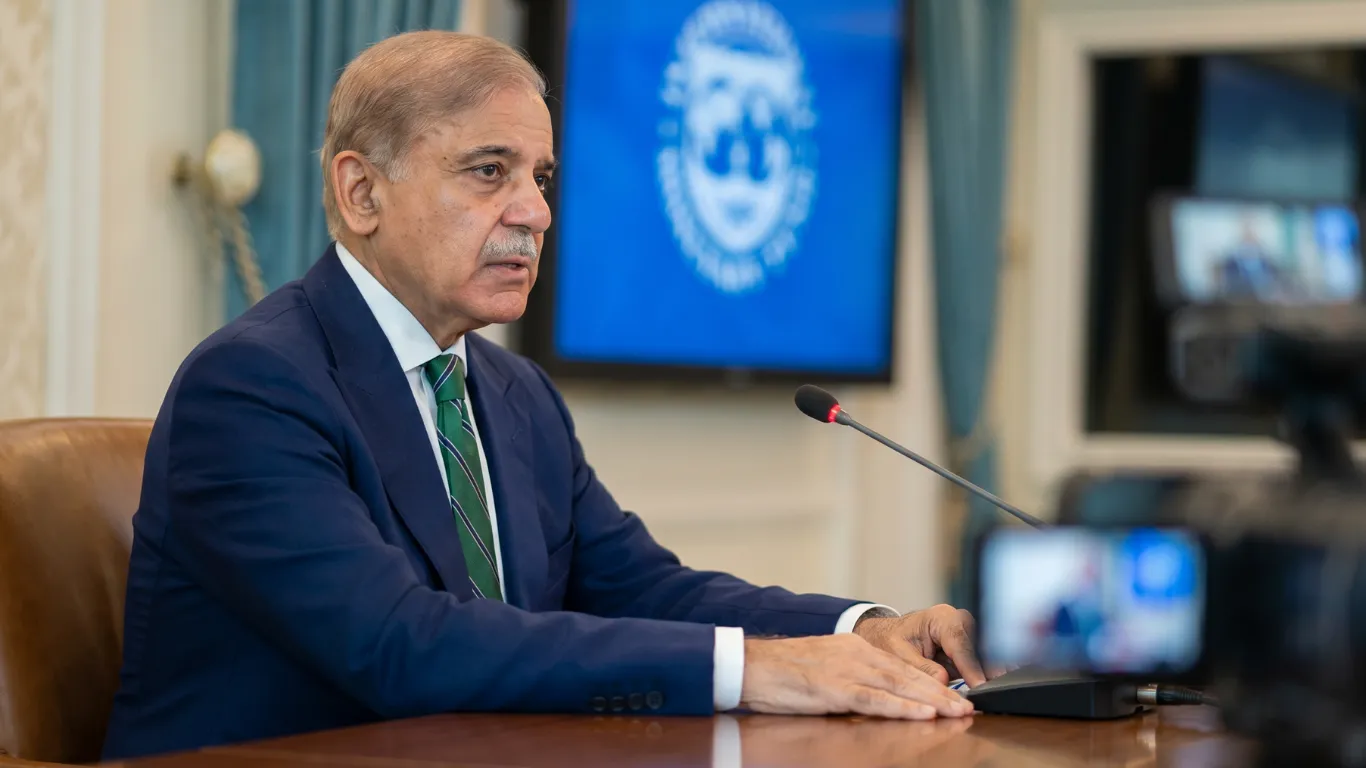
IMF Pakistan Conditions: What the $1.32 Billion Really Costs You
Here is where it gets personal. The IMF has strongly advised against broad fuel and energy subsidies, emphasising the need to improve tax collection, widen the tax base, and maintain timely adjustments in energy prices.
In plain language — electricity bills and fuel prices should not drop before the budget. If the government tries to win votes with subsidies, the IMF will push back hard. For detailed budget context, see Economy.pk’s coverage of Pakistan’s pre-budget IMF talks.

IMF Mission in Islamabad — Budget Talks Starting Now
With IMF talks expected to begin on May 12, 2026 to finalise the framework for the 2026-27 budget, Pakistan’s budget planners have intensified consultations with stakeholders to shape taxation proposals for the upcoming fiscal year. The budget can be presented in the first week of June, according to Finance Ministry officials.
The government has admitted it will miss the annual GDP target this year. Federal Minister for Planning Ahsan Iqbal confirmed the cut in development budget, coupled with international oil prices and inflation, will result in economic slowdown and affect the growth target of 4.2%.
IMF Pakistan 2026: 3 Things to Expect Before the Budget
- Taxes: Expect the FBR to push harder on widening the tax net. Retailers, real estate, and salaried class are all in the crosshairs.
- Energy bills: No subsidy relief before the budget. IMF conditions make pre-election giveaways expensive.
- GDP growth: The IMF projects real GDP growth of 3.6% for Pakistan in 2026 — below the government’s own 4.2% target.
The $1.32 billion is real money that shores up reserves and signals Pakistan can meet its commitments. But the 2026-27 budget will be the real test — and the IMF will be sitting in the room when it is written. For how currency markets are responding, read our report on the dollar rate in Pakistan today and what the stable rupee means for May 2026.
IMF Pakistan $1.32 Billion: What Comes After the Budget?
Pakistan’s 37-month EFF programme, approved in September 2024, is designed to stabilize the economy, strengthen financial resilience, and support long-term sustainable growth through structural reforms. With the programme ending in early 2027, the IMF has made clear that long-term stability will depend on Islamabad’s commitment to reforms in taxation, energy pricing, and governance.
Under the IMF framework, Pakistan is required to implement key structural reforms, including broadening the tax base, improving fiscal discipline, and advancing the privatisation of state-owned enterprises. The $1.32 billion buys time — but the clock is ticking.


Pingback: Dollar Rate in Pakistan Today: USD to PKR Rate — May 15, 2026