

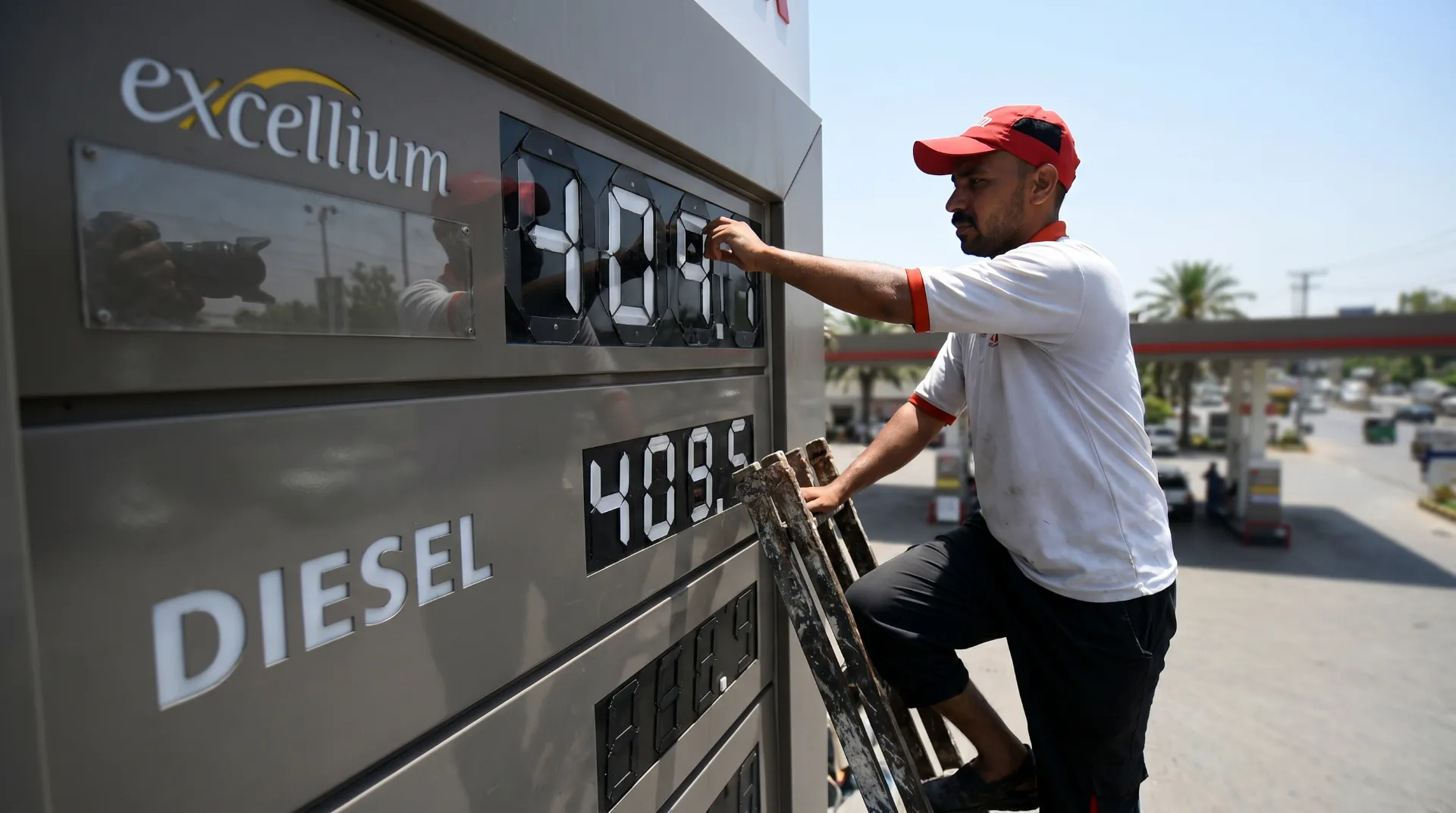

The government has officially reduced the price of petrol and high-speed diesel by Rs5 per litre each, effective today, May 16, 2026. Petrol now stands at Rs409.78 per litre and High-Speed Diesel at Rs409.58 per litre.
It is a small cut — but for millions of Pakistanis riding motorcycles, running small businesses, and paying ride-hailing fares every single day, every rupee counts.
Quick Answer: New petrol price in Pakistan from May 16, 2026 = Rs409.78/litre. New HSD price = Rs409.58/litre. Both cut by Rs5 from previous rate.

What Changed Today — The Official Numbers
According to a notification issued by the Ministry of Energy (Petroleum Division), confirmed by ARY News, Brecorder, and The Express Tribune:
| Fuel Type | Old Price (Rs/litre) | New Price (Rs/litre) | Change |
|---|---|---|---|
| Petrol (Motor Spirit) | Rs414.78 | Rs409.78 | ▼ Rs5.00 |
| High-Speed Diesel (HSD) | Rs414.58 | Rs409.58 | ▼ Rs5.00 |
| Kerosene Oil | TBC | TBC | — |
| Light Diesel Oil | TBC | TBC | — |
According to Dawn, the revised prices took effect from midnight on May 16 and remain applicable for the next one week — meaning another review is possible as early as May 23, 2026.
According to Pakistan Observer, the Petroleum Division confirmed the price cut was calculated under the fortnightly fuel price review mechanism which factors in international crude benchmarks and exchange rate movements.

Why Pakistan Raised Prices Last Week — Then Cut Them Today
This cut does not exist in isolation. You need the full context to understand what is actually happening.
According to The Express Tribune, this marks the first reduction in fuel prices in recent weeks after a series of hikes directly linked to the Strait of Hormuz crisis.
Here is the timeline:
- March 6, 2026: Government imposed a steep hike of Rs55 per litre on both petrol and diesel following the outbreak of the US-Iran conflict and threats to Gulf shipping routes
- April 2, 2026: Petroleum Minister Ali Pervaiz Malik and Finance Minister Muhammad Aurangzeb announced an unprecedented increase of 43% on petrol and 55% on HSD, as reported by Daily Pakistan
- Last week: Prices hit Rs414.78 (petrol) and Rs414.58 (HSD)
- Today, May 16: Rs5 reduction brings prices to Rs409.78 and Rs409.58
According to Arab News Pakistan, global oil markets have remained unsettled since the outbreak of war between the United States and Iran, with Brent crude currently above $108 per barrel amid concerns over possible disruptions to Gulf shipping lanes.

The OGRA Warning — Prices Could Rise Again Fast
Here is what most news headlines are not telling you today.
According to Pakistan Observer’s detailed fuel report, the Oil and Gas Regulatory Authority (OGRA) has submitted a recommendation to Prime Minister Shehbaz Sharif proposing an increase of Rs71.40 per litre on petrol and Rs56.46 per litre on diesel.
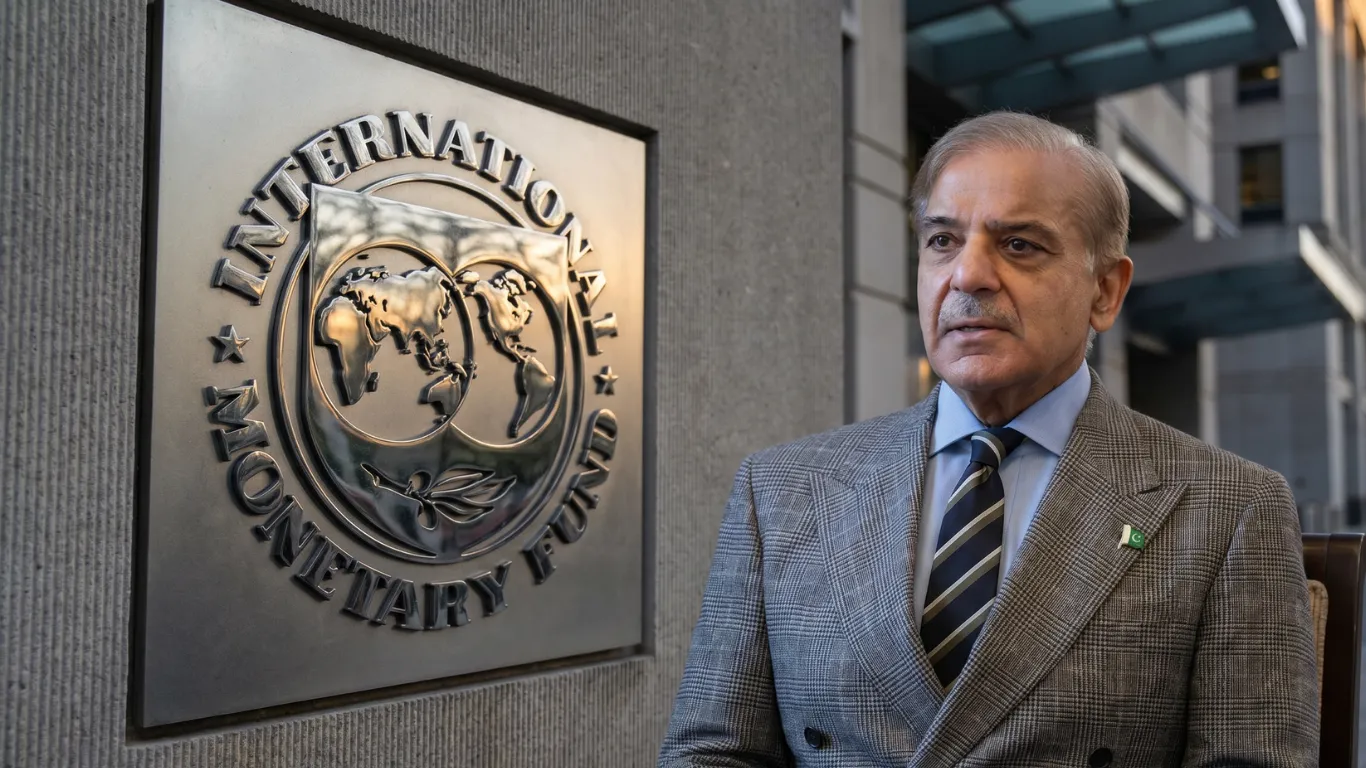
The government ignored OGRA’s recommendation this cycle. But here is the problem — the IMF has pressed Pakistan to pass on global fuel price fluctuations directly to consumers, especially after the $1.32 billion tranche was released. Whether the government can continue shielding consumers from full market rates under IMF scrutiny during the upcoming budget season is the real question no one in government is answering directly.
According to Times of Karachi, the petrol and diesel price reductions have been welcomed by transport and business associations — but industry leaders have cautioned that prices remain historically elevated compared to pre-crisis benchmarks.
What Today’s Cut Actually Means for Different Pakistanis
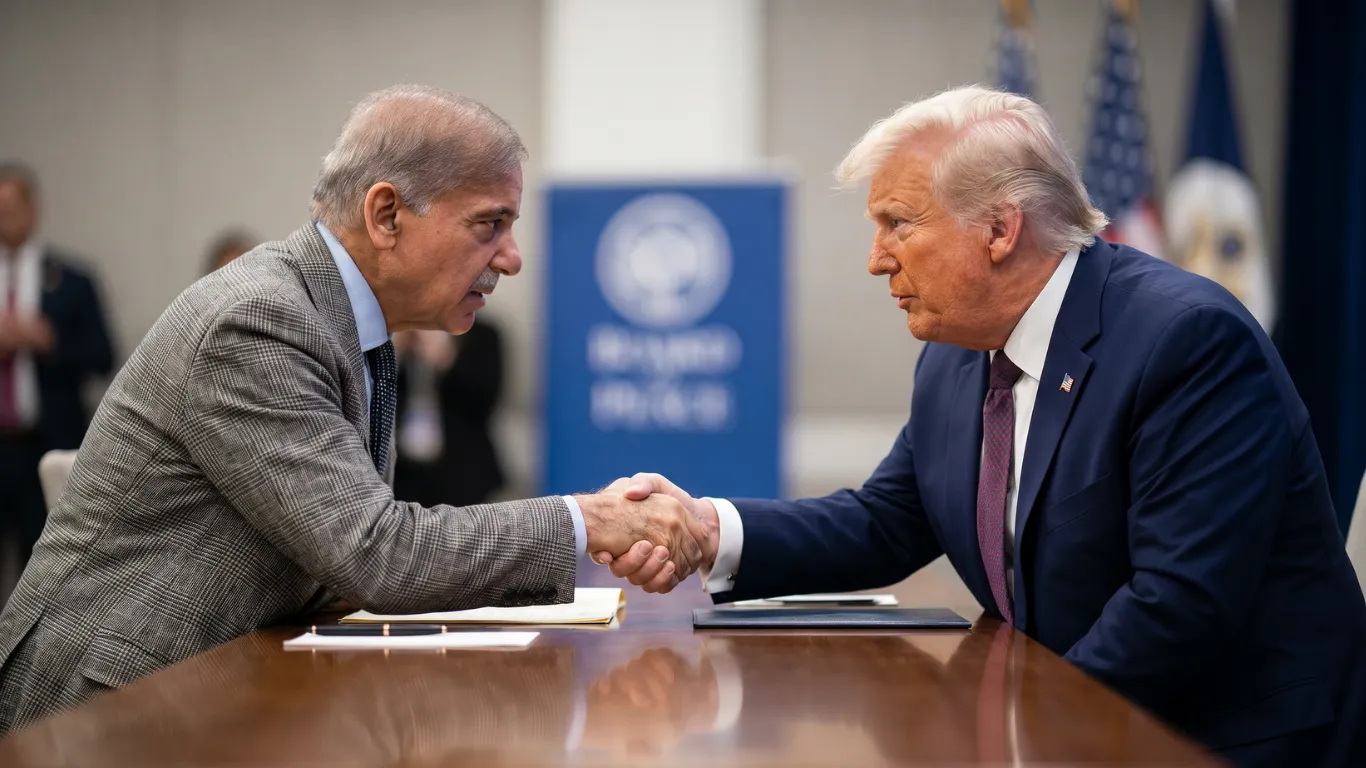
Pakistan has one of the world’s largest motorcycle user bases, as noted by Profit Pakistan Today, making petrol prices one of the most politically and economically sensitive policy decisions a government can make. Even a Rs5 movement directly affects millions of households.
Here is the practical breakdown for each group:
- Motorcycle Riders
A standard Pakistani motorcycle tank holds 12–15 litres. Rs5 cut = Rs60–Rs75 saved per full fill. Over a month with 4 fill-ups, that is Rs240–Rs300 back in pocket. - Car Owners
Full tank of 35–45 litres. Rs5 cut = Rs175–Rs225 saved per fill. Over a month, roughly Rs500–Rs700 in savings. Noticeable for middle-income families already stretched by electricity bills. - Transporters and Truck Operators
Diesel-powered heavy vehicles consume 300–500 litres per long-distance run. Rs5 cut on HSD = Rs1,500–Rs2,500 saved per trip. - Ride-Hailing Users (Uber, InDrive, Careem)
According to Profit Pakistan Today, ride-hailing services, delivery networks, and urban mobility systems are heavily dependent on petrol. A cut of this size typically flows through to slightly lower fares or surge reduction within 48–72 hours of the new price taking effect.
Farmers (Punjab and Sindh)
Diesel powers irrigation pumps across agricultural Pakistan. Even a Rs5 cut before the wheat harvest cycle reduces input costs for farmers already dealing with fertilizer price spikes. Any reduction in irrigation cost has downstream impact on food prices — though that transmission takes weeks to reach urban consumers.
One Honest Warning Before You Celebrate
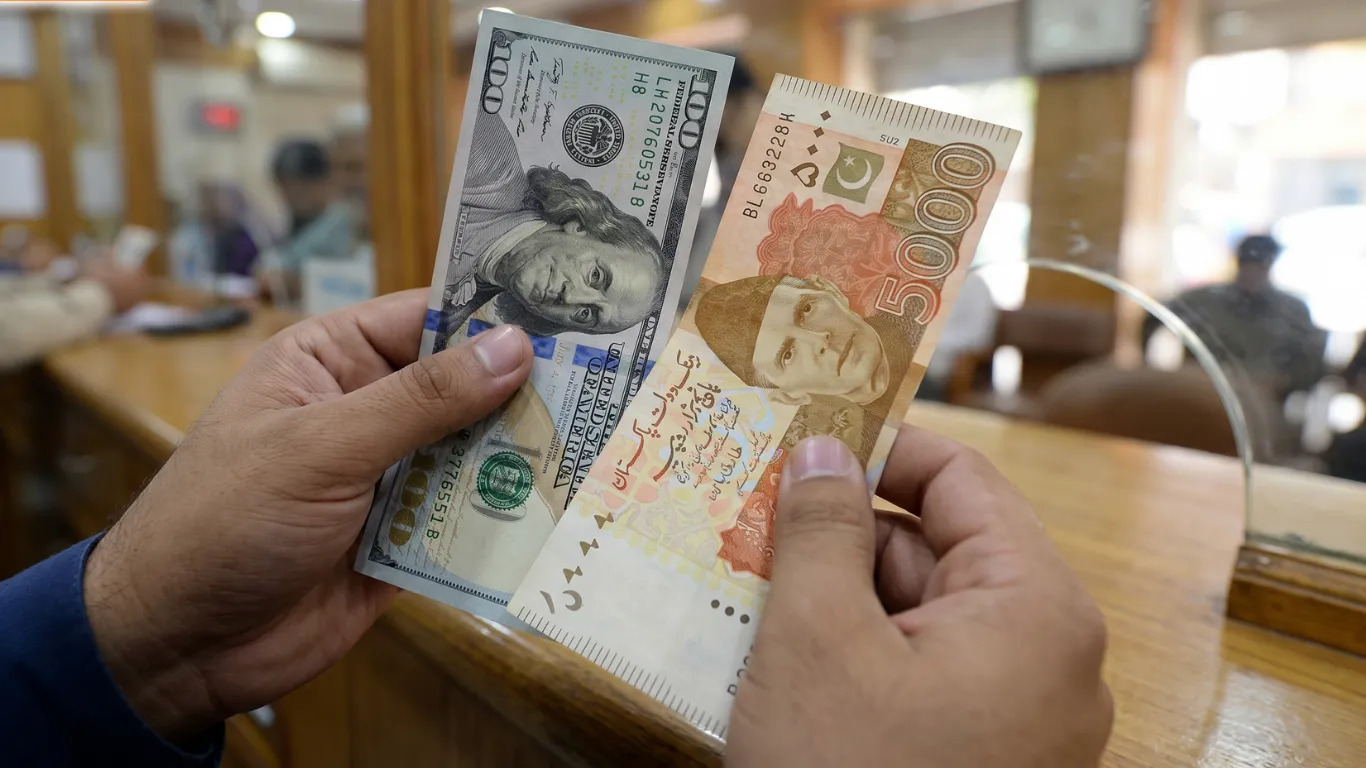
According to Brecorder and Dawn, despite the Rs5 per litre cut, petroleum prices in Pakistan remain historically elevated, continuing to burden middle and lower-income households already coping with high electricity tariffs and rising food costs.
The arithmetic is blunt: A Rs55 hike followed by a Rs5 cut means prices are still Rs50 higher than they were before the Hormuz crisis began. Today’s announcement is the beginning of normalization — not the end of the crisis.
The real test comes at the next review on May 23, 2026. If global oil prices ease further, another cut is possible. If the IMF budget talks intensify pressure to remove fuel subsidies, the OGRA-recommended Rs71 hike could return to the table. Watch that date.
24PakTimes will update this page immediately if the government announces any sudden changes to fuel prices before the next scheduled review.

Pingback: Shocking Drone Strikes UAE Barakah Nuclear Plant — Pakistan Impact