
Disclaimer: This article is for informational purposes only and does not constitute medical advice. Always consult a qualified healthcare professional before making decisions about your health or medication.
The common assumption — that stopping Ozempic or Wegovy inevitably sends your weight surging back — turns out to be more complicated than the headlines suggested. Research published in late May 2026 found that stopping Ozempic does not always lead to major weight regain, and that a significant number of patients maintained meaningful weight loss even after discontinuing the medication.
ScienceDaily’s health and medicine section and SciTechDaily’s health coverage have both highlighted the study as one of the more significant updates to the GLP-1 drug literature this year — particularly because it challenges the framing that these medications create permanent metabolic dependency.

What the Study Found
The research examined a large group of patients who discontinued GLP-1 receptor agonist medications after achieving significant weight loss. The results were more varied than the standard narrative suggested.
While some weight regain was observed in most patients, a significant portion maintained a meaningful percentage of their weight loss after stopping the medication. Three factors predicted better long-term outcomes:
Duration of treatment: Patients who took the medication for longer periods before stopping had better long-term weight maintenance.
Lifestyle changes adopted during treatment: Those who built genuine exercise and dietary habits while on the medication retained more of their results after stopping.
Individual metabolism: Some patients appeared to maintain a new weight set point after discontinuation — suggesting the medication helped establish a metabolic change that partially persisted.
The research suggests GLP-1 drugs can serve as a tool to establish new metabolic patterns, not simply a chemical that maintains weight only while present in the body.

What Are GLP-1 Drugs Like Ozempic and Wegovy?
For Pakistani readers less familiar with these medications, a simple explanation:
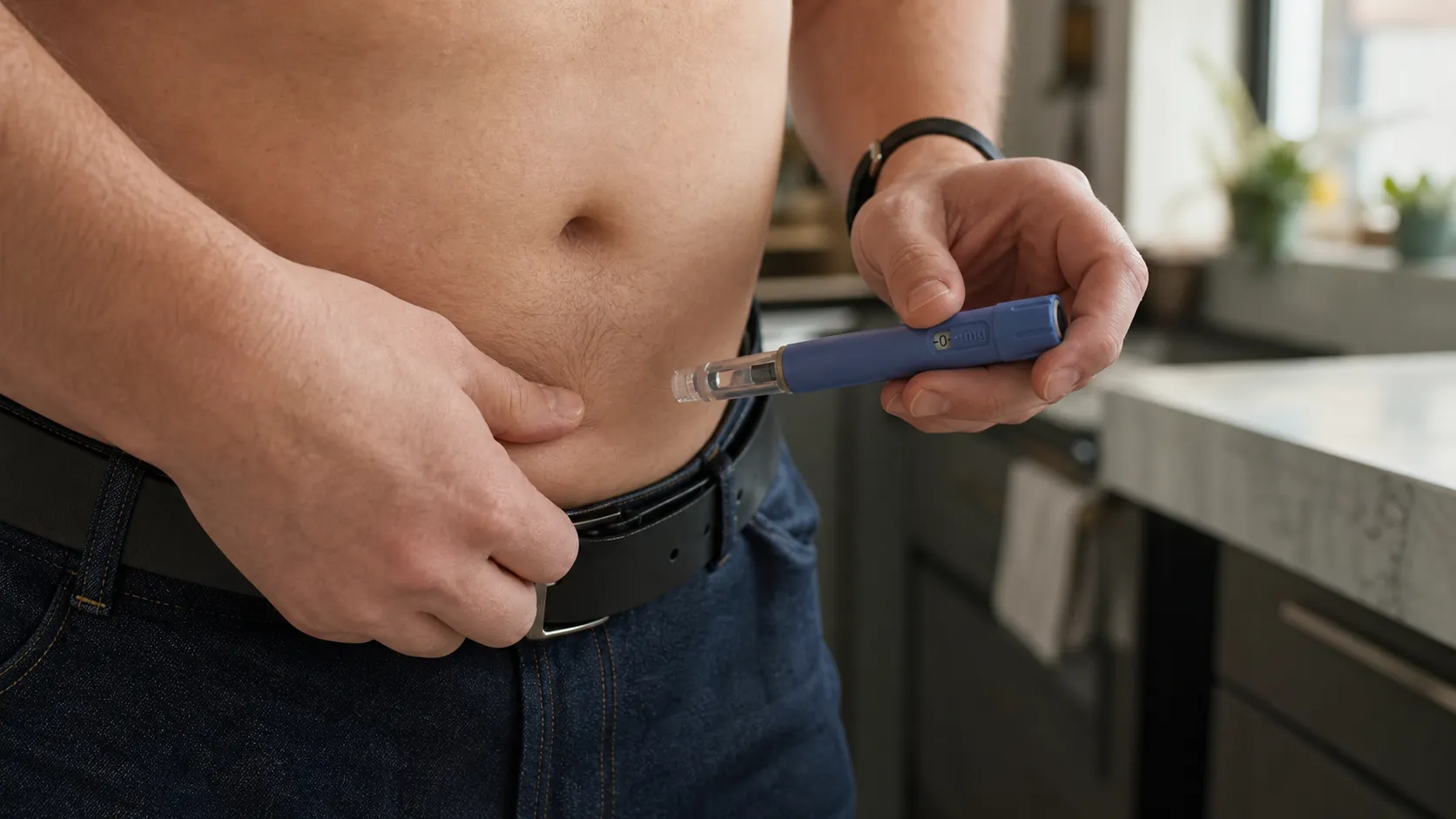
GLP-1 receptor agonists are a class of drugs originally developed for Type 2 diabetes. They work by mimicking a natural hormone that reduces appetite, slows stomach emptying, and improves insulin sensitivity.
Ozempic is the brand name for semaglutide — the most widely known GLP-1 drug globally. Wegovy is the same active ingredient at a higher dose, approved specifically for weight management.
A new social dimension has also emerged from research. ScienceDaily’s health coverage noted that people who lose weight using GLP-1 medications may face different psychological and social challenges compared to those who lose weight through diet and exercise alone — a nuance worth understanding before starting treatment.

Is Ozempic Available in Pakistan?
Yes — but with important caveats every Pakistani reader should know.
Cost: Ozempic in Pakistan costs approximately Rs25,000 to Rs45,000 per month depending on dosage. This makes it inaccessible for most families without insurance coverage.
Prescription required: It is a prescription-only medication and must be taken under the supervision of an endocrinologist or qualified physician. Taking it without medical guidance risks serious side effects including severe nausea, pancreatitis, and thyroid complications.
Counterfeit risk: Due to high demand, counterfeit semaglutide has appeared in Pakistani markets. Always purchase from licensed pharmacies and verify authenticity with a healthcare provider.
Not a standalone solution: GLP-1 drugs work best when combined with dietary changes, regular exercise, and behavioral support. They are not a replacement for a healthy lifestyle.

The Obesity Crisis in Pakistan
Pakistan is facing a growing obesity epidemic that makes this research directly relevant. Nearly 30% of Pakistani adults are overweight or obese. Type 2 diabetes affects over 33 million Pakistanis — one of the highest rates in the world. Urban areas including Karachi, Lahore, and Islamabad have higher obesity rates driven by sedentary lifestyles and processed food consumption.
This connects directly to the health challenges covered in our Pakistan Child Health Crisis 2026 WHO UNICEF research piece — where poor nutrition, both over and under, runs as a thread through Pakistan’s public health challenges.
Pakistani endocrinologists consistently emphasize a holistic approach:
- Diet modification — reducing sugar, refined carbohydrates, and fried foods common in Pakistani cuisine
- Regular exercise — at least 150 minutes of moderate activity per week
- Medical intervention — GLP-1 drugs only when lifestyle changes alone are insufficient, and always under medical supervision
- Mental health support — emotional eating and stress-related weight gain require psychological support alongside medical treatment

What Happens Next
Further studies are expected to identify the optimal duration of GLP-1 treatment and which patients are most likely to maintain weight loss after discontinuation. Pharmaceutical companies are also developing next-generation weight loss drugs that may offer longer-lasting metabolic effects.
The key takeaway for Pakistani patients currently on Ozempic or considering it: stopping the medication does not necessarily mean losing all progress. But the strongest outcomes come from combining medication with lasting lifestyle changes that can sustain results independently.
24PakTimes will continue covering health and medical research that matters for Pakistani families.