

A tentative agreement has been reached for a 60-day memorandum of understanding to extend the ceasefire and continue negotiations with Iran over its nuclear program — but it is pending President Trump’s approval.
According to CBS News’ live updates, the US Iran deal, if signed, would formally extend the April 8 truce and set the Strait of Hormuz on a path toward reopening.
However, according to ABC7 News’ live tracker, both Trump and Iran’s Supreme Leader Mojtaba Khamenei have not yet given their final approval — meaning there is no deal at this point. Both Trump and Iranian leadership have rejected deals in the late stages of negotiations before.
Pakistan’s continued role as the key mediator between Washington and Tehran makes this story directly relevant to every Pakistani citizen.
What the US Iran Deal Contains
According to CNN’s May 28 live coverage, the tentative agreement could extend the ceasefire and set the Strait of Hormuz on a path toward reopening. But any deal would need to meet Trump’s demands that Iran turn over its highly enriched uranium and commit not to pursue a nuclear weapon, in addition to allowing free navigation through the strait.
US Treasury Secretary Scott Bessent confirmed the key conditions at a White House briefing on Thursday:
“It is a multifaceted agreement and nothing is going to be on the table until we see the Strait of Hormuz open and the Iranians agree that they have to turn over the highly enriched uranium, and that they can’t have a nuclear program.”
Bessent also downplayed suggestions that the US could lift sanctions on Iran as part of an eventual deal, telling reporters that “I would think things would go very slowly in terms of that.”
Why Trump Has Not Signed Yet
Vice President JD Vance told reporters it is “still TBD” whether Trump will approve the US Iran deal. The President has repeatedly insisted that any agreement must meet strict conditions.
According to CBS News, on Wednesday Trump insisted any deal has to be a good one:
“I think they are starting to give us the things that they have to give us, and if they do, that’s great, and if they won’t, then the man on my left is going to finish them off. Attack them.”
Trump also said “nobody’s going to control” the Strait of Hormuz. “The strait’s going to be open to everybody. It’s international waters.”
The Trump administration has also escalated threats against Oman for reportedly considering a joint toll system with Iran on the strait. Trump said during a Cabinet meeting Wednesday: “Oman will behave just like everybody else or we’ll have to blow them up.”
US Strikes Continue Despite Ceasefire
Even as negotiators work toward the US Iran deal, military operations have not stopped.
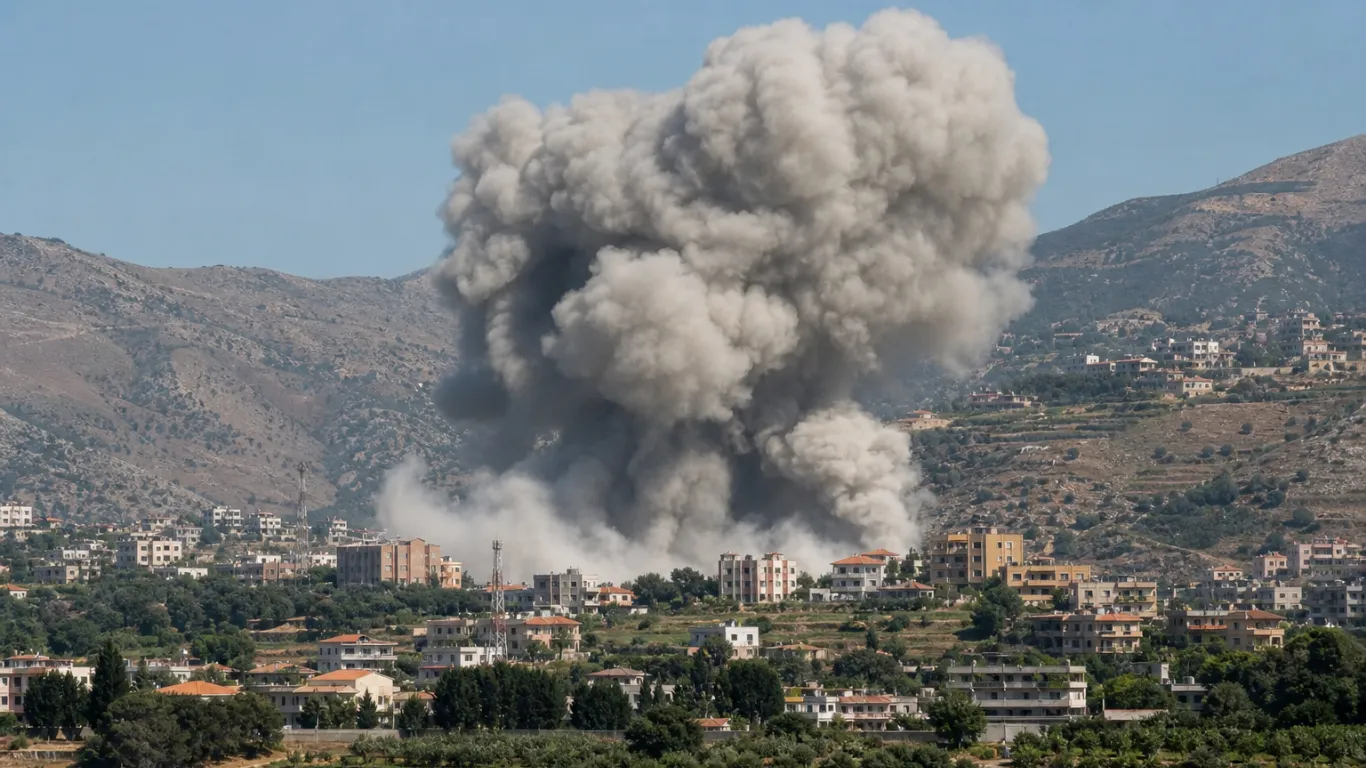
According to ABC7 News, the US carried out new airstrikes in southern Iran targeting a military site believed to pose a threat to US forces and commercial maritime traffic in the Strait of Hormuz. The US military also intercepted and shot down multiple Iranian drones.
According to CNN, US and Iranian forces exchanged fire early Thursday, catapulting tenuous talks into further uncertainty. Hours before Washington said it attacked Iranian drones and a launch site around the crucial Strait of Hormuz, Trump insisted his administration is still “not satisfied” with the terms of the deal.
According to CBS News, the official described the strikes as defensive. The US-Iran ceasefire is still considered to be holding.
Pakistan’s Role as Mediator
Pakistan remains at the center of the US Iran deal negotiations.
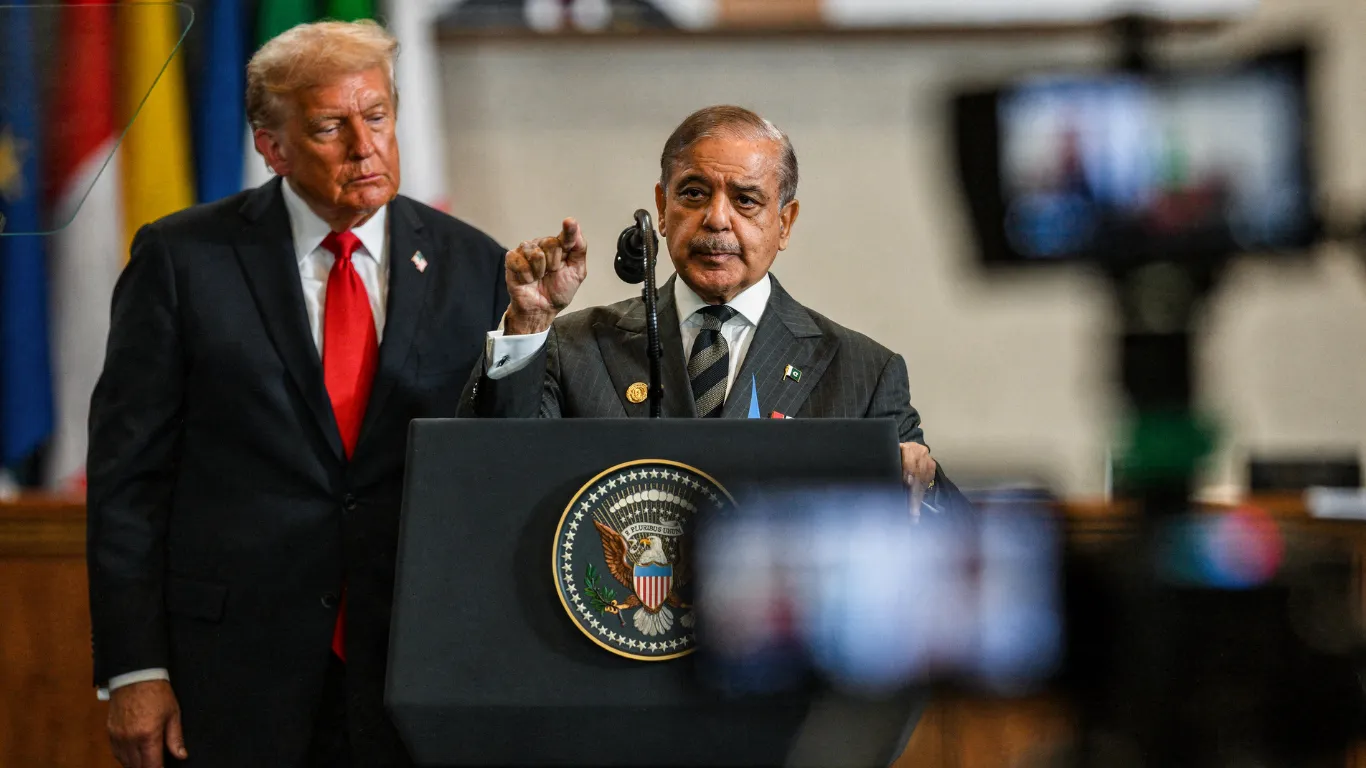
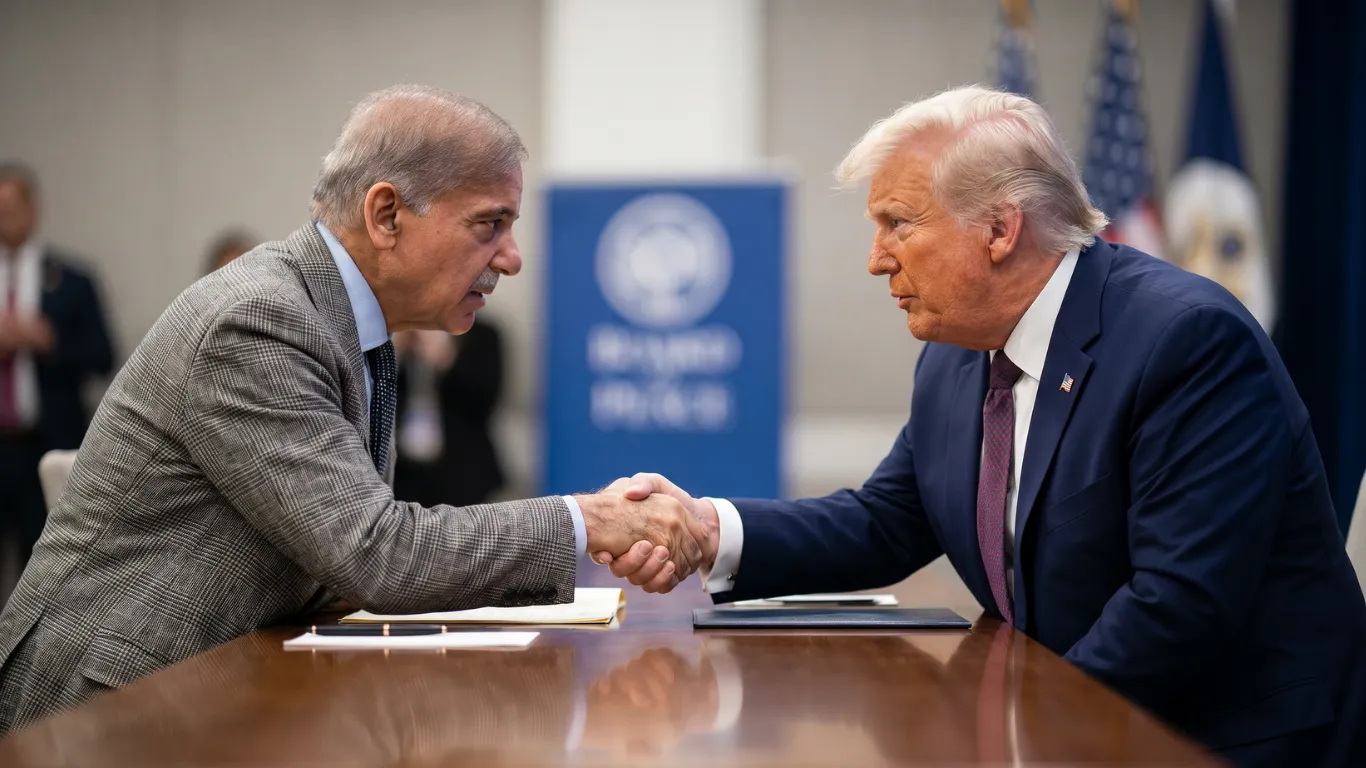
According to Wikipedia’s Iran war ceasefire article, President Donald Trump said that Vance, Witkoff, and former senior presidential adviser Jared Kushner are talking to intermediaries in Pakistan on ending the war.
According to Al Jazeera’s Iran war live blog, Pakistan’s Asim Munir is in Tehran as part of mediation efforts, as the EU moves to sanction Iran over the Hormuz blockade. Pakistani Interior Minister Mohsin Naqvi also visited Iran to discuss Washington’s latest proposal.
For Pakistani families, the Strait of Hormuz crisis directly impacts fuel prices, LNG imports, and energy costs. Pakistan’s third LNG shipment from Qatar successfully crossed the strait earlier this month, but continued instability threatens future energy supplies.
What This Means for Oil Prices and Pakistan’s Economy
According to CNN, oil and gasoline futures dropped as traders bet on a US Iran deal that reopens the Strait of Hormuz. The national average US gas price declined by almost 14 cents since hitting near four-year highs of $4.56 a gallon just last week.
However, the situation remains volatile. Oil and gasoline futures both rebounded on Thursday as new fighting in the Middle East underscores the fragile nature of the ceasefire.
For Pakistan, any deal that reopens the Strait of Hormuz would bring relief to petrol prices, cooking gas costs, and electricity tariffs. But if the US Iran deal collapses, energy costs could surge again, putting further pressure on household budgets across the country.

What Happens Next
According to CBS News, US sources said the tentative agreement would extend the US Iran ceasefire by 60 days and open negotiations on Iran’s nuclear program. Tehran has not yet provided its response to the latest version.
The coming 48 to 72 hours are critical. If both Trump and Iran’s Supreme Leader approve the memorandum of understanding, this would be the most significant diplomatic development since the original ceasefire on April 8.
24PakTimes will continue to track Pakistan’s mediation role and provide updates on the US Iran deal as negotiations develop.

Frequently Asked Questions
Have the US and Iran signed a deal?
Not yet. A tentative 60-day memorandum of understanding has been reached at the negotiator level, but both President Trump and Iran’s Supreme Leader have not yet given their approval. There is no signed deal at this point.
What does the US Iran deal require from Iran?
The deal requires Iran to turn over its highly enriched uranium, commit not to pursue a nuclear weapon, and allow free navigation through the Strait of Hormuz. The US has not offered to lift sanctions as part of the initial agreement.
How does this affect Pakistan?
Pakistan imports a significant portion of its oil and LNG through the Strait of Hormuz. Any deal that reopens the strait would bring relief to petrol prices and energy costs. Pakistan is also the primary mediator between the US and Iran.
Is the US-Iran ceasefire still holding?
The ceasefire from April 8 is technically still in place despite new military exchanges. Both sides describe their recent operations as defensive. The tentative MoU would extend this truce by 60 additional days if approved.