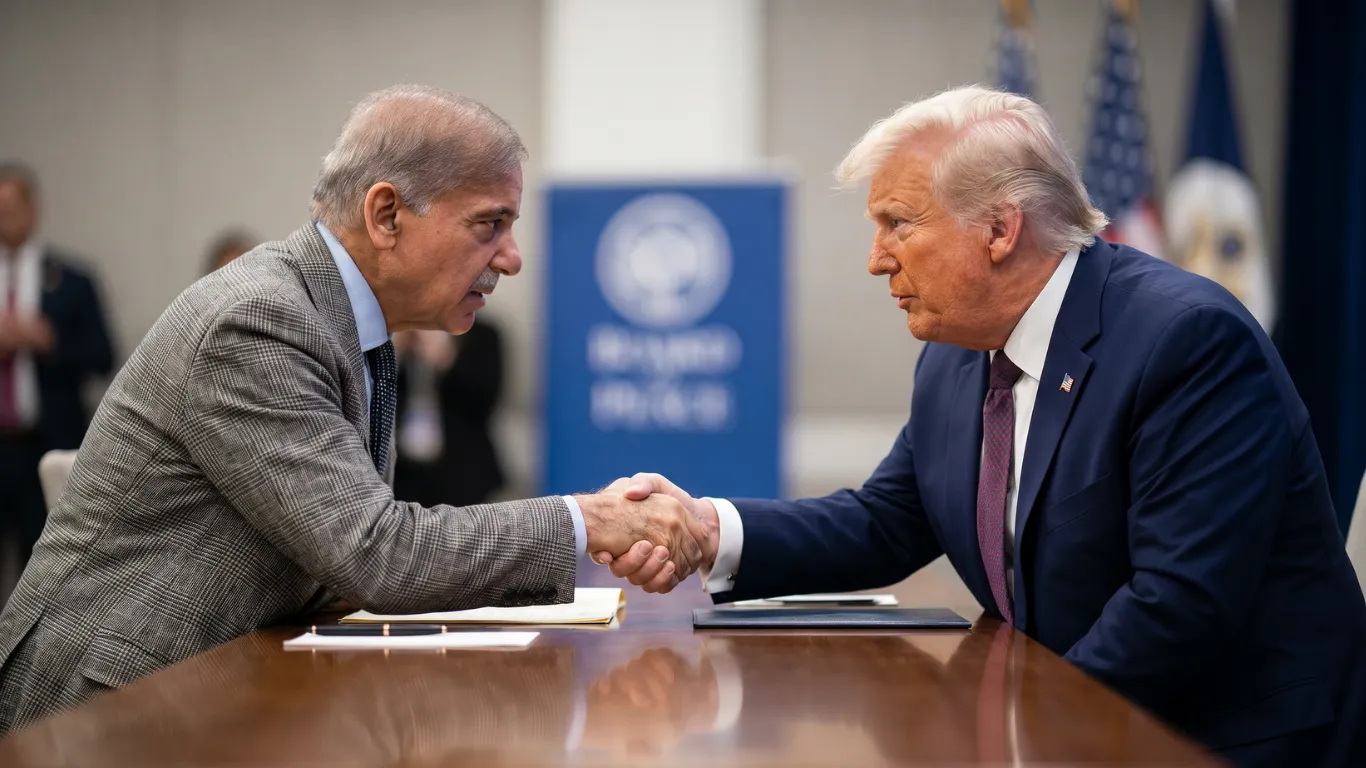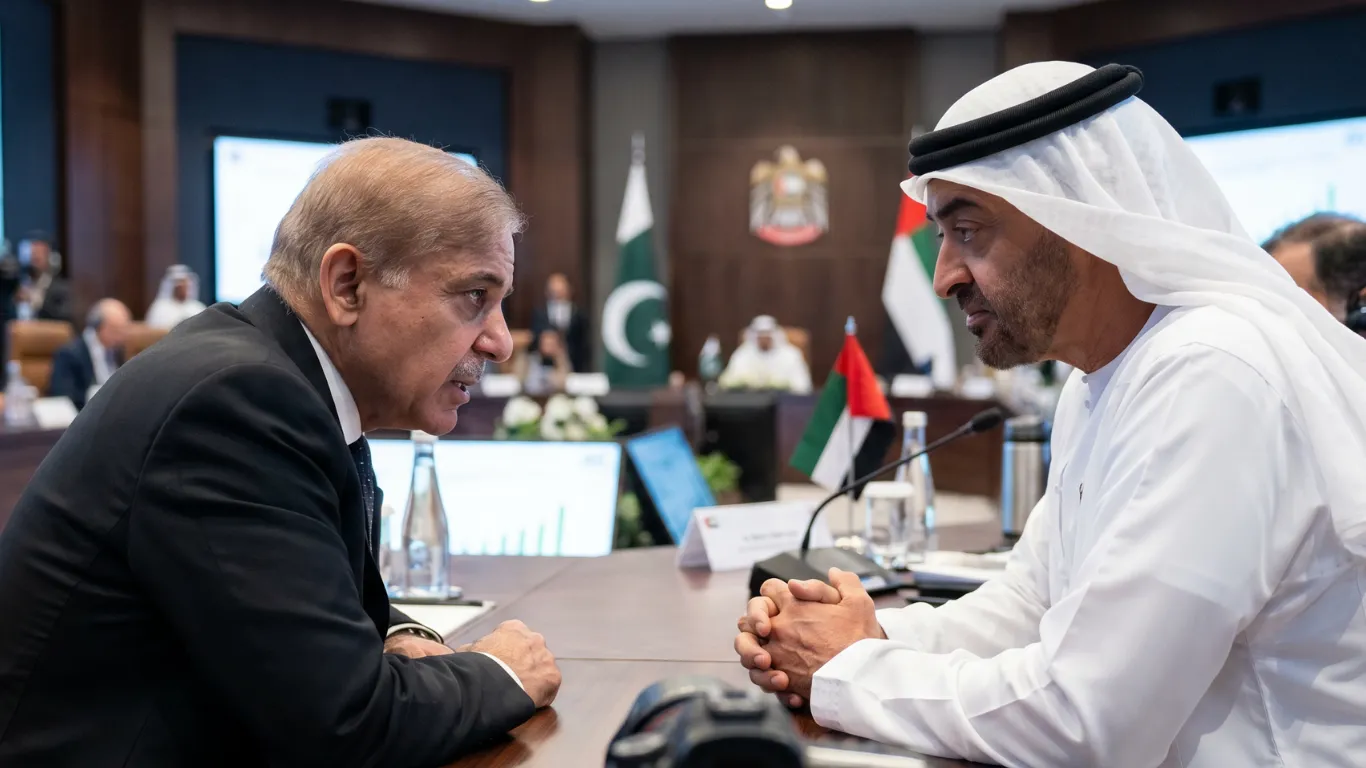

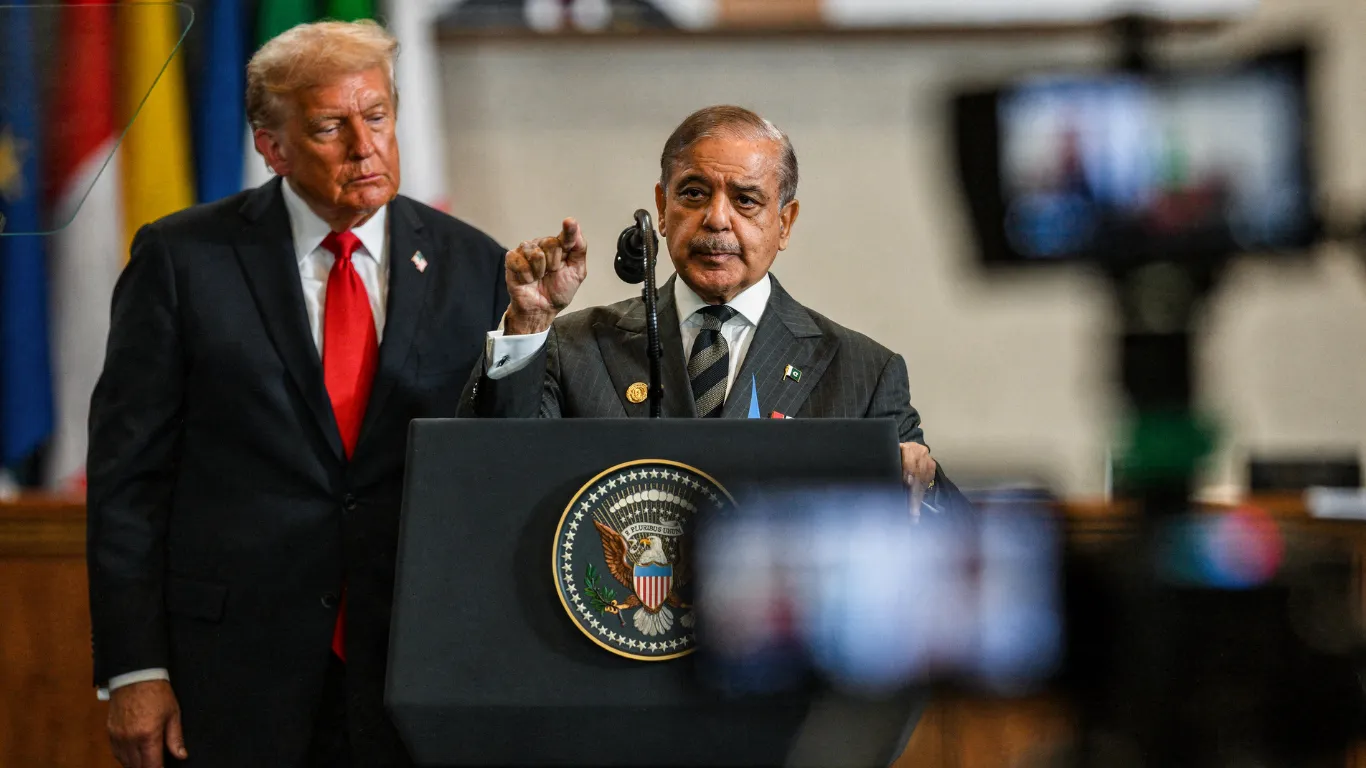

Pakistan mediates US Iran peace talks — and Iran has now officially confirmed it, sending its latest peace response to Washington through Islamabad.
According to Al Jazeera, Iran submitted its response to the latest US proposal to end the war via mediator Pakistan as a fragile truce comes under growing strain. US President Donald Trump has already warned the ceasefire is “on life support.”
This is not background noise. Pakistan mediates US Iran peace talks at the center of what could become the most consequential diplomatic breakthrough or collapse of 2026.
I am Faisal Malik, senior editor at 24PakTimes. I covered Pakistan’s diplomatic moves during the 2008 Afghanistan surge and the 2019 India standoff. But what is happening right now — Pakistan mediates US Iran peace talks as the sole communication channel between Washington and Tehran is unlike anything I have seen in 12 years of covering South Asian geopolitics.
How Pakistan Mediates US Iran Peace Talks — The Official Confirmation
Pakistan did not volunteer for this role. It was pushed into it — and then quietly excelled at it.
According to Al Jazeera, Iranian Ministry of Foreign Affairs spokesman Esmaeil Baghaei told a press briefing that Tehran’s response to the latest US proposal had been:
“Conveyed to the American side through mediator Pakistan.”
The semi-official Tasnim news agency confirmed the statement. This is the first time Iran has publicly named Pakistan as the official communication channel in these peace negotiations.
Pakistan has unique credibility here. It has maintained relations with both Washington and Tehran for decades — never fully joining the Western alliance against Iran, but never openly defying the US either. That careful diplomatic tightrope is now paying off in a way no one predicted.
For broader context on Pakistan’s diplomatic positioning, follow Al Jazeera’s Pakistan coverage and Dawn’s latest news.

What Iran Is Demanding — Why Pakistan Mediates US Iran Peace Talks Are Stalled
The ceasefire talks are stalled — and Iran’s demands make movement extremely difficult.
According to Al Jazeera, Washington and Tehran have exchanged several proposals over recent weeks amid a ceasefire that mostly halted six weeks of fighting. But the talks Pakistan mediates have stalled because Iran’s demands include:
- The release of frozen Iranian assets held in global banking systems
- The lifting of economic sanctions imposed by the United States and European Union
That is a massive ask. Any agreement to release frozen Iranian funds requires US Congressional approval — and right now, Congress is not in the mood for Iranian concessions.
According to Al Jazeera, Trump has said the ceasefire is “on life support” — his clearest public signal yet that a complete collapse of the truce is a real possibility.
According to CNN Pakistan coverage, Gulf state leaders have warned that the Strait of Hormuz crisis is the most dangerous fallout of the US-Iran war — with calls for enhanced collective Gulf security emerging from regional capitals.

What Pakistan Gains and Risks as US Iran Mediator
Let me be direct. Pakistan mediates US Iran peace talks with both enormous opportunity and serious risk on the table simultaneously.
The Opportunity:
- Global credibility — Pakistan gets recognized internationally as a responsible state actor. This helps with IMF negotiations, foreign investment, and bilateral trade deals
- US goodwill — if Pakistan helps broker a deal, Washington owes Islamabad. That means more flexibility on debt rescheduling and economic partnerships
- Gulf relations — Saudi Arabia and UAE, who are watching Iran closely, will increase investment in Pakistan if Islamabad delivers a successful outcome
The Risk:
- If talks collapse and Trump publicly blames Pakistan — there could be serious diplomatic and economic blowback
- Iran hardliners already view Pakistan with suspicion for being too close to America
- Any escalation in the Strait of Hormuz directly hits Pakistan’s oil imports. Pakistan sources a significant share of its oil through that route — meaning a war resumption hits Pakistani fuel prices immediately
What PM Shehbaz Said About Pakistan’s Mediator Role
According to Dawn, Premier Shehbaz stated that Operation Ghazab-lil-Haq is continuing with “full resolve” and paid tribute to the armed forces and Field Marshal Asim Munir. The message is clear — Pakistan is projecting strength externally while managing its own internal security simultaneously.
According to CNN’s Pakistan analysis, Pakistan has become an unlikely but essential bridge between the United States and Iran — and the world is watching every move Islamabad makes right now.
Pakistan has everything to gain from a successful deal. And everything to lose if it fails publicly. That is the position Pakistan’s diplomats are in today.
What Overseas Pakistanis Should Watch Right Now
If you are in the Gulf — especially UAE, Kuwait, or Saudi Arabia — the Strait of Hormuz situation affects your employment stability directly. Any military escalation could disrupt oil production, which impacts your employer and your job security.
If you are in the US or UK — watch how American media covers Pakistan’s mediation role. Coverage in outlets like CNN and Al Jazeera is shifting. Pakistani diplomacy is receiving serious international coverage for the first time in years. That perception shift matters long term for diaspora Pakistanis.
For Pakistan’s economy — a stable ceasefire means oil prices stay manageable. A collapse means fuel prices spike in Pakistan, and that hits everything from petrol to flour prices immediately.
For the latest Pakistan political and economic updates, follow The Express Tribune, Dawn, 24PakTimes and The Nation.