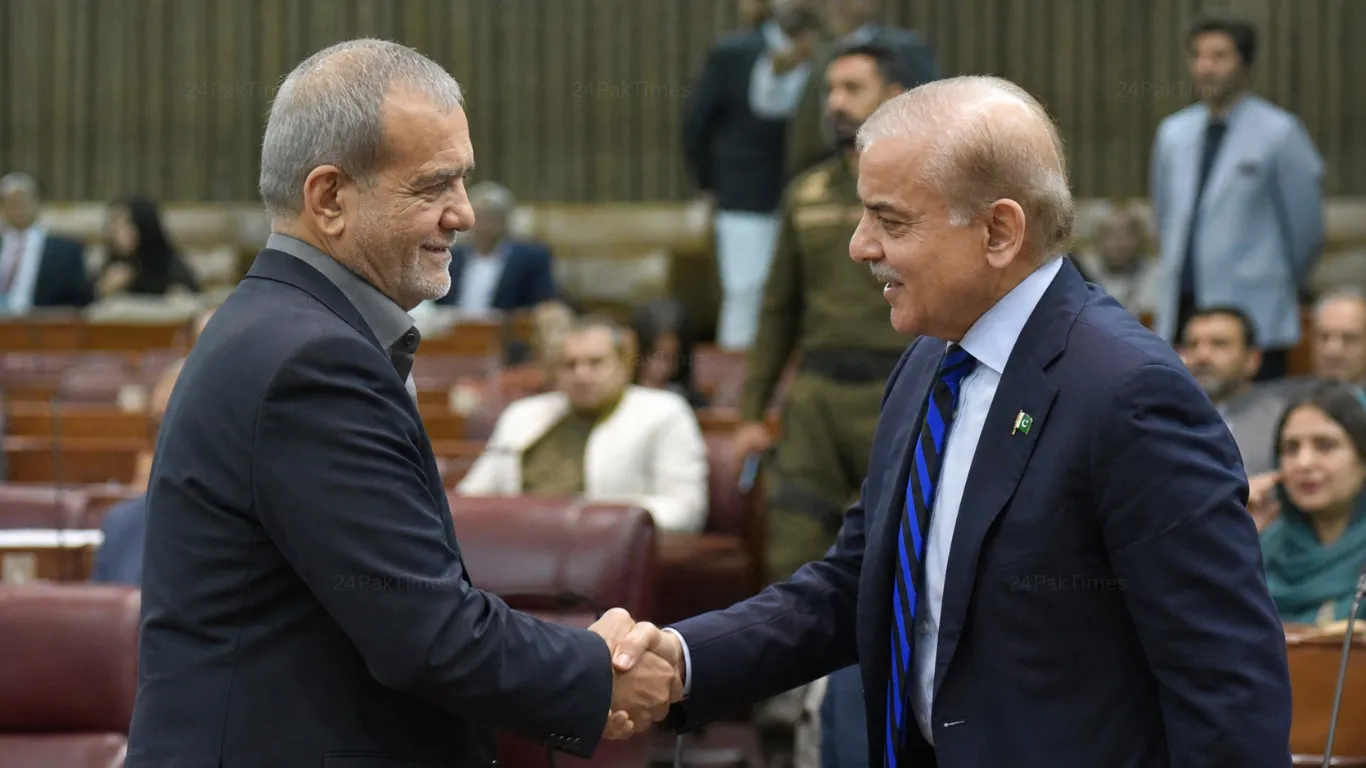

Islamabad MOU 14 points explained
Everyone is talking about the Islamabad MOU. News anchors are debating its 14 points. World leaders are reacting to it. But most Pakistanis — and honestly most people anywhere — have not actually read what the Islamabad MOU 14 points say. And even those who have found the diplomatic language confusing.
Here is every single point of the Islamabad MOU explained in plain language. No jargon. No spin. Just what each of the 14 points actually means — and what it means specifically for Pakistan.
What Is the Islamabad MOU? The One-Paragraph Answer
According to Wikipedia’s Islamabad Memorandum entry, the Islamabad MOU is a 14-point framework agreement providing for: an end to military strikes; the reopening of the Strait of Hormuz to commercial shipping toll-free for 60 days; an end to the US naval blockade of Iranian ports; and a 60-day window to negotiate a permanent final deal. According to CNN’s official text release, the document is formally titled “The Islamabad Memorandum of Understanding between the United States of America and the Islamic Republic of Iran.”
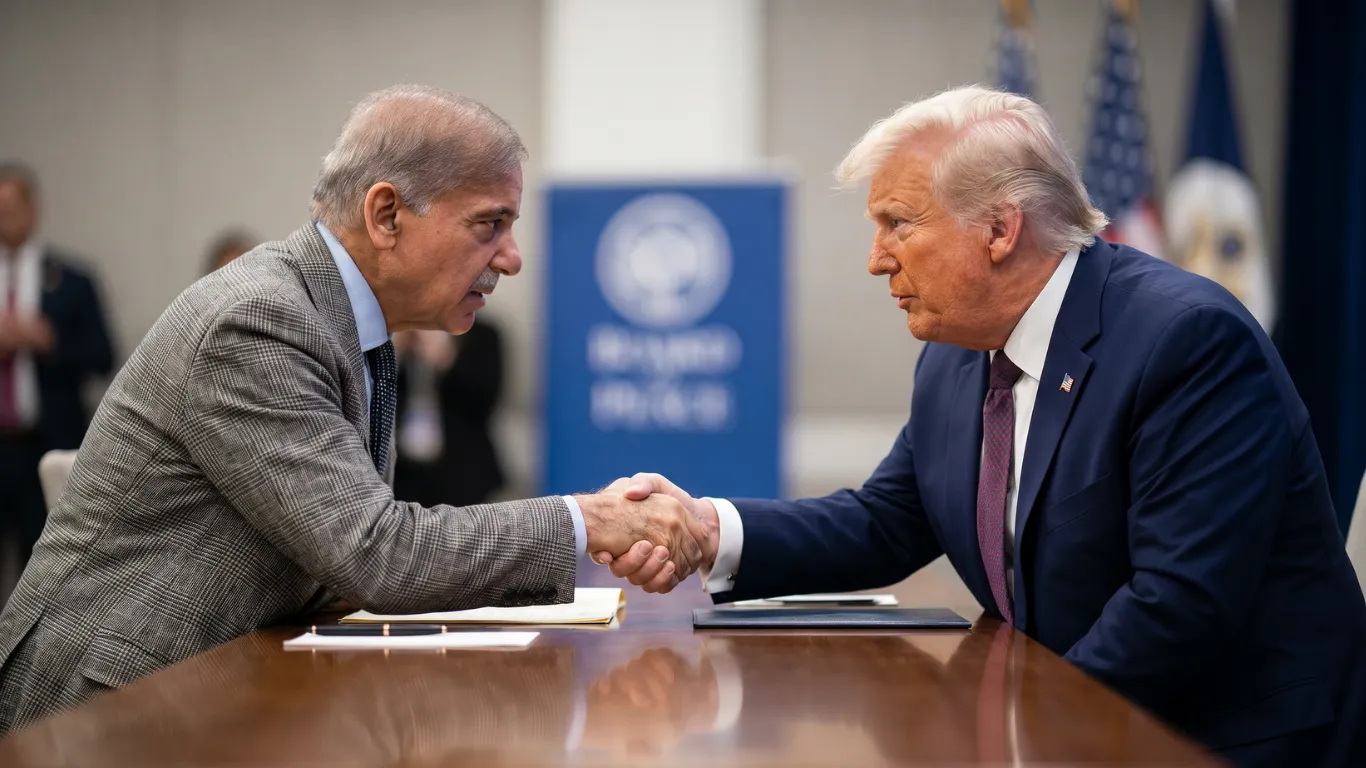
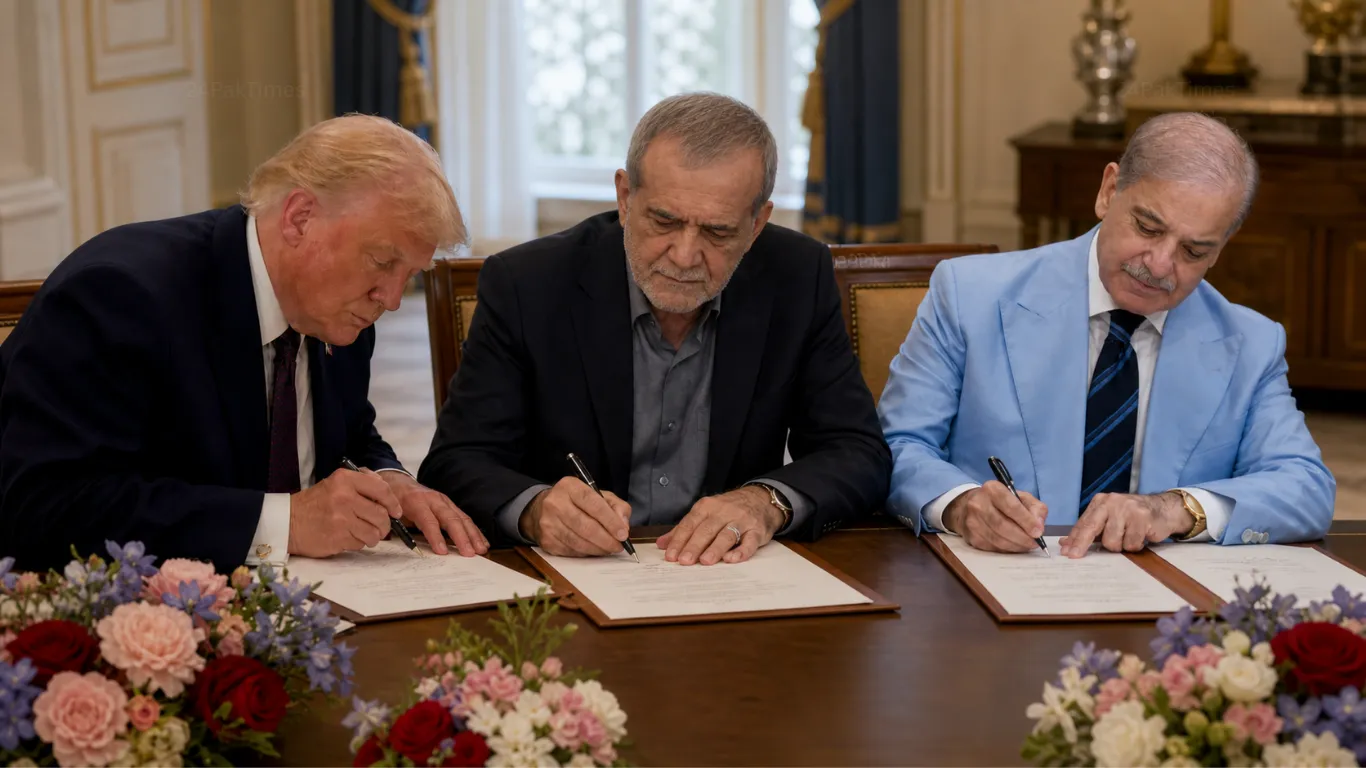
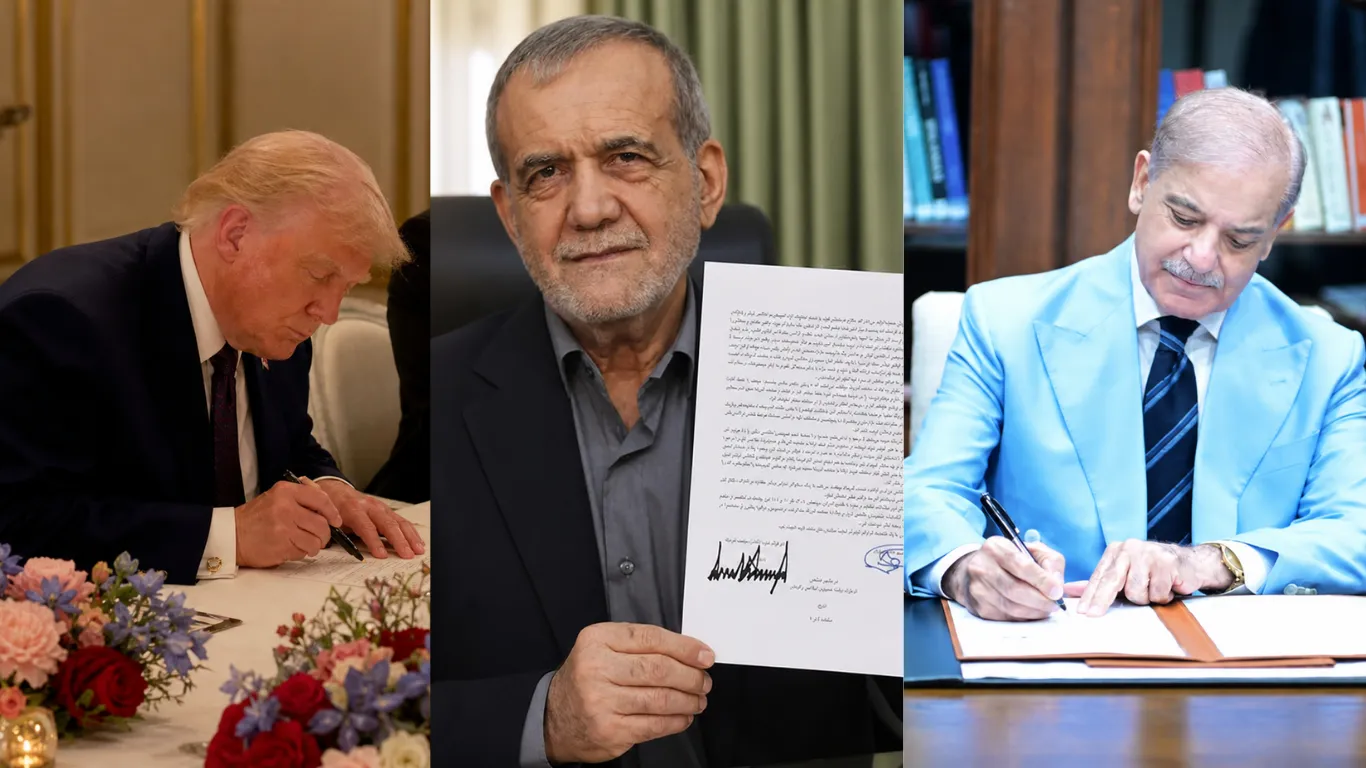
On June 17, 2026, President Trump signed it during dinner at the Palace of Versailles with French President Macron following the G7 summit. Iranian President Pezeshkian signed it in Tehran. And according to the Express Tribune, PM Shehbaz Sharif signed as mediator — permanently attaching Pakistan’s name to this historic document.
All 14 Points of the Islamabad MOU — In Plain English
Point 1 — Stop the War. Everywhere. Now.
According to the Euronews full text, both sides declared “the immediate and permanent termination of military operations on all fronts, including in Lebanon.”
In plain words: The war stops immediately. All of it. Including the Lebanon front. No new strikes by either side.
Point 2 — Respect Each Other’s Borders
Both the US and Iran commit to respecting each other’s sovereignty and territorial integrity and to refraining from interfering in each other’s internal affairs.
In plain words: No regime change talk. No proxy interference. Each country stays out of the other’s business.
Point 3 — Iran’s Nuclear Programme: Freeze Now, Negotiate Later
According to Military Times’ official text, Iran will maintain the current status quo of its nuclear programme. The US will not impose any new sanctions and will not deploy additional forces in the region pending the final deal.
In plain words: Iran doesn’t expand its nuclear programme. The US doesn’t escalate militarily or financially. Both sides freeze in place and negotiate.
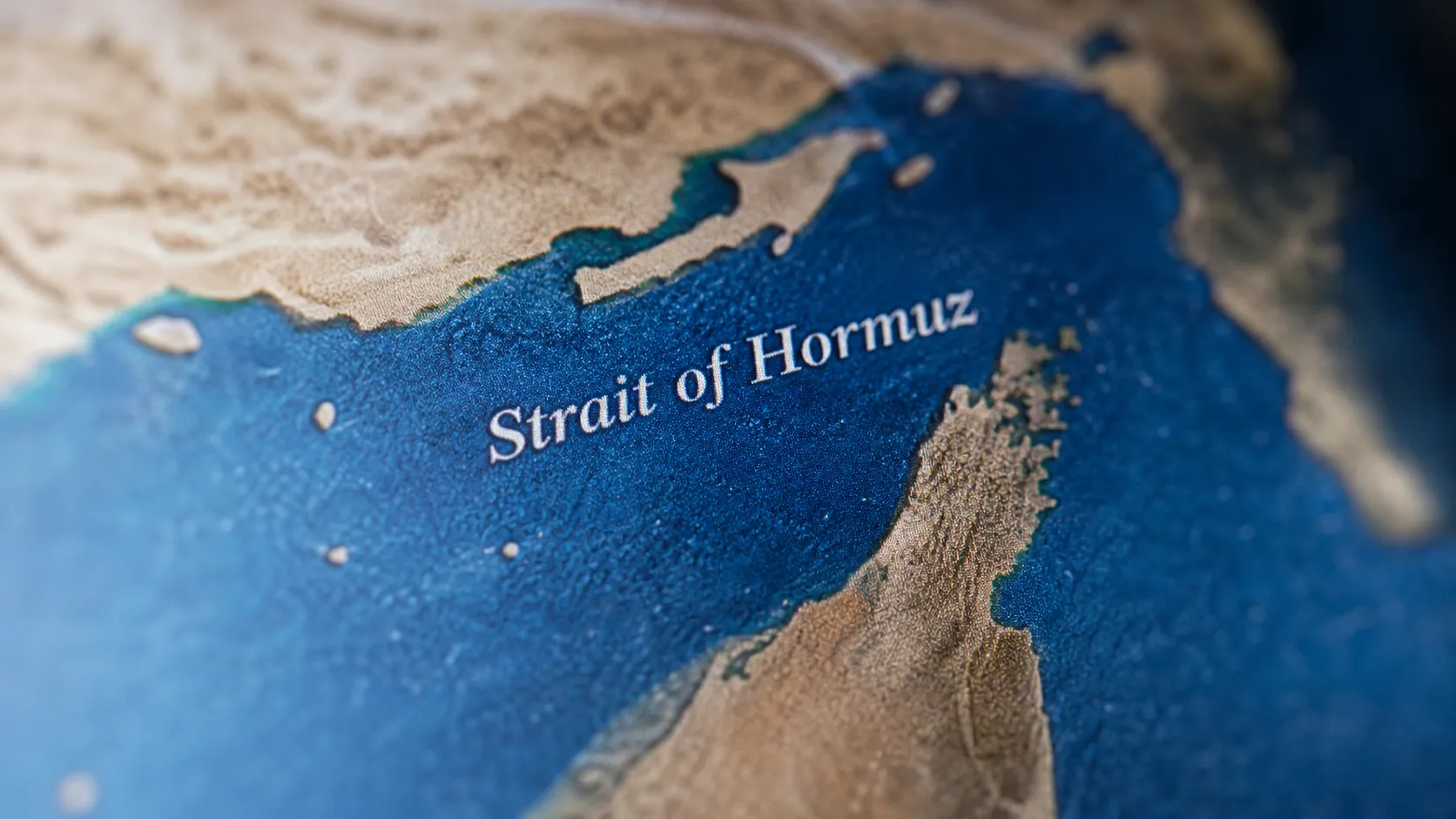
Point 4 — Open the Strait of Hormuz
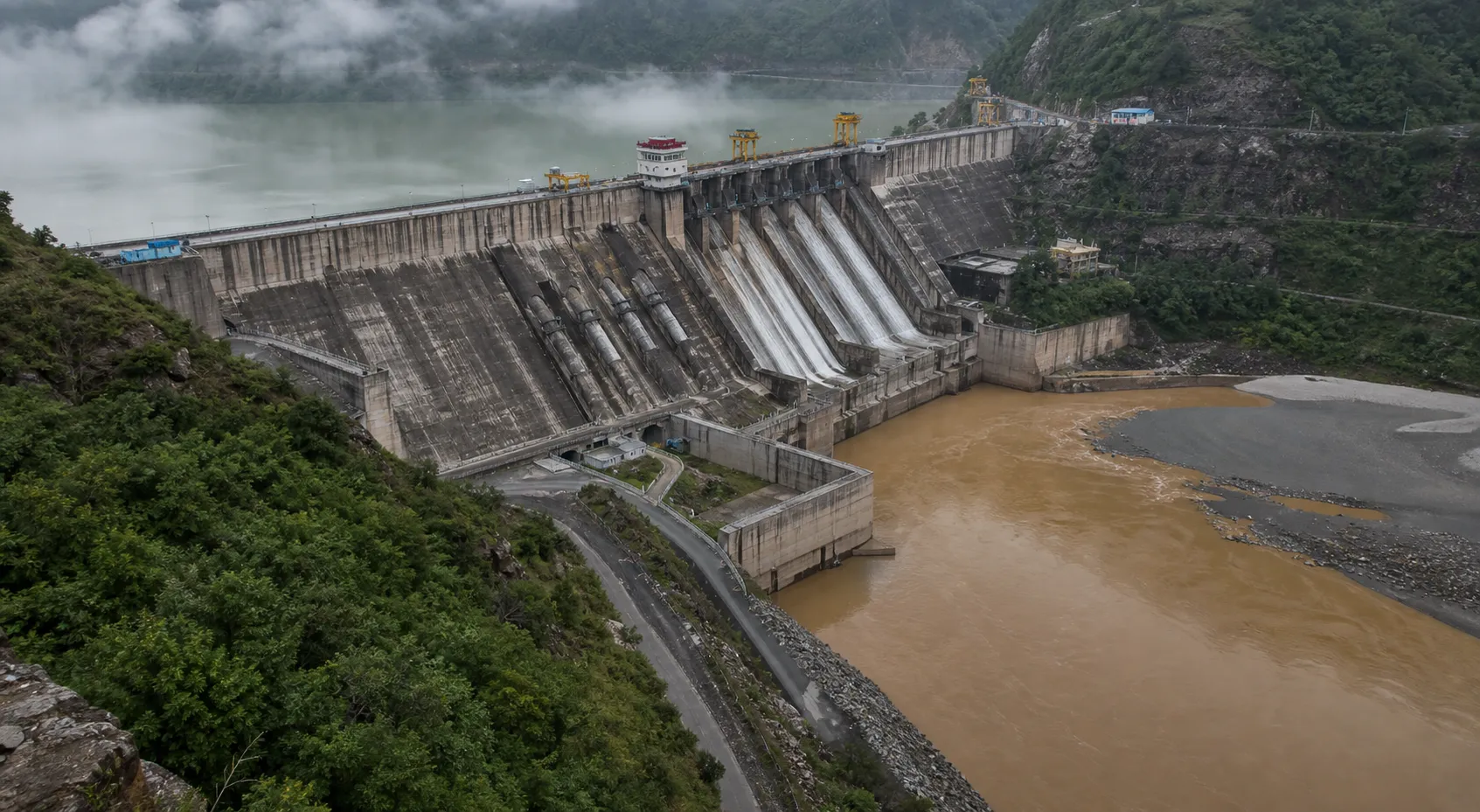
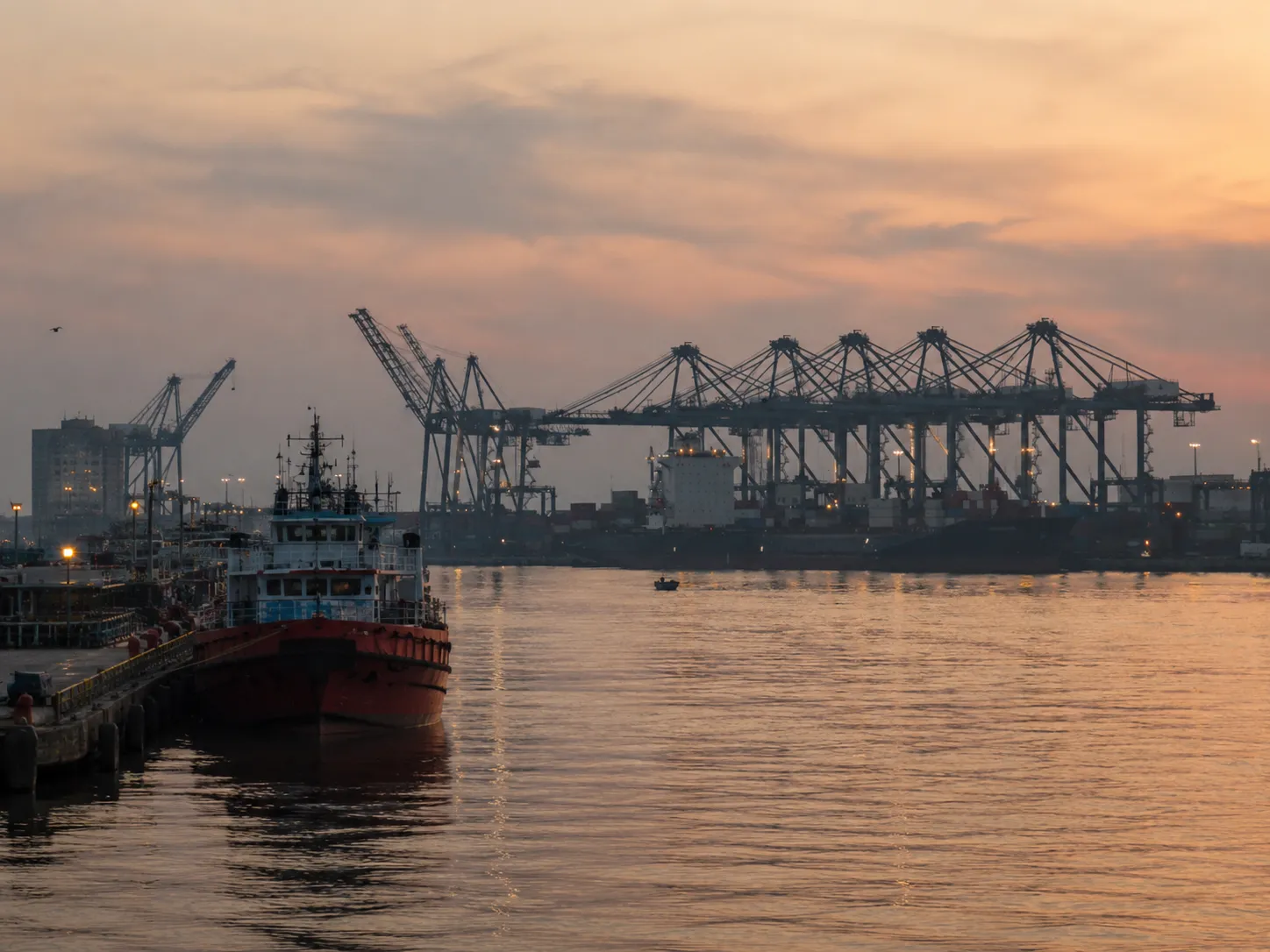
According to the CBS News text, upon signing, Iran will arrange safe passage of commercial vessels toll-free for 60 days from the Persian Gulf to the Sea of Oman and back. Full traffic will be fully restored within 30 days after clearing technical and military obstacles, including demining.
In plain words: Ships can move through the Strait immediately. Free for 60 days. Fully clear within 30 days. This directly benefits Pakistan’s oil imports.
Point 5 — Lift the US Naval Blockade
The US will begin removing its naval blockade immediately and will fully end it within 30 days. US forces will withdraw from the proximity of Iran within 30 days of the final deal.
In plain words: American warships pull back from around Iran. The blockade ends in 30 days.
Point 6 — Iran Can Sell Oil Again Immediately
According to Trading Key’s full deal analysis, the US Department of the Treasury will issue waivers for Iranian crude oil, petrochemicals, and derivatives exports immediately after signing.
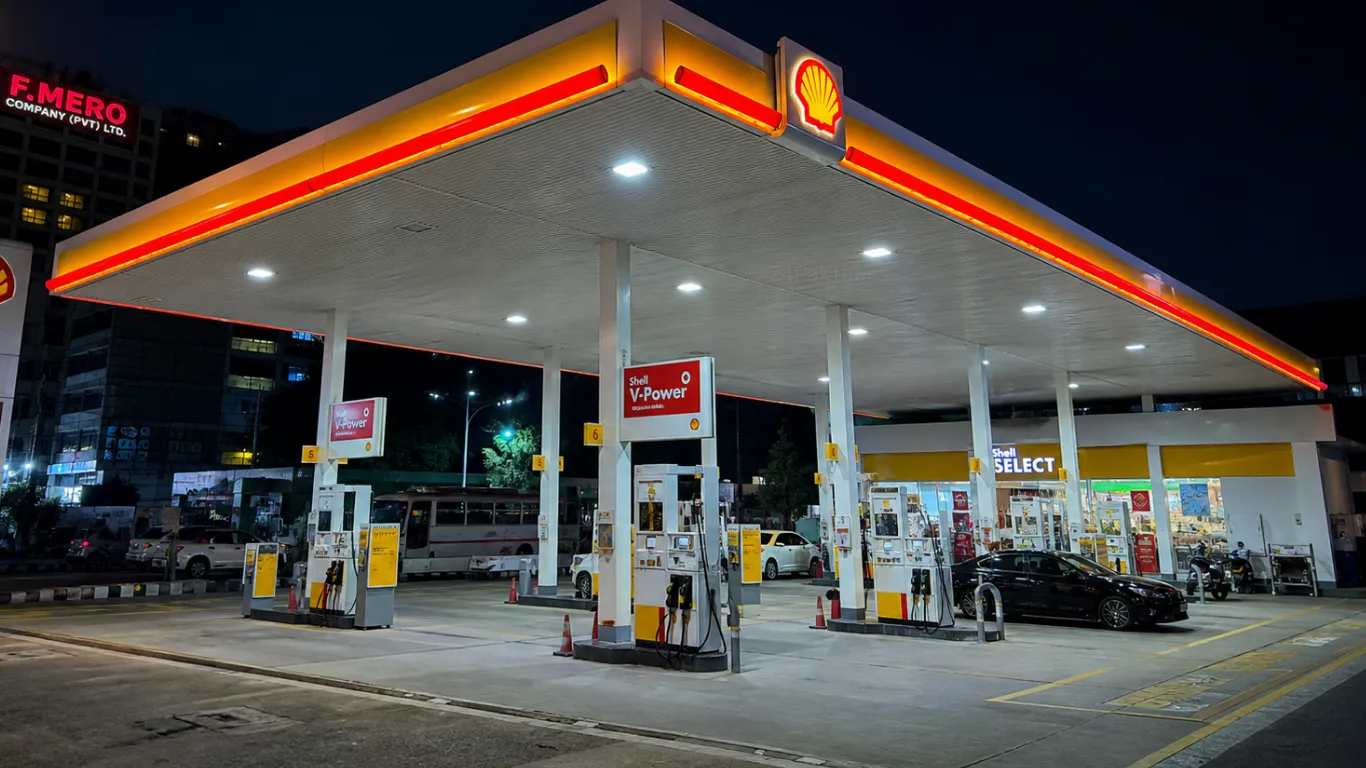
In plain words: Iran can sell oil to the world from Day 1. That pushes global oil prices down — which is why petrol in Pakistan dropped Rs55 this week.
Point 7 — All Sanctions End Under the Final Deal
The US commits to terminating all sanctions against Iran under the final agreement — including UN Security Council resolutions, IAEA restrictions, and all US primary and secondary sanctions.
In plain words: If the permanent deal is signed within 60 days, every sanction on Iran ends. All of them.
Point 8 — Iran Will Not Build a Nuclear Weapon
Iran reaffirms its commitment under the Non-Proliferation Treaty not to manufacture nuclear weapons.
In plain words: Iran publicly commits again that it will not build a nuclear bomb. This is a reaffirmation of an existing legal obligation, not a new concession.
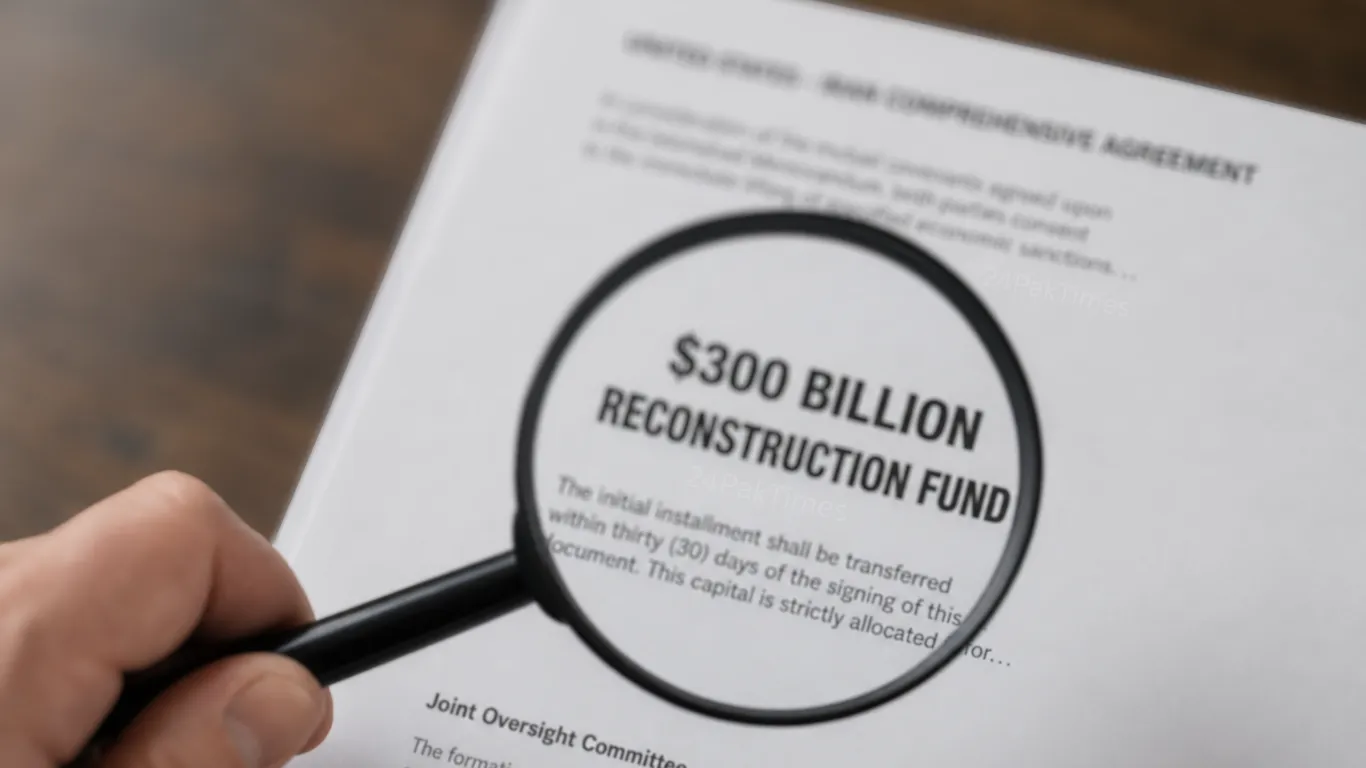
Point 9 — $300 Billion Investment Fund to Rebuild Iran
According to Wikipedia’s Islamabad Memorandum page, subject to the final deal, a private fund of at least $300 billion will be created to trigger investment in Iran. Frozen Iranian assets held abroad will also be fully released.
In plain words: A massive economic reconstruction fund for Iran. Plus all frozen Iranian money comes back.
Point 10 — 60-Day Deadline for the Permanent Deal
According to Iran International’s text release, both sides commit to negotiating and achieving the final deal within 60 days, extendable by mutual consent.
In plain words: Both sides have two months to finish the permanent, binding agreement. They can extend if both agree.
Point 11 — Lebanon Is Protected
The deal explicitly guarantees Lebanon’s territorial integrity and sovereignty. This covers the Hezbollah-Israel conflict — in theory.
In plain words: The ceasefire includes Lebanon. No military operations on Lebanese soil allowed. The problem: Israel is not a signatory, and is currently bombing Lebanon anyway.
Point 12 — No New US Military Forces in the Region
The US will not deploy additional military forces in the region during the 60-day negotiation window.
In plain words: America freezes its military posture in the Middle East while talks are ongoing.
Point 13 — Technical Talks Begin Immediately in Switzerland
According to Dawn, Pakistan confirms that technical implementation talks begin in Switzerland on Sunday, June 21.
In plain words: The operational details — Hormuz demining, sanctions waivers, nuclear freeze monitoring — get worked out starting tomorrow.
Point 14 — Both Presidents Sign, Pakistan Witnesses
Trump signed at Versailles. Pezeshkian signed in Tehran. PM Shehbaz signed as mediator in Islamabad. According to Dawn, the Islamabad MOU paves the way for the 60-day negotiation period confirmed by VP Vance.
In plain words: The deal is legally executed. Pakistan’s name is on it permanently.

The One Risk Nobody in the Room Controlled
According to Wikipedia, Israeli PM Netanyahu said Israel is “not bound” by the Islamabad MOU and will “preserve its freedom of action.” Israel bombed Lebanon three days after the signing. Iran has linked those strikes to the Strait of Hormuz reopening. The US has denied that linkage.
The Islamabad MOU 14 points cover Lebanon clearly. But Israel was not in the room. And nobody has yet found a way to bring it in.
What the Islamabad MOU Means for Every Pakistani
- Oil prices: The Strait of Hormuz reopening should stabilise Pakistan’s fuel costs within weeks. It already has — petrol dropped Rs55 this week.
- Diplomacy: Pakistan brokered this deal. The document carries Islamabad’s name in its official title. That diplomatic capital is historic and real.
- Remittances: A calmer Middle East means fewer disruptions to the millions of Pakistani workers in Gulf states whose remittances support families across Pakistan.
- Risk: If Israel’s Lebanon operations collapse the MOU, oil spikes back, PSX reverses, and Pakistan’s diplomatic win fades.
The next 60 days will tell us whether the Islamabad MOU 14 points deliver what they promise.

FAQ — Islamabad MOU 14 Points Explained
What is the Islamabad MOU and who signed it?
The Islamabad Memorandum of Understanding is a 14-point US-Iran peace framework signed on June 17, 2026. US President Trump signed at the Palace of Versailles; Iranian President Pezeshkian signed in Tehran. Pakistan’s Prime Minister Shehbaz Sharif signed as the official mediator — giving the document its name.
What does the Islamabad MOU say about the Strait of Hormuz?
Point 4 of the Islamabad MOU requires Iran to arrange safe passage for commercial vessels through the Strait of Hormuz immediately upon signing, free of charge for 60 days. Full restoration of traffic — including demining — is required within 30 days.
Does the Islamabad MOU include Iran’s nuclear programme?
Yes. Point 3 requires Iran to maintain the current status quo of its nuclear programme — no expansion, no dismantlement — pending the final deal. Point 8 has Iran reaffirm its Non-Proliferation Treaty commitment not to manufacture nuclear weapons. The detailed nuclear framework will be negotiated in the 60-day window.
What is the biggest threat to the Islamabad MOU working?
Israel is not a signatory and has declared itself “not bound” by the agreement. The MOU’s first clause covers Lebanon — but Israel is actively conducting strikes there. Iran has already linked those strikes to the Strait of Hormuz, threatening the deal’s most critical economic provision. The survival of the Islamabad MOU’s 14 points depends on whether this Israel-Lebanon crisis can be contained in the next 60 days.