
Good news from Karachi that has nothing to do with politics, petrol prices, or protests.
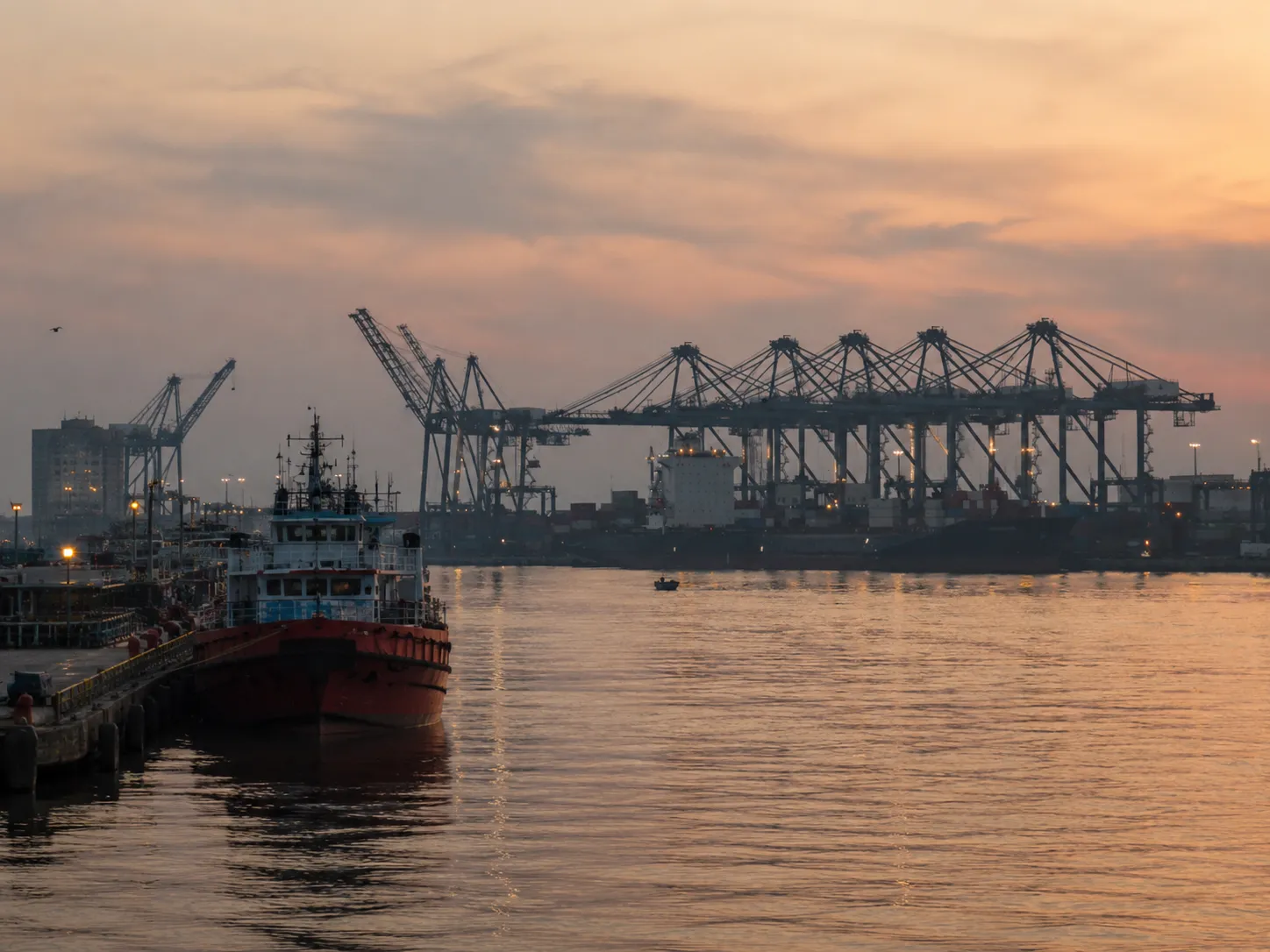
Karachi Port has climbed 30 places in global container port performance rankings. The improvement comes in the World Bank’s Global Container Port Performance Index — which tracks how efficiently ports around the world move cargo.
For a country that depends on Karachi for the vast majority of its import and export trade, this is genuinely significant.

What the Ranking Measures
The World Bank index evaluates ports on three core metrics:
- Ship turnaround time: How quickly a cargo ship arrives, unloads, loads new containers, and leaves. Faster turnaround means lower costs for everyone.
- Berth productivity: How many container moves per hour a port achieves at its berths.
- Port congestion: Whether ships wait days to dock or get berths quickly.
A 30-place improvement is not a minor statistical fluctuation. It means Karachi Port measurably improved on these metrics compared to hundreds of other ports worldwide.

Why This Matters for Ordinary Pakistanis
Karachi handles approximately 95% of Pakistan’s total trade volume. Every phone, laptop, car part, cooking oil tin, and medicine that Pakistan imports comes through Karachi Port or Port Qasim. Every container of textile exports, rice, and surgical instruments that earns foreign exchange leaves through the same facilities.
When port efficiency improves:
- Lower import costs: Shipping companies charge less when vessels turn around faster. Lower shipping costs eventually reduce retail prices.
- Faster delivery: Businesses get imported materials quicker, reducing inventory holding costs.
- More attractive for investment: International companies check port efficiency rankings when choosing supply chain hubs. A 30-place jump makes Pakistan a more serious option.
Export competitiveness: Pakistani manufacturers shipping to Europe or the US benefit directly from faster, cheaper port operations.

What Changed at Karachi Port
The improvement reflects several investments made over the past two years. The Karachi Port Trust invested in new cranes, upgraded terminal management software, and reorganized how containers are stored and retrieved.
The introduction of a single-window customs clearance system has also cut the bureaucratic delays that historically added days to container processing times. CPEC infrastructure investments at Gwadar have indirectly benefited Karachi by reducing pressure on existing facilities.
This connects directly to the broader Pakistan economic turnaround we have been tracking — where multiple indicators, from remittances to reserves, are moving in the right direction simultaneously.

The Bigger Picture
Karachi has historically punched well below its weight as a port city. It handles enormous trade volumes but with inefficiencies that add costs for businesses and consumers alike.
A 30-place improvement means the direction is right. It does not mean Karachi is now Singapore. But it means the climb has started.
For a city of 20 million people whose economy depends directly on trade, port efficiency is one of the most practical quality-of-life improvements possible. When goods move faster and cheaper, businesses grow, jobs are created, and prices ease over time.
Today’s news deserves more attention than it will probably get amid the Iran deal excitement.