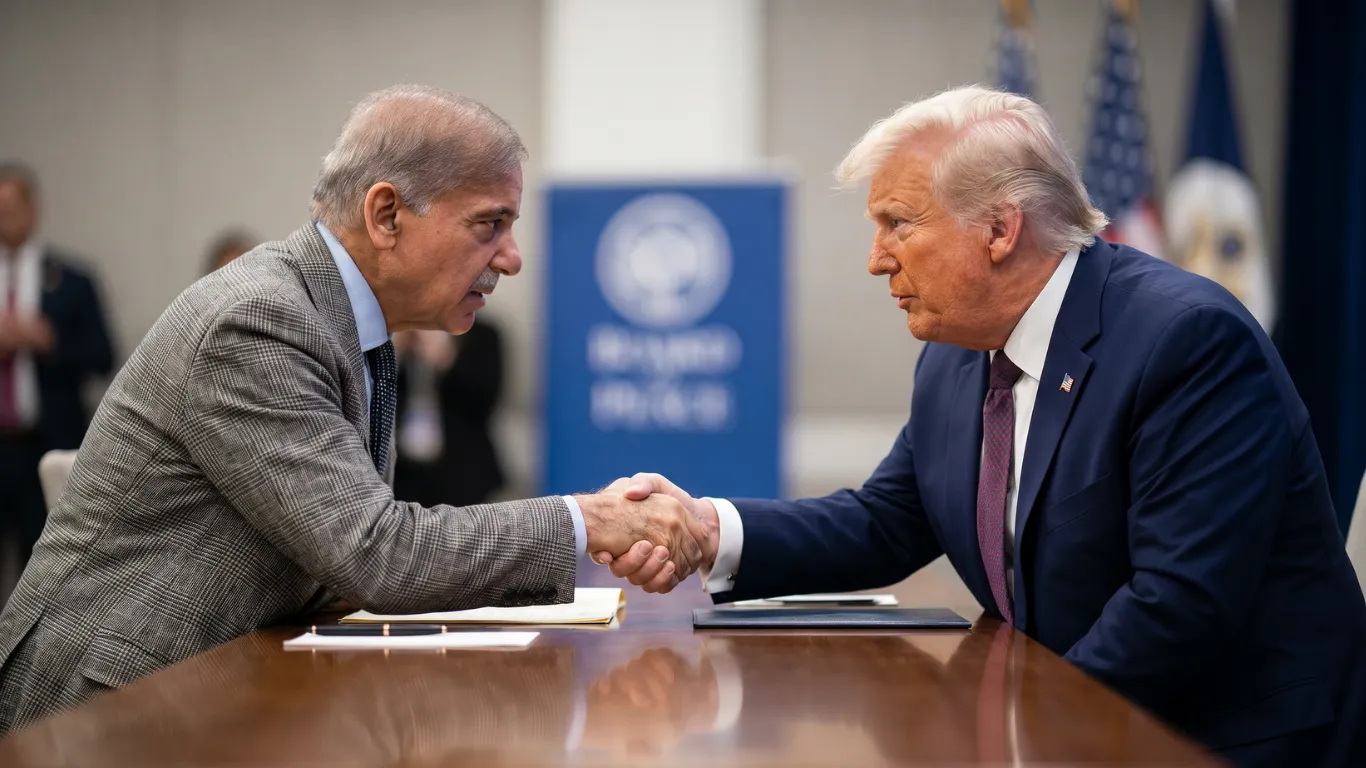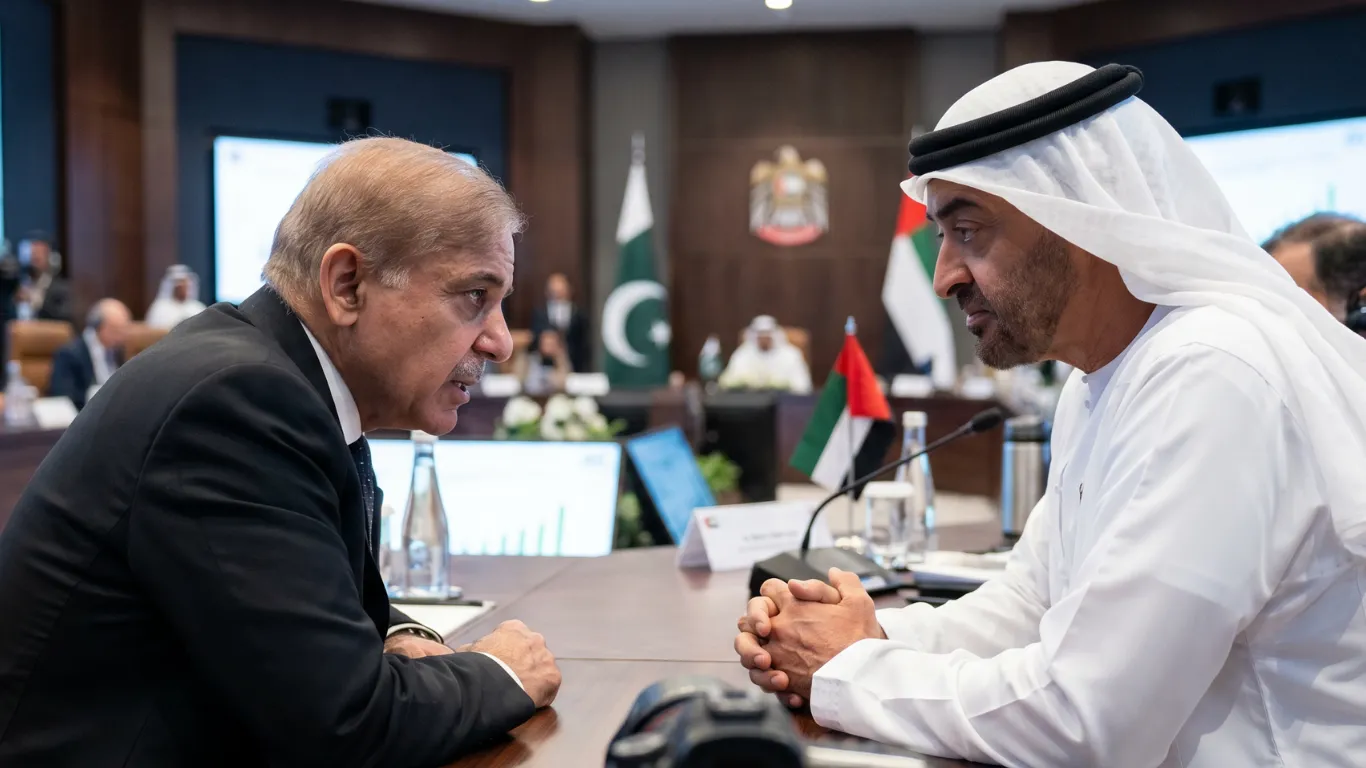

Trump told Axios this morning that the Iran deal would have been signed by now — were it not for the Israeli strike on Beirut. “It shook it up,” he said. “It delayed the signing by a few hours. It was supposed to be now. Now it is scheduled for a few hours from now.”
That is where we stand. The closest the world has come to ending the Iran war in 107 days — and an Israeli airstrike on Beirut’s Dahiyeh suburb nearly killed it.
What Israel Did This Morning
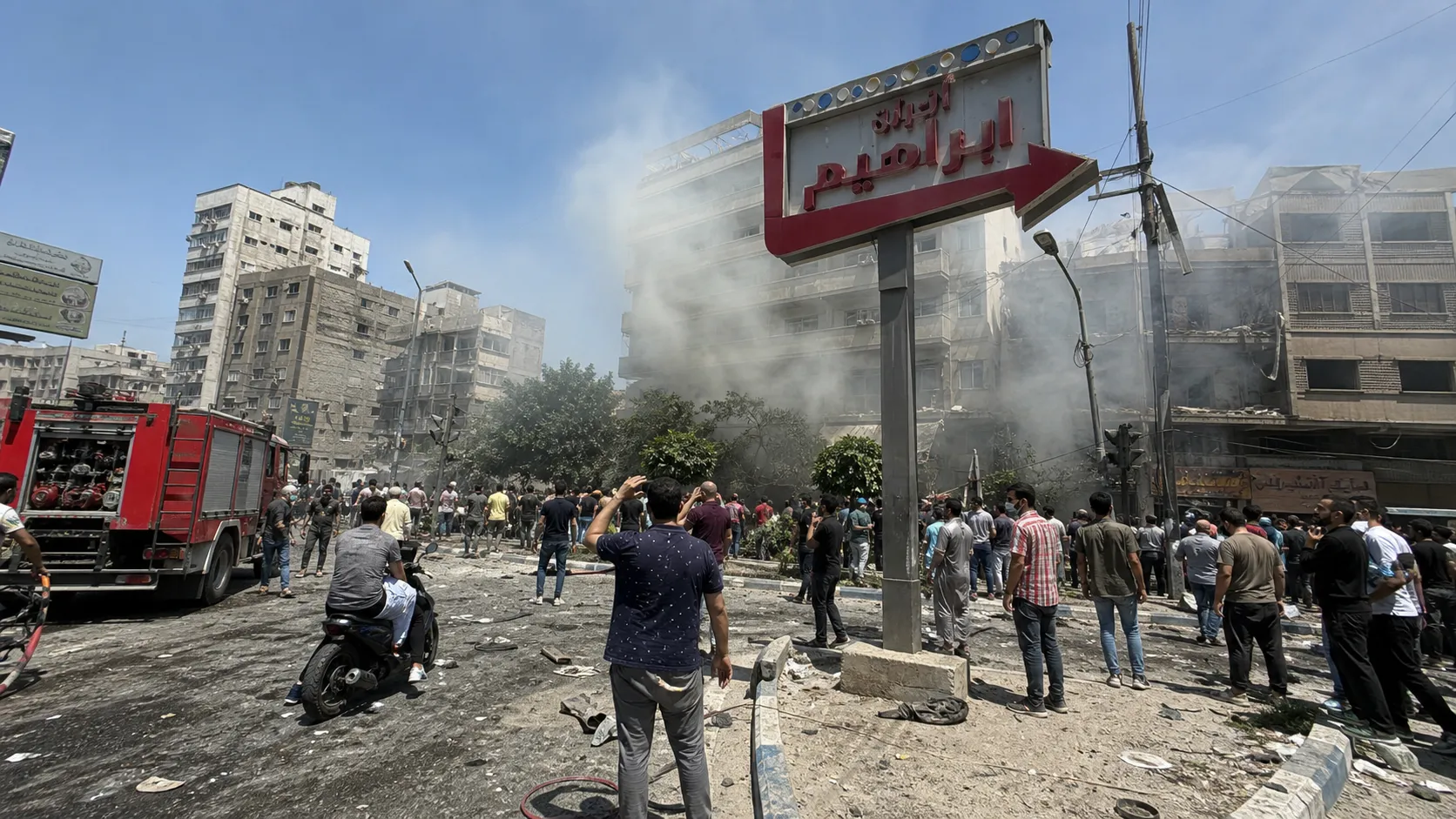
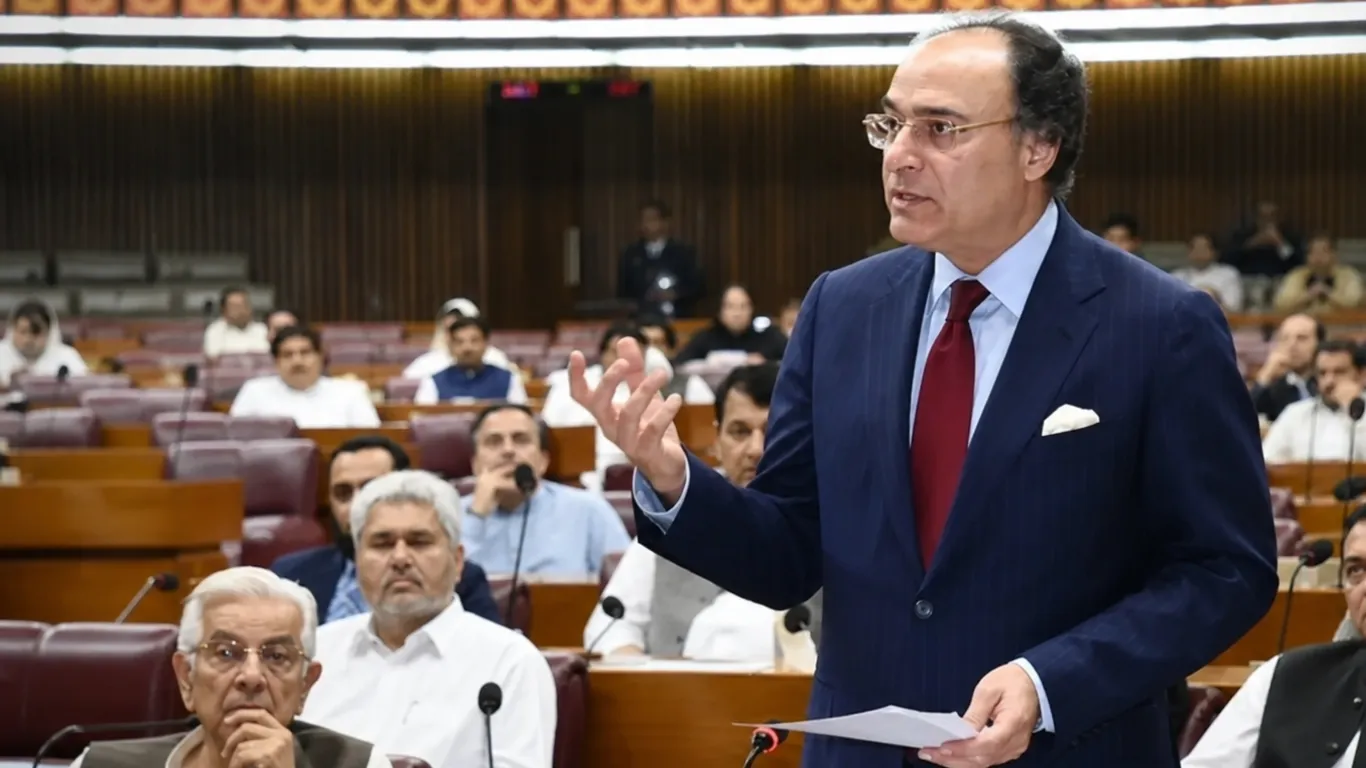
The Israeli Defense Forces struck southern Beirut, targeting what it described as Hezbollah infrastructure in the Dahiyeh area. Prime Minister Netanyahu said the strike was in response to Hezbollah firing into Israeli territory.
At least three people were killed and seven wounded. An AP photographer at the scene described a five-story apartment building with shops on the ground floor — the two lower floors most heavily damaged. Residents who had returned during weeks of relative calm were seen fleeing again.
It is the same neighborhood. The same pattern. And the same effect — giving Iranian hardliners exactly the argument they need to delay: “How can we sign a deal while our allies are being bombed?”
Why This Strike Nearly Killed the Deal
Israel does not want this deal. Al Jazeera’s Iran war liveblog confirmed Netanyahu’s government views a US-Iran agreement as legitimizing Tehran — and Israel has been sidelined in negotiations led by Pakistan and Qatar.
Iran’s position has always been that any comprehensive ceasefire must include Lebanon. Every Israeli strike on Dahiyeh makes that demand harder to satisfy and hands hardliners in Tehran the ammunition to delay signing.
Trump’s Unusually Blunt Reaction
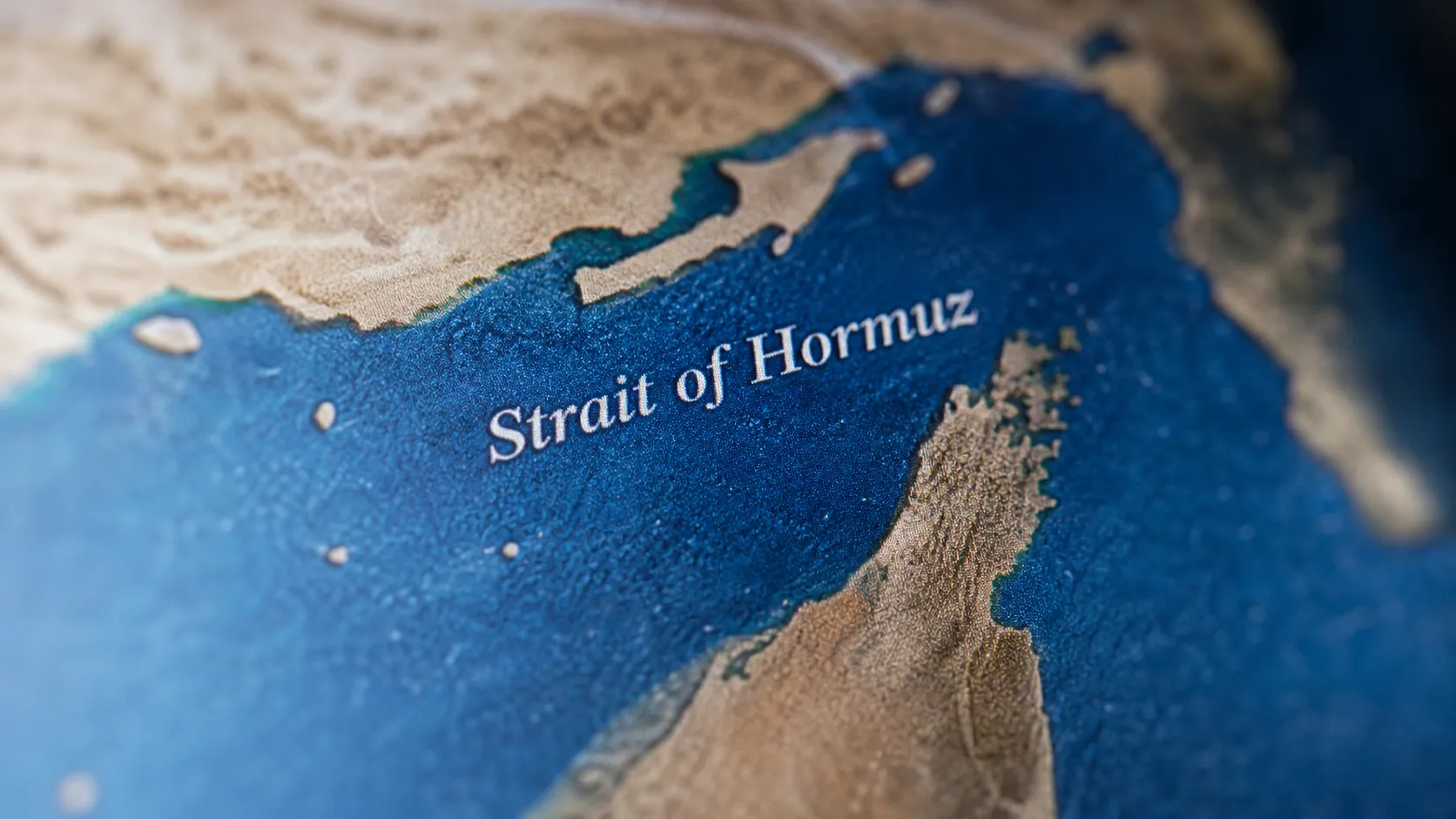
Trump played down the Israeli strikes publicly but told Fox News the strike “shouldn’t have happened” and that “none of Lebanon should be hit in future.” That is a remarkable public statement from any US president about an Israeli military operation.
He also called on all sides to stand down in Lebanon as the deal, in his words, was “so close.”

Where the Iran deal Actually Stands
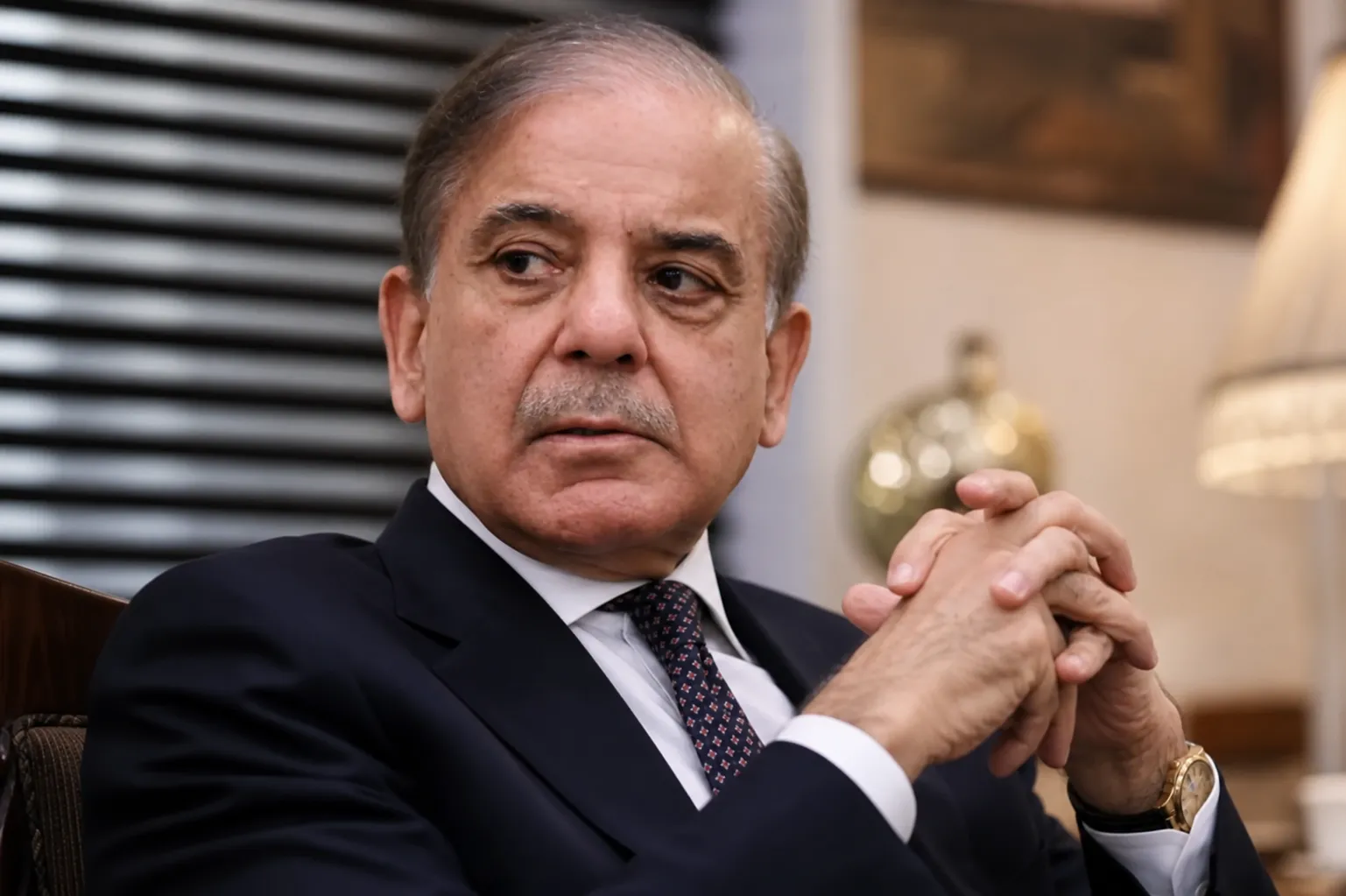
Pakistani PM Shehbaz Sharif said a deal was expected within 24 hours. Trump said it would be signed today. Iran told a different story.
Iran’s spokesperson Esmail Baghaei said the signing “will not happen today,” but added that “the likelihood of finalizing the memorandum of understanding in the coming days is high.” Iranian Foreign Minister Abbas Araghchi went further — calling this the moment when “the Islamabad Memorandum of Understanding has never been closer.”
The Wikipedia record of US-Iran negotiations confirms Qatari negotiators flew to Tehran over the weekend in a direct push to finalize remaining points. PM Sharif added that both sides would sign electronically once finalized, followed by technical-level talks next week.
What Is Actually in the 14-Point Deal
Iranian Foreign Minister Araghchi described a 14-point agreement. Point one is the lifting of the US naval blockade of Iranian ports. The deal calls for an end to hostilities across all fronts — explicitly including Lebanon. Frozen Iranian assets would be released upon signing.
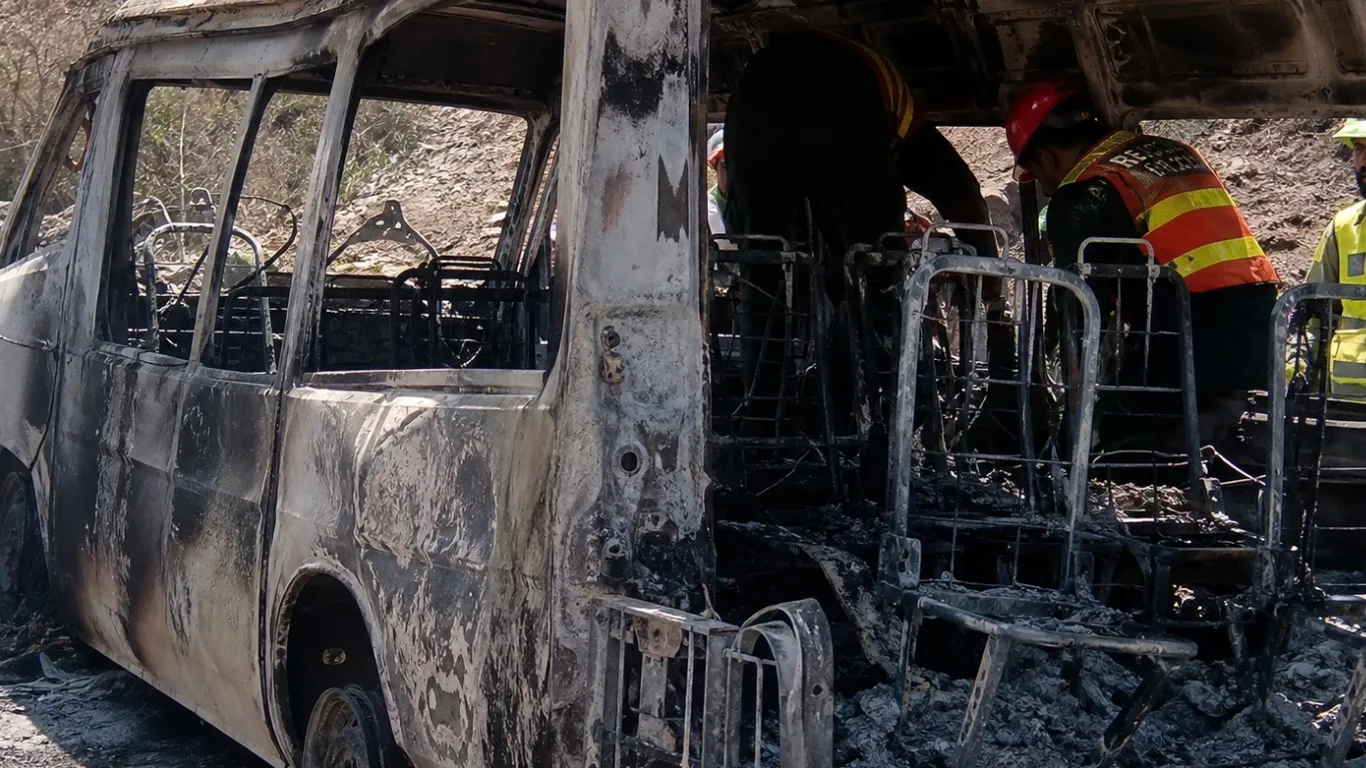
Once signed, Trump says the Strait of Hormuz will be open to all. Nuclear discussions follow in a second stage, with Iran’s position being that enriched uranium should be diluted inside the country rather than shipped abroad as Washington prefers.
The gap between those two positions is real. But both sides are still describing a deal — not a collapse.
What This Means for Pakistan Right Now
Pakistan has been the primary communication channel between Washington and Tehran since the ceasefire Pakistan brokered in April. For the full background on how this role developed, see our Pakistan mediates US-Iran peace talks coverage.
If the deal is signed in the next 24 hours:
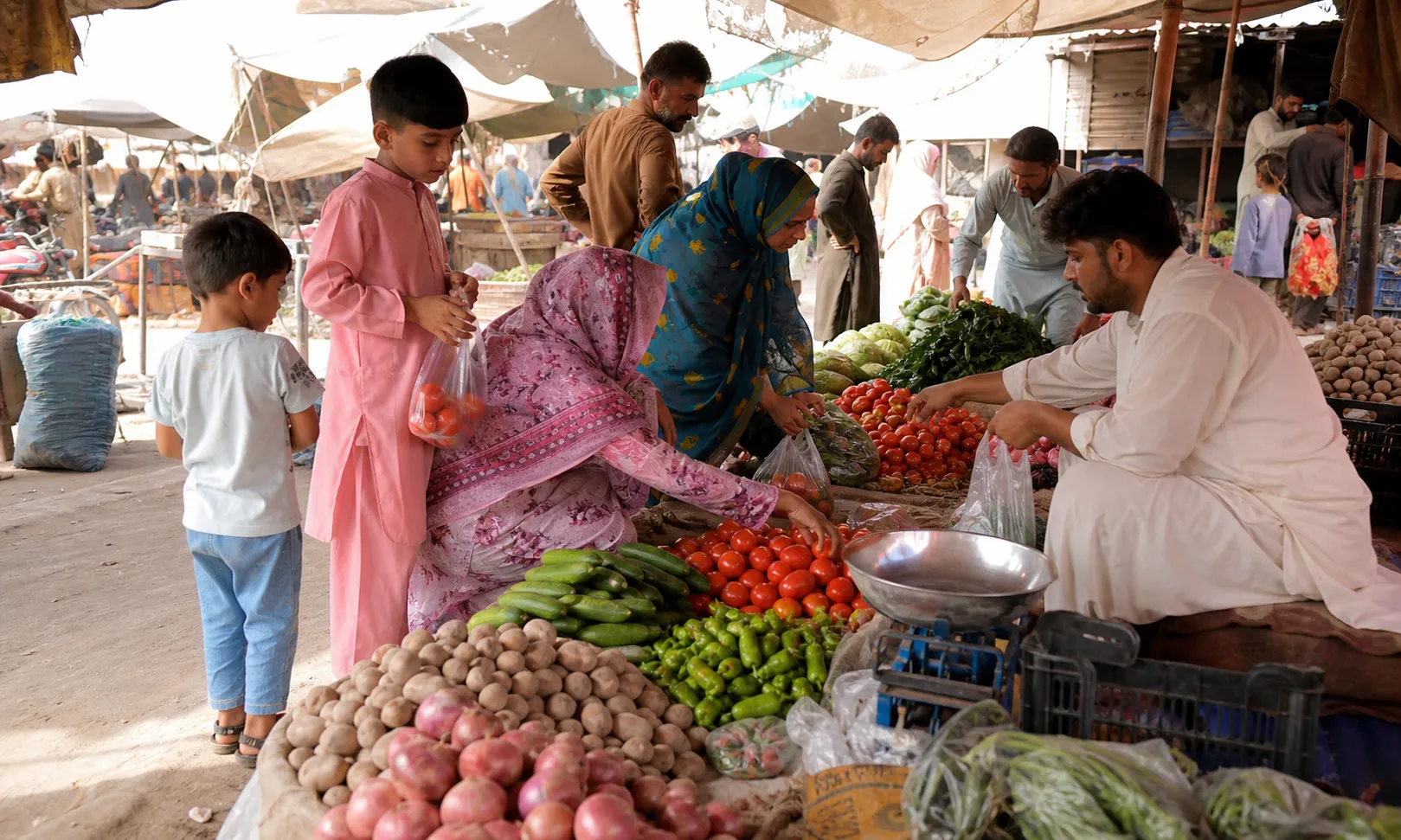
- Petrol could drop further from its current Rs373.78
- Gold could crash back below Rs430,000 after today’s Rs4,370 rise
- PSX could open sharply higher on Monday morning
- LNG supply through the Strait would be restored within days
If Israel’s strikes kill the deal? Oil goes up. Petrol up. Budget 2026-27 — presented two days ago — starts looking wrong on every energy cost assumption. Pakistan’s economy is being held hostage by decisions being made in Tel Aviv. That is the uncomfortable reality this Sunday morning.
What Happens Next
Watch for two things in the next 12 hours: whether Iran’s Supreme Leader formally approves the text, and whether Israel launches another strike that could derail everything again.
24PakTimes will update this story the moment a signing is confirmed or denied.