
Summary — What’s Happening Today
- Iran declared a complete closure of the Strait of Hormuz to all ships on June 11
- The IRGC warned that “any movement” through the strait will be targeted
- US and Iran have been trading air strikes for two consecutive days
- Pakistan’s petrol prices, electricity bills, and LNG supply are all directly at risk
- Budget 2026-27 energy cost assumptions may already be outdated before the speech tomorrow

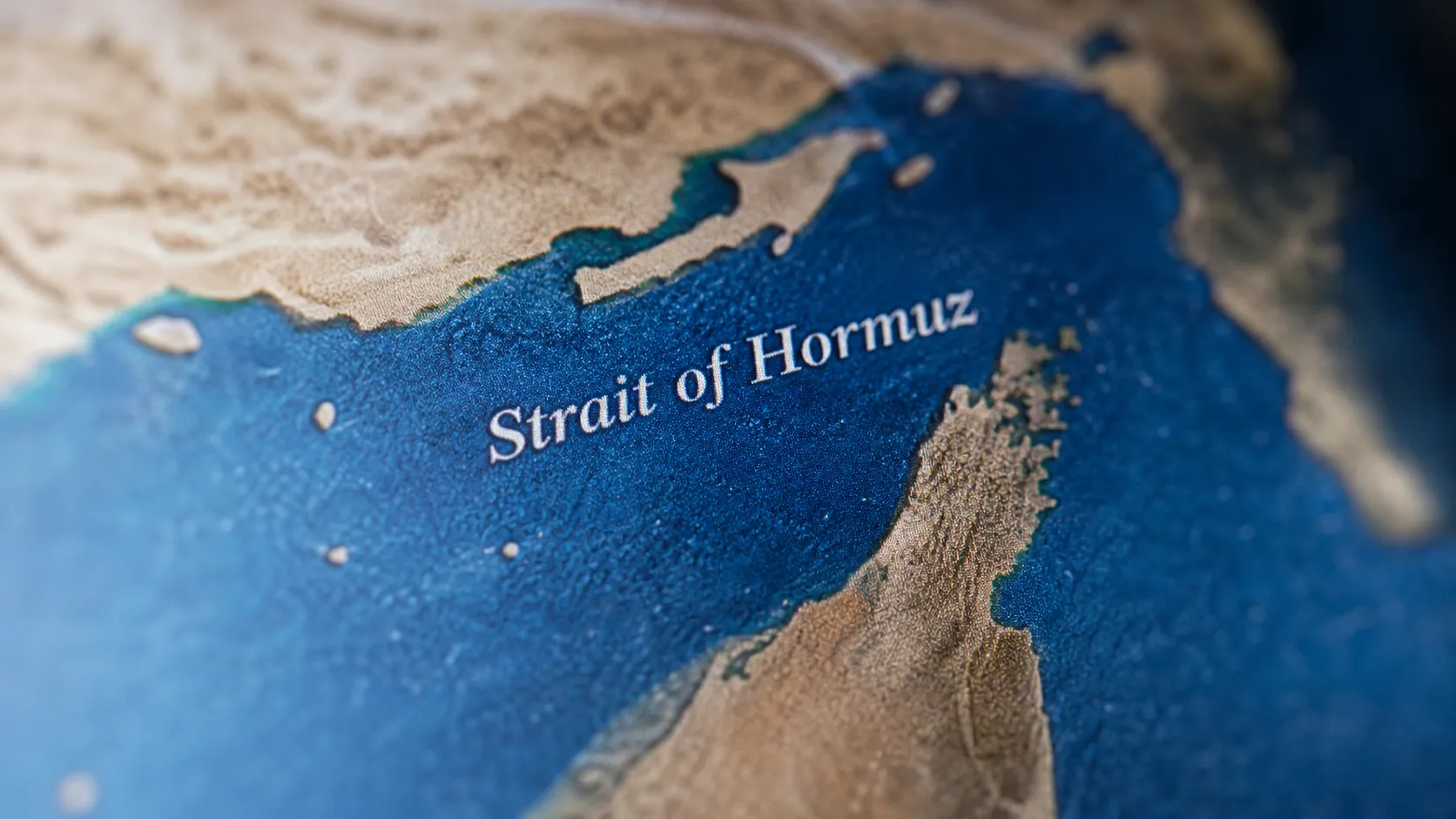
The Iranian military announced the complete closure of the Strait of Hormuz for shipping activities on Thursday, June 11, 2026, amid escalating tensions with the United States.
This is not a warning. This is not a threat. It is done.
Al Jazeera confirmed that in a statement carried by Iranian state TV, the Khatam al-Anbiya headquarters said the strategic waterway had been closed to all traffic, including oil tankers and commercial ships, due to what it described as insecurity in the region. It warned that “any movement” through the strait would be targeted.
For Pakistan, this is the worst possible development in a war that has already caused petrol price hikes, electricity bill increases, and LNG shortages.

What Triggered This Escalation
The closure did not come from nowhere. The Star Malaysia’s Anadolu Agency report confirmed the decision came following what Iran described as continued American aggression — specifically, US attacks on areas in Iran’s southern Hormozgan province.
The sequence of events was rapid. The US military targeted air defense and radar sites around the strait after a US attack helicopter was shot down nearby. Iran responded with missile and drone attacks on US bases in Jordan, Kuwait, and Bahrain. Then the US struck again on Thursday.
Two consecutive days of strikes from both sides. And then Tehran declared the strait closed.
Why the Strait of Hormuz Matters to Every Pakistani
Wikipedia’s Strait of Hormuz crisis article confirms that until the US-Israeli war against Iran, about 25% of the world’s seaborne oil trade and 20% of the world’s LNG passed through this narrow channel.
Pakistan imports LNG through this strait. Pakistan imports crude oil that transits through this strait. Pakistan’s electricity generation depends partly on gas that comes through this strait.
Here is what a full closure means for your daily life:
- Petrol prices: The government cut petrol by Rs22 two weeks ago. If the strait stays closed, expect that cut to be reversed within days. Oil prices could push past $100 per barrel again. We covered this connection in our earlier analysis of how the Iran war affects petrol prices.
- Electricity bills: Pakistan burned expensive furnace oil when LNG shipments were disrupted earlier in the war. That is why your electricity bill went up Rs1.74 per unit. A second LNG disruption means another round of tariff adjustments.
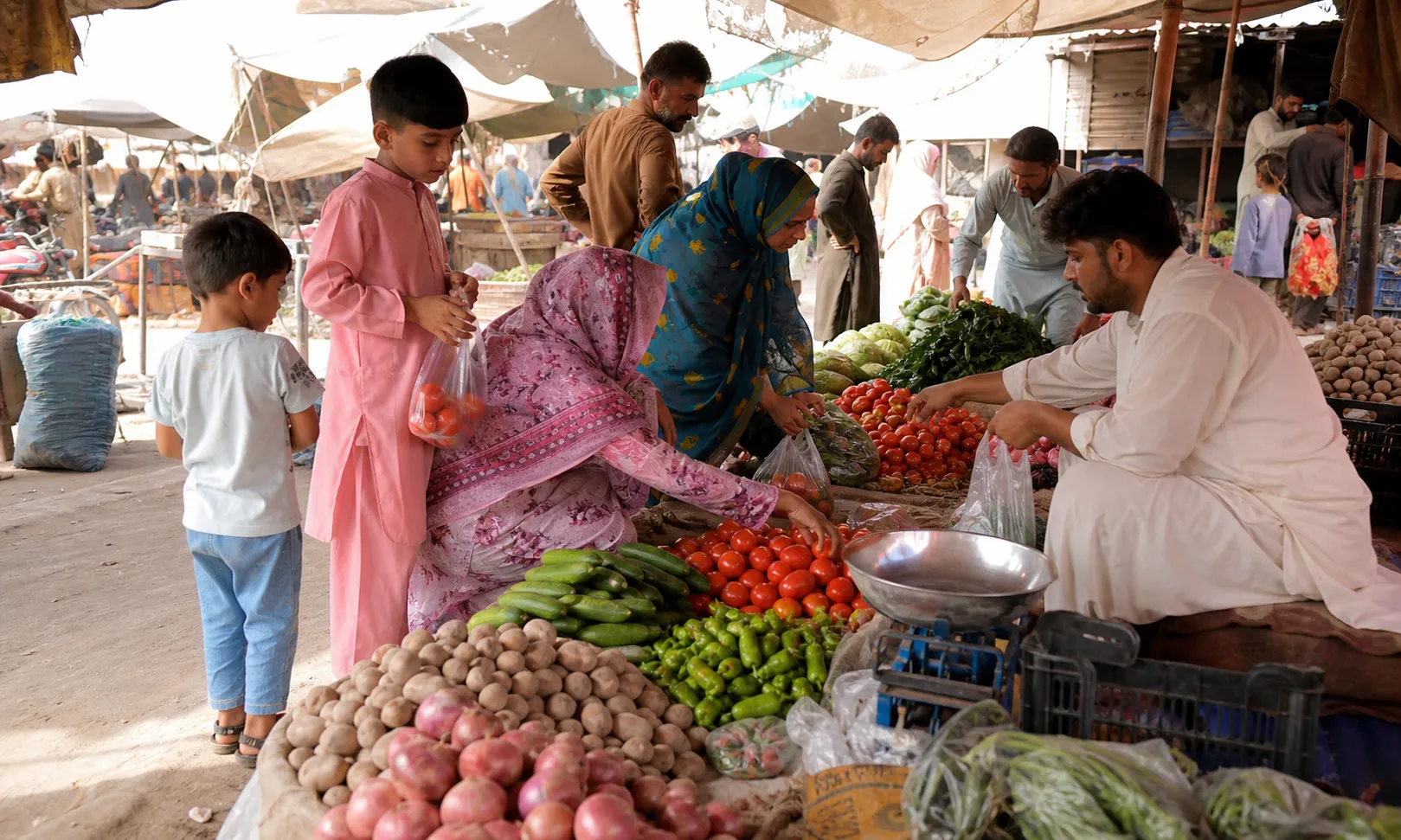
- Food prices: Higher fuel means higher transport costs. Higher transport means everything at the bazaar costs more. Inflation was already at 11.7% in May. This could push it higher through July and August.
- Gas supply: Pakistan needs to secure LNG contracts now for the November to February peak demand season. A closed strait makes that much harder and much more expensive — potentially adding billions of rupees in emergency procurement costs.
Pakistan’s Mediation Role Under Serious Threat
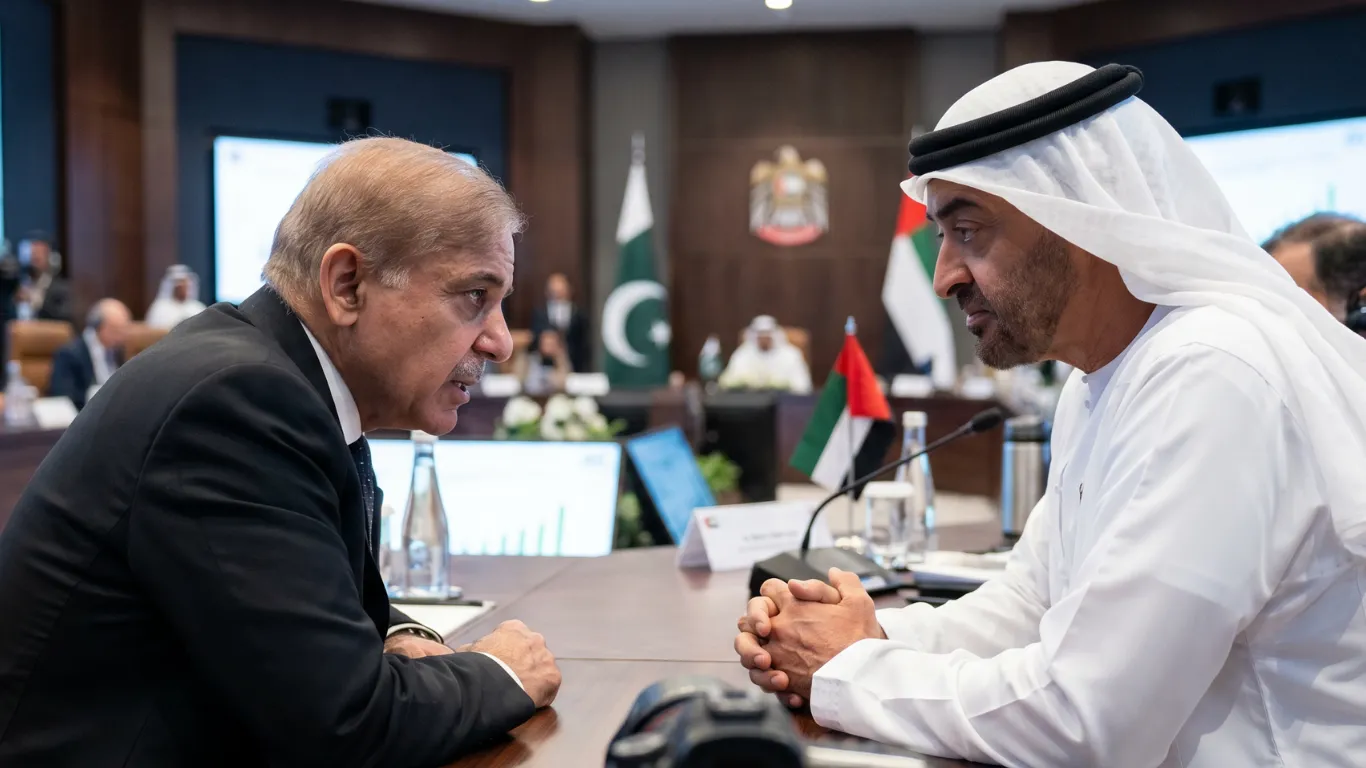
Pakistan has been mediating between the US and Iran since April. The ceasefire Pakistan brokered has been tested repeatedly — as we tracked in our Iran ceasefire coverage and the subsequent US House Iran war vote analysis.
Now, with the strait formally closed and both sides launching strikes, the mediation window is narrowing severely.
Pakistan’s foreign ministry confirmed the country’s leaders were still engaged in mediation efforts and calling for a negotiated settlement. Separately, CNN citing a diplomatic source confirmed talks to reach a deal between Washington and Iran are still on track after overnight negotiations. Three Iranian sources told Reuters that efforts to reach a preliminary deal have intensified, with discussions focused on a mechanism for releasing frozen Iranian funds.
The fact that talks are still happening even while bombs are falling is both frightening and oddly hopeful. But whether Pakistan can pull both sides back to the table before the economic damage deepens is the central question.

What Happens Next
Watch for three things in the coming 48 hours:
Oil prices: If Brent crude moves above $100 per barrel, Pakistan will face immediate pressure to raise fuel prices before the budget is even passed.
Budget 2026-27 tomorrow (June 12): The budget is being presented while the strait is closed. Every energy cost assumption in the document could be outdated by the time the Finance Minister finishes his speech. We have a full budget preview in our Budget 2026-27 article for the complete context.
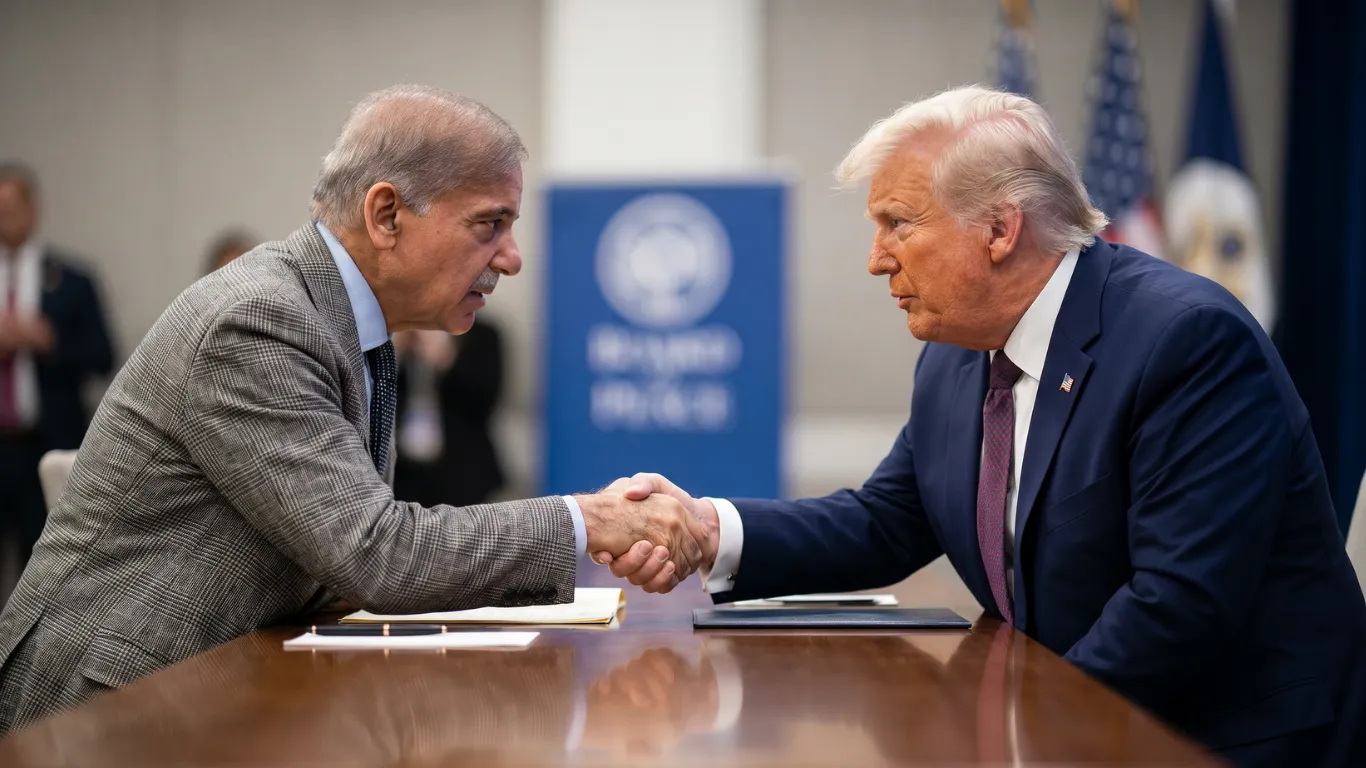
Trump’s response: Trump has vowed further strikes if Iran does not agree to a deal. Escalation or de-escalation from Washington will determine how long this closure lasts and how severe the economic damage becomes.

24PakTimes will continue covering this developing story and its direct impact on Pakistani households.