
Who Had Signed The Islamabad MOU
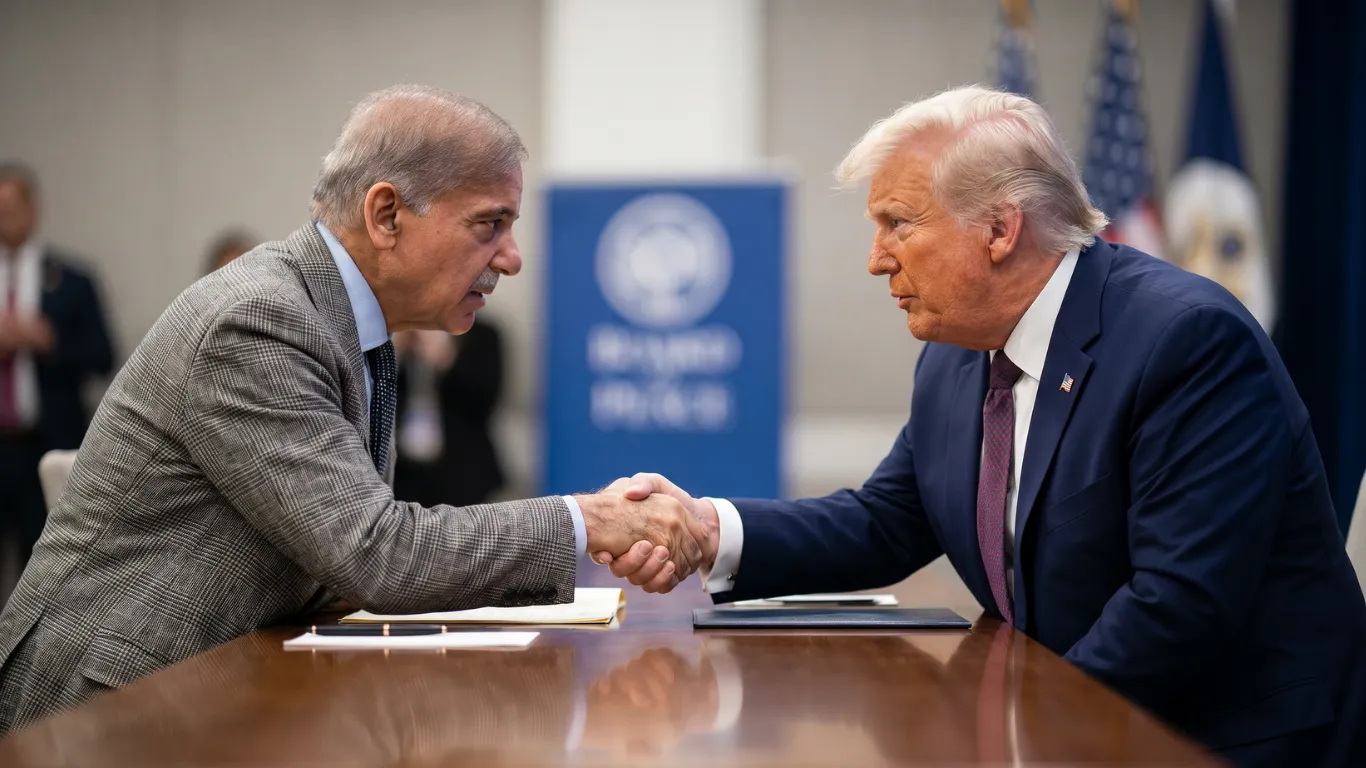
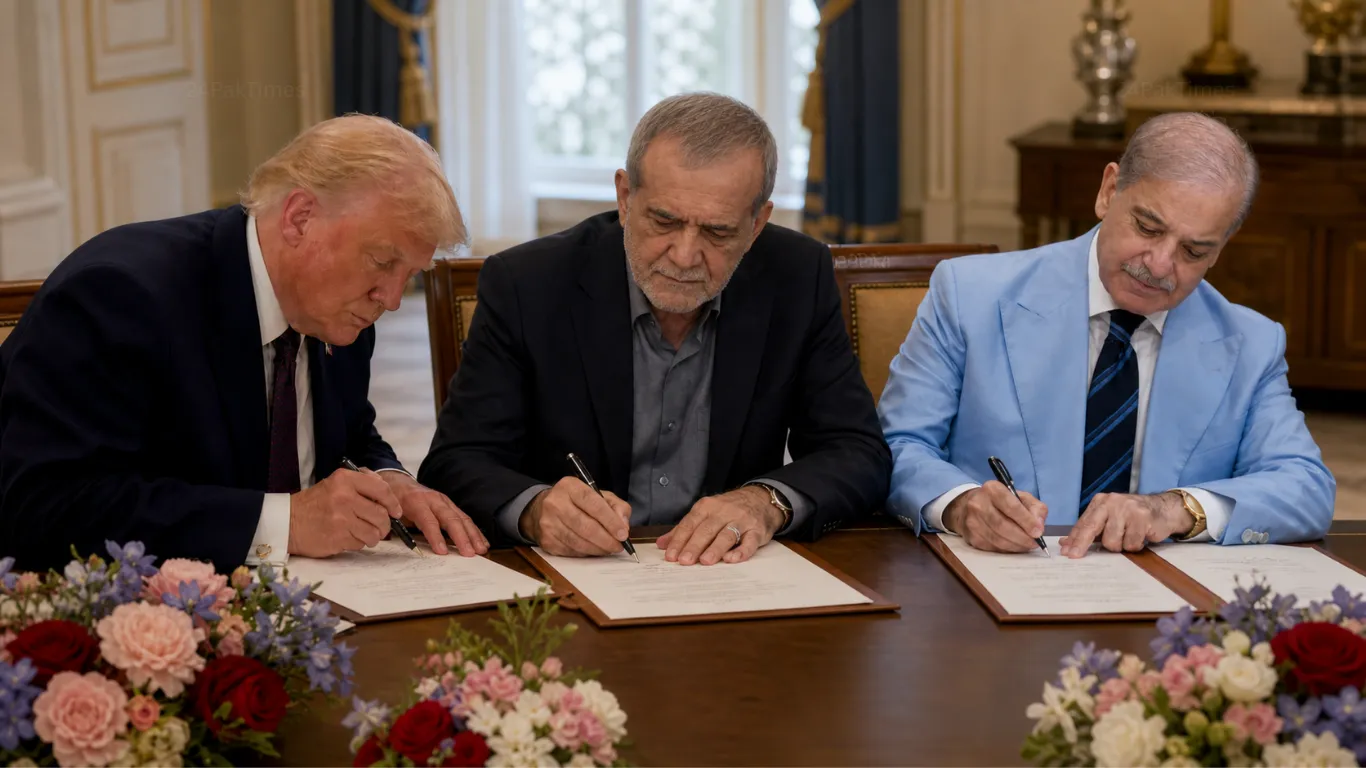
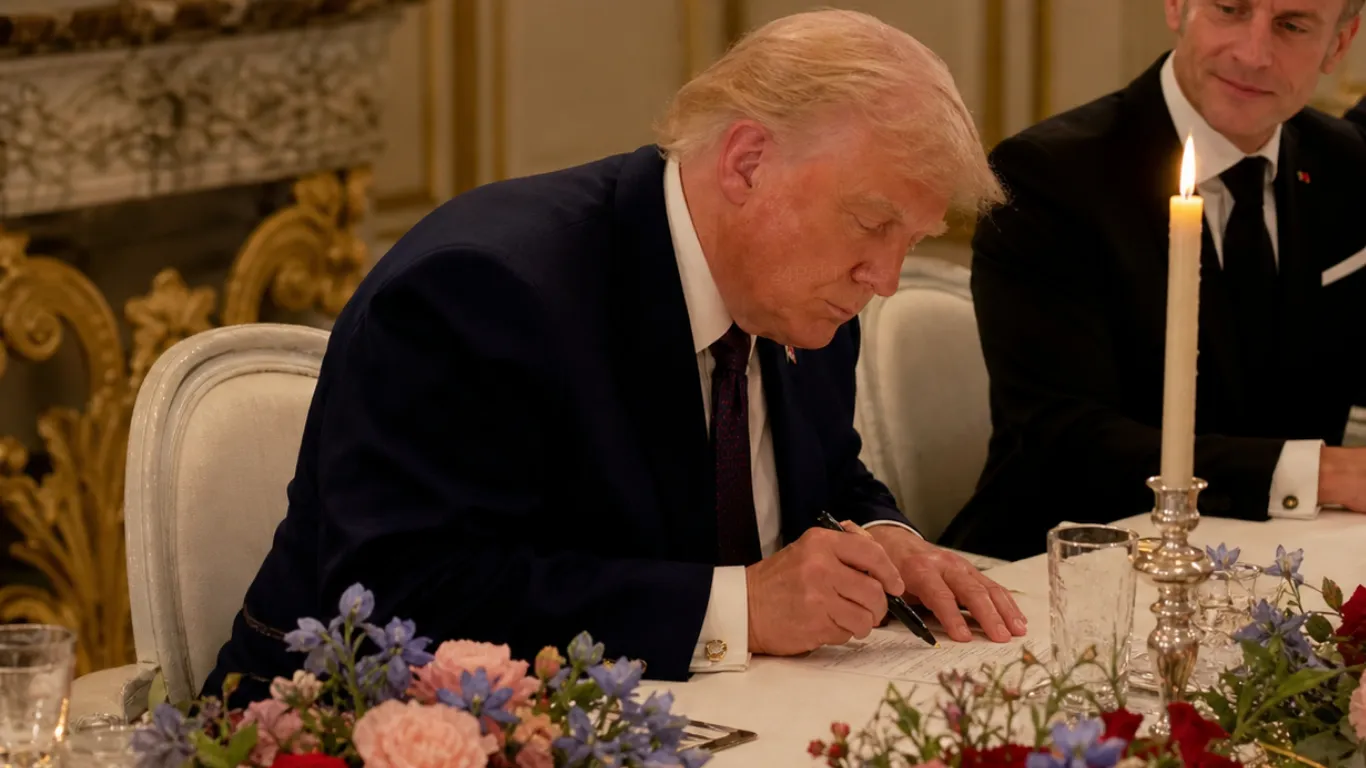
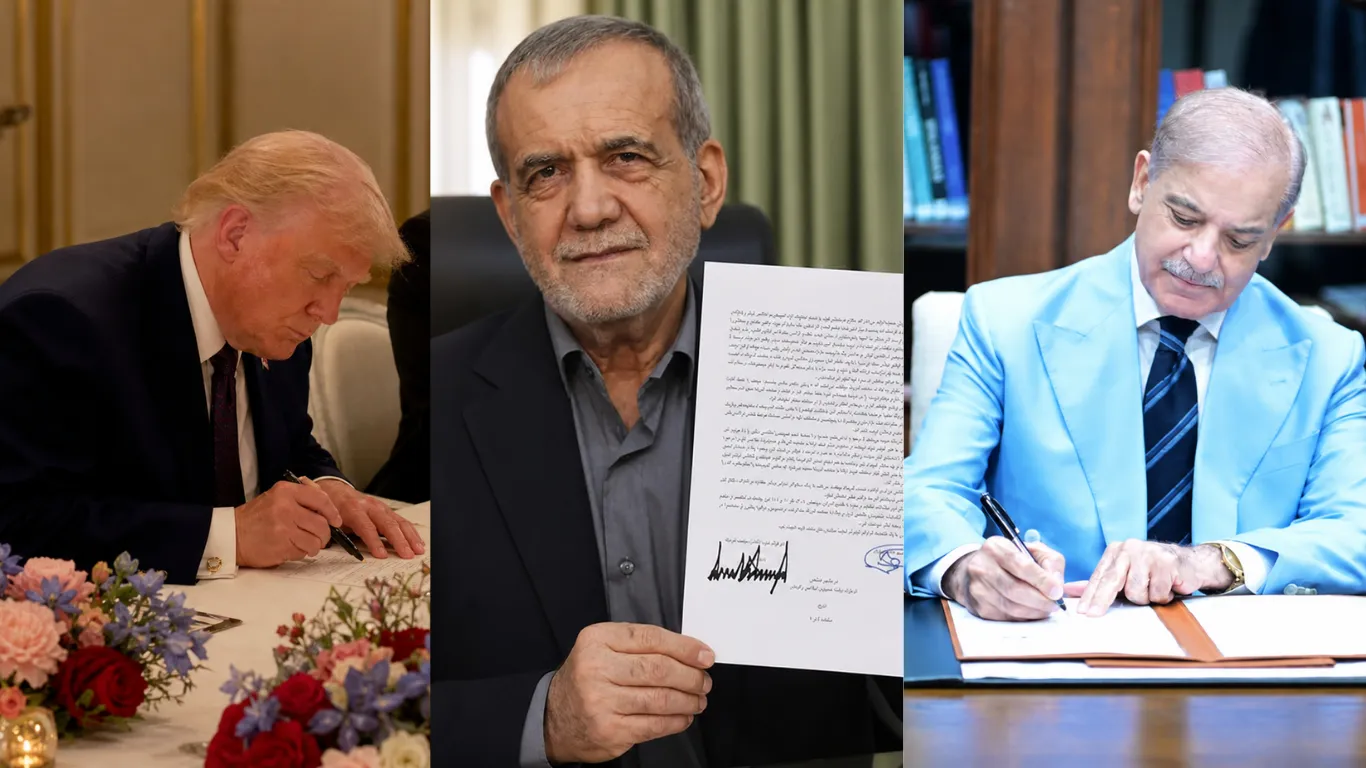
The Islamabad Memorandum of Understanding between the United States and Iran is now officially signed. President Donald Trump signed the agreement at dinner inside the Palace of Versailles in France on Tuesday evening, confirmed by two US officials. Hours later, Iranian President Masoud Pezeshkian signed his copy in Tehran, with photos published immediately by Iran’s state media agency IRNA. Prime Minister Shehbaz Sharif also shared a photo of himself signing the Islamabad MOU.
The war that pushed oil past $120, closed the Strait of Hormuz, and drove Pakistan’s petrol price to Rs458.40 per litre in April is now, on paper, over. The deal carries Pakistan’s name — it is called the Islamabad MOU. That name will remain in the history books.
What the Signed MOU Actually Commits Both Sides To
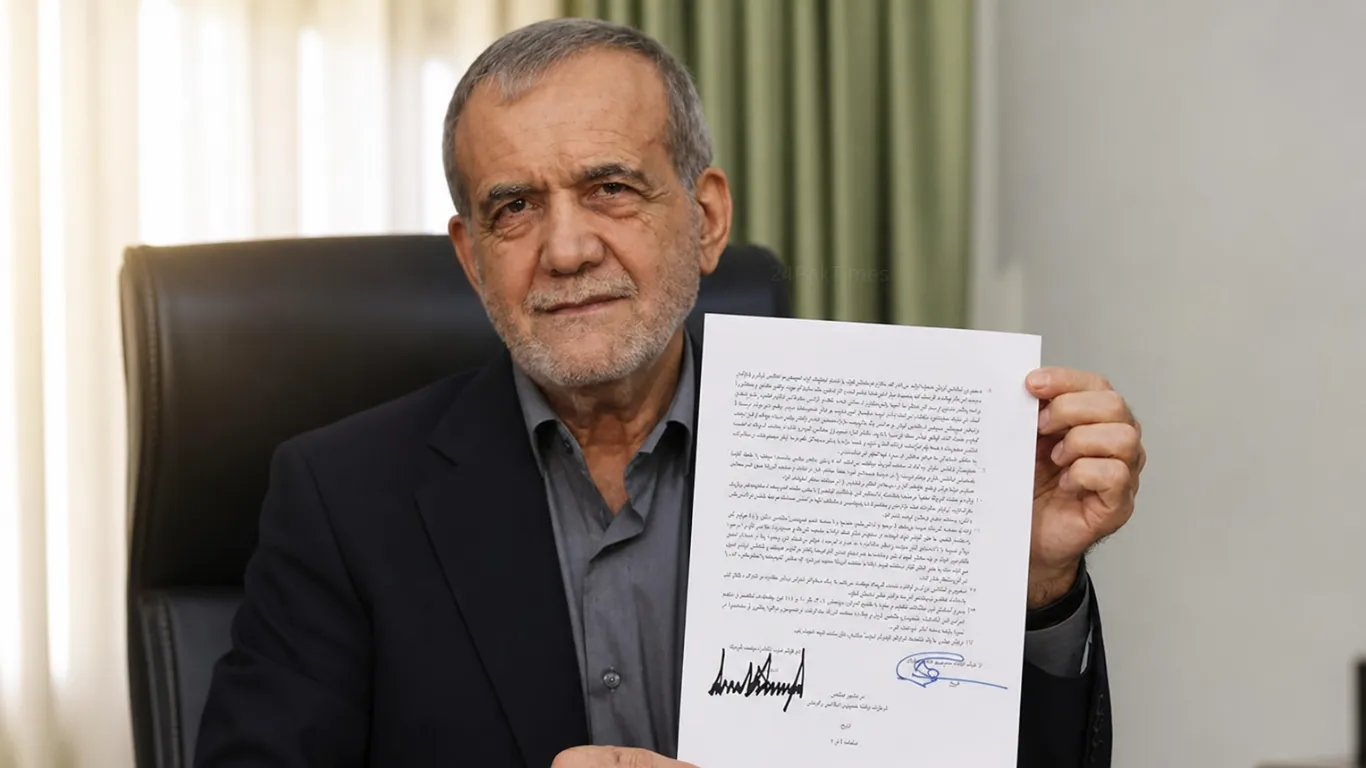
The agreement commits both sides to an immediate and permanent end to military operations. It is an interim deal, not a final peace treaty. Both governments agreed to meet within 60 days to negotiate a more detailed permanent agreement. According to the full 14-point deal text published by Al-Monitor, the interim arrangement covers four core areas:
The Strait of Hormuz will reopen for commercial vessels at no charge for the 60-day period. The United States will terminate all types of sanctions against Iran and release all frozen Iranian assets. The US will also begin withdrawing its naval blockade from Iranian ports. Iran’s Foreign Ministry spokesperson Esmail Baghaei confirmed the document was signed in both English and Farsi — Iran requested the bilingual format for transparency purposes.
The G7 nations released a joint statement calling the agreement a historic opportunity to stop Iran from acquiring a nuclear weapon. They committed to supporting its implementation.
For the full text breakdown and Pakistan’s role in drafting the MOU, read our earlier detailed report on the Islamabad MOU text released on June 17.
Reaction in Washington: Divided but Signed
Political reaction in Washington split sharply. Several Democratic senators said the agreement benefits Iran more than the United States. Republican Senator Bill Cassidy publicly called it the worst US foreign policy decision in recent decades.
Republican Senator Lindsey Graham disagreed. He told reporters the deal will prove beneficial for America. CNBC reported that Trump has been asked whether he will send the MOU details to Congress for review — he has not confirmed a decision on that yet.
What matters practically: the MOU is signed. Both governments are legally on record. The next argument is about the final deal, not whether the interim one exists.
Pakistan Made This Deal Possible — And the World Knows It
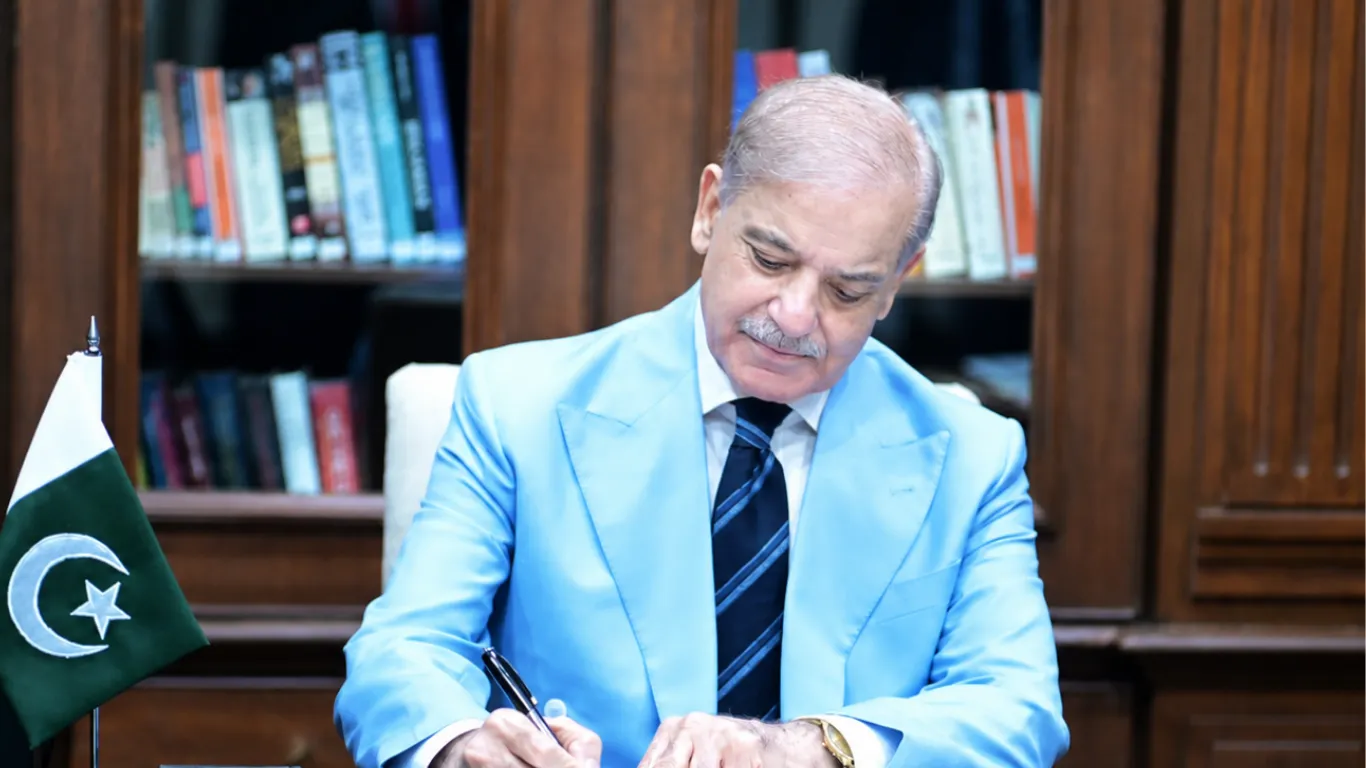
Pakistan’s involvement here is not peripheral. Prime Minister Shehbaz Sharif played a central mediation role across weeks of negotiations. The deal is named after Pakistan’s capital. A formal signing ceremony is now scheduled in Switzerland on Friday, where the international record will be officially established.
The Qatari Prime Minister praised the breakthrough publicly and specifically thanked Pakistan. Read the full story of how Pakistan brought the US and Iran to the negotiating table.
According to NBC News’s full reporting on the 14-point MOU, the agreement was signed in both English and Farsi, with the Strait of Hormuz reopening as one of its immediate provisions. That is the clause Pakistan’s economy needed most — every $1 drop in oil prices reduces Pakistan’s import bill by hundreds of millions of dollars annually.
What the Deal Means for Pakistani Families Right Now
International crude oil fell below $80 per barrel this week. The Strait of Hormuz is reopening. Pakistan imports most of its petroleum needs, so cheaper crude reduces what the government pays — and passes along to consumers.
Current petrol price: Rs373.78 per litre. The next revision is tomorrow, June 19. With oil below $80, a sixth straight weekly cut is the widely expected outcome.
The KSE-100 gained 4,400 points on June 15 alone when the deal was first announced. Read our full PSX analysis from June 15 for the full market breakdown. The index has since held steady above 180,000 points as investors wait for the 60-day permanent deal talks to begin.
24PakTimes will provide live coverage of the Switzerland ceremony and every major development as the post-MOU phase begins.
Frequently Asked Questions
What is the Islamabad MOU?
The Islamabad MOU is the Memorandum of Understanding signed between the United States and Iran on June 17, 2026, mediated by Pakistan. It commits both sides to an immediate ceasefire and 60-day negotiations toward a permanent peace agreement.
Where was the Iran MOU signed?
President Trump signed the MOU at a dinner inside the Palace of Versailles, France. Iranian President Pezeshkian signed his copy separately in Tehran
How does the US-Iran deal affect Pakistan’s petrol prices?
The deal reopens the Strait of Hormuz, reducing global oil prices. Pakistan imports most of its oil, so lower crude prices lead to cheaper petrol for Pakistani consumers.
When is the formal MOU signing ceremony?
A formal signing ceremony is scheduled in Switzerland on Friday, June 20, 2026.