
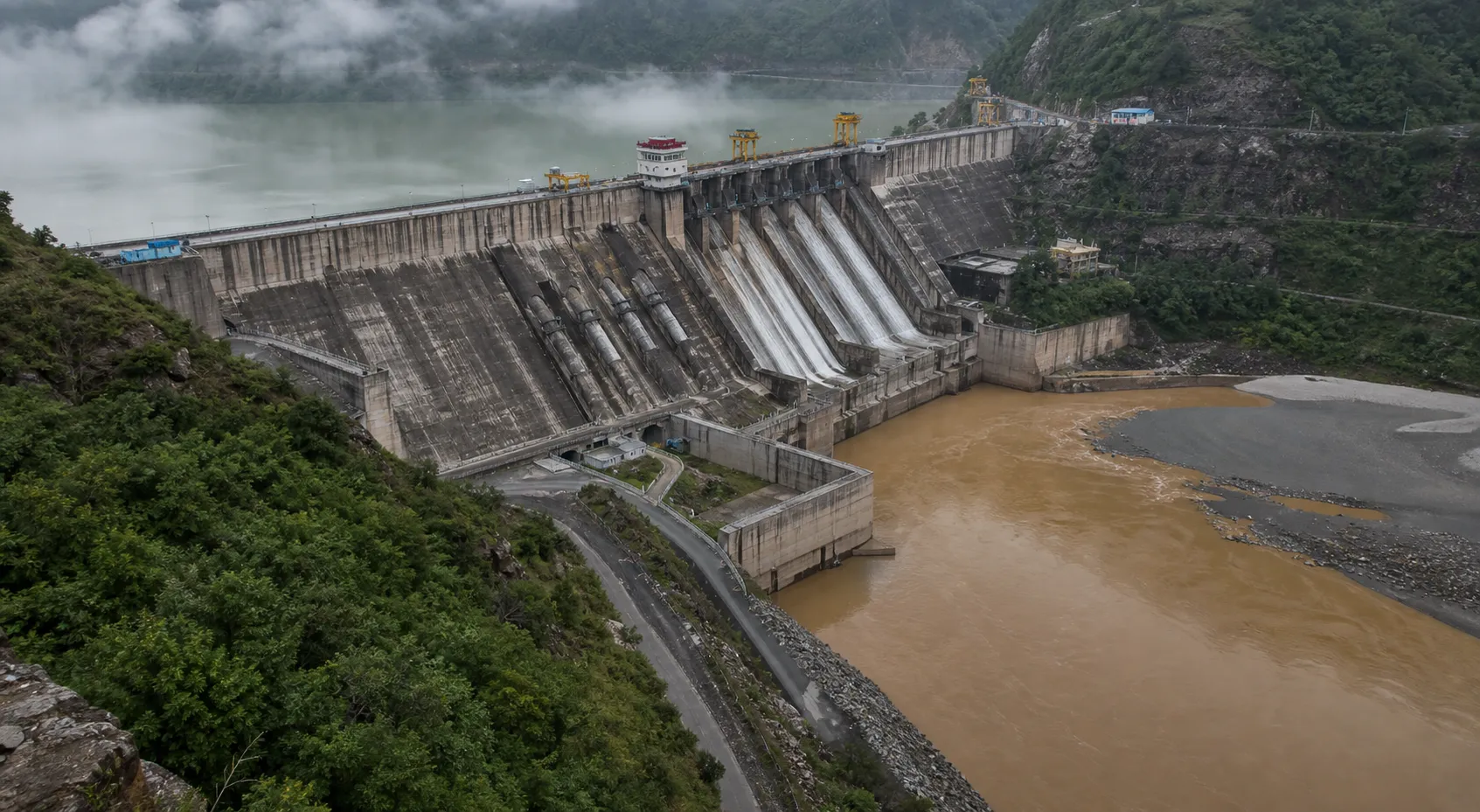

While Pakistan celebrates its role in the Iran peace deal, Dawn reported that Delhi has announced infrastructure projects to build canals that will divert water from Pakistan’s Chenab river system into India’s Beas basin. This is not speculation. This is an announced government project — confirmed by Dawn’s June 18 reporting on Pakistan-India relations.
Water does not generate the same headlines as wars or stock markets. But for 240 million Pakistanis whose food supply, drinking water, and electricity depend on the Indus river system, this announcement is as serious as any military development.

What the Chenab River Means to Pakistan
The Chenab is one of three western rivers allocated entirely to Pakistan under the 1960 Indus Waters Treaty — an agreement brokered by the World Bank between India and Pakistan after years of negotiations. The treaty divided the Indus basin’s six rivers:
Pakistan’s three rivers: Indus, Jhelum, Chenab (the western rivers). India’s three rivers: Ravi, Beas, Sutlej (the eastern rivers).
This division has held for 66 years — through three wars, the Kargil crisis, nuclear standoffs, and repeated diplomatic breakdowns. The treaty is one of the most durable international water agreements anywhere in the world.
The Chenab feeds irrigation networks across Pakistani Punjab — the province that produces over 70% of Pakistan’s wheat and rice. Millions of acres of farmland in Punjab and parts of Sindh depend on Chenab water flowing uninterrupted through Pakistan’s canal system. Any significant reduction in that flow hits crop yields for wheat, cotton, rice, and sugarcane — Pakistan’s four most critical agricultural products.
For the latest coverage on Pakistan-India tensions and bilateral relations, Al Jazeera’s Pakistan news and analysis section covers this developing story from an international perspective.

Why a Diversion Canal Is Different From Previous Disputes
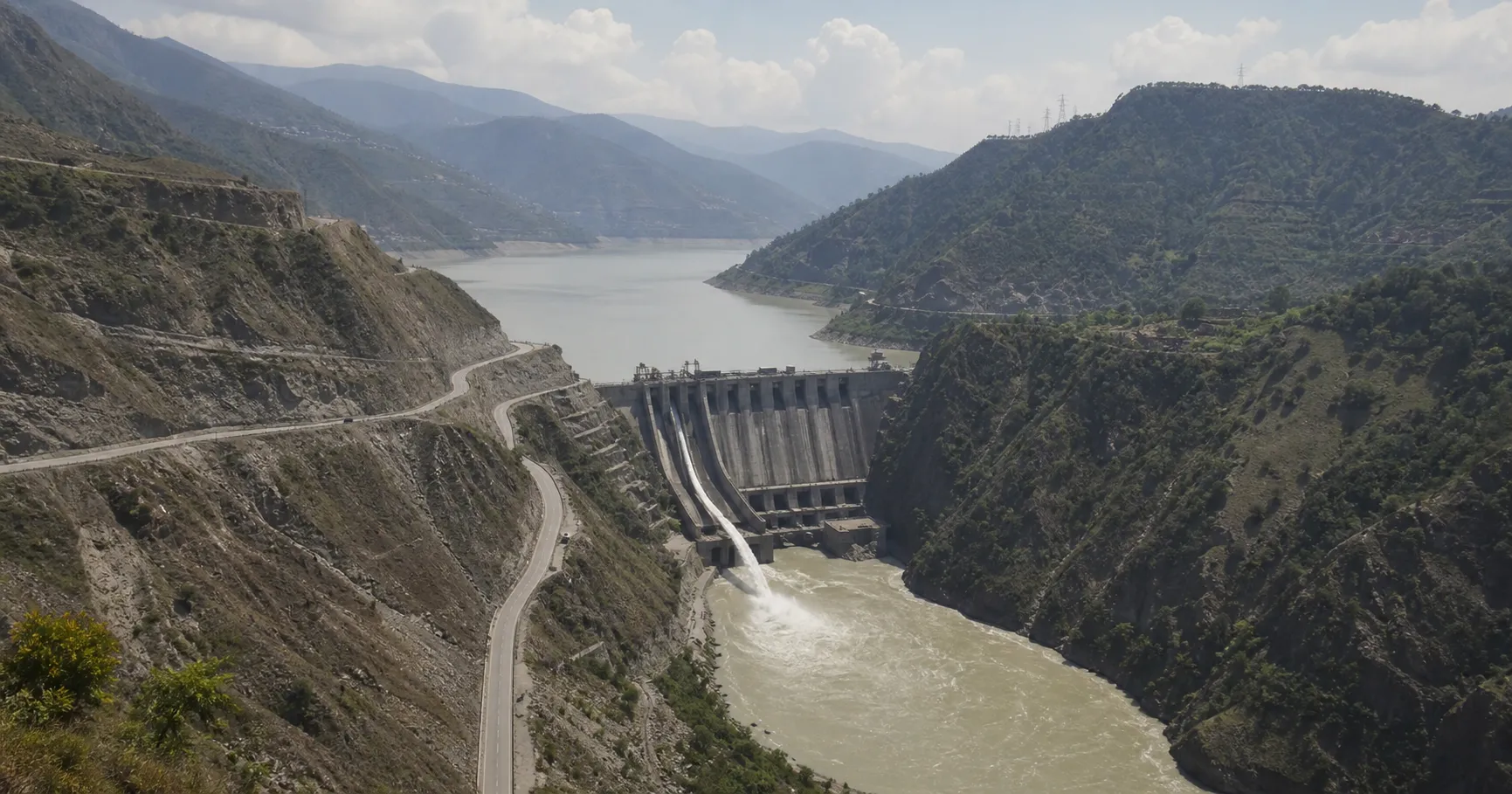
India has built hydroelectric projects on the Chenab before. The Kishanganga and Ratle dam projects both drew formal Pakistani objections at international arbitration panels, including proceedings at the International Court of Justice. Pakistan challenged those projects on the grounds that they reduced downstream river flow below treaty-minimum levels.
Hydroelectric dams generate electricity from a river’s flow and return the water to the channel. The water stays within the Chenab system and eventually reaches Pakistan. Diversion canals are fundamentally different. A canal built to carry Chenab water into the Beas basin physically removes that water from Pakistan’s allocated river. Once it enters the Beas watershed, it does not return.
That is not a dam dispute. That is a treaty violation in structural form.

Pakistan’s Current Diplomatic Position — and Why It Matters Here
Pakistan’s relationship with India is under serious strain. Pakistan’s airspace remains closed to Indian aircraft — a ban that was set to expire on June 24 with no confirmed extension or reversal yet announced. For background on the airspace situation and what it means for regional aviation, read our report on Pakistan’s airspace ban on India in 2026.
At the same time, Pakistan carries real diplomatic weight right now. The Islamabad MOU — the deal that ended the US-Iran war — bears Pakistan’s capital city’s name. The Qatari Prime Minister publicly thanked Pakistan. Prime Minister Shehbaz Sharif has the attention of world leaders. Read our full report on how Pakistan mediated the US-Iran peace deal.
That diplomatic capital is not infinite. It needs to be used strategically. Water security deserves to be on the same priority list as trade deals and investment negotiations. Pakistan’s water rights under the Indus Waters Treaty are not a secondary matter — they determine whether Pakistan can grow enough food to feed itself over the next 30 years.

What Pakistan Must Do Right Now
The Indus Waters Treaty has a three-tier dispute resolution mechanism. Pakistan must formally raise this development through treaty channels without delay.
- Step 1: File a formal objection through the Permanent Indus Commission — the bilateral body established under the treaty to manage exactly these disputes. Pakistan’s Commissioner for Indus Waters needs to request a meeting with India’s Commissioner and demand full technical disclosure of the canal projects.
- Step 2: Commission an independent engineering assessment. How much water would these canals divert? At what seasonal flow rates? In which months would the impact be greatest? Those technical answers determine the severity of the treaty violation and what legal arguments Pakistan can make in arbitration.
- Step 3: If bilateral engagement fails, escalate to World Bank arbitration under the treaty’s provisions. Pakistan has used this mechanism before — on the Kishanganga case — and won partial relief.
Water disputes move slowly. They develop over years, sometimes decades. Construction, once started, creates facts on the ground. Pakistan needs to begin the formal legal process now — before concrete is poured and canals are dug.
The Iran deal is a success. The water threat is the quiet crisis that demands the same level of strategic seriousness. 24PakTimes will continue monitoring this story and any official Pakistani government response to Delhi’s canal announcement.