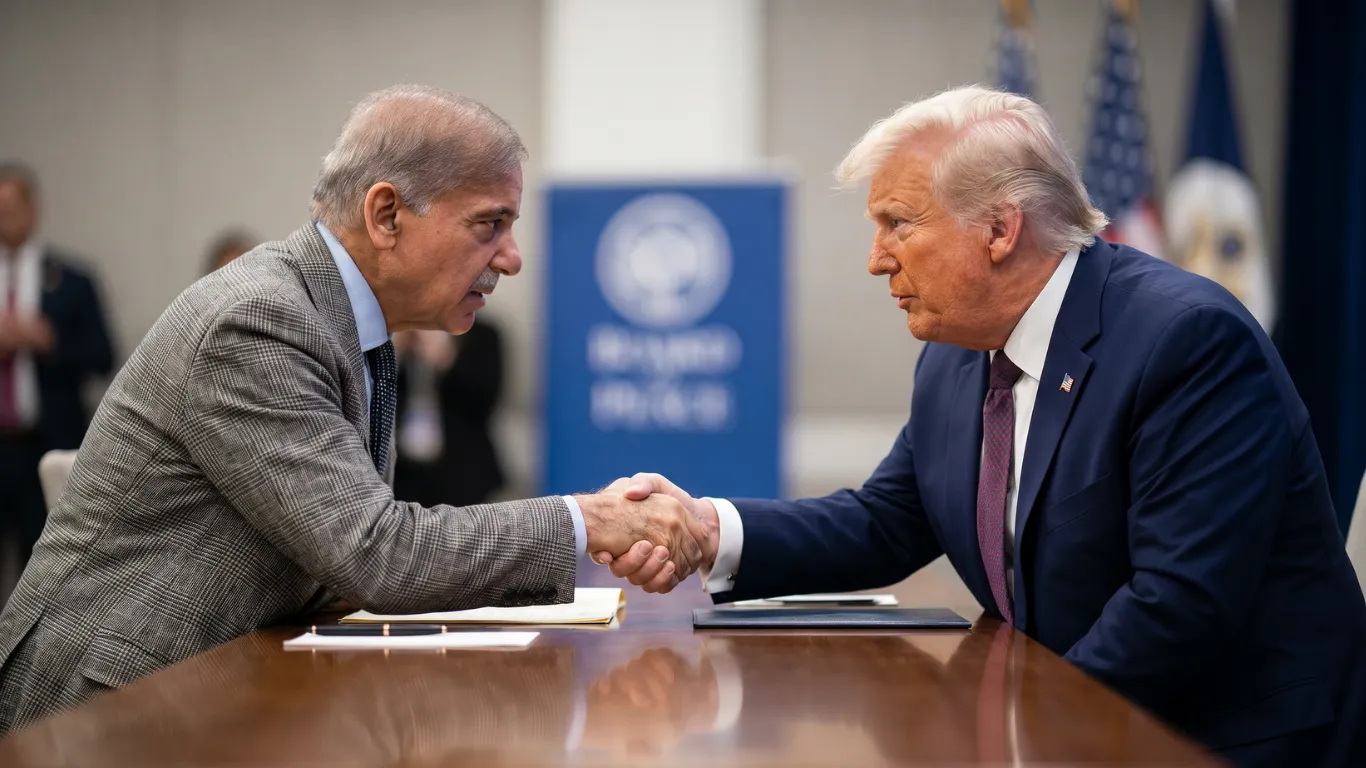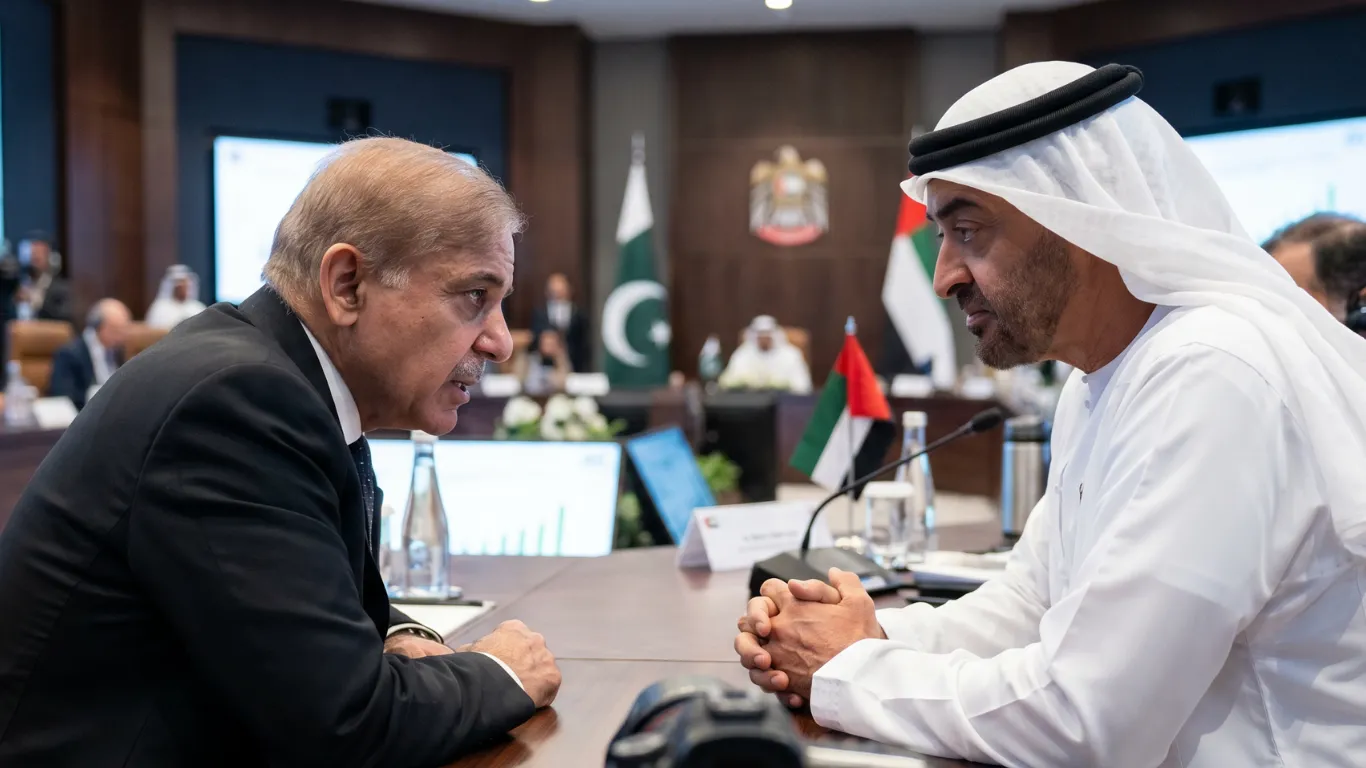

Everyone is reading the Bürgenstock outcome today — the 60-day roadmap, the Hormuz communication line, the Lebanon de-confliction cell. Those are the results. But behind those results lies a 24-hour drama that nearly ended in complete diplomatic failure — and an Interior Minister Mohsin Naqvi who prevented it.
This is what actually happened inside Bürgenstock on Sunday.
The Morning That Almost Ended Everything
Sunday morning at Bürgenstock started well. Delegations arrived. The opening ceremony proceeded with formal dignity. PM Shehbaz spoke. VP Vance spoke. The quadrilateral session between the US, Iran, Pakistan, and Qatar began.
Then Donald Trump went on Fox News.
According to MS NOW’s inside reporting, Trump gave an interview in which he described his message to Iranian officials: “You close it and you won’t have a country. You won’t even make it back to your f—— country. We may take over the strait, if we have to. If they don’t make a deal, we’ll collect tolls.” The timing was — in the most charitable possible framing — unhelpful. The Iranian delegation was sitting in a Swiss conference room negotiating peace while the US President threatened to destroy their country on live television.

Iran’s Reaction: Frustration, Then a Walk-Out Threat
According to MS NOW, a source inside the room when talks were taking place confirmed the Iranians were “frustrated” by Trump’s comments and that the first round ended earlier than expected as a direct result. Iran’s Parliament Speaker Ghalibaf responded publicly on X: “Don’t they ever think that if their threats had actually worked, they wouldn’t have reached this level of desperation today?”
Then the harder warning came. According to Al Jazeera’s live coverage, Iranian officials signalled that negotiations were stalled but not over — a razor-thin distinction that depended entirely on what happened in the next few hours. According to CNBC, the Strait of Hormuz question was simultaneously re-escalating, with Iran’s military command making renewed closure threats even as tanker traffic continued.
The Bürgenstock talks were dying. In real time. On a Sunday afternoon in Switzerland.

How Naqvi Saved the Bürgenstock Talks
This is where Pakistan’s role moved from ceremonial to operational — and where Interior Minister Mohsin Naqvi became the most important person in the building.
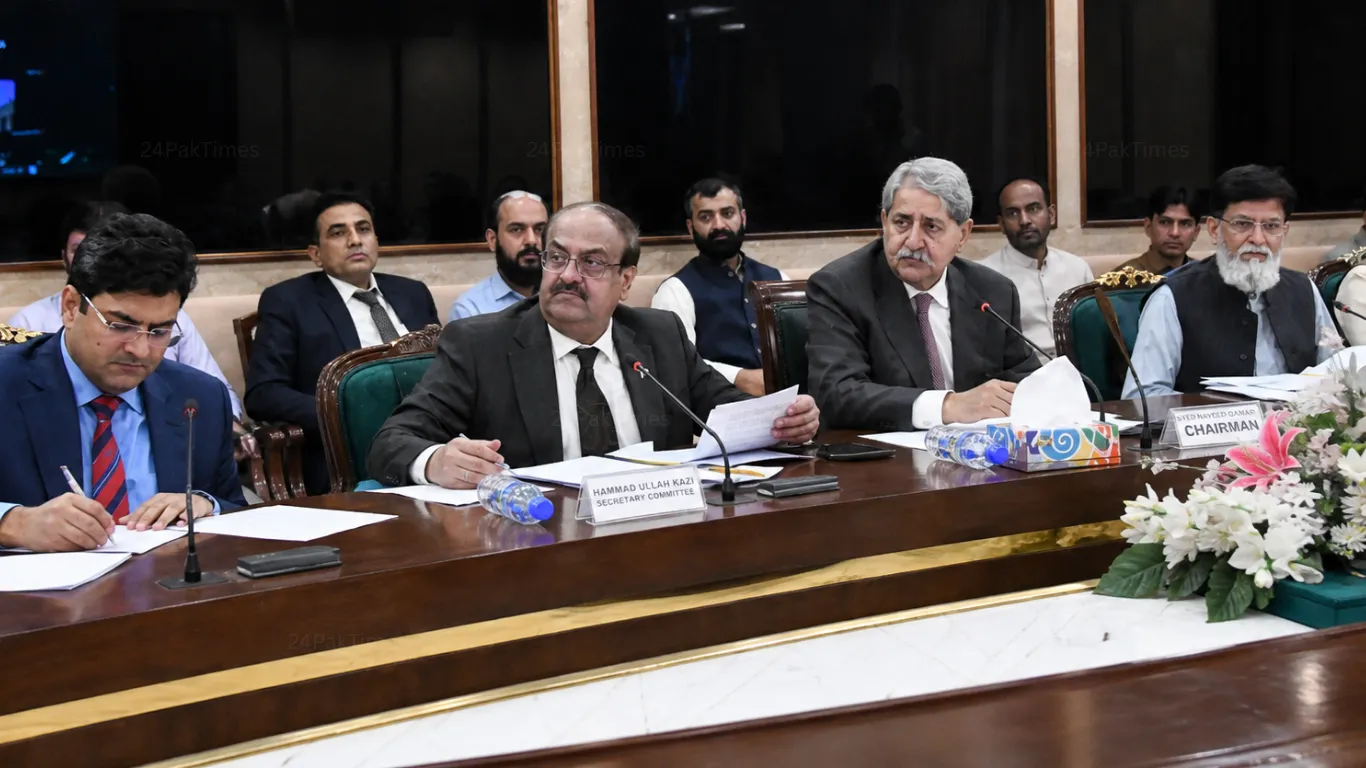
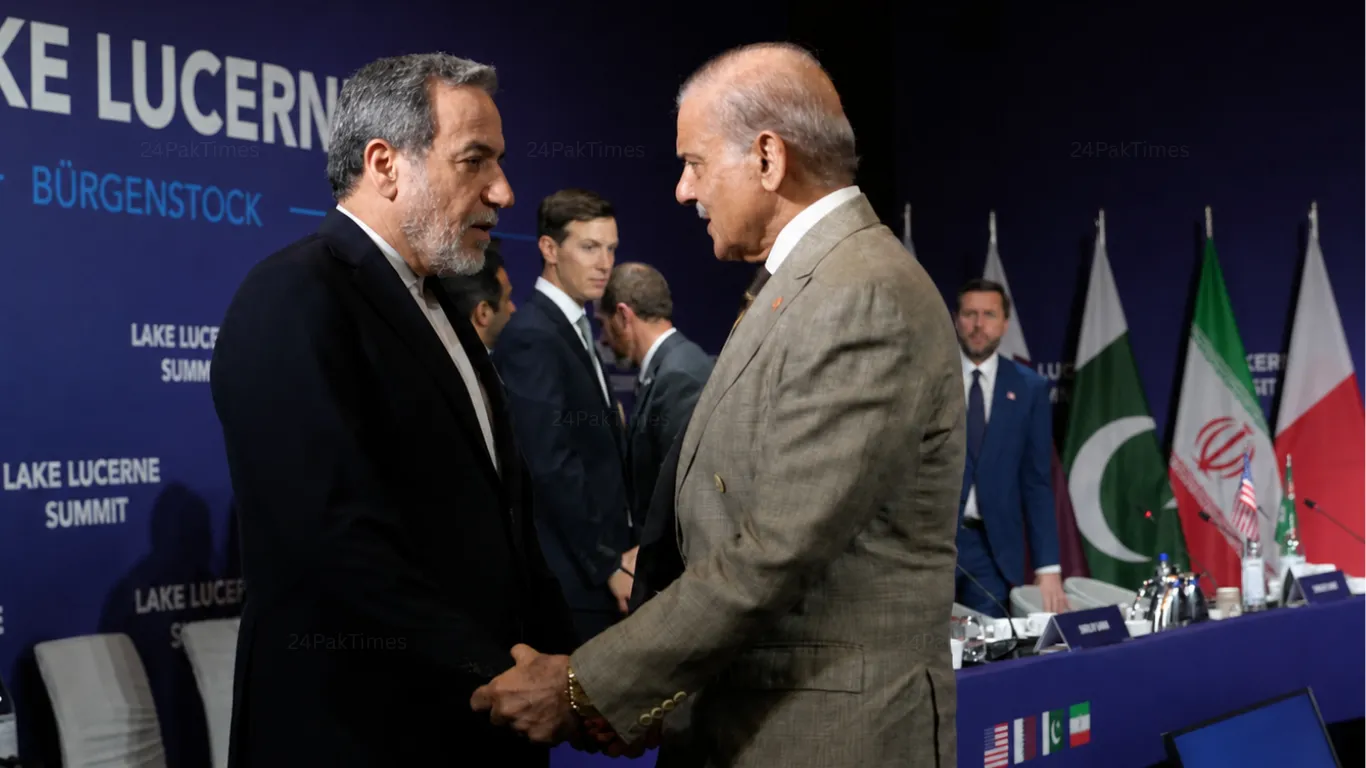
According to MS NOW, a senior Pakistani official with knowledge of the negotiations confirmed that Naqvi was meeting with the Iranian delegation in a last-ditch effort to keep them on site. The meeting was not a formal mediation session. It was a personal, direct conversation between a man the Iranians trusted and a delegation that was ready to walk out.
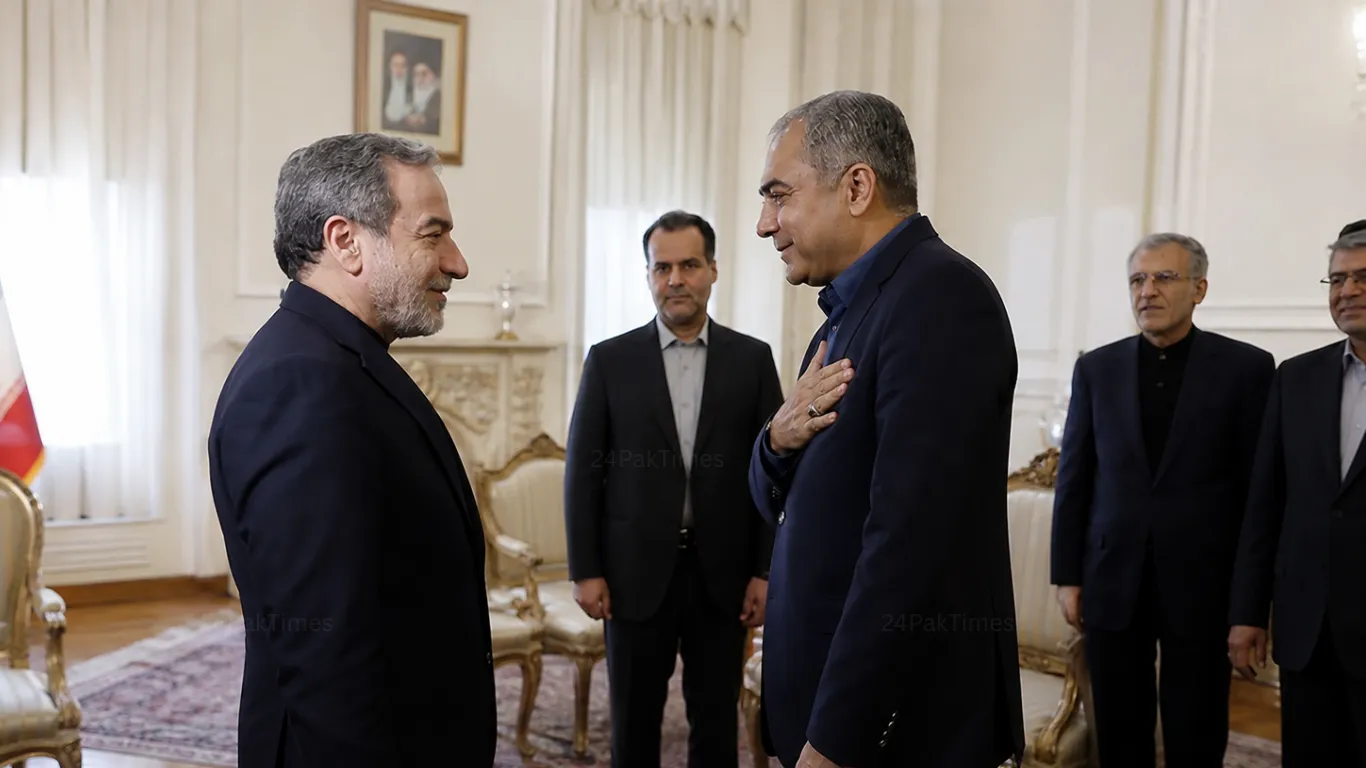
Naqvi had built that trust before arriving at Bürgenstock. His earlier visit to Tehran — meeting Foreign Minister Araghchi in person — had established a relationship that no other mediator possessed in that moment. The Iranians would not take a call from a US diplomat at that point. They might listen to a Pakistani minister who had sat across the table from them in Tehran days earlier.
The conversation happened. And according to the same Pakistani official, the outcome was confirmed shortly after: “The Iranians have come round.” Talks would continue.
Four words. The Bürgenstock talks were saved.
What Those Four Words Actually Meant
Without Naqvi’s intervention, there would have been no joint statement. No 60-day roadmap. No Hormuz communication line. No Lebanon de-confliction cell. The Islamabad MOU — the agreement that Pakistan brokered and signed at Versailles — would have become a dead letter within a week of signing.
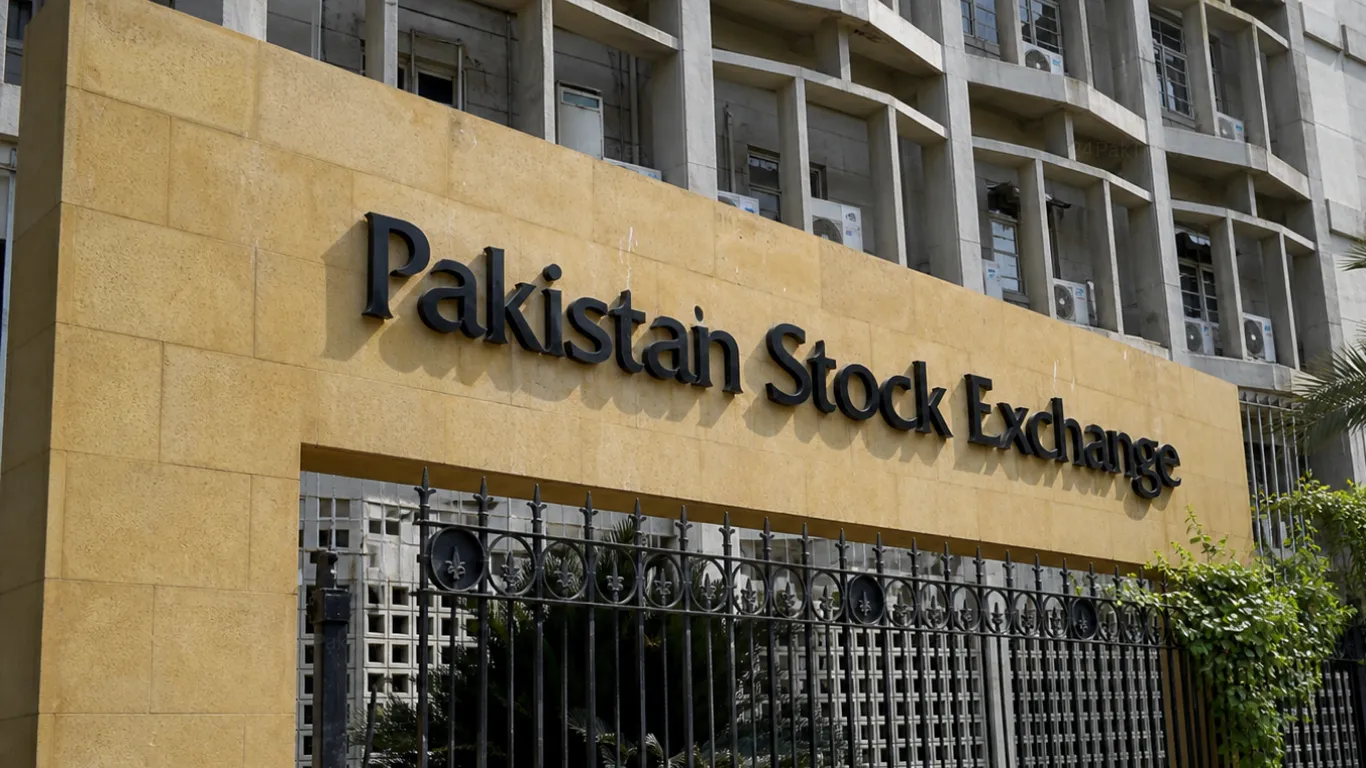
The petrol price cut to Rs299 depends on the deal holding. The PSX’s ability to recover from last Friday’s 2,500-point crash depends on the deal holding. And the deal holding on Sunday depended on one Pakistani minister being in the right room with the right relationships at the right moment.
According to Fox News’ round summary, VP Vance acknowledged the process as a “delicate coordination dance” — a phrase that understates what actually happened. What Pakistan did at Bürgenstock is not coordination. It is active crisis management.
Turkey’s Warning — Israel Is Still the Saboteur Waiting
Even as Naqvi was pulling the talks back from the brink, the external threat from Israel remained. Turkey’s Foreign Minister Hakan Fidan put it plainly: “There is always an Israel waiting in the corner, ready to sabotage the process as soon as it finds the opportunity.”
The Lebanon ceasefire is the most fragile element of the entire framework. The de-confliction cell agreed at Bürgenstock is a mechanism — not a guarantee. Israel’s continued strikes on Lebanon remain the single factor that Pakistan cannot control from the negotiating table. The PM Shehbaz-Vance bilateral likely addressed this directly — because if Israel escalates before the 60-day window closes, Iran has stated clearly it will exit the final deal negotiations.
The Three Things That Made Pakistan’s Intervention Work
Personal relationships. Naqvi’s Tehran visit meant the Iranians trusted him as a person, not just as a representative of a state. In a crisis moment, people respond to people — not institutions.
Physical presence. Pakistan sent its Prime Minister, its Chief of Defence Forces, and its Interior Minister to Bürgenstock — not a junior diplomat on a video call. When the crisis hit Sunday afternoon, Pakistan’s decision-makers were in the building. That made Naqvi’s intervention possible. A Zoom call from Islamabad would not have achieved the same result.
Genuine neutrality. Pakistan has maintained working relationships with both Washington and Tehran throughout this conflict — without being aligned with either side’s military objectives. That dual access is rare. And it is what makes Pakistan an effective mediator when both sides need a channel that neither controls.
What Happens Next
The technical talks continue this week at Bürgenstock. Pakistan and Qatar remain co-mediators. The 60-day countdown is confirmed. The next test of whether Pakistan’s Bürgenstock intervention holds will come the next time Trump makes a public statement that threatens to destabilise the room — and that is not a hypothetical. It is a near-certainty.
24PakTimes will continue inside coverage of the Switzerland process as it develops through the week.