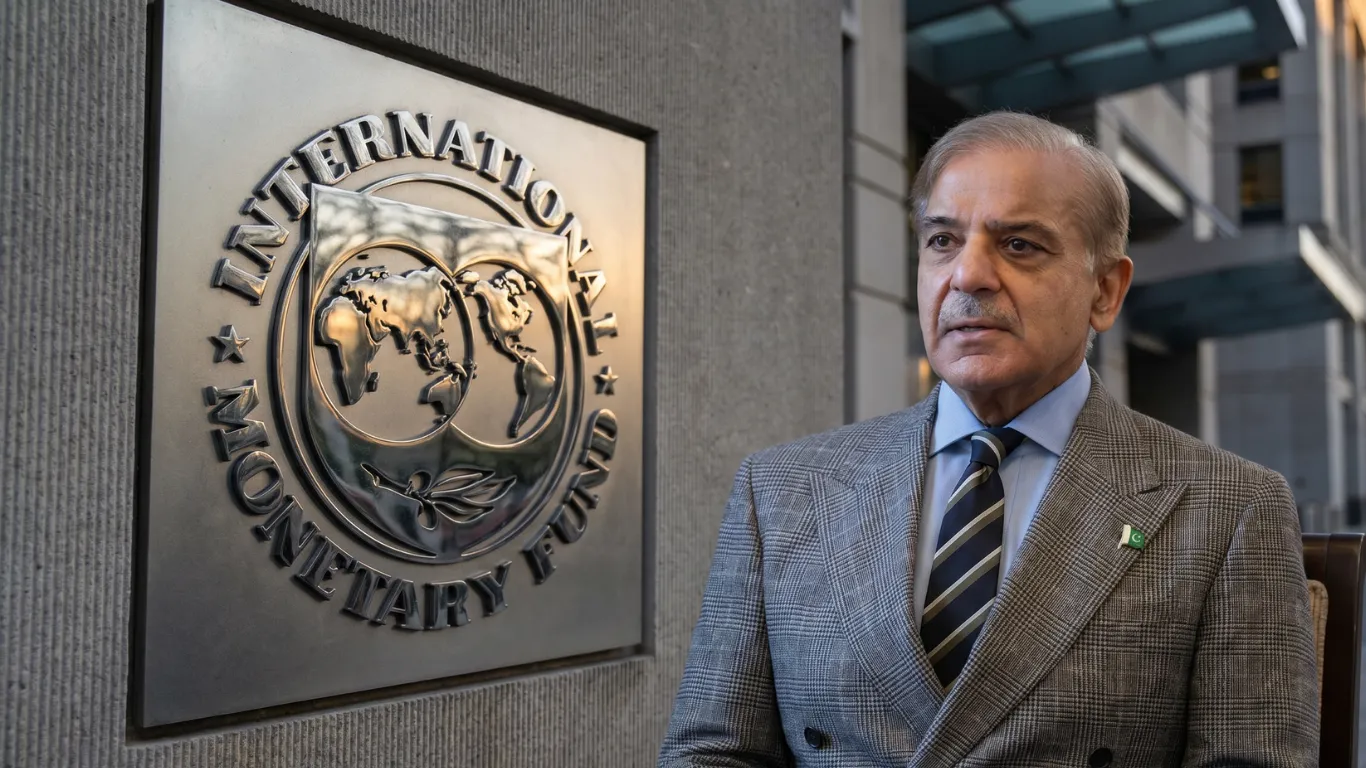

Pakistan e-passport switch 2026 is now official. According to The Nation, Interior Minister Mohsin Naqvi announced on Friday that the federal government has decided to phase out machine-readable passports (MRPs) by switching fully to electronic passports. The announcement was made during a special high-level meeting chaired by the minister.
The Pakistan e-passport switch 2026 affects every citizen who currently holds a passport or plans to apply for one. Here is what is confirmed, what is still unclear, and what you should do right now.
What Is the Pakistan E-Passport Switch 2026
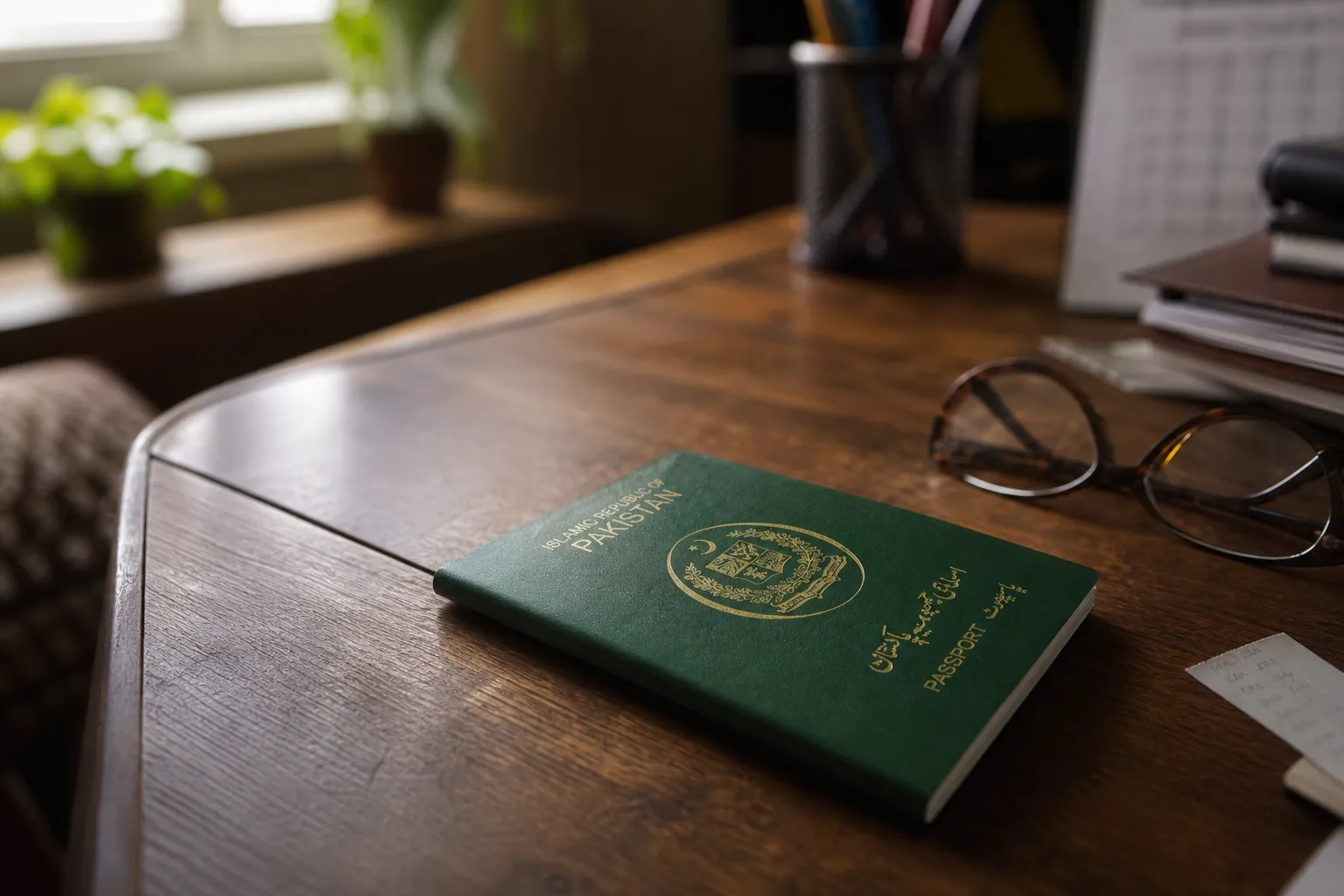
Pakistan is moving from the current Machine-Readable Passport (MRP) system to a fully electronic passport — the internationally recognised e-passport. The e-passport contains an embedded electronic microchip that stores the holder’s biometric data: fingerprints, facial photograph, and personal identification information. The chip is protected by digital encryption, making e-passports significantly more resistant to forgery and tampering than traditional MRPs.
Pakistan introduced its first e-passports in 2022 — but they were only available as an optional premium upgrade at higher processing fees. The Pakistan e-passport switch 2026 changes that entirely: MRPs will eventually stop being issued, making the e-passport the only option for all new and renewed documents. Over 140 countries have already completed this transition, and the International Civil Aviation Organization (ICAO) has been pushing remaining member states to follow.
What We Do Not Know Yet About the E-Passport Switch
Here is where critical clarity is still missing. According to Dawn, no cutoff date has been announced for phasing out old MRP passports. Your existing valid MRP passport remains valid until its printed expiry date — no immediate action is required.
Key questions that the Pakistan e-passport switch 2026 announcement has not yet answered:
- When does MRP issuance stop? No specific date confirmed by DGIP
- Will existing MRPs be accepted internationally? Yes — ICAO standards require acceptance of all valid passports until expiry
- Will e-passport fees change? Currently e-passports cost more than MRPs. Whether fees are revised when e-passport becomes the only option is unconfirmed
- Will processing times change? Chip embedding adds production time — passport offices already facing backlogs could be affected
- Are all Pakistani embassies ready? Consulate technical readiness for chip encoding abroad is unconfirmed
24PakTimes will update this article when the Directorate General of Immigration and Passports (DGIP) publishes specific dates and fee structures.
Why Pakistan Is Making the E-Passport Switch Now
The timing of the Pakistan e-passport switch 2026 is connected to three converging factors.
First, ICAO compliance. The global aviation body has been tightening passport standards, and countries that fall behind risk their citizens facing additional screening or processing delays at international borders — particularly in the UK, EU, and North America.
Second, security. MRPs are more vulnerable to forgery than chip-embedded e-passports. For a country whose citizens travel extensively to the Gulf states — where Pakistani workers send home billions in remittances — stronger passport security directly improves visa processing and border clearance. The diplomatic context matters here too: Pakistan’s enhanced standing following the Islamabad MOU has accelerated several modernisation pushes, including this e-passport switch. For context on Pakistan’s broader international positioning, see our Pakistan airspace ban analysis.
Third, modernisation signal. An e-passport system signals to the international community that Pakistan is upgrading its civil documentation to global standards — consistent with the country’s ambitions as a serious diplomatic and economic partner.

What the E-Passport Switch Means for Overseas Pakistanis
This is the question that 9 million overseas Pakistanis — primarily in the Gulf states, the UK, the US, and Canada — are asking. Many renew passports through Pakistani embassies and consulates, where processing delays are already a persistent frustration.
The Pakistan e-passport switch 2026 will require all Pakistani missions abroad to have chip encoding infrastructure in place. Whether every consulate is ready is not yet confirmed. If the switch timeline is aggressive and consulates are not equipped, overseas Pakistanis could face longer-than-usual renewal delays during the transition.
The Pakistan budget debate 2026 currently underway in the National Assembly has not yet addressed the infrastructure investment needed to support this switch at overseas missions — another question that lawmakers should be pressing.

What Pakistani Citizens Should Do Right Now
If your passport expires in 2026 or early 2027: Consider renewing now while MRPs are still being processed, if you want to avoid potential delays during the transition period.
If your passport is valid for 3+ years: No action needed. Your MRP remains fully valid until its printed expiry date.
If you are applying for the first time: Check with your local passport office — in Islamabad, Karachi, Lahore, and Peshawar, e-passport facilities are already operational.
For overseas Pakistanis: Contact your nearest Pakistani embassy or consulate to confirm e-passport availability and processing timelines before booking an appointment.

What Happens Next
The Pakistan e-passport switch 2026 requires DGIP to publish a formal notification with specific implementation dates, fee structures, and a transition timeline for overseas missions. That notification has not yet been issued.
24PakTimes will update this article the moment DGIP publishes official implementation details.