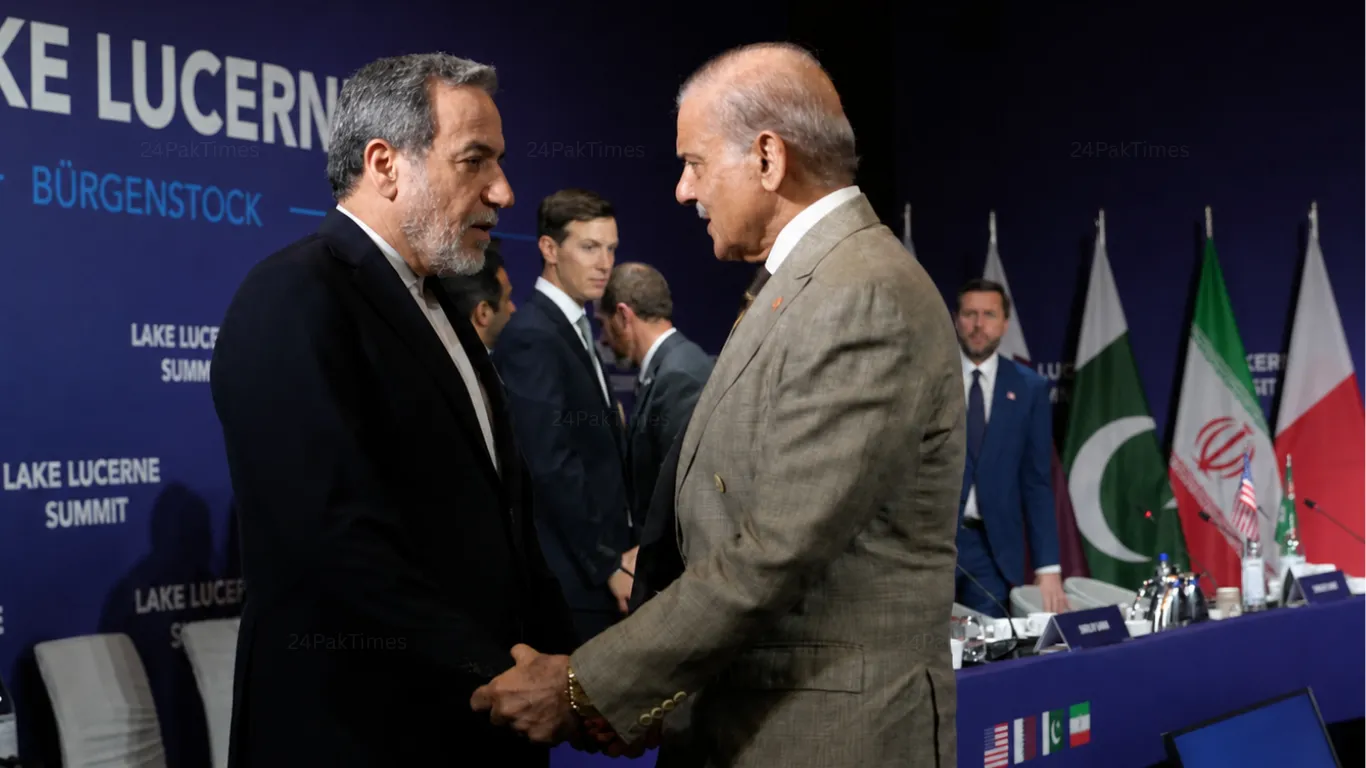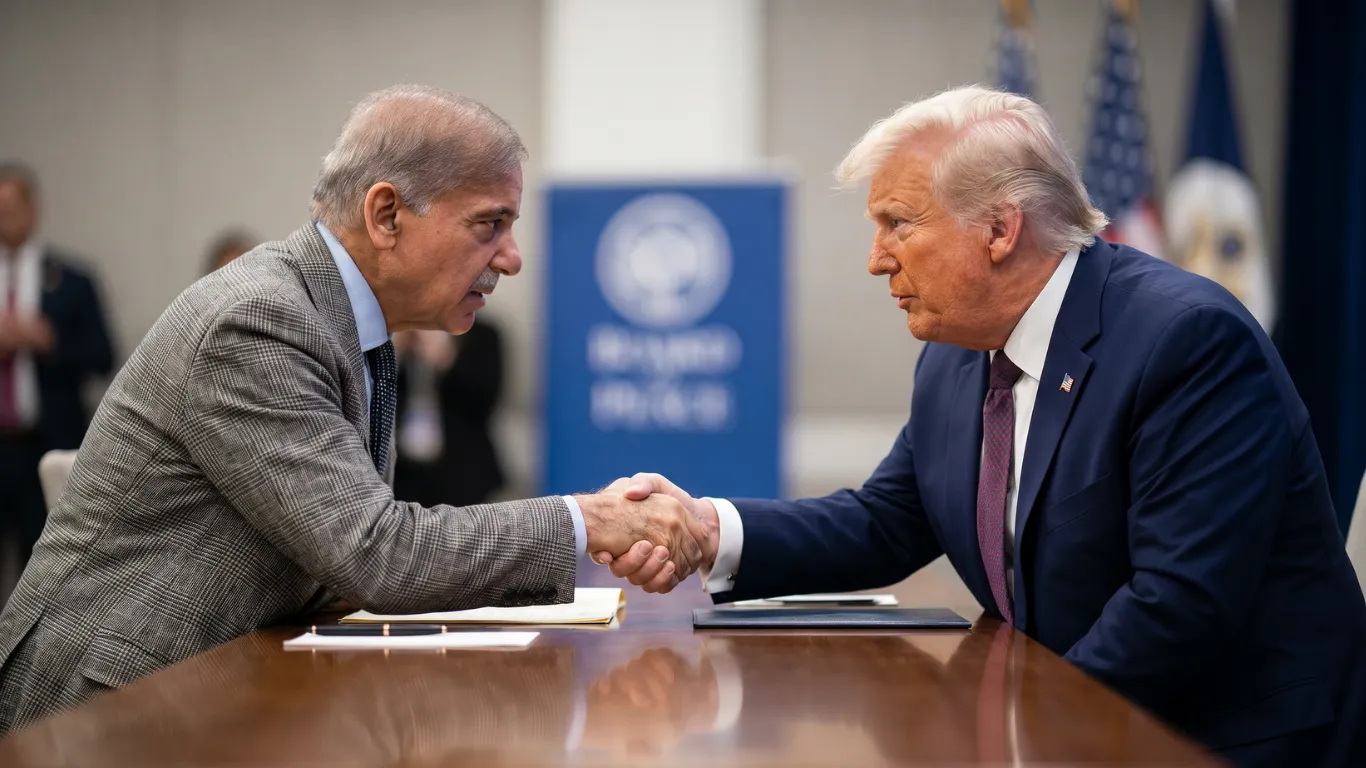
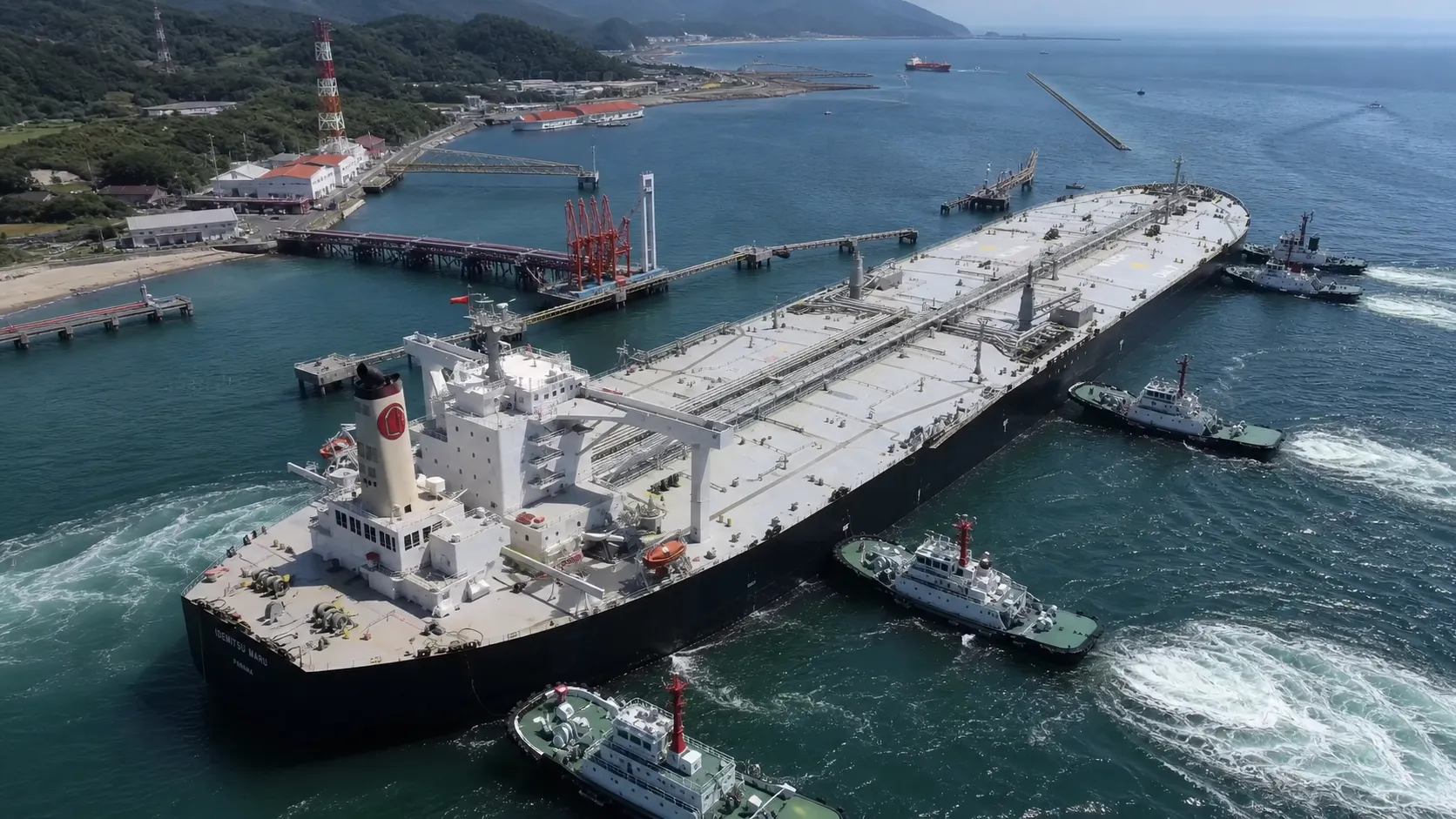

The United States has formally opened the oil taps for Iran — and Pakistan is among the first countries to feel the benefit. According to Click on Detroit’s reporting, the US Treasury Department has issued a 60-day general license allowing Iran to produce, transport, and sell crude oil, petrochemicals, and petroleum products through August 21, 2026. US suspends Iran oil sanctions — and the global energy market has already responded.
This is the most significant Iran sanctions relief since the original JCPOA in 2015. For Pakistan — one of the countries most directly affected by Middle East energy volatility — the implications are substantial and immediate.
What the US Suspension of Iran Oil Sanctions Actually Allows
The scope of the US suspension of Iran oil sanctions is broader than most initial reports indicated. According to Dawn’s Bürgenstock summary, Treasury Secretary Scott Bessent confirmed the move follows productive talks in Switzerland, and that Iran has committed to ensuring free Strait of Hormuz transit and allowing IAEA inspector access in exchange for the oil revenue relief.
The 60-day license permits Iran to transact oil sales in US dollars — a detail that matters enormously. Previous Iranian oil sales, even when sanctions were loosely enforced, were conducted through barter or non-dollar currencies, limiting Tehran’s buying power and making trade complex. Dollar access removes that friction, meaning Iranian oil can now re-enter mainstream global markets cleanly. The deal also unlocks $12 billion in previously frozen Iranian assets — money that Iran’s economy desperately needs for reconstruction after the war.
The trade structure is: oil revenues and frozen assets for nuclear transparency and Hormuz stability. If Iran honours both commitments through August 21, this waiver could become permanent under the final deal. If Iran blocks IAEA inspections or closes the Strait, US suspends Iran oil sanctions relief expires and prices spike.
How the US Suspension of Iran Oil Sanctions Affects Global Crude Prices
Iran’s oil production capacity is approximately 3.2 million barrels per day. With the US Iran oil sanctions suspended, analysts expect exports to increase by 500,000 to 1 million barrels per day within weeks as production scales back up. More supply means lower prices.
Brent crude is already trading near $78–80 per barrel — down from over $100 during the peak of the conflict and from over $120 when Iran closed the Strait of Hormuz in June. If Iranian oil floods the market through August, crude could fall toward $70–75. That would directly reduce petrol and diesel costs in Pakistan through the new weekly pricing mechanism.
What US Iran Oil Sanctions Relief Means for Pakistani Consumers
The connection between Iran oil sanctions and Pakistani fuel prices is now direct and documented. The petrol price cut to Rs299.78 per litre announced last Friday was explicitly linked to falling crude following the Islamabad MOU signing and the Bürgenstock 60-day roadmap. The US suspension of Iran oil sanctions is the next step in that same chain.
Pakistan imported approximately $12.5 billion worth of petroleum products in FY26. Every $1 drop in Brent crude saves Pakistan approximately $150–200 million per year on its import bill. If crude drops from $80 to $72, Pakistan saves over $1 billion annually — money that either reduces the current account deficit or reaches consumers as lower pump prices.
The next petrol price revision is June 26. If Brent holds below $78 through Thursday, another cut of Rs10–15 per litre is plausible. Since the March war-spike peak of Rs458.40, Pakistani consumers would then have saved over Rs170 per litre cumulatively — approximately Rs8,500 per 50-litre car fill compared to the worst point.

The Iran-Pakistan Gas Pipeline: Is the Moment Finally Here?
With US Iran oil sanctions temporarily suspended, one long-stalled project resurfaces urgently: the Iran-Pakistan gas pipeline. The $7.5 billion project was designed to bring Iranian natural gas into Pakistan through Balochistan. Pakistan completed its section of the pipeline years ago. US sanctions on Iran prevented the final connection.
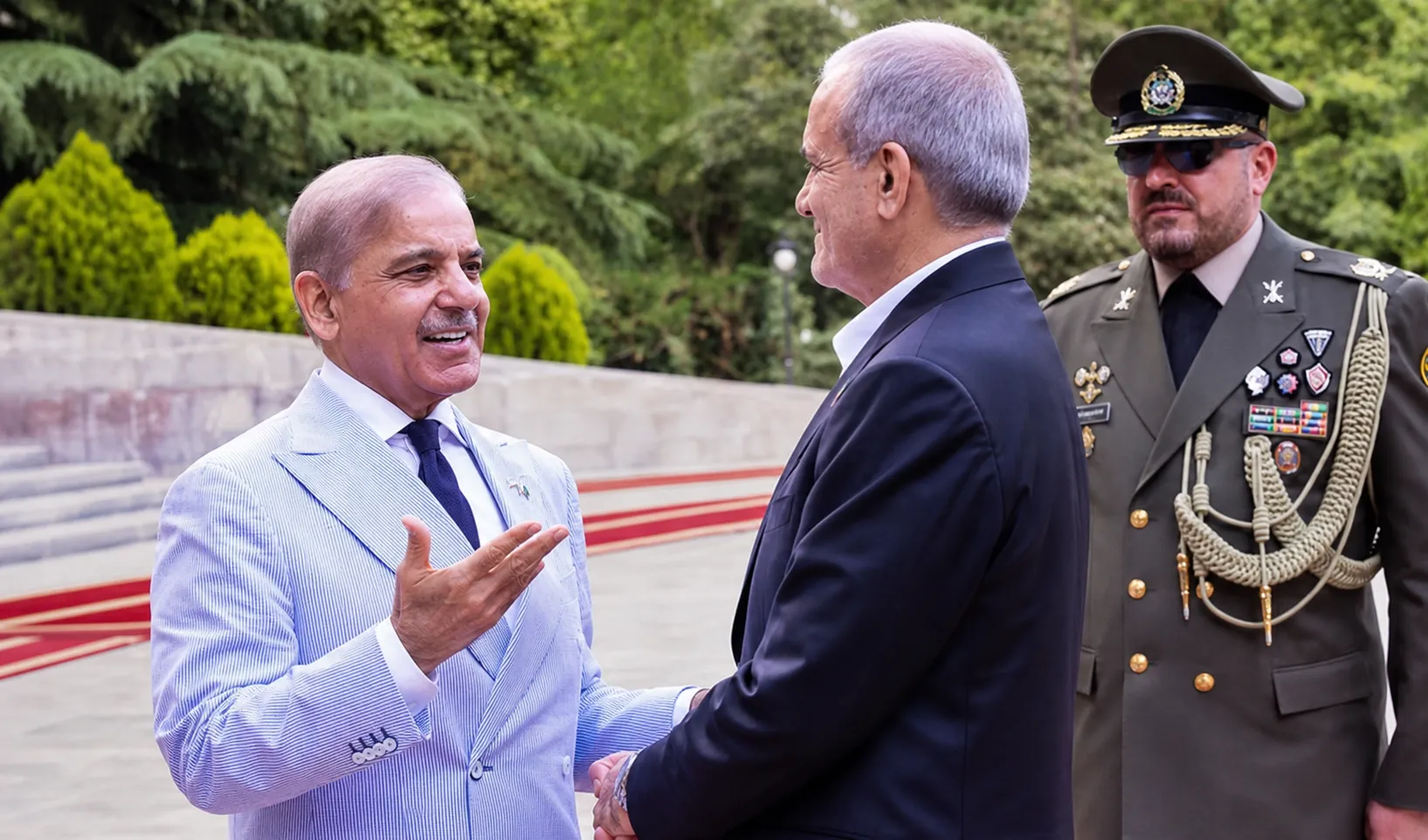
With a 60-day waiver now active — and the possibility of permanent sanctions removal under the final deal — the diplomatic conditions for pipeline revival are better than they have been in over a decade. Iran’s President Pezeshkian’s visit to Islamabad today could include formal energy cooperation discussions. No official confirmation has been released, but the timing makes this conversation almost inevitable.

The Risk: What If the US Iran Oil Sanctions Waiver Expires
The 60-day US suspension of Iran oil sanctions closes on August 21, 2026. If the final deal is not reached by then — or if Israel’s Lebanon operations cause Iran to exit the negotiations — the waiver expires. Sanctions snap back automatically. Oil prices spike. Pakistan’s fuel relief reverses. The PSX gains since June unwind.
Pakistani consumers should understand that the current fuel relief is real — but conditional. It depends on diplomacy succeeding in Switzerland over the next 58 days.
What Happens Next
24PakTimes will track Brent crude prices and Pakistani fuel costs throughout the 60-day waiver period and report on whether the June 26 weekly petrol revision delivers the cut that current oil prices justify.