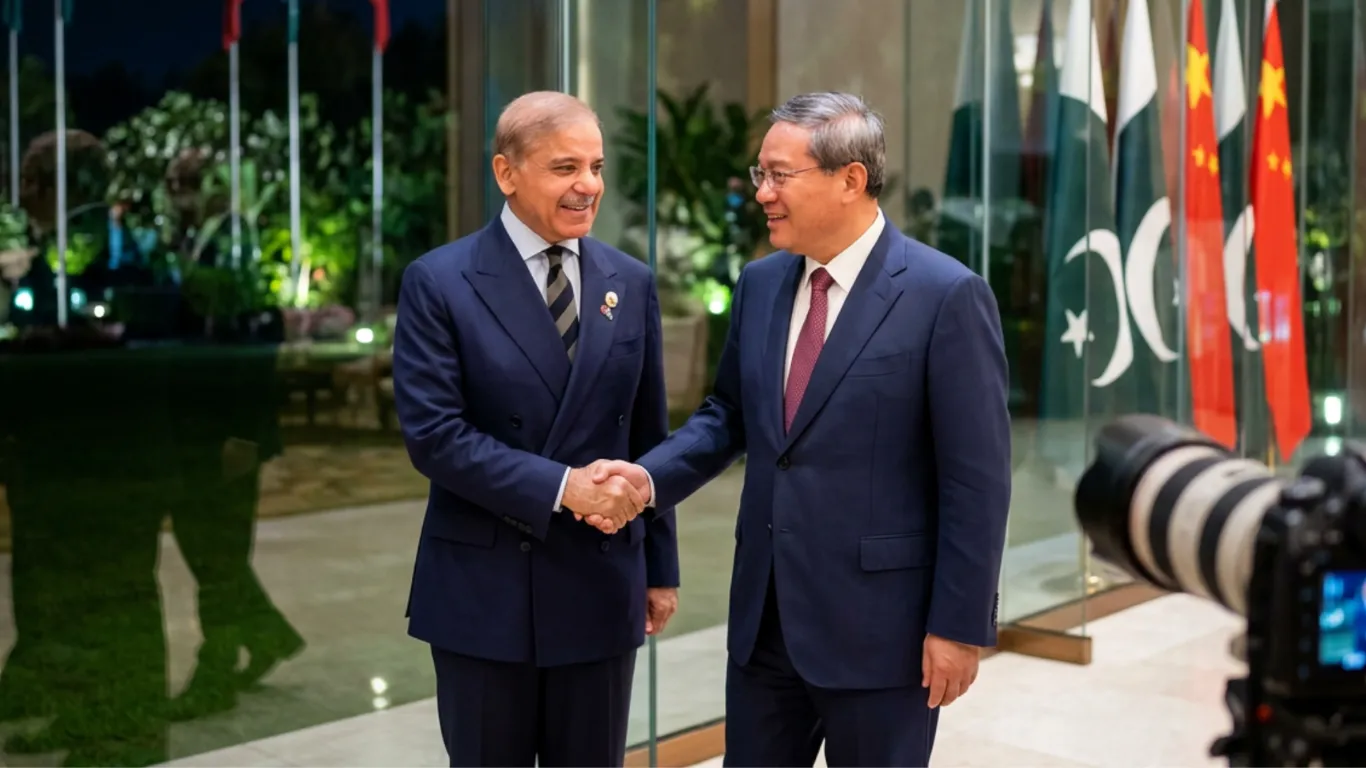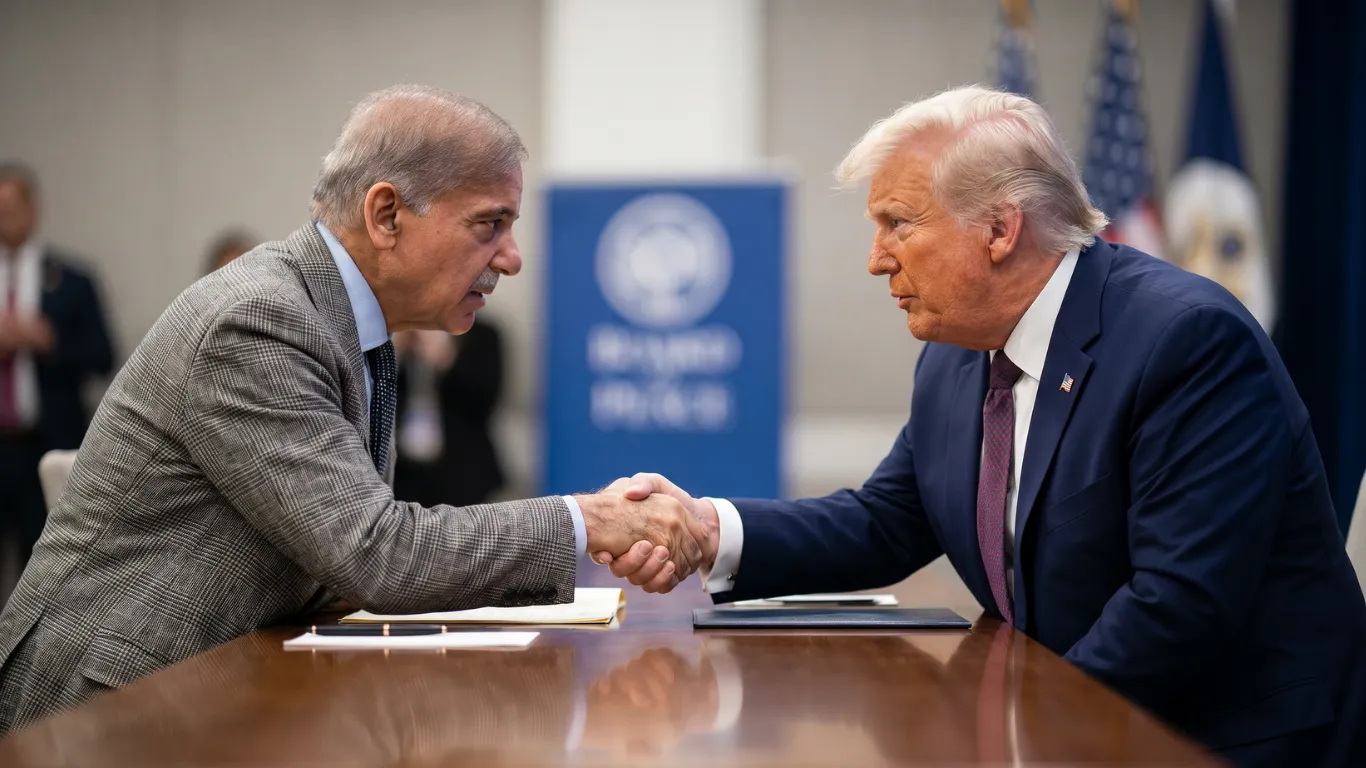
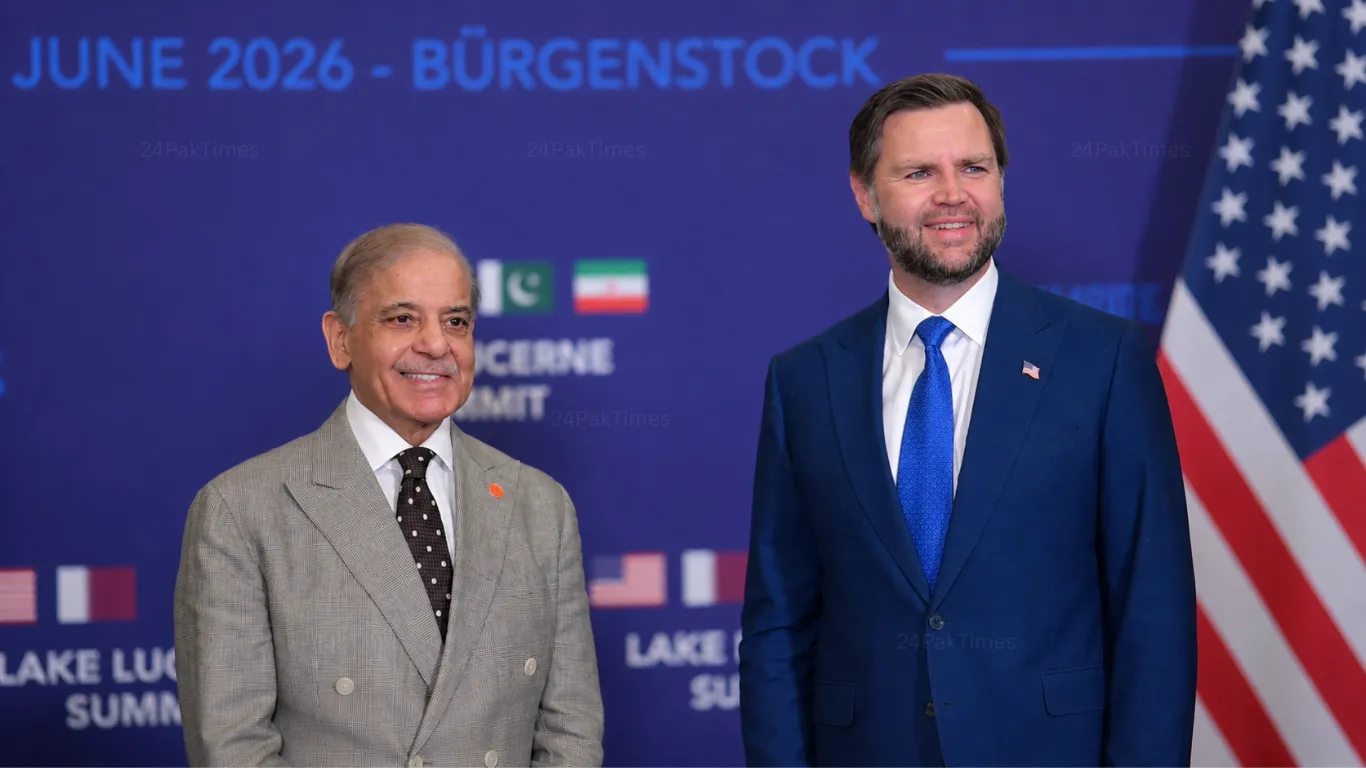

PM Shehbaz Sharif and Chief of Defence Forces Field Marshal Syed Asim Munir have arrived at the Bürgenstock luxury resort overlooking Lake Lucerne, Switzerland — and they are not there as observers. According to Dawn, PM Shehbaz met US Vice President JD Vance on the sidelines of the high-level Islamabad MOU implementation talks today, June 21. The Foreign Office confirmed that PM Shehbaz is also holding separate bilateral interactions with delegations from Iran, Qatar, Switzerland, and the US — reaffirming Pakistan’s role as the deal’s architect and guarantor.
Pakistan is not just at the table at Bürgenstock. Pakistan is shaping the conversation.
Who Is at Bürgenstock Right Now
The delegations assembled at Bürgenstock are the most senior gathering since the Islamabad MOU was signed at Versailles on June 17. According to Switzerland’s Federal Department of Foreign Affairs, confirmed by CNBC: “The US delegation, led by US Vice-President JD Vance, the Iranian delegation, led by the Speaker of the Iranian Parliament Mohammad Bagher Ghalibaf, and the mediators — Pakistan and Qatar — have all arrived at Bürgenstock.”
US delegation: VP JD Vance leads, flanked by Jared Kushner and Steve Witkoff. According to CNBC, Vance told reporters before boarding his flight that he hoped to “make progress on the nuclear issue” and “the Lebanon ceasefire issue.”
Iran delegation: According to Dawn, the Iranian team is led by Parliament Speaker Mohammad Bagher Ghalibaf and Foreign Minister Abbas Araghchi, accompanied by Central Bank Governor Abdolnaser Hemmati, NIOC CEO Hamid Bovard, and Deputy FM Kazem Gharibabad.
Pakistan delegation: According to ANI News, PM Shehbaz Sharif and Field Marshal Asim Munir have landed in Zurich and proceeded to Bürgenstock with a senior-level delegation from the Prime Minister’s Office and Foreign Ministry.
Qatar: According to Times of Israel, Sheikh Mohammed bin Abdulrahman Al Thani — Qatar’s Prime Minister and Foreign Minister — has also arrived, confirming Qatar’s co-mediator status alongside Pakistan.
The Shehbaz-Vance Bilateral: What It Means
The bilateral meeting between PM Shehbaz, Field Marshal Munir, and VP Vance is the most consequential Pakistan-US interaction in years. According to CNBC’s reporting, VP Vance waited alongside Kushner and Witkoff to receive the Pakistani delegation at Bürgenstock — a protocol detail that speaks volumes about Washington’s respect for Islamabad’s mediating role.
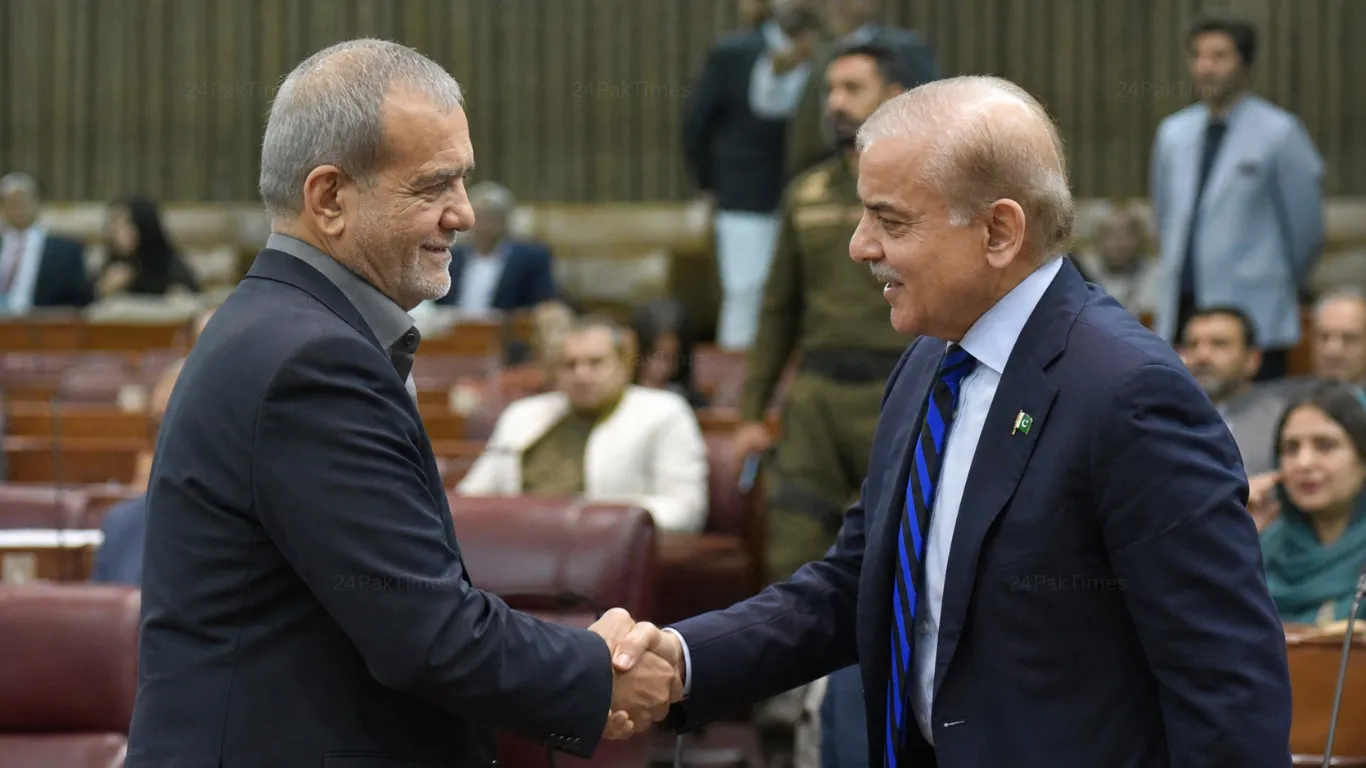
According to The Express Tribune, PM Shehbaz is holding bilateral talks with every participating delegation — US, Iran, Qatar, and Switzerland individually — before the broader multilateral session. That structure places Pakistan at the centre of every conversation happening at Bürgenstock today, not just as a witness but as the connective tissue between parties that do not fully trust each other.
According to Dawn: “Pakistan’s facilitative role underscores its principled, balanced, and constructive approach throughout the crisis, including hosting earlier rounds of US-Iran talks and sustained diplomatic contacts that culminated in the Islamabad MOU.” For the full context of how this moment was built, our Islamabad MOU 14-point explainer traces every step from Mohsin Naqvi’s Tehran visit to today’s Bürgenstock session.
Why Field Marshal Munir’s Presence at Bürgenstock Matters
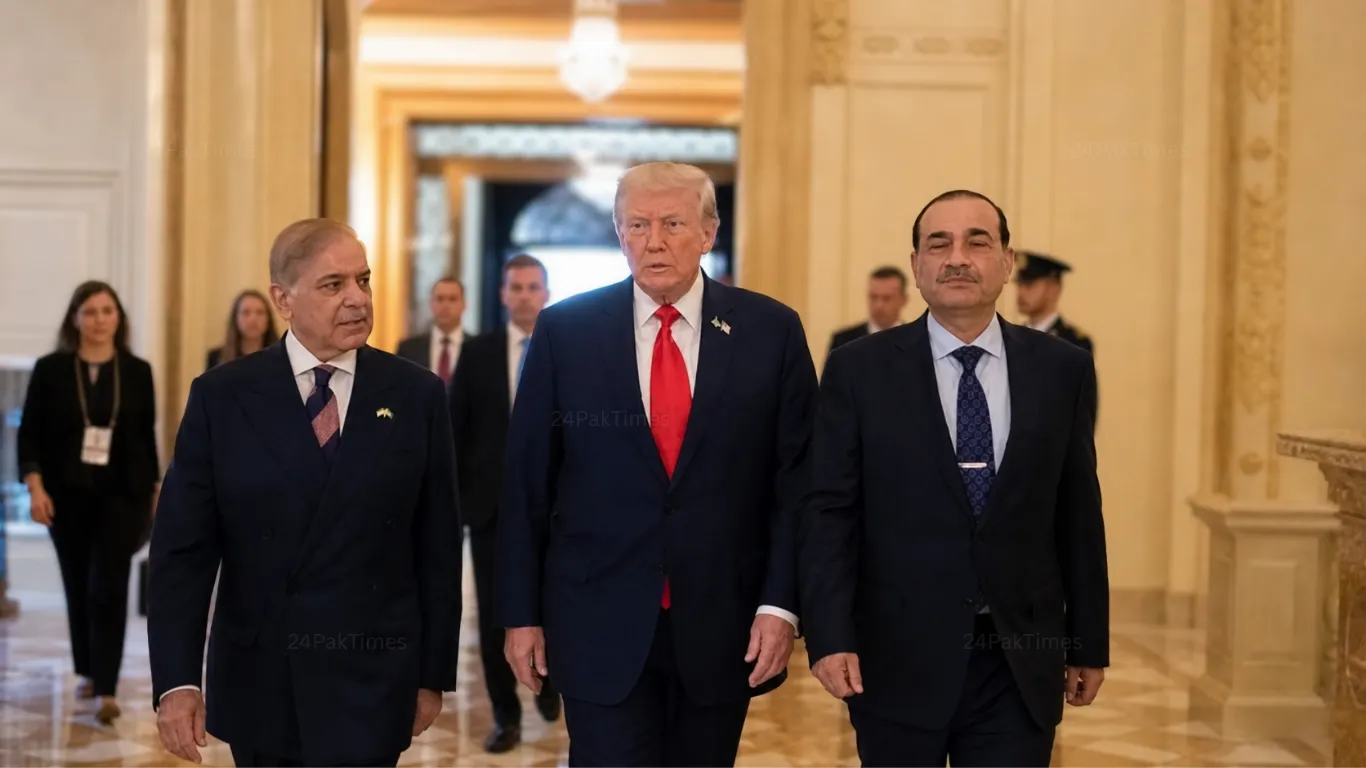
Field Marshal Asim Munir is not at Bürgenstock for optics. His presence carries specific weight rooted in history. During the original April negotiations in Islamabad, Munir participated in approximately 21 hours of back-channel talks when the deal nearly collapsed multiple times — his role is widely credited as decisive in keeping both sides at the table. His arrival in Switzerland sends an unmistakable message: Pakistan’s civilian and military leadership are unified on this diplomatic effort, and the same team that built the deal is here to ensure it holds.
According to The Media Line, Sharif heads to Switzerland as US and Iranian teams prepare for MOU discussions — framing that correctly identifies Pakistan’s PM as the convener, not just a participant. This is also the backdrop against which Trump praised PM Shehbaz and Gen Munir publicly earlier this week — praise that now looks like strategic groundwork for today’s meeting.
The Three Issues Dominating Today’s Bürgenstock Agenda
Nuclear Programme: According to CNBC, Vance said negotiators are focused on securing Iran’s enriched uranium stockpile to make it “effectively impossible” for Tehran to rebuild its nuclear programme. Iran’s 440-kilogram stockpile of uranium enriched to 60% — one step below weapons-grade — is the central technical issue at Bürgenstock.
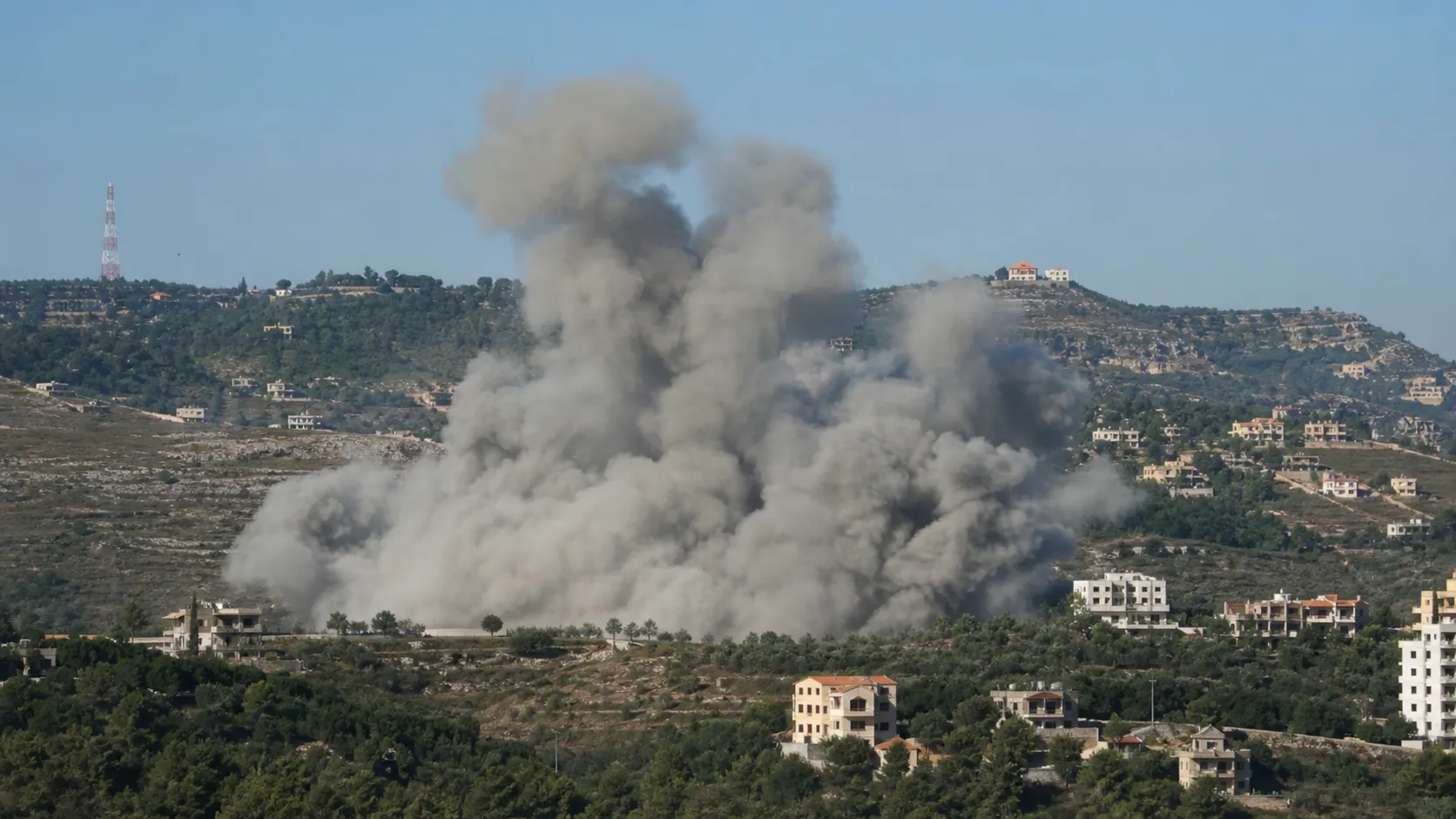
Lebanon Ceasefire: According to France24’s live coverage, Iran warned on Sunday that it “will not enter into talks on a broader agreement with the United States unless the war in Lebanon comes to an end.” According to RTE News, Iran’s position is unambiguous: “Without the implementation of paragraph 1 — termination of the war on all fronts including Lebanon — entry into the negotiation phase for the final agreement is not possible.” Israel’s continued strikes on Lebanon are the single biggest threat to everything happening at Bürgenstock today. Our earlier coverage of Israel strikes on Lebanon despite the ceasefire explains why this friction point has been building for days.
Strait of Hormuz: According to CNBC, Vance noted that tanker traffic had actually rebounded sharply — “We got 16 million barrels of oil out of the Strait of Hormuz yesterday. That is a record going back to even before the conflict started.” Iran’s military command simultaneously claimed it would close the Strait again over Lebanon. The contradiction between those two statements is one of the core tensions Pakistan must navigate at Bürgenstock as mediator.

What Pakistan’s Bilateral with Vance Almost Certainly Covered
The PM Shehbaz-Vance bilateral at Bürgenstock was almost certainly not limited to pleasantries. Based on the public statements from both sides before the meeting, three topics dominated:
First, Israel’s Lebanon operations. Iran will not negotiate a final deal while Israel strikes Lebanese territory. The US cannot fully control Israel. Pakistan — as the neutral mediator — is the party best positioned to find language that keeps Iran at the table without requiring the US to publicly break with Israel. That diplomatic tightrope is what PM Shehbaz was walking in that bilateral meeting.
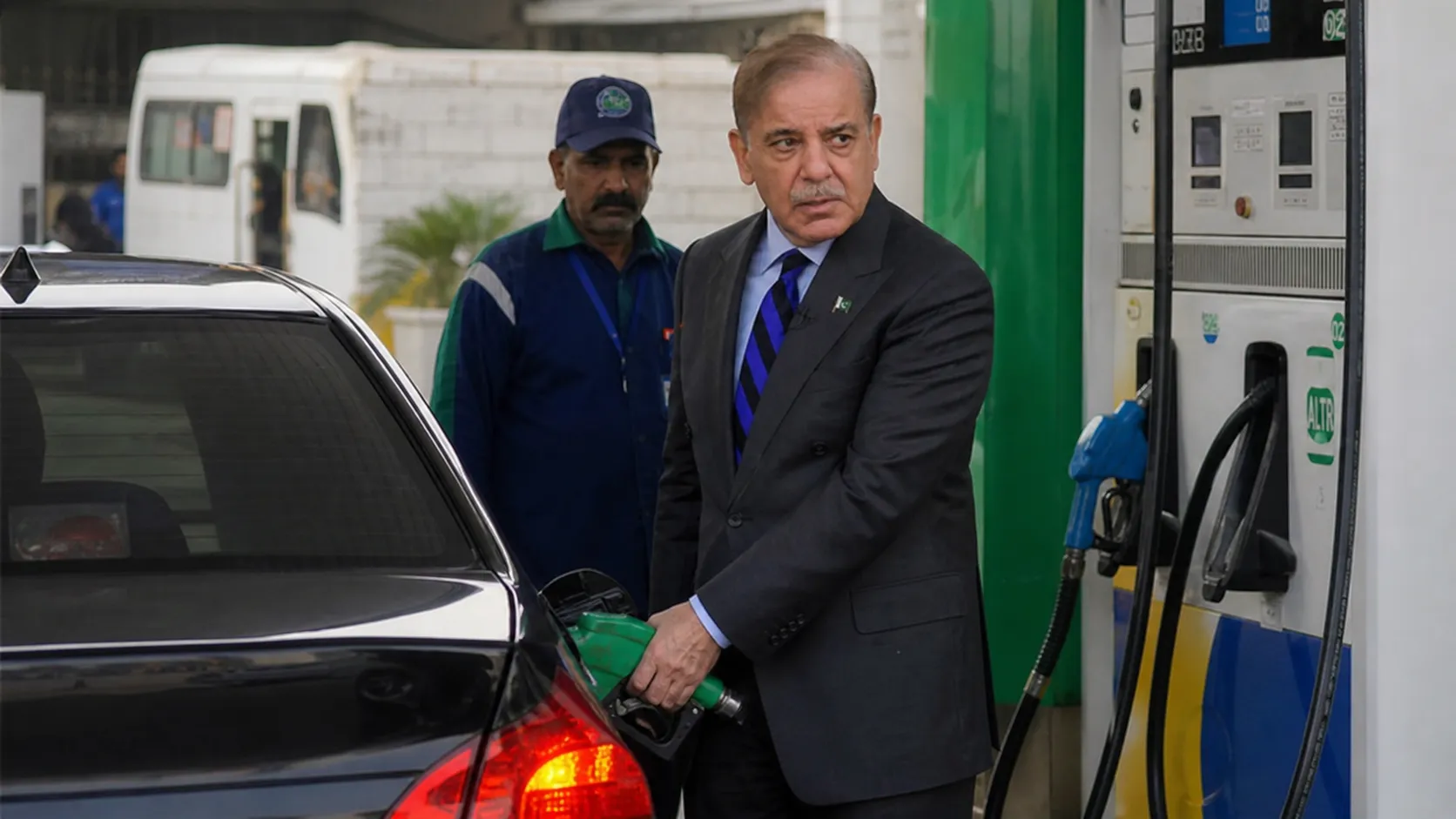
Second, the Hormuz oil flow. Pakistan has a direct economic stake here. The petrol price cut to Rs299 announced Friday is built on oil staying below $80. If Iran closes the Strait again — even rhetorically — fuel prices reverse fast.
Third, the 60-day clock. The Islamabad MOU gives both sides 60 days to reach a permanent deal. That clock is already running. Today’s session at Bürgenstock needs to produce tangible progress — on IAEA access, on sanctions waivers, on Lebanon — or the window begins to close.
What This Means for Pakistan’s Economy Tonight
For every Pakistani watching this story, three direct impacts are in play. Fuel prices: The PSX crashed 2,500 points on Friday when the earlier talks were cancelled. A positive Bürgenstock outcome — even partial progress — should trigger a strong PSX rebound on Monday morning. Petrol: If today’s session stabilises the Hormuz situation and keeps oil below $80, the June 26 revision is likely another cut. If talks collapse, prices reverse. Diplomatic capital: Pakistan’s presence at this level — PM, CDF, and the full mediating machinery — earns Islamabad political and economic goodwill that translates into IMF negotiations, trade partnerships, and regional standing for years to come.
What Happens Next
24PakTimes will publish the outcomes of today’s Bürgenstock session as soon as official statements are released. The next milestone after today is the June 26 petrol price revision — which will reflect whatever happens at the Strait of Hormuz in the next 72 hours.