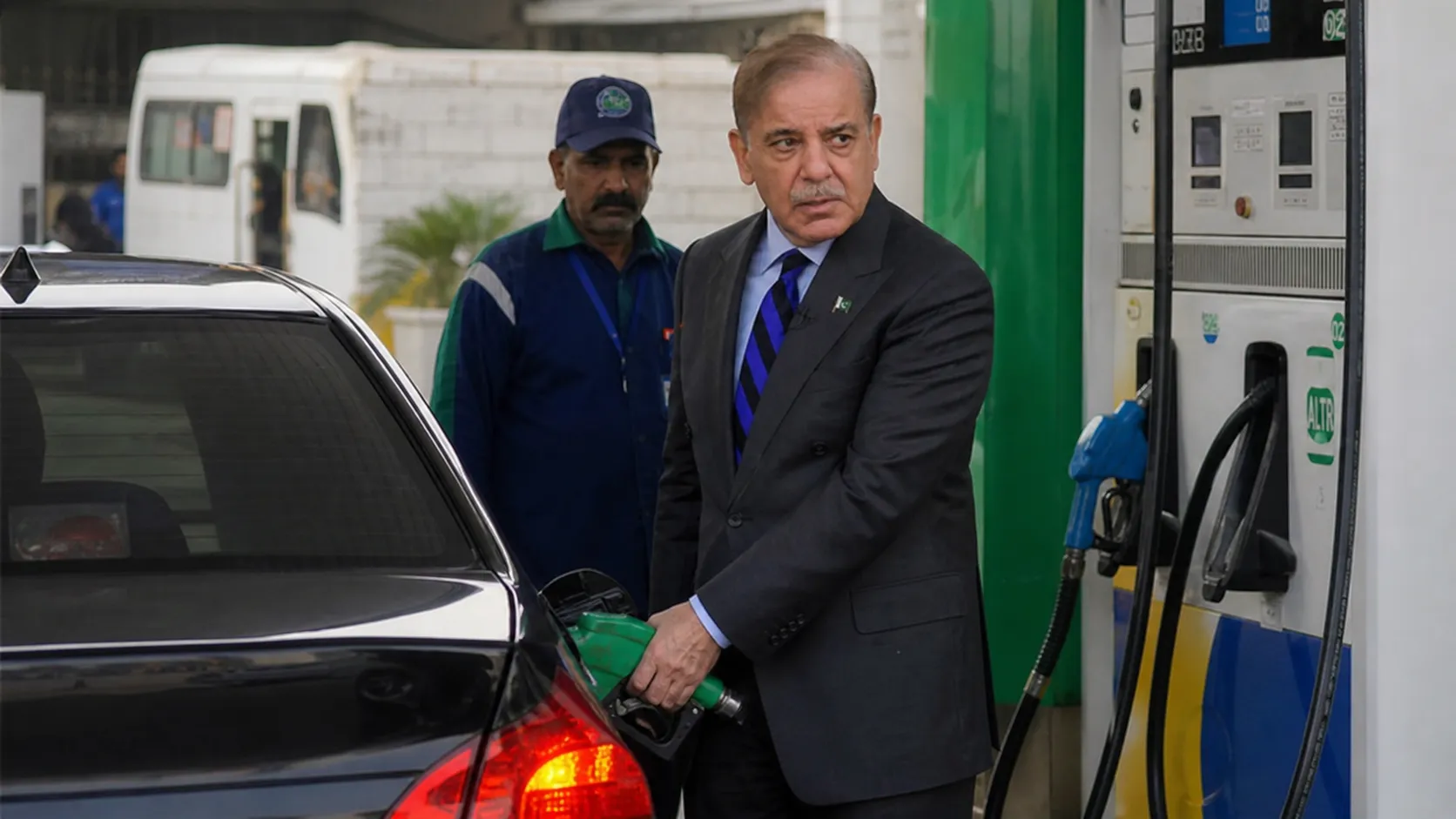

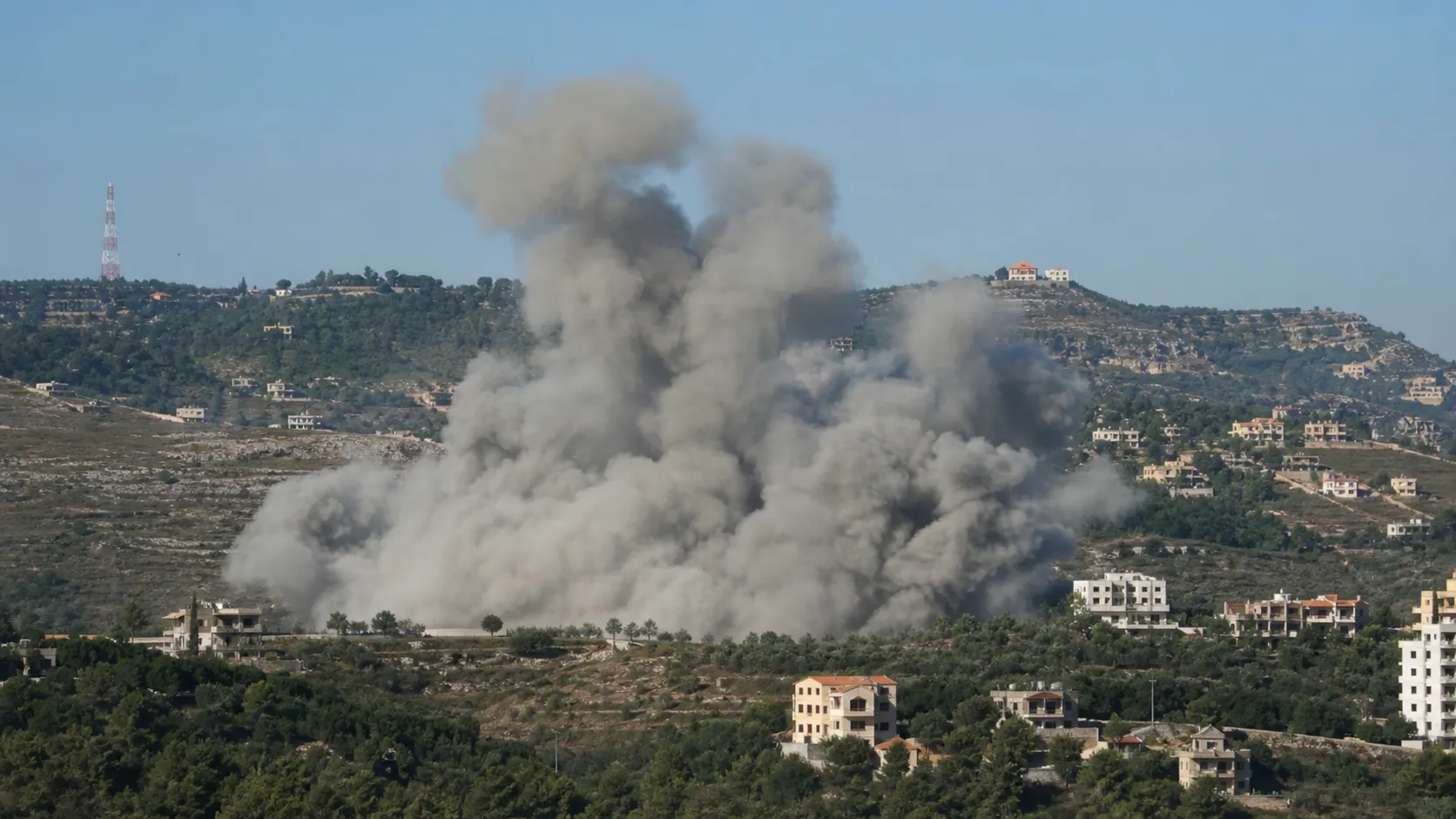
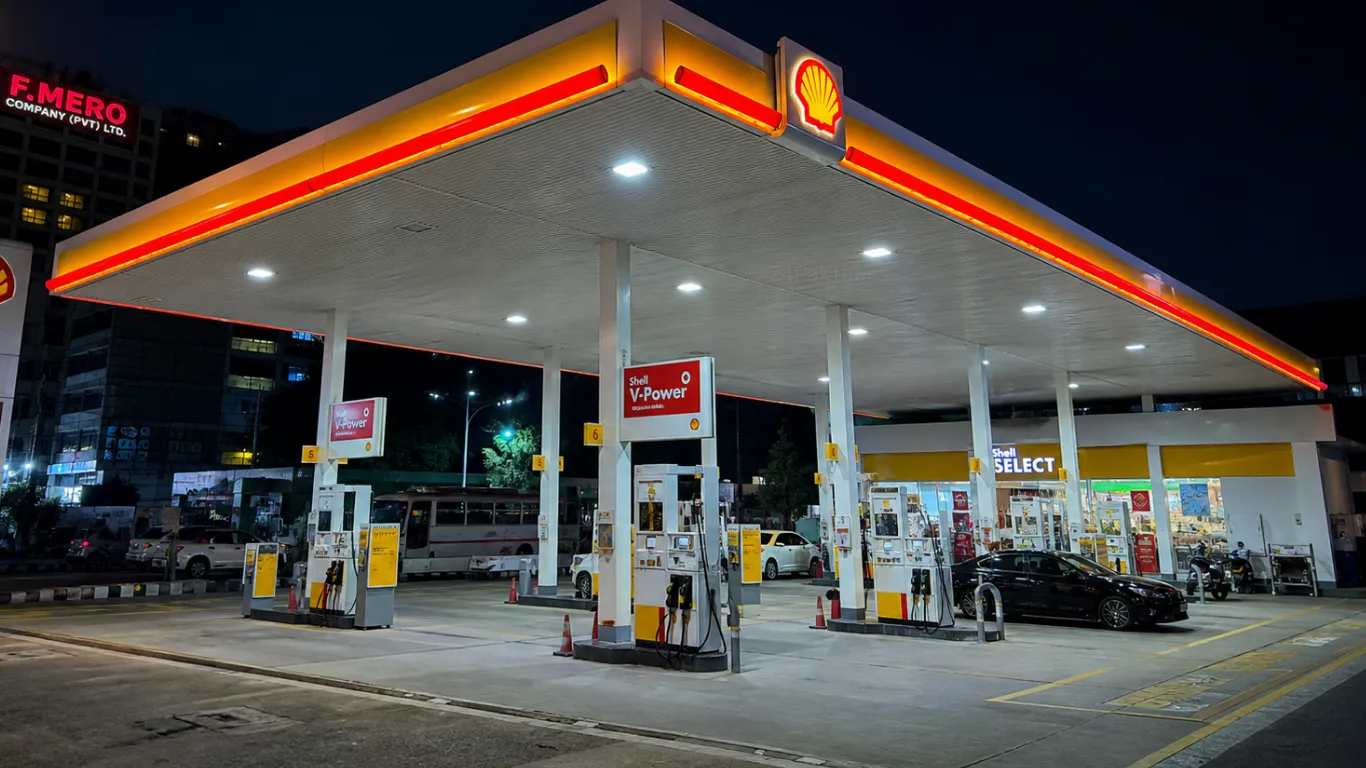
The petrol price in Pakistan has fallen below Rs300 for the first time since the US-Iran war drove global oil prices into crisis territory in February. According to Daily Pakistan, the petrol price in Pakistan has been reduced by Rs74 per litre — falling from Rs373.78 to Rs299.78 per litre effective June 20, 2026. High-Speed Diesel (HSD) has simultaneously been cut by Rs67 per litre, with the new diesel price set at Rs311.78, down from Rs378.78.
This is one of the largest single fuel price reductions in Pakistan’s recent history. And Pakistani families are already feeling the difference at the pump and on public transport.
New Petrol and Diesel Prices — Full Breakdown
| Fuel Type | Old Price | New Price | Reduction |
|---|---|---|---|
| Petrol (MS) | Rs373.78/litre | Rs299.78/litre | ▼ Rs74.00 |
| High-Speed Diesel | Rs378.78/litre | Rs311.78/litre | ▼ Rs67.00 |
According to ARY News, the new rates are effective from June 20, 2026 and the next revision is scheduled for June 26, 2026 under the new weekly pricing mechanism. According to the Express Tribune, PM Shehbaz Sharif announced the cuts personally, stating: “The promise we made to the nation, alhamdulillah, we are going to fulfill that.”
Why the Petrol Price in Pakistan Fell Rs74
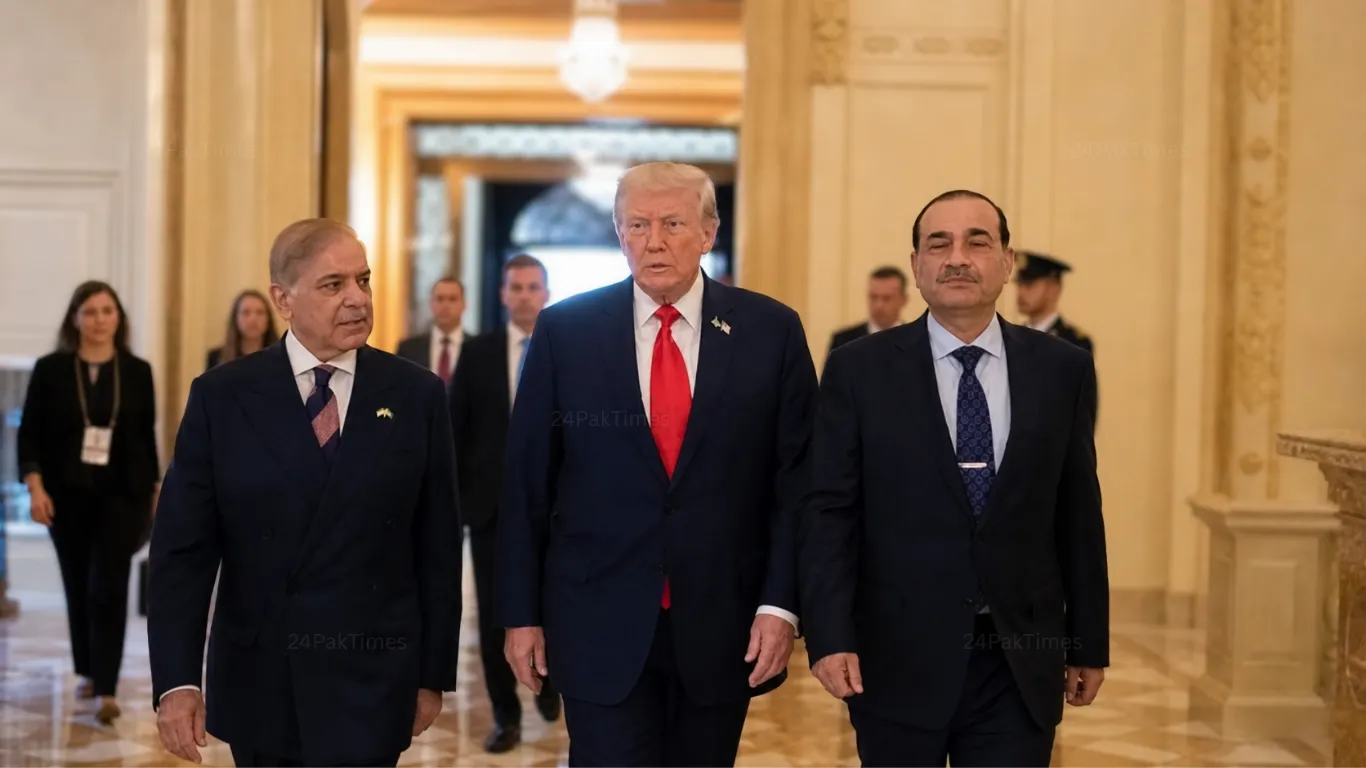
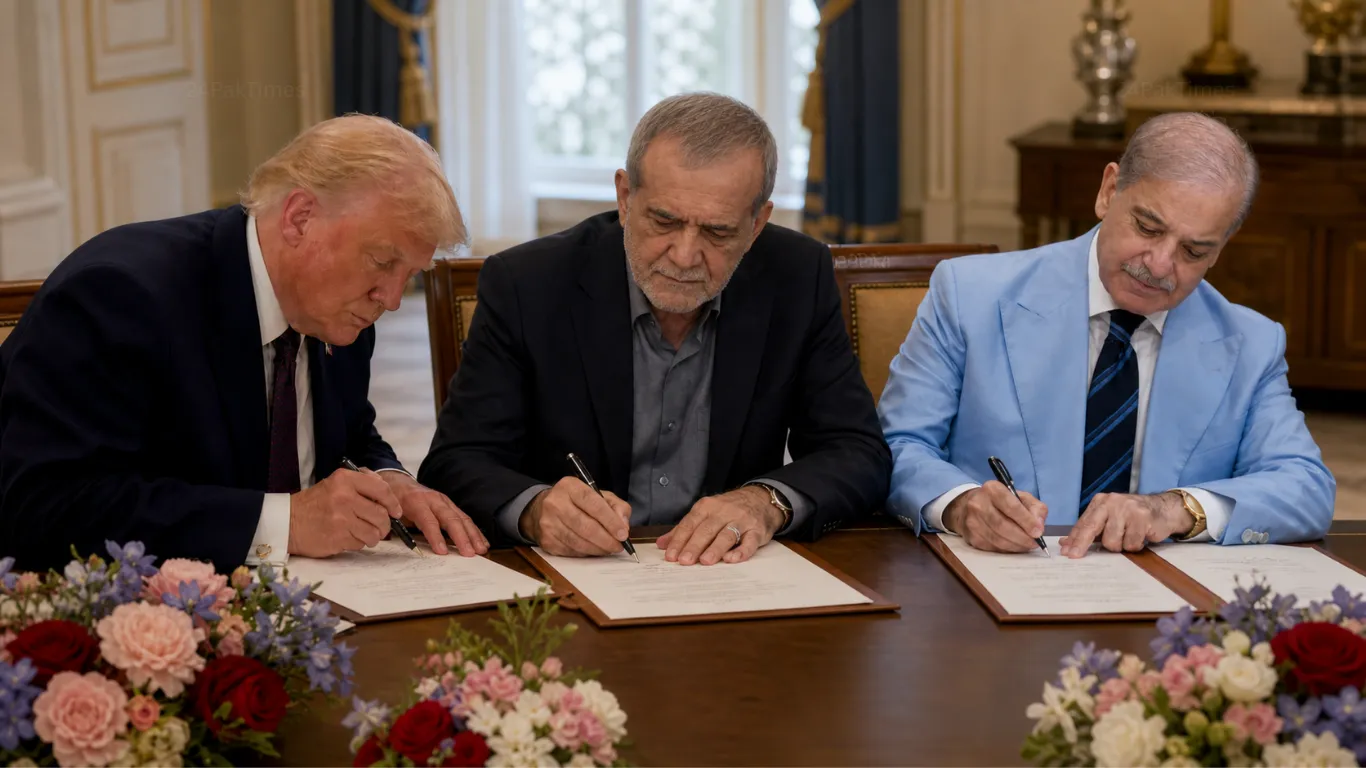
The chain of events that brought petrol price in Pakistan below Rs300 started with a war and ended with a peace deal bearing Pakistan’s name. According to Autopower.com.pk, international oil prices dropped to their lowest levels in nearly three months as tanker traffic resumed through the Strait of Hormuz, easing supply disruption fears and pushing crude prices lower following the Islamabad MOU signing.
According to the Express Tribune’s petroleum minister report, PM Shehbaz Sharif personally directed authorities to pass the benefit of falling oil prices to consumers without delay. The PM was reportedly dissatisfied with the scale of earlier smaller cuts. According to Arab News Pakistan, he had already publicly signalled a “significant” reduction was coming before the official announcement — and Rs74 delivered on that promise.
For full context, 24PakTimes covered the Islamabad MOU signing at Versailles and the PSX rally it triggered — both of which fed directly into today’s fuel relief.
Transport Fares Are Already Dropping
The ripple effect of the petrol price in Pakistan cut is moving fast. According to the Express Tribune’s transport report, following the ceasefire and fuel price reduction, goods transport charges dropped 15% and public transport fares fell 13% across Pakistan’s open market.
Here is what is changing right now on the ground:
- Wagon, minibus, coaster, and Qingqi rickshaw stop-to-stop fares reduced from Rs50 to Rs40
- Student and working women pick-and-drop charges cut by Rs500 to Rs1,000
- Bikea motorcycle service reduced its fare from Rs200 to Rs150
For a daily commuter spending Rs100 per day on transport, the 13% cut saves approximately Rs400 per month. For a car owner with a 50-litre tank, the Rs74 per litre cut saves Rs3,700 per full tank. These are not trivial savings — they are the difference between making ends meet and falling short for millions of Pakistani households.

The New Weekly Petrol Pricing System
Something important changed alongside the price — the pricing mechanism itself. According to Mashriq TV’s petroleum tracker, petroleum prices in Pakistan are now reviewed on a weekly basis — with revised rates announced every Friday, effective the following day. Previously, prices were revised fortnightly.
According to the Express Tribune’s analysis, a high-level committee was constituted specifically to devise a transparent weekly fuel pricing mechanism so the public can understand the reasons behind each revision. The next petrol price revision is due on June 26, 2026. If global crude continues to soften, Pakistani consumers could see another cut next Friday.
The Full Petrol Price History: From Rs252 to Rs373 and Back
| Date | Petrol Rate | Event |
|---|---|---|
| February 2026 (pre-war) | ~Rs252 | Baseline before US-Iran war |
| March 7, 2026 | ~Rs307 | +Rs55 war spike |
| April–May 2026 peak | Rs373.78 | All-time high |
| June 5 | Rs369.78 | ▼ Rs4 |
| June 13 | Rs365.78 | ▼ Rs4 |
| June 20 | Rs299.78 | ▼ Rs74 — biggest cut |
The total increase from pre-war baseline to peak was approximately Rs122 per litre. The Rs74 cut is the largest single reduction — but petrol remains roughly Rs48 above pre-war levels. The government has not fully reversed the crisis-era increases. Not yet.
What Traders and Citizens Are Saying
According to the Express Tribune, traders and residents expressed dissatisfaction, saying fuel prices had not been reduced in proportion to the earlier increases. They are demanding that fares be cut at the same rate at which they were raised during the war months.
That frustration is legitimate. When fuel spiked in March, transport operators raised fares within days. The fare reductions now — while real — are smaller and slower than the original hikes. Pakistani consumers are right to continue pressing for proportional relief.
What Happens Next
Three things to watch closely. First, the next petrol revision on June 26 — if Brent crude holds below $80, another cut is possible. Second, grocery and food prices — cheaper diesel reduces freight costs, and markets should see price drops within one to two weeks. Third, electricity tariffs — raised during the crisis and not yet revised downward, despite the same logic of falling energy costs applying.
24PakTimes will publish the June 26 petrol price the moment the official OGRA notification is issued.
FAQ — Petrol Price Pakistan Rs299 June 2026
What is the new petrol price in Pakistan from June 20, 2026?
The new petrol price in Pakistan is Rs299.78 per litre, effective June 20, 2026 — a reduction of Rs74 per litre from the previous rate of Rs373.78. High-Speed Diesel has been reduced by Rs67 to Rs311.78 per litre. This is one of the largest single fuel price cuts in Pakistan’s history.
Why did Pakistan cut petrol prices by Rs74 per litre?
The cut was driven by falling international oil prices following the signing of the US-Iran Islamabad MOU and the reopening of the Strait of Hormuz. PM Shehbaz Sharif personally directed that the full benefit of lower global crude prices be passed on to Pakistani consumers immediately.
How have transport fares changed after the petrol price cut?
Goods transport charges have dropped by 15% and public transport fares by 13% across Pakistan. Wagon and minibus stop-to-stop fares fell from Rs50 to Rs40. Bikea motorcycle service reduced its fare from Rs200 to Rs150. Student and working women pick-and-drop charges were cut by Rs500 to Rs1,000.
When is the next petrol price revision in Pakistan?
The next petrol price revision is scheduled for June 26, 2026, under Pakistan’s new weekly fuel pricing mechanism. If international crude oil prices continue to decline, Pakistani consumers could see another reduction next Friday.