
Summary What’s happend
- Budget 2026-27 date confirmed: June 12, 2026 in the National Assembly
- Total outlay: Approximately Rs18 trillion (largest in Pakistan’s history)
- Government employees: Expected 10% salary increase
- Middle class: Income tax relief for earners between Rs1.2M to Rs2.2M annually
- EVs and hybrids: Expected to become more expensive
- Cosmetics and personal care: Expected to become cheaper
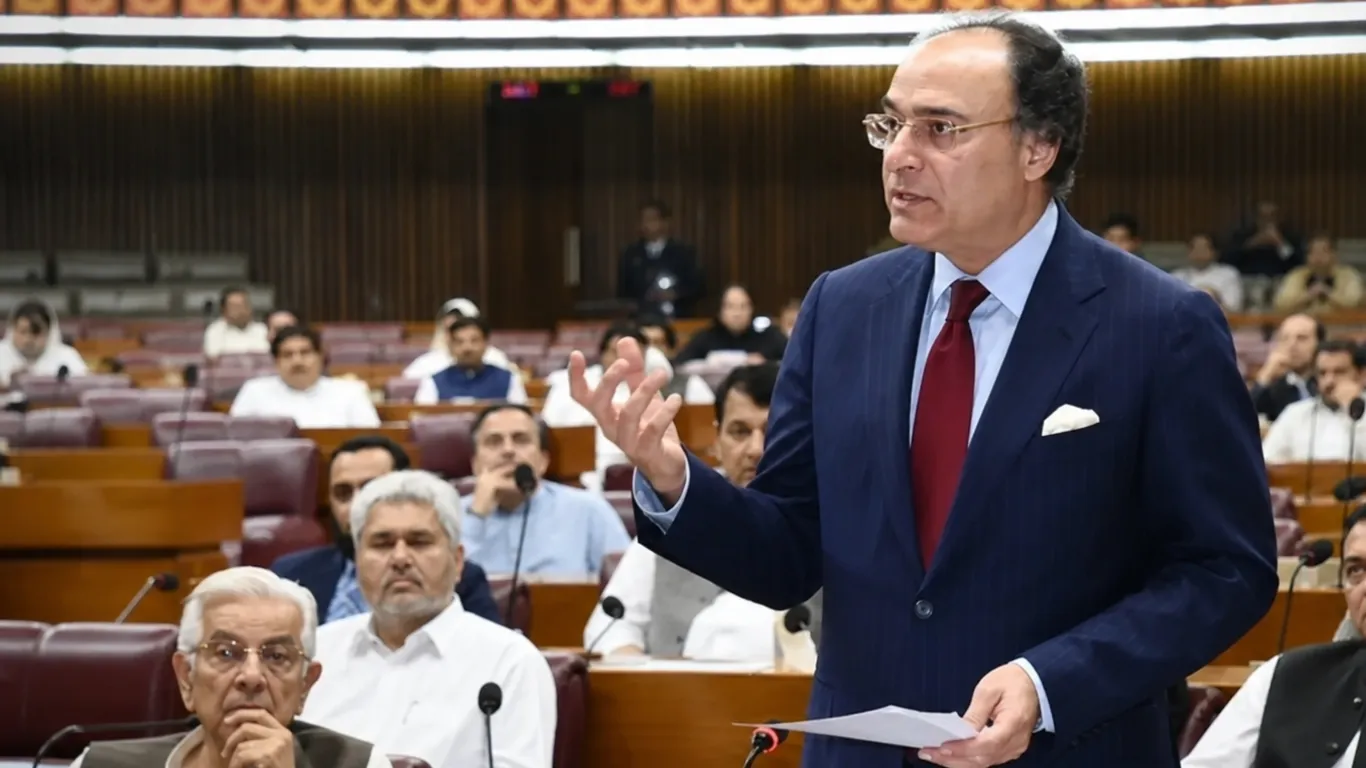
Pakistan’s federal budget for 2026-27 will be presented in the National Assembly on June 12. Pakistan Today confirmed the revised schedule, with Adviser to the Finance Minister Khurram Schehzad announcing that the Pakistan Economic Survey 2025-26 would be unveiled today, June 11.
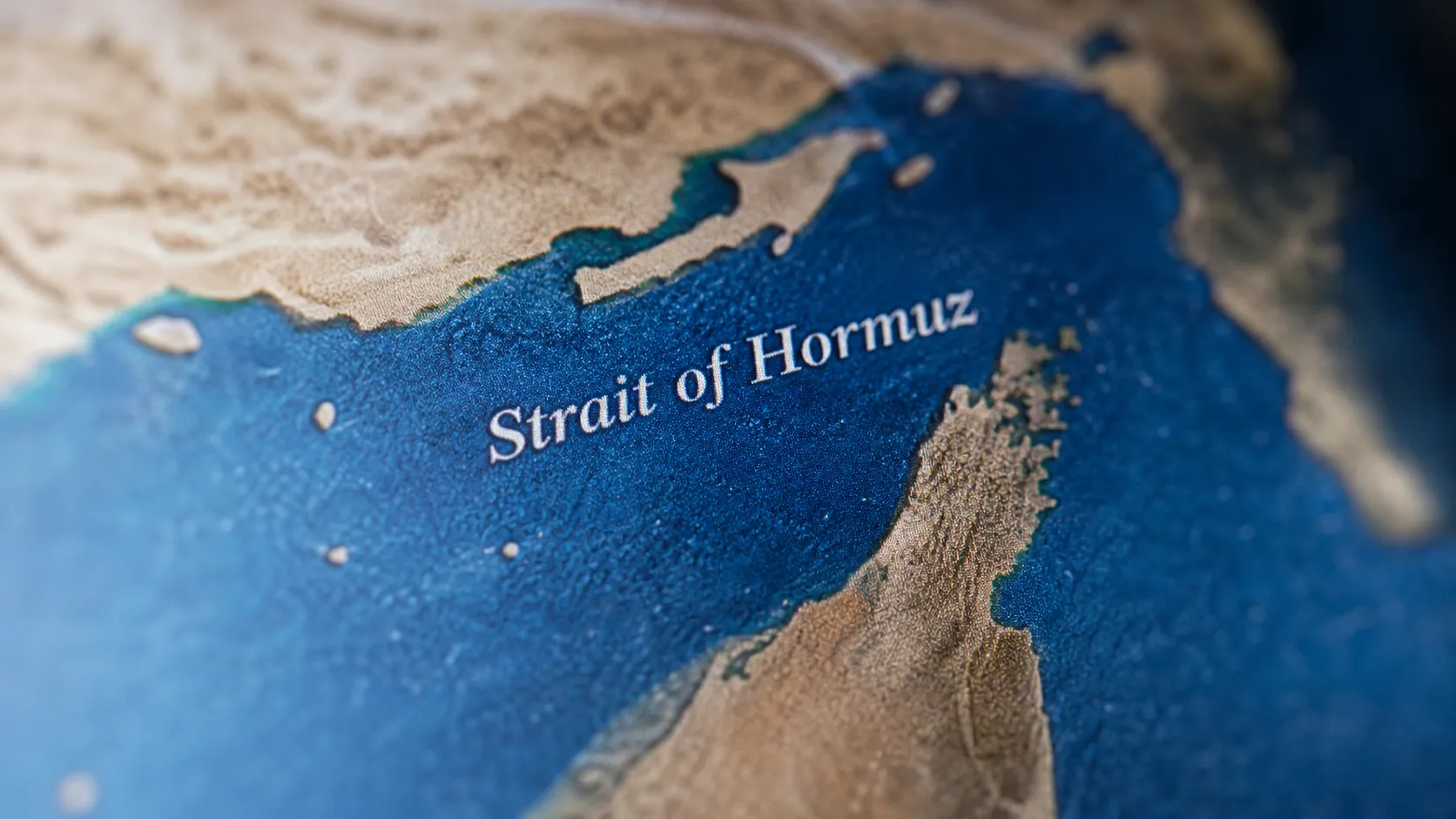
The budget has been delayed twice — originally June 5, then June 10, now June 12. The delays tell you how difficult the negotiations have been. With the IMF, with coalition partners, and now with a completely new energy crisis triggered by Iran’s closure of the Strait of Hormuz today.
But enough verified leaks have emerged that we can tell you what to expect.
Total Budget Size: Rs18 Trillion
ARY News confirmed Pakistan’s total federal budget outlay for FY2026-27 is expected to be approximately Rs18 trillion — the largest federal budget in Pakistan’s history.
Most of it goes to debt servicing and defence. Dawn reported that the centre, Punjab, and Sindh have already agreed on spending cuts as part of the broader fiscal framework negotiated before the budget date was finalized. The development budget for PSDP is expected to be constrained to meet IMF targets.
10% Salary Increase for Government Employees
If you work for the federal government, expect a 10% raise in your July paycheck. ARY News confirmed the 10% increase is expected alongside income tax relief for salaried workers — meaning the net benefit could be larger than the 10% figure alone suggests.
This is lower than last year’s percentage increase, but the tax relief component is designed to offset that.
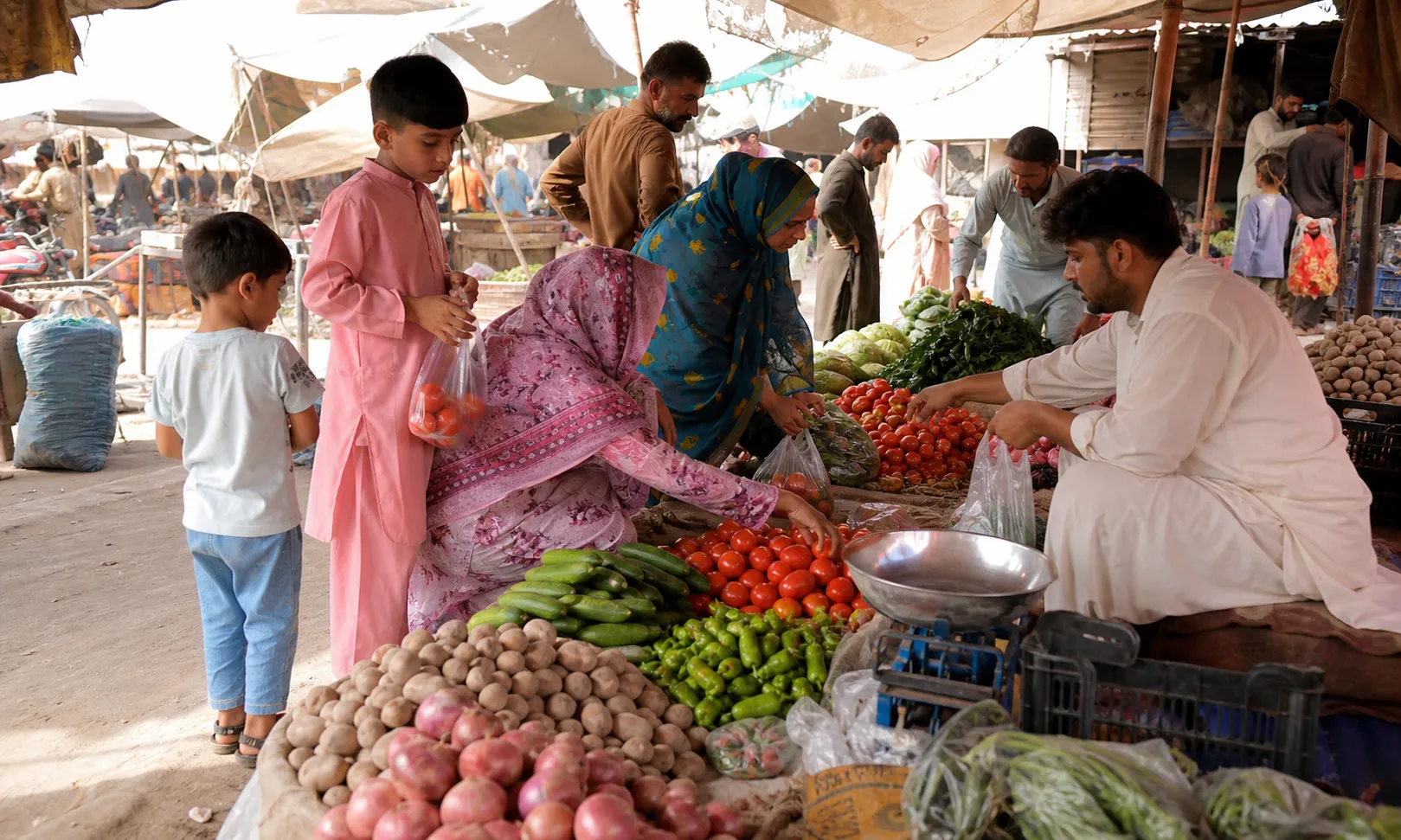
Tax Relief for Salaried Earners: The Middle-Class Bracket
ARY News reported that tax rates for individuals earning between Rs1.2 million and Rs2.2 million annually may be reduced. That is the Rs100,000 to Rs183,000 per month bracket — where most private sector employees in Pakistan’s major cities fall.
A reduction in Super Tax is also being considered, though Corporate Income Tax is expected to remain unchanged.
This is meaningful relief for the urban salaried middle class, which has borne a disproportionate share of Pakistan’s tax burden for years. Bloom Pakistan noted that a major fiscal shift is underway as the government attempts to broaden the tax base rather than simply extracting more from existing taxpayers.
Cosmetics Get Cheaper, EVs Get More Expensive
Here is the consumer news that will affect your daily shopping.
ARY News confirmed prices of certain consumer products — including cosmetics, face powder, mascara, shampoo, and soap — may decline due to proposed tax adjustments.
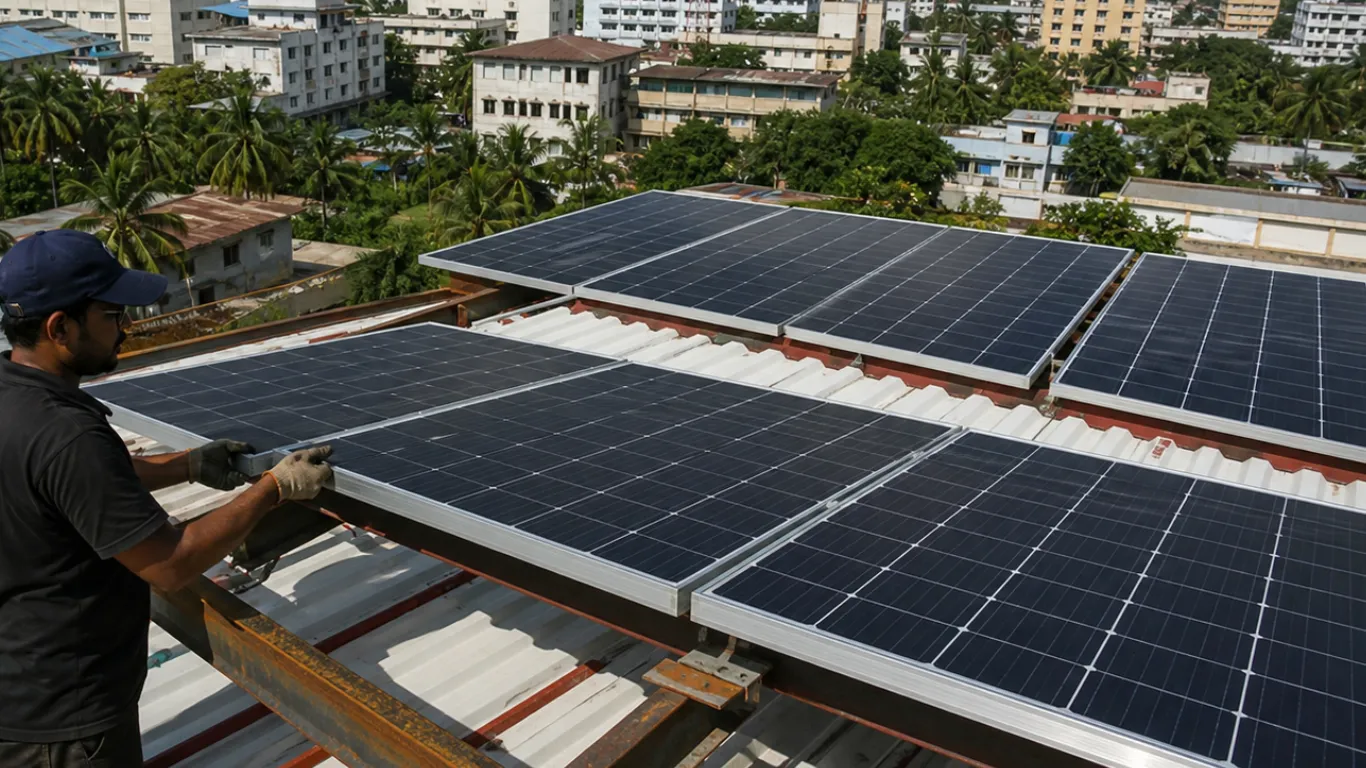
At the same time, electric vehicles, hybrid vehicles, and plug-in hybrids are expected to become more expensive under proposed budget measures. If you were planning to buy a hybrid car to escape high petrol costs, budget for a higher price after June 12.
This is a strange reversal. The government has been encouraging EV adoption for years. Making EVs more expensive in the middle of an oil crisis caused by the Strait of Hormuz closure sends a contradictory message to consumers.

Manufacturing Gets a Push Toward Local Production
ARY News reported that tax on imported raw materials may be reduced to 1%, import duty on parts used for local manufacturing may fall from 10% to 5%, and tax on imported auto parts for the local industry may drop from 20% to 10%.
This is the “Made in Pakistan” agenda continuing in the budget. For consumers, locally assembled products could become slightly cheaper over time as the cost of components falls for local manufacturers.
The IMF Is Watching and Demanding
Arab News confirmed Pakistan seeks to maintain fiscal discipline under its IMF program while responding to demands for tax relief and increased social spending.
The IMF has asked Pakistan to introduce at least Rs430 billion in additional fiscal measures in this budget, alongside a nearly matching contribution from the provinces. That is a massive number to find — and it is the reason the budget was delayed twice.
For the full context of the IMF’s specific GST demands and why they remain contested, see our earlier IMF GST analysis.
The Strait of Hormuz Problem Nobody Is Mentioning in Budget Briefings
Here is the thing nobody in the budget meetings is saying publicly. Iran just closed the Strait of Hormuz today.
Every energy cost assumption in this budget could be wrong by next week. If oil goes to $100+ per barrel and stays there, the petrol subsidy costs more. Electricity generation costs more. Inflation rises faster. The FBR revenue target becomes harder to hit because economic activity slows.
For the full impact of today’s strait closure on Pakistan’s economy, see our Iran closes Strait of Hormuz article published today.
The Finance Minister will present the budget tomorrow. But the real budget story for Pakistan’s energy costs is happening in the Persian Gulf right now — and it was not in any of the pre-budget documents.

What Happens Next
Budget speech is tomorrow, June 12. The Economic Survey is being released today, June 11.
24PakTimes will publish a full breakdown of the Budget 2026-27 once it is presented — covering exactly what changes for your salary, your taxes, your fuel, and your grocery bill in plain language.