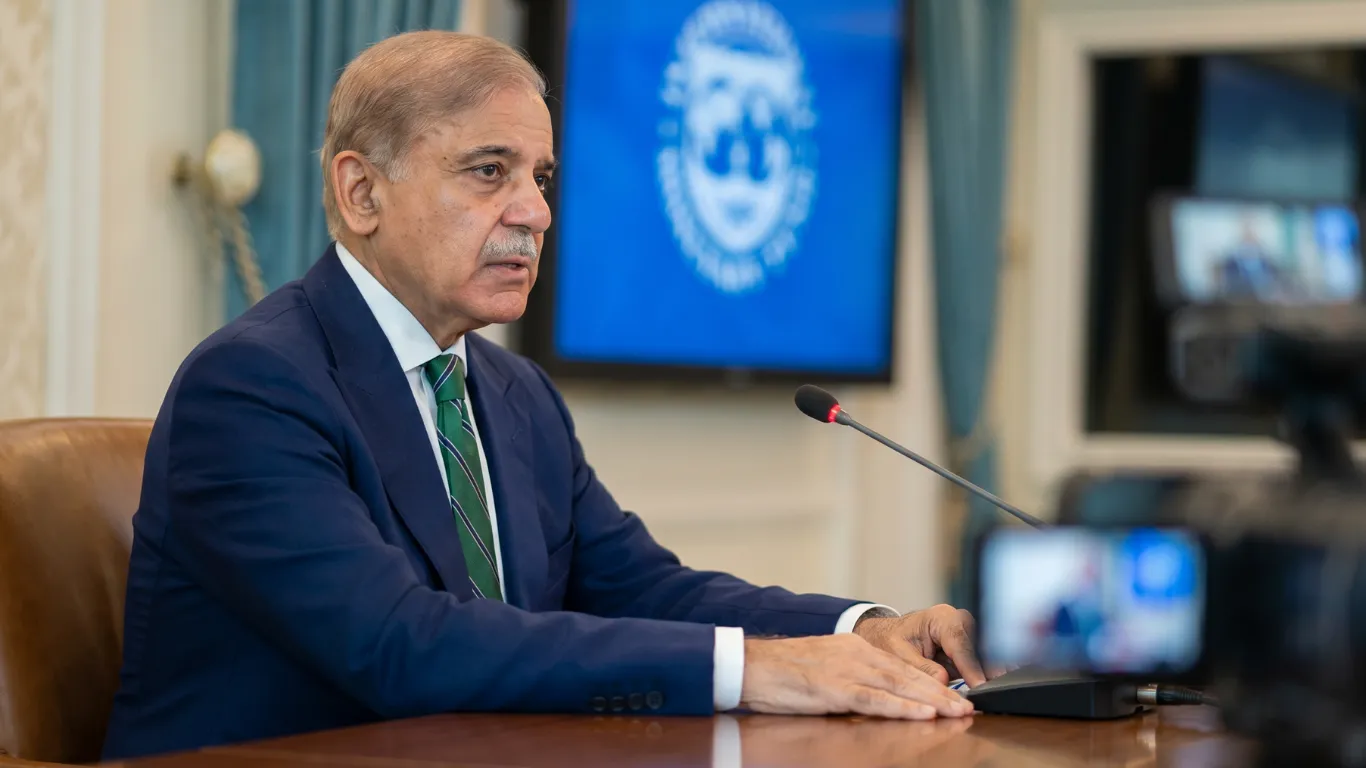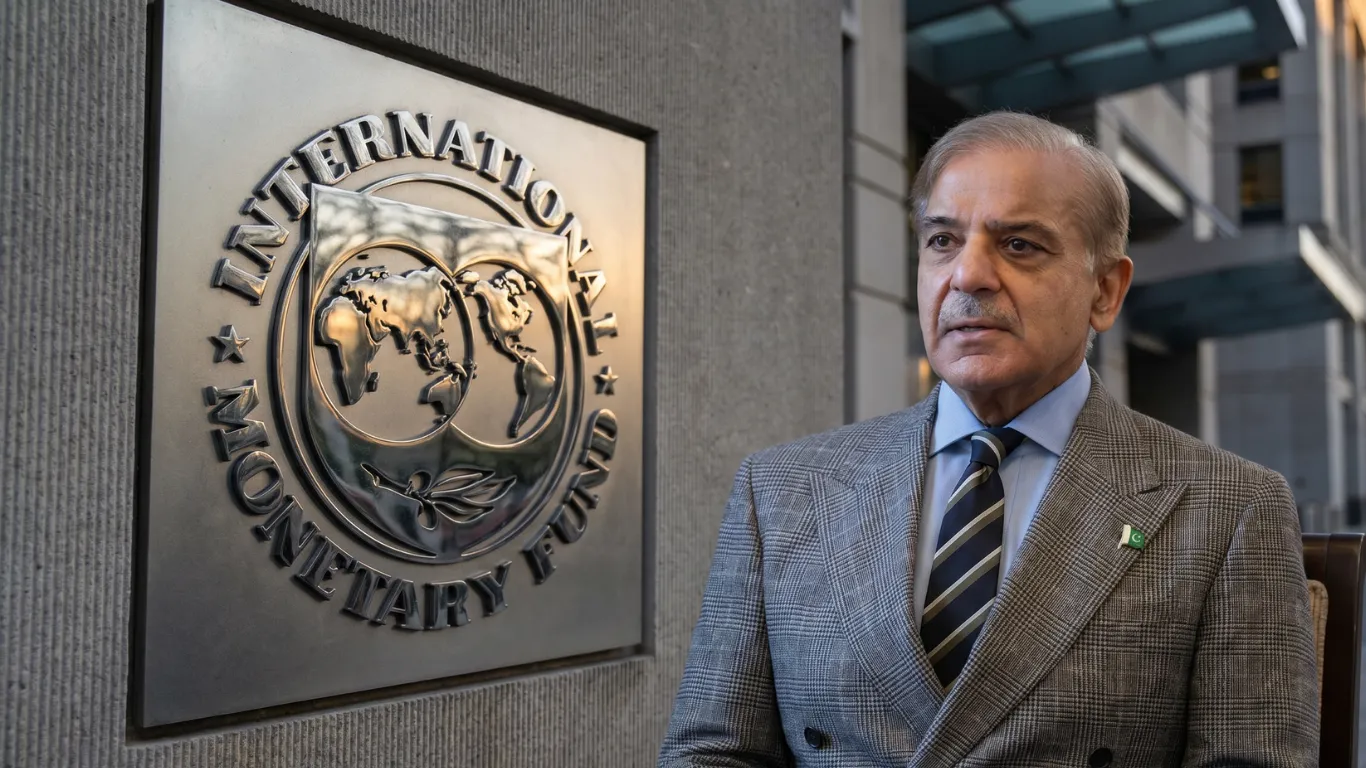
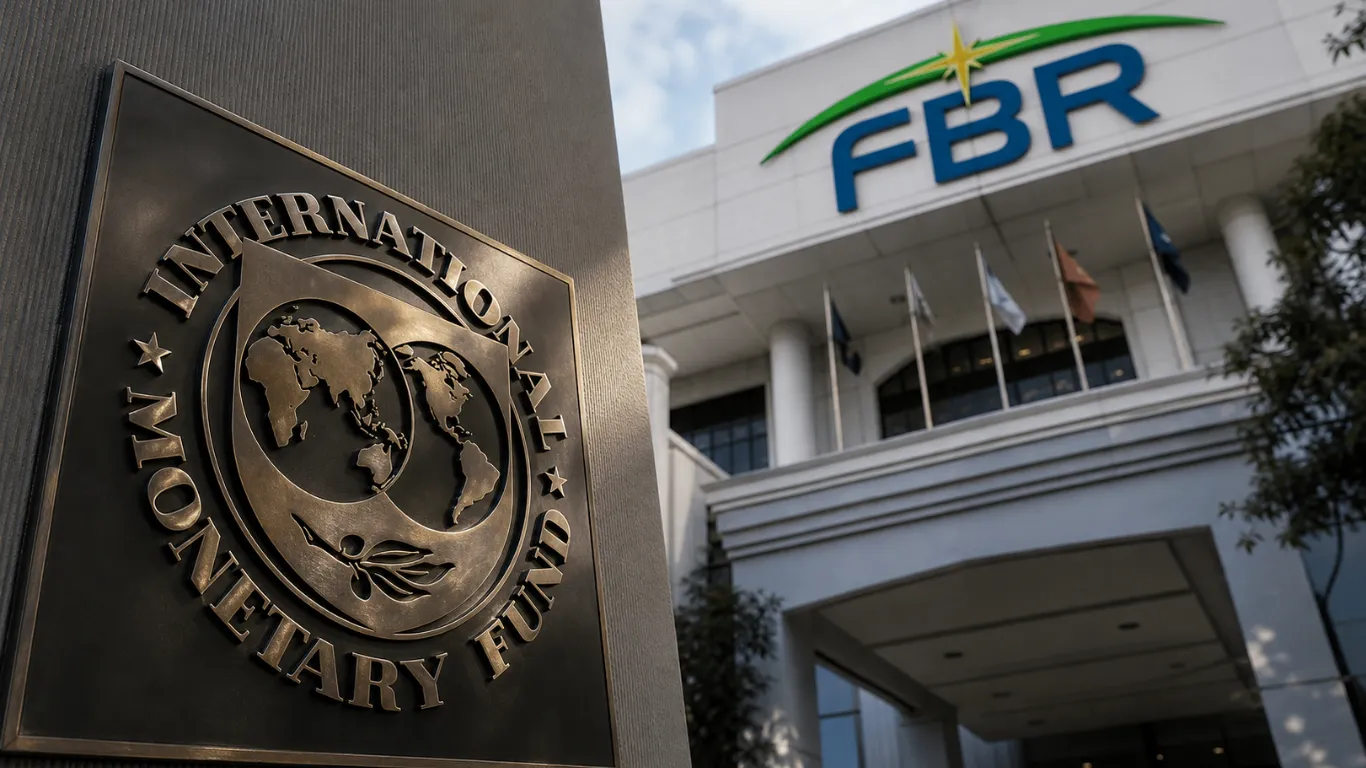

The IMF wants Pakistan to raise the General Sales Tax from 18% to 19%. Pakistani authorities are pushing back, arguing it would fuel inflation that is already squeezing households across the country.
The demand lands at the worst possible time. The News Pakistan reports the FBR tax collection shortfall has ballooned to Rs868 billion — with the Budget 2026-27 session just five days away on June 5.
A 1% GST hike sounds small on paper. In practice, it means higher prices on nearly every consumer good and service — from groceries to electronics to the bill at any restaurant.
What the IMF Is Demanding
The International Monetary Fund’s pre-budget demands go well beyond a simple rate increase:
- GST increase from 18% to 19% on goods and services
- 18% GST on fuel — including petrol, which currently carries zero GST, as Daily Pakistan confirmed
- 18% tax on solar consumers and withdrawal of exemptions on new housing, as MMNews confirmed
- Introduction of asset-based taxation for small businesses and traders
- Overall FBR revenue target of Rs15,564 billion for 2026-27 — requiring 19% growth
Profit by Pakistan Today reported that Pakistani authorities have not agreed to the proposals so far. Officials argue that increasing GST during a period of elevated energy costs and inflation would directly hurt consumers and businesses already under pressure.
The FBR Revenue Crisis Explained
The Federal Board of Revenue is facing its worst collection year in recent memory.
Geo News reported that the government initially set the FY26 tax collection goal at Rs14.13 trillion through parliamentary approval. That target was later reduced to Rs13.97 trillion with IMF consent — and discussions are now underway to revise it further to around Rs13.45 trillion.
The News Pakistan confirmed the FBR shortfall has now hit Rs868 billion. Pakistan Today’s FBR analysis noted the FBR will fail to achieve the tax-to-GDP ratio of 11% envisaged under the IMF target for 2025-26.
The shortfall is not just about weak collection. The Iran war and Strait of Hormuz crisis reduced imports sharply — and import duties form a major chunk of FBR revenue. Less trade means less tax, regardless of domestic effort.

How a GST Hike to 19% Would Affect You
If the IMF’s demand is accepted in Budget 2026-27, the impact reaches into every Pakistani household:
- Groceries and Daily Essentials
Most packaged food items, cooking oil, tea, and household products already carry 18% GST. A 1% increase would raise weekly shopping costs for every family. - Electronics and Appliances
Mobile phones, laptops, refrigerators, and air conditioners would become approximately 1% more expensive on top of already elevated prices. - Restaurant Bills
A Rs5,000 family dinner would cost approximately Rs50 more. That adds up across weeks and months. - Fuel Prices — The Most Alarming Demand
MMNews flagged the real danger: currently, petrol carries zero GST. Adding 18% GST on fuel could add Rs60 to Rs70 per litre to the current price of Rs381.78 — potentially pushing petrol above Rs440 per litre, undoing the Rs22 Eid relief cut entirely. - Solar Users
Profit by Pakistan Today confirmed the IMF wants to extend taxation to existing solar panel users who were previously exempted. This would hit the growing number of Pakistani families who invested in solar specifically to escape high electricity bills.
What Business Leaders Are Saying
The business community is pushing back firmly.
Pakistan Today’s budget coverage quoted former LCCI executive committee member Mudassir Masood Chaudhry: “The budget document should not be given a cosmetic makeover. It must reflect ground realities so that tangible results can be achieved.”
Business leaders told Pakistan Today they recognized the need for fiscal consolidation under the IMF programme — but argued that consolidation based on overstated revenue expectations creates further problems, including mid-year disruptions, mini-budgets, and a loss of policy credibility.
The IMF’s Bigger Picture for Pakistan
Mettis Global’s IMF analysis laid out the structural critique clearly: the IMF has flagged Pakistan’s persistently narrow tax base, undertaxed agriculture sector, and deteriorating GST efficiency as central risks to the fiscal programme.
The IMF estimates that raising C-efficiency to just 35% — still well below peers like Turkey, Morocco, and Indonesia — would generate roughly Rs2.1 trillion in additional GST revenue, equivalent to 1.8% of GDP.
In plain terms: the IMF believes Pakistan is not collecting enough tax from people who should be paying. Rather than just raising rates on those already in the system, the fund wants Pakistan to bring more sectors — particularly agriculture, retail traders, and the informal economy — into the tax net.
What Happens Next: Budget 2026-27 on June 5
The Finance Minister presents the Budget 2026-27 on June 5. The central question: does the government accept the IMF’s 19% GST demand, negotiate a compromise, or reject it outright?
Profit by Pakistan Today reported the IMF maintains that the next fiscal year’s primary surplus target of 2% of GDP must be achieved through permanent tax measures. The government wants space to reduce rates in certain sectors — with the IMF insisting any relief must be offset by additional revenue elsewhere.
24PakTimes will provide a full Budget 2026-27 breakdown on June 5 covering how it affects your salary, taxes, petrol prices, and household costs.