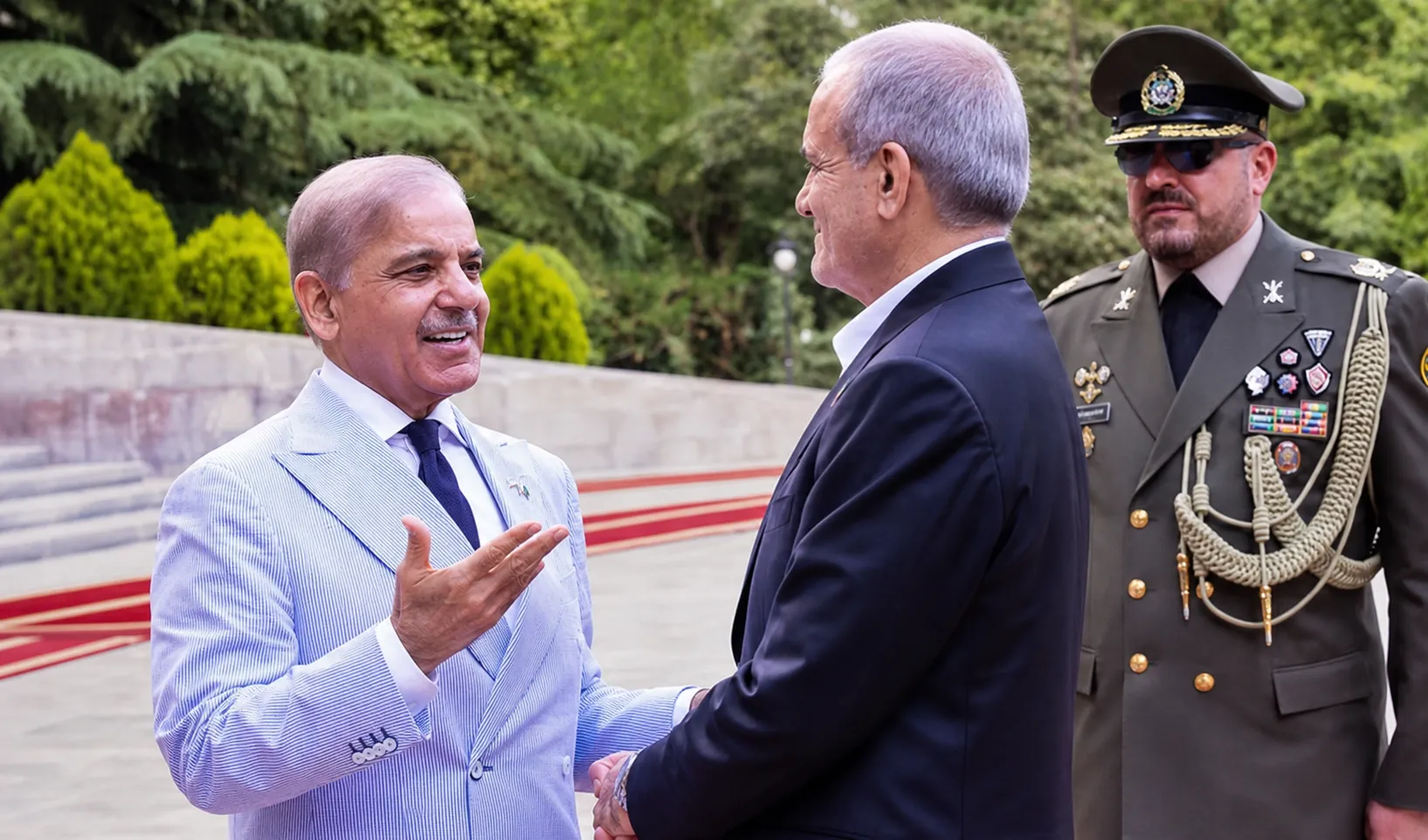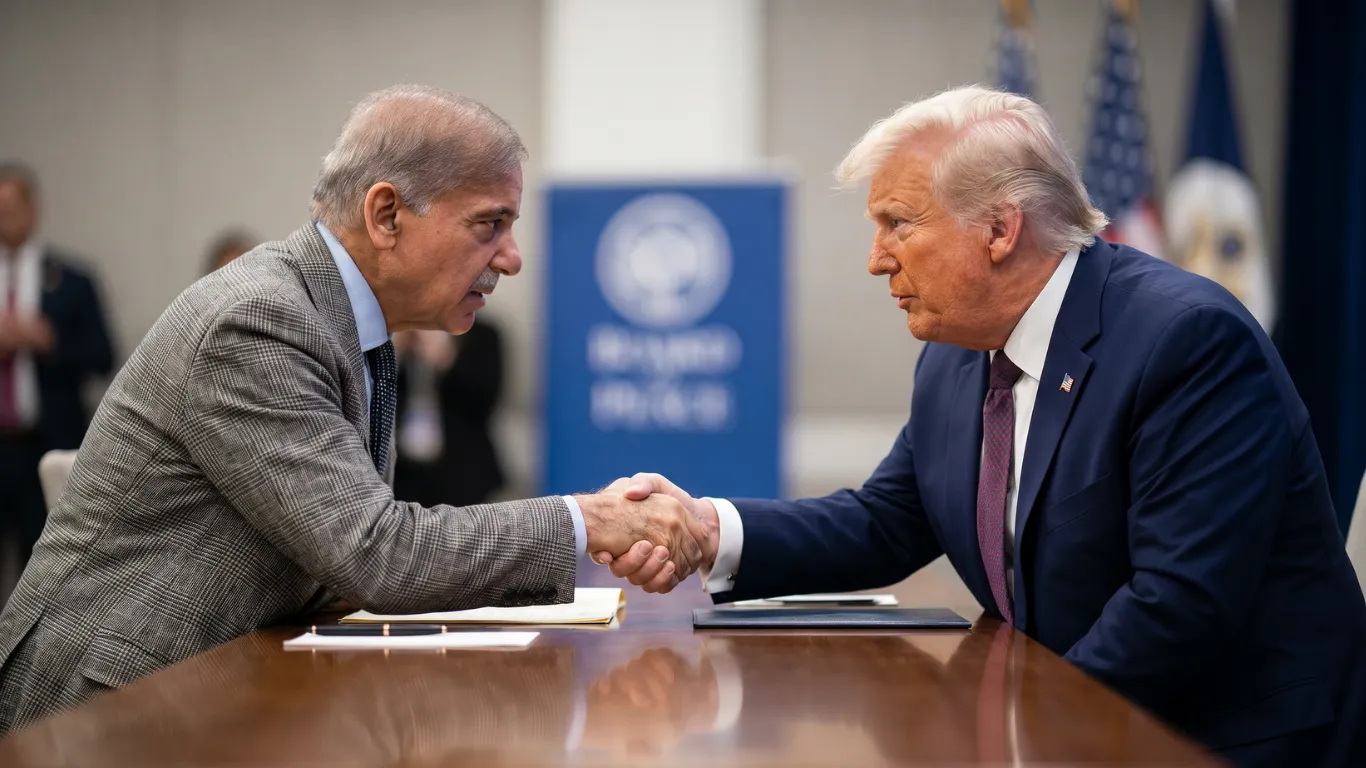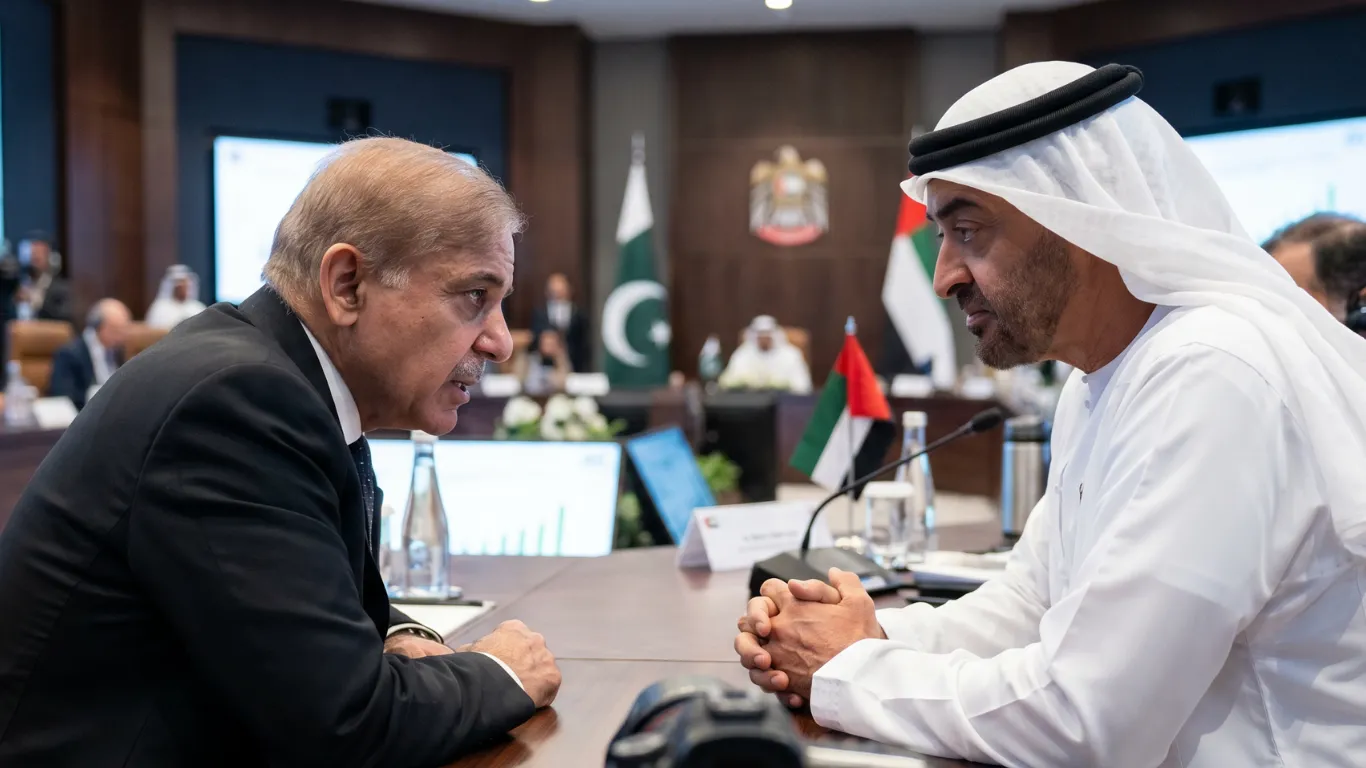
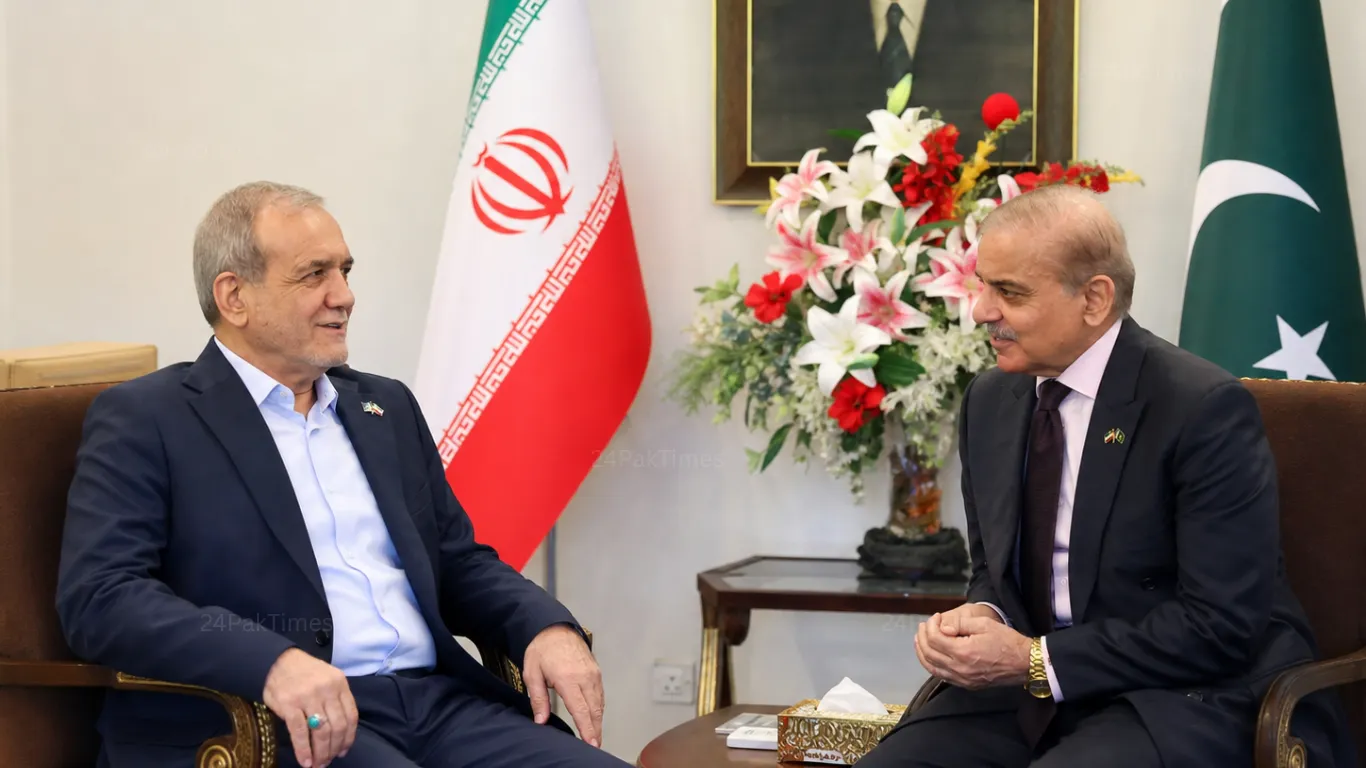

Iranian President Masoud Pezeshkian arrived. He was received with fighter jets and a 21-gun salute. During the high-stakes Pezeshkian visit, he held talks with PM Shehbaz, President Zardari, and Pakistan’s parliamentary leadership. He delivered the most absolute statement on missiles in Iran’s recent diplomatic history. And then he departed for Tehran on Tuesday night. According to Geo TV, Pezeshkian concluded his official visit after completing all engagements in Islamabad.
The state visit was announced and detailed by 24PakTimes when it began. Now that the visit is complete, here is the full accounting of what the Pezeshkian visit produced for Pakistan-Iran relations.

The Core Achievement: Deep Bilateral Trust Formalised
The most important Pezeshkian visit outcome was not a signed agreement or a policy announcement. It was the formal cementing of bilateral trust between Pakistan and Iran at the highest possible level. According to Al Jazeera’s analysis, Pakistan is no longer just facilitating messages between the US and Iran. Islamabad has become politically invested in the outcome of the peace process. That is a fundamentally different role — and it carries both more influence and more responsibility.
Seven phone calls between Shehbaz and Pezeshkian since February. Multiple Field Marshal Munir visits to Tehran. Multiple Naqvi trips. And now a state visit with the highest military honours. Pakistan and Iran have built a relationship in four months that most allies take decades to achieve.
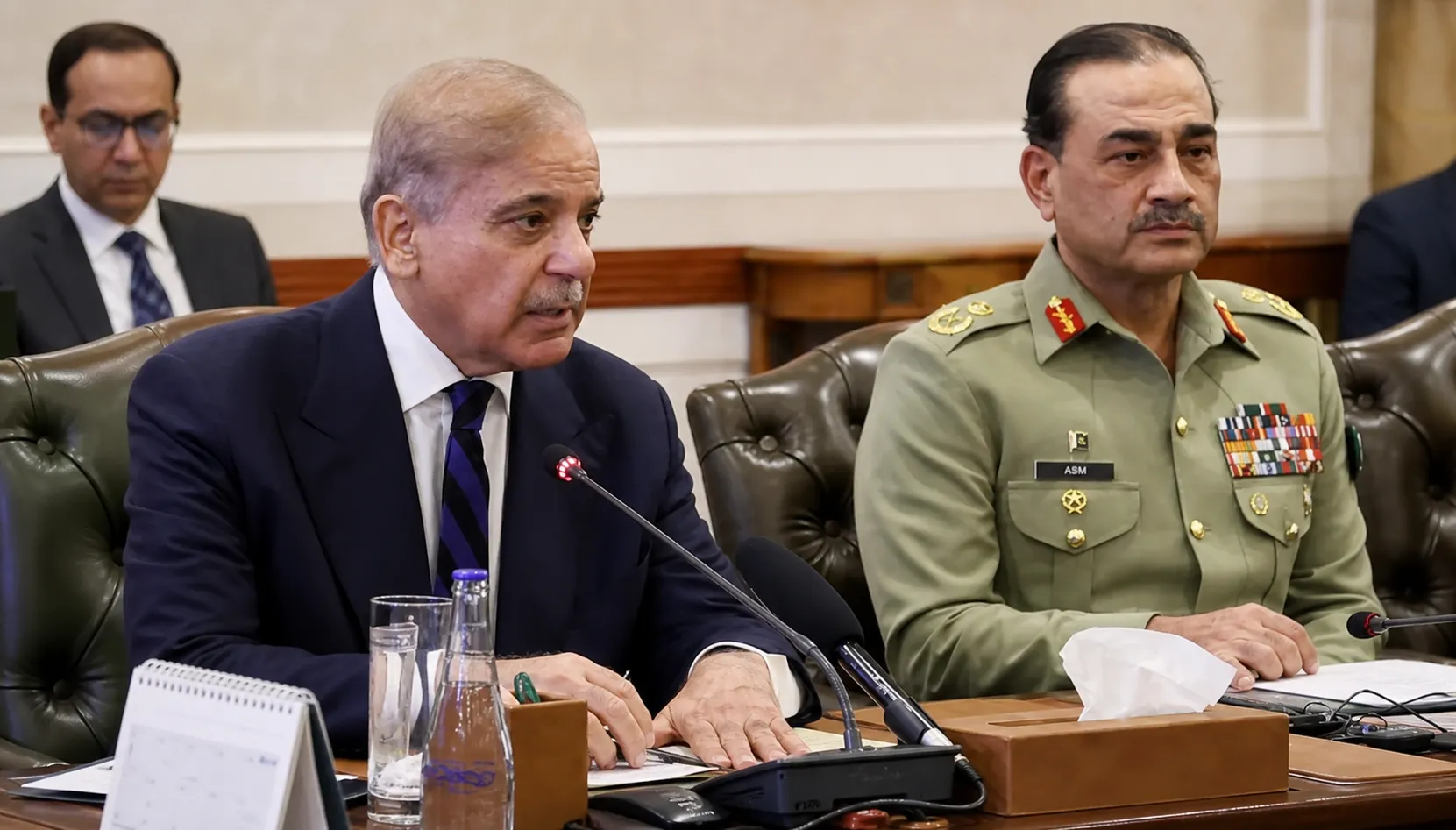
What the Pezeshkian Visit Produced: The Specific Outcomes
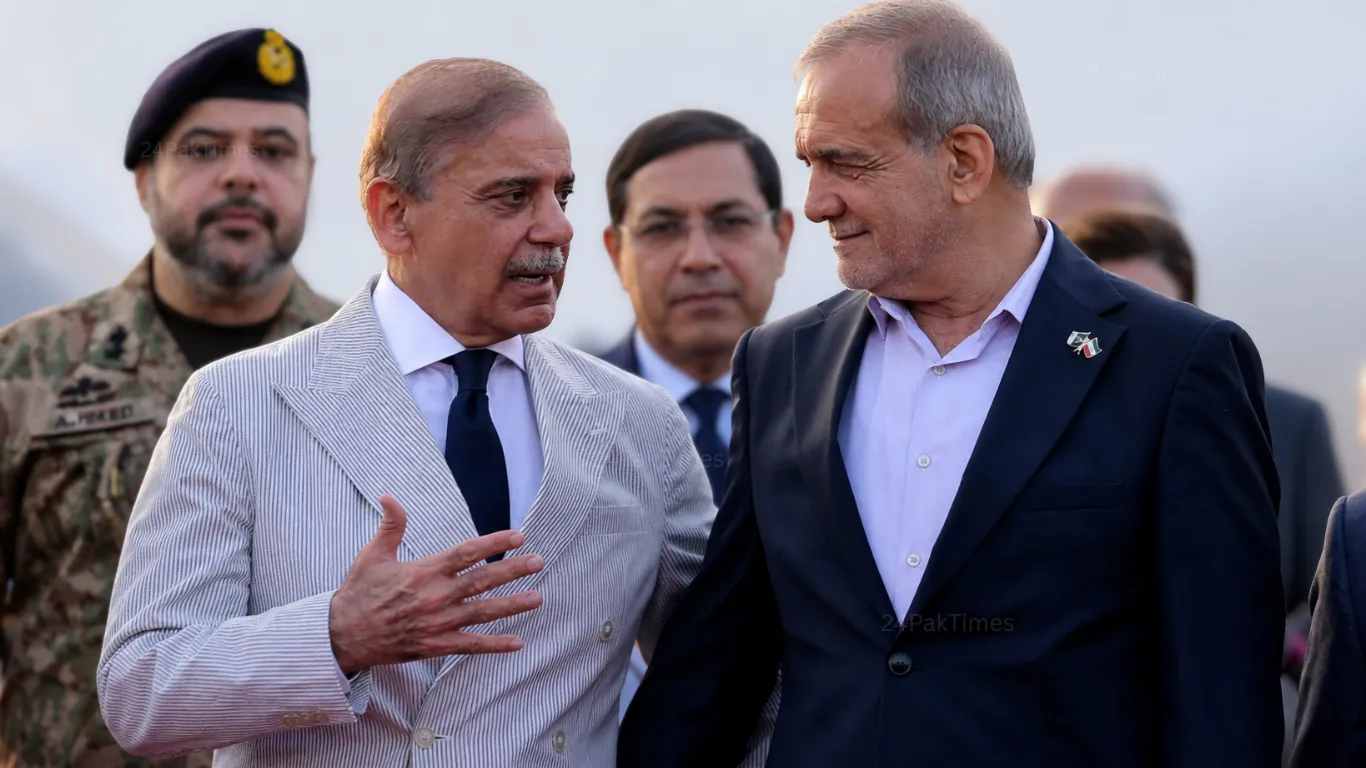
Missile programme clarified. The most concrete Pezeshkian visit outcome is the joint public declaration — detailed in full in our PM Shehbaz ballistic missiles article — that Iran’s missiles are outside the Islamabad MOU scope and will remain so. PM Shehbaz stated it publicly. Pezeshkian confirmed it in absolute terms. This clarity removes a potential deal-wrecker before it becomes an actual one.
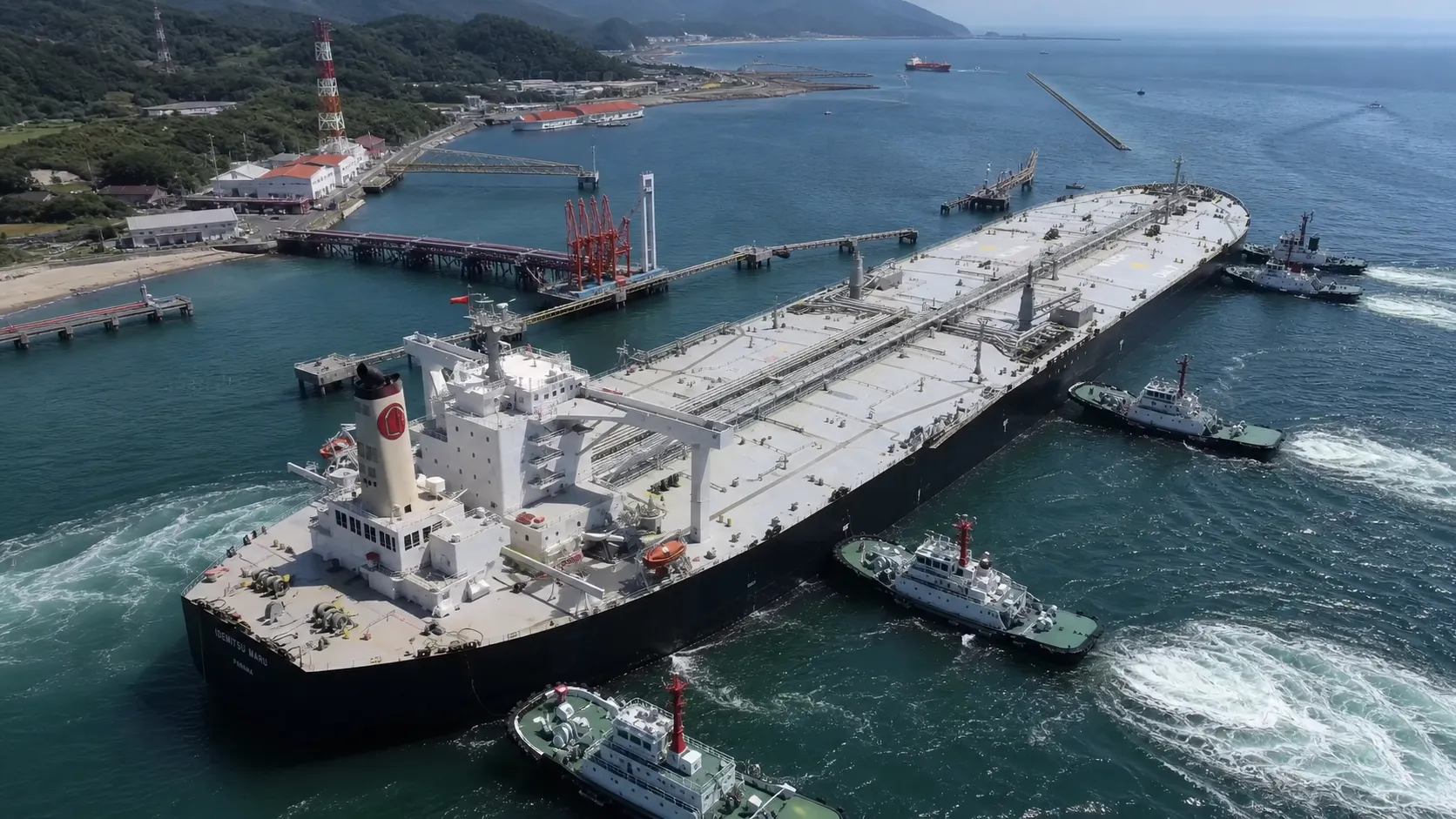
Energy cooperation signal sent. According to Washington Times, the visit covered trade, energy, border security, and regional connectivity. With the US Iran oil sanctions suspended for 60 days, the Iran-Pakistan gas pipeline — stalled for years — has a window of opportunity both sides are clearly aware of. No formal pipeline agreement was announced, but the political signal from both leaders is that the project is back on the agenda.
Continued mediation mandate confirmed. According to Al Jazeera, PM Shehbaz reconfirmed Pakistan’s mediation role in the clearest terms: “We will never let you down. Pakistan will carry out its role as mediator until everlasting peace is achieved.” That commitment, made publicly in front of the Iranian president, is binding in diplomatic terms.
Gratitude formalised at state level. According to The Express Tribune, Pezeshkian confirmed Iran’s supreme leader personally conveyed thanks to Pakistan’s leadership through this visit. “If it was not for the efforts made by your excellency and your team, we would not have been here today,” Pezeshkian told both Shehbaz and Zardari. That level of personal gratitude from a head of state — for a country that brokered a deal ending a war — is historically significant.
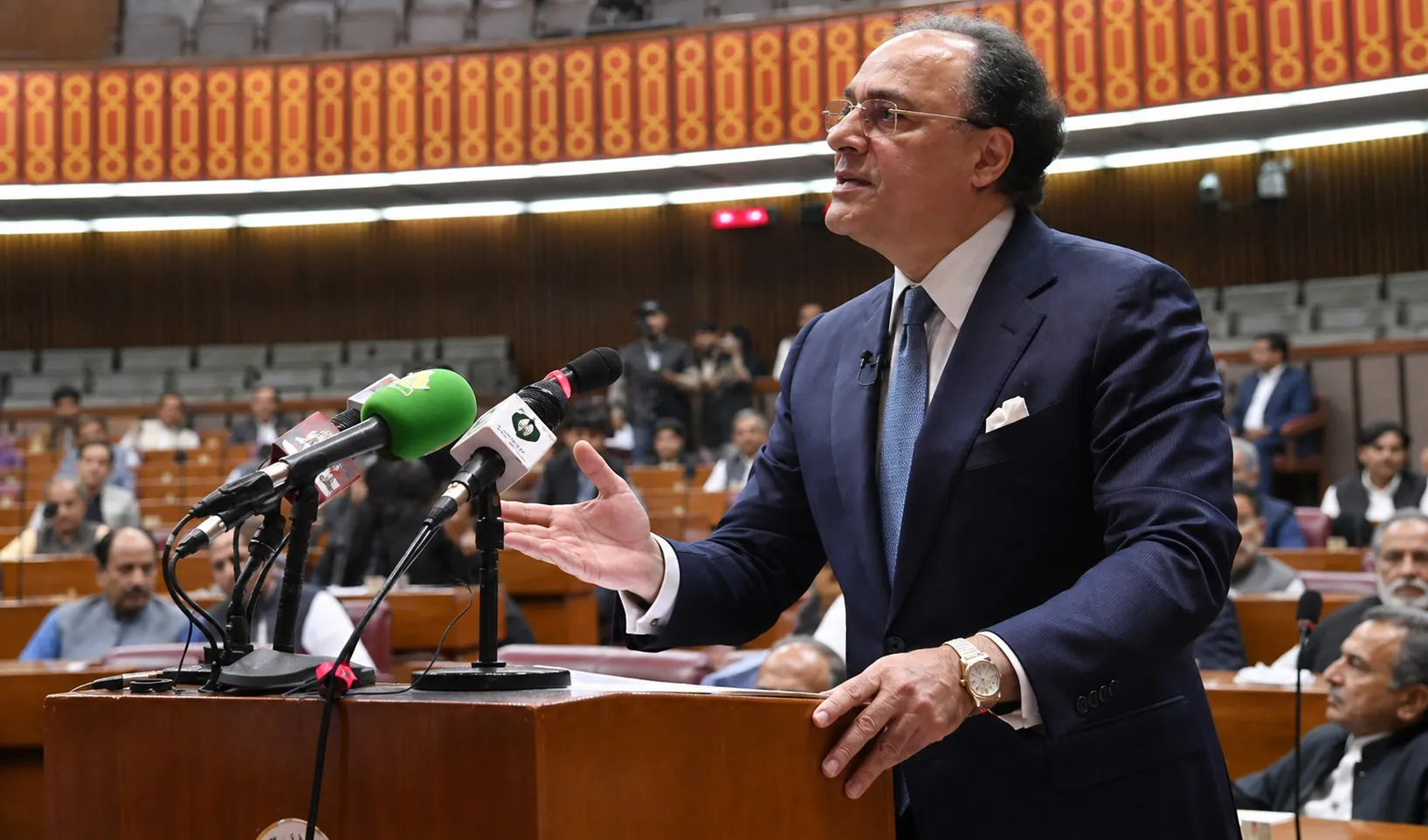
What the Visit Did NOT Produce
Honest reporting requires acknowledging the gaps alongside the achievements.
No formal gas pipeline agreement. The Iran-Pakistan gas pipeline remains a topic of discussion, not a signed project. The 60-day sanctions waiver window creates an opportunity — but transforming that opportunity into a concrete construction timeline requires legal, financial, and diplomatic steps that Tuesday’s visit did not complete.
No IAEA inspection resolution. The Iran-IAEA nuclear inspection dispute remains unresolved. Former Pakistani Ambassador Durrani’s assessment — that Iran is “comfortable not adopting the nuclear weapon route” and would comply with IAEA safeguards — is optimistic analysis, not confirmed Iranian policy commitment.
No Lebanon ceasefire breakthrough. Israel’s operations in southern Lebanon continue. The de-confliction cell agreed at Bürgenstock has not yet visibly constrained IDF strikes. This remains the most fragile element of the entire peace framework.
What Happens Next
According to Al Jazeera, Iran’s chief negotiator Ghalibaf and FM Araghchi simultaneously held talks in Oman on Strait of Hormuz management — showing that multiple diplomatic tracks are running in parallel. The Bürgenstock 60-day countdown is ticking. Pakistan remains at the centre of every track.
24PakTimes will continue covering the Islamabad MOU implementation process as it develops through the 60-day window.