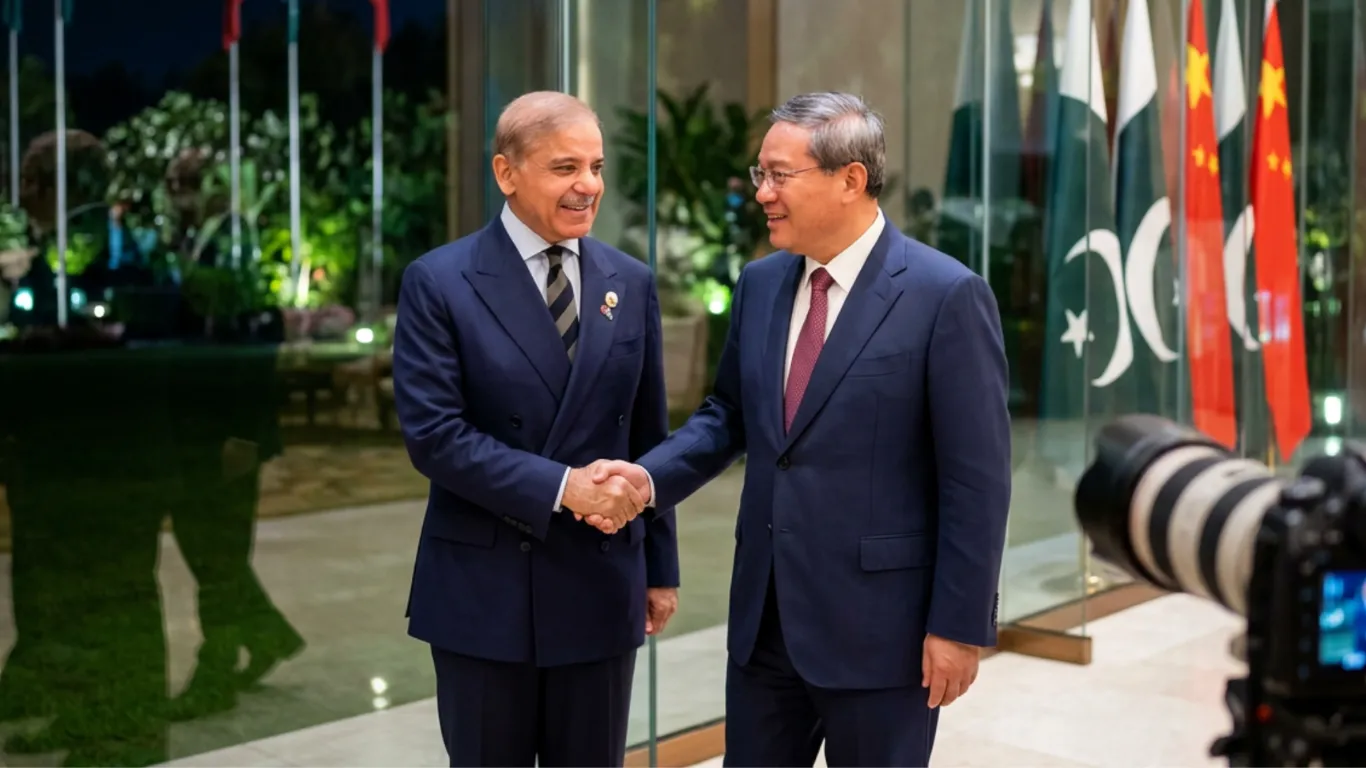
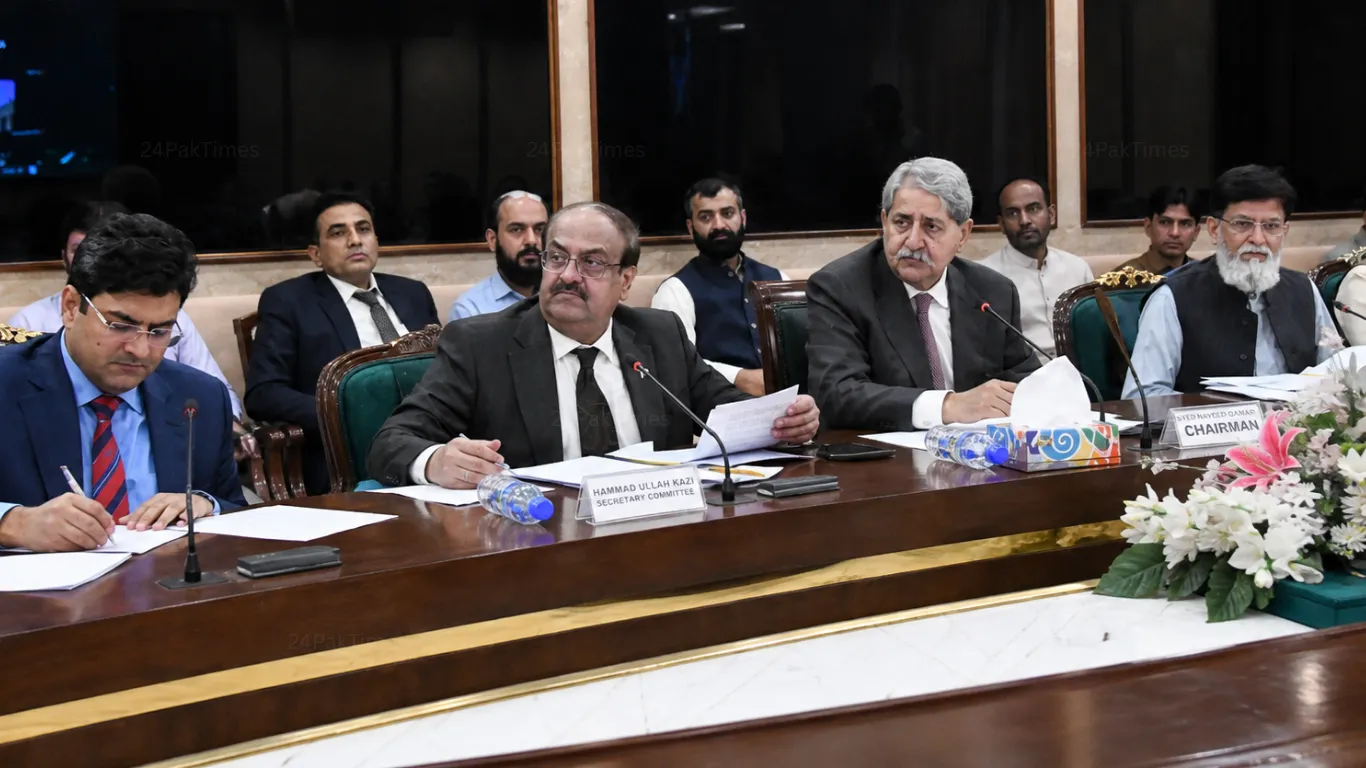

The Finance Bill 2026 has passed through the National Assembly Standing Committee on Finance — and the changes affect your mobile phone, your airline ticket, and your tax bill from July 1. According to Business Recorder, the committee concluded its clause-by-clause examination over the weekend, approving key amendments that the government and opposition negotiated under significant IMF pressure.
Here is what the Finance Bill 2026 committee approved, what was rejected, and what it means for you.
Phones: Rs14,000 Relief on High-End Imports from July 1
This is the change that affects the most Pakistanis directly. According to Business Recorder’s FBR briefing report, FBR Chairman Rashid Mahmood Langrial told the committee that a 20% reduction in regulatory duty on high-end imported phones will be implemented from July 1, 2026 — delivering Rs14,000 relief per phone.
For entry-level and mid-range imports, the Finance Bill 2026 incorporates reductions in import duties and taxes on phones priced between USD31 and USD200. According to Dawn’s committee coverage, the current average effective tax rate on all phone categories stands at 39.6%. That means Pakistanis currently pay nearly 40 paise in tax for every rupee of phone value. The Rs14,000 reduction on high-end phones is a meaningful step — though the 39.6% baseline shows how much further relief is possible.
The committee also directed the FBR to work with the Pakistan Telecommunication Authority (PTA) to develop an instalment-based tax payment system for phone registration. If implemented, Pakistanis could register their devices and pay applicable taxes in monthly instalments rather than a lump sum — a significant change for middle-class buyers and overseas Pakistanis bringing phones home. According to The Nation’s committee report, committee chairman Naveed Qamar directed FBR to develop a feasible instalment plan urgently.
Airlines: Sales Tax Exemption Extended Beyond PIA
The Finance Bill 2026 committee made a significant equity correction on aviation taxes. According to Dawn, the committee decided to extend the 18% sales tax exemption on aircraft leases and spare parts to all airlines — not just PIA. The FBR confirmed that under the revised proposal, the 18% sales tax will not apply to new aircraft leases and spare parts procurement for any registered Pakistani carrier.
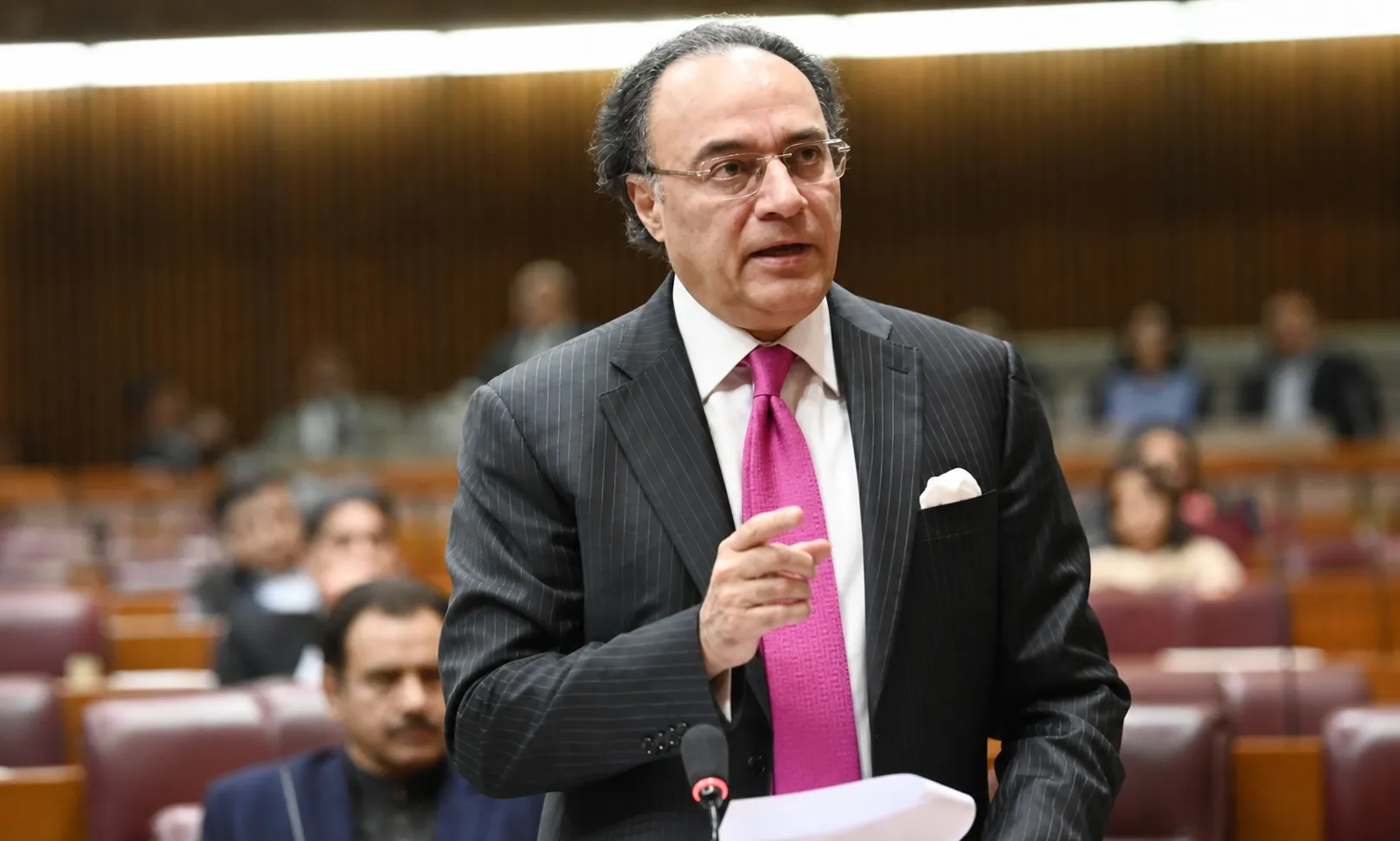
The reasoning is straightforward. According to Dawn, committee member Faruqui argued: “Tomorrow, if a new airline enters the market, it will immediately suffer the 18% tax burden” — creating an unlevel playing field that protects PIA’s monopoly while penalising competition. The committee agreed.
The IMF had rejected this extension. According to Business Recorder, the Secretary of Finance confirmed the Fund had objected that sales tax exemptions violate the structural benchmark agreed under the current IMF programme. Committee Chairman Qamar’s response was blunt: “It seems we have surrendered our sovereignty to the IMF.” The compromise reached: PIA exemption effective July 1, 2026 — all other airlines from July 1, 2027.
This directly affects Pakistani consumers. Cheaper leases and parts reduce airline operating costs. Those savings should eventually reach ticket prices — though whether airlines pass them on or absorb them as margin is a separate accountability question. The committee demanded that ticket prices must reflect the relief.
EV Policy Questioned — The IMF Lock Remains
The Finance Bill 2026 committee also challenged the government’s electric vehicle taxation approach. According to Dawn, Sharmila Faruqui and other members questioned proposed taxes on high-end EVs and submitted formal notes of dissent. This follows the broader IMF rejection of Pakistan’s NEV 1% sales tax that 24PakTimes reported earlier.
The fundamental constraint remains unchanged. According to Business Recorder, the FBR confirmed that “the numbers of taxation and policy measures have been locked with the IMF.” Every tax cut the committee approved must be offset by revenue elsewhere. The Finance Bill 2026 operates within an IMF fiscal cage — and that cage does not bend easily.
What This Means for Pakistani Consumers
Phones: Expect Rs14,000 relief on high-end imports and duty reductions on USD31–200 phones from July 1. A PTA instalment plan for registration taxes may follow within months. This is genuine, measurable consumer relief.
Flights: PIA customers get ticket price relief from July 2026. Customers of other Pakistani airlines follow in July 2027. The committee has insisted prices must reflect the exemption — watch whether they actually do.
EVs: Still contested. The committee has raised objections but no final resolution has been confirmed. The IMF’s position remains the binding constraint.

What Happens Next
The Finance Bill 2026 now goes to the full National Assembly for final passage — expected before June 30 to take effect from July 1. 24PakTimes will report on the final vote, any last-minute amendments, and what takes effect on July 1 for Pakistani consumers.
How much will phones get cheaper under the Finance Bill 2026?
The Finance Bill 2026 provides Rs14,000 relief on high-end imported phones through a 20% reduction in regulatory duty, effective July 1, 2026. Entry-level and mid-range phones priced USD31–200 also receive import duty reductions. The current average effective tax rate across all phone categories is 39.6%.
Will airline ticket prices drop after the Finance Bill 2026 exemption?
The committee approved extending the 18% sales tax exemption on aircraft leases and spare parts to all airlines — not just PIA. PIA gets the exemption from July 1, 2026; other airlines from July 1, 2027. The committee demanded ticket prices must reflect this relief, though enforcement of that demand is a separate challenge.
Why did the IMF object to extending the airline sales tax exemption?
The IMF argued that sales tax exemptions for airlines beyond PIA violate the structural benchmark agreed under Pakistan’s current IMF programme. The Fund’s position is that Pakistan must eliminate exemptions to protect the tax base. Committee Chairman Naveed Qamar accused the government of surrendering economic sovereignty to the IMF over this objection.
When does the Finance Bill 2026 officially take effect?
The Finance Bill 2026 must pass through the full National Assembly before June 30, 2026 to take effect from July 1 — the start of Pakistan’s new fiscal year. The committee has completed its clause-by-clause review and the bill now moves to the floor vote.