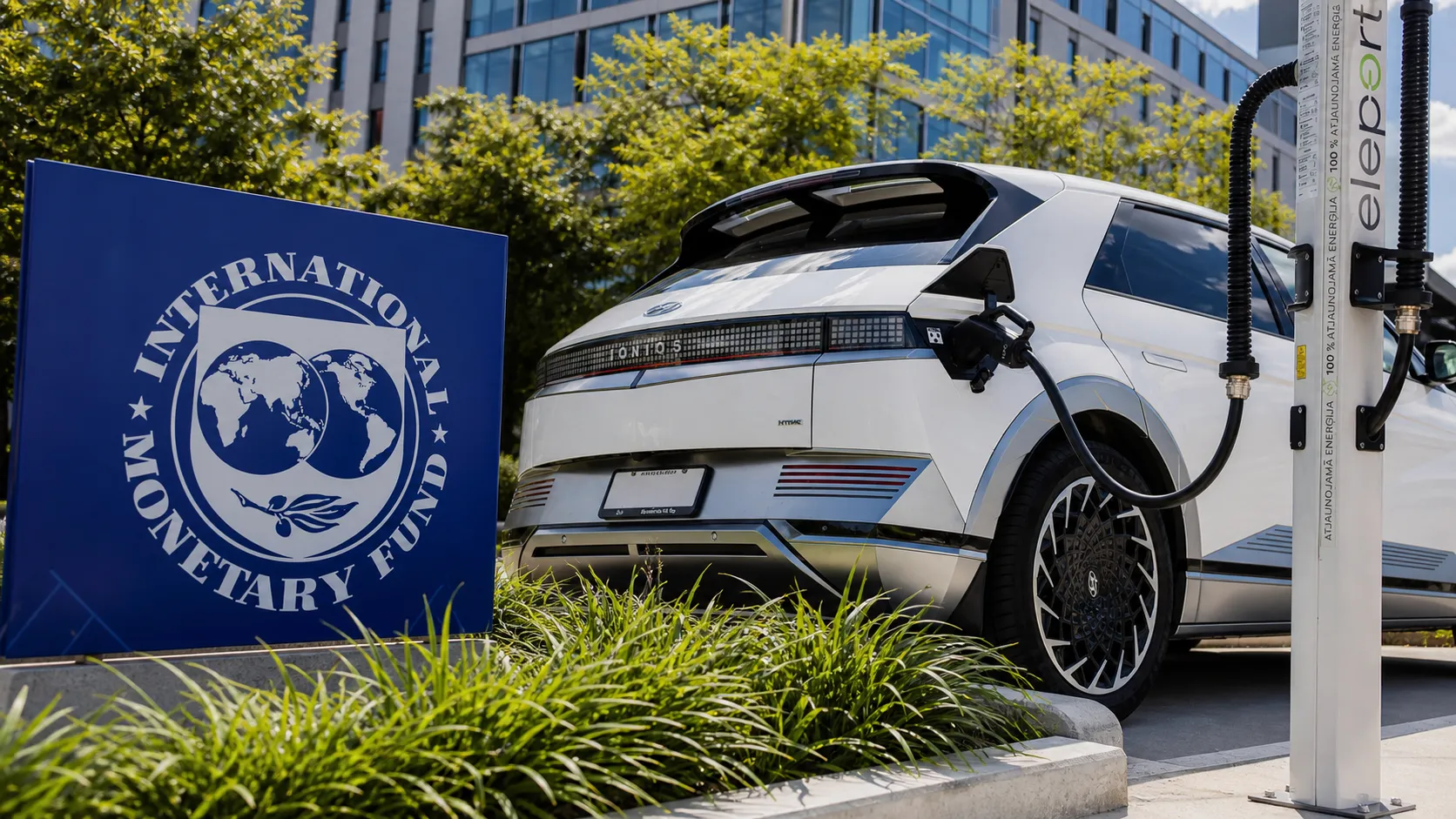

The IMF has rejected Pakistan’s proposed 1% NEV sales tax on new energy vehicles included in the Federal Budget 2026-27 — and the consequences for Pakistani electric and hybrid car buyers could be significant. According to the Express Tribune, the International Monetary Fund has disagreed with the concessionary rate, arguing it erodes Pakistan’s tax base at a time when the FBR revenue target stands at Rs15.267 trillion for FY27.
IMF rejects Pakistan NEV sales tax signals a direct clash between Pakistan’s green energy ambitions and the Fund’s fiscal consolidation demands. The outcome will determine whether electric vehicles remain affordable in Pakistan

Why the IMF Rejects Pakistan’s NEV Sales Tax
The government’s intent behind the 1% NEV sales tax was clear: reduce oil import dependency, encourage EV adoption, and signal Pakistan’s climate commitment. Electric and hybrid vehicles currently make up a small but rapidly growing share of Pakistan’s auto market — brands like MG, Haval, and BYD have entered local assembly. The concessionary rate was designed to keep that momentum alive.
The IMF’s position, consistent across its extended programme with Pakistan, is that concessionary tax rates undermine fiscal sustainability. According to Express Tribune, the Fund has consistently pushed Pakistan to eliminate exemptions and harmonise sales tax rates.
A 1% rate on vehicles priced between Rs5 million and Rs15 million represents, in the Fund’s view, an unjustified revenue sacrifice — particularly when Pakistan’s budget 2026-27 is already stretching fiscal targets. Our earlier budget 2026-27 coverage laid out the full pressures the government is managing.
What IMF Rejection Means for EV Prices in Pakistan
If the IMF’s rejection of the NEV sales tax succeeds and the 1% rate is revised upward, Pakistani consumers face sharply higher electric vehicle costs. The standard sales tax rate in Pakistan is 18%. Even a compromise of 10% would add hundreds of thousands of rupees to the purchase price.
| Vehicle Price | At 1% Tax | At 10% Tax | At 18% Tax |
|---|---|---|---|
| Rs 5,000,000 | Rs 50,000 | Rs 500,000 | Rs 900,000 |
| Rs 10,000,000 | Rs 100,000 | Rs 1,000,000 | Rs 1,800,000 |
| Rs 15,000,000 | Rs 150,000 | Rs 1,500,000 | Rs 2,700,000 |
The gap between 1% and 18% on a Rs10 million EV is Rs1.7 million. That is not a rounding error. That is the difference between a sale and a rejection for most middle-class Pakistani buyers.
Pakistan’s EV Market: Growing But Fragile
Pakistan’s electric vehicle market is in its early growth phase. Local assembly has increased sharply over the past two years. But adoption is entirely price-sensitive — Pakistani consumers will only switch from petrol to electric if the financial case is clear.
Remove the tax incentive, and the financial case disappears. The IMF’s objection, if it results in a higher tax rate, could effectively freeze Pakistan’s green transport transition for years. Ironically, this comes at a time when the Iran deal has pushed oil below $80 — temporarily reducing the urgency for consumers to switch to electric. That reduced urgency makes the concessionary tax even more critical to maintaining EV market momentum.
The Budget Debate Context
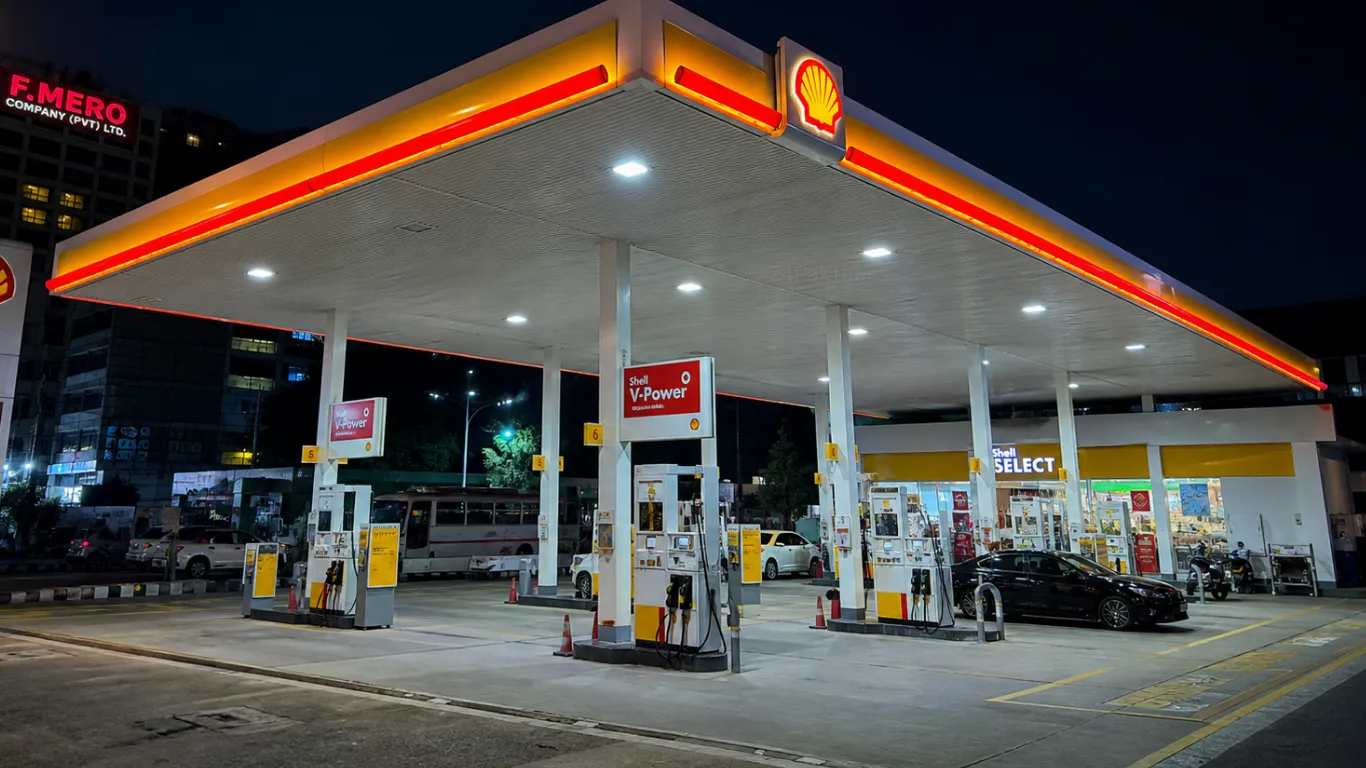
According to Dawn, the IMF’s disagreement is surfacing during the five-day post-budget National Assembly debate, with 29 members from both sides participating in the first session on Saturday. The NEV sales tax dispute is one of several collision points between Pakistan’s domestic policy goals and IMF programme requirements.
The pattern is familiar: Pakistan proposes development incentives. The IMF demands revenue consolidation. The Finance Bill is the battleground where those priorities meet. A negotiated compromise rate — perhaps 5% to 7% — is the most likely outcome before the Finance Bill receives final passage.
What Pakistani EV Buyers Should Do Now
If you are considering purchasing an electric or hybrid vehicle in Pakistan, monitor the National Assembly Finance Bill debate closely. The current 1% NEV sales tax may not survive IMF pressure. If it is revised upward before July 1, prices will increase from the new fiscal year start.
If the 1% rate holds — buy before the next IMF quarterly review, because the Fund will revisit this issue at the next programme assessment. The IMF’s rejection of Pakistan’s NEV sales tax is not final yet. But the window for certainty is closing.
What Happens Next
The government will negotiate with the IMF behind closed doors over the next week, likely settling on a compromise rate. 24PakTimes will report on the final Finance Bill rate when it is confirmed.
FAQ — IMF Rejects Pakistan NEV Sales Tax Budget 2026-27
What is the NEV sales tax dispute between Pakistan and the IMF?
Pakistan’s Federal Budget 2026-27 proposes a 1% concessionary sales tax on new energy vehicles including electric, hybrid, and plug-in hybrid cars. The IMF has rejected this rate, arguing it erodes Pakistan’s tax base and contradicts the Fund’s push for harmonised, consistent sales tax rates across all sectors.
How could this affect electric vehicle prices in Pakistan?
If the 1% rate is revised upward to the standard 18% sales tax, a Rs10 million electric vehicle would cost Rs1.7 million more in taxes alone. Even a compromise rate of 10% would add Rs1 million to the same vehicle. Higher EV taxes would significantly slow Pakistan’s electric vehicle adoption.
Which EV brands are currently operating in Pakistan’s market?
Electric and hybrid vehicle brands with local assembly or distribution in Pakistan include MG, Haval, and BYD. The government’s 1% NEV sales tax was specifically designed to support this nascent industry and accelerate the transition away from petrol-powered vehicles.
When will the final NEV sales tax rate be confirmed?
The Finance Bill 2026-27 is currently under debate in the National Assembly’s five-day post-budget session. The IMF-Pakistan negotiation on the NEV rate will likely conclude within the next week, before the Finance Bill receives final approval. The new rate, whatever it is, takes effect from July 1, 2026.