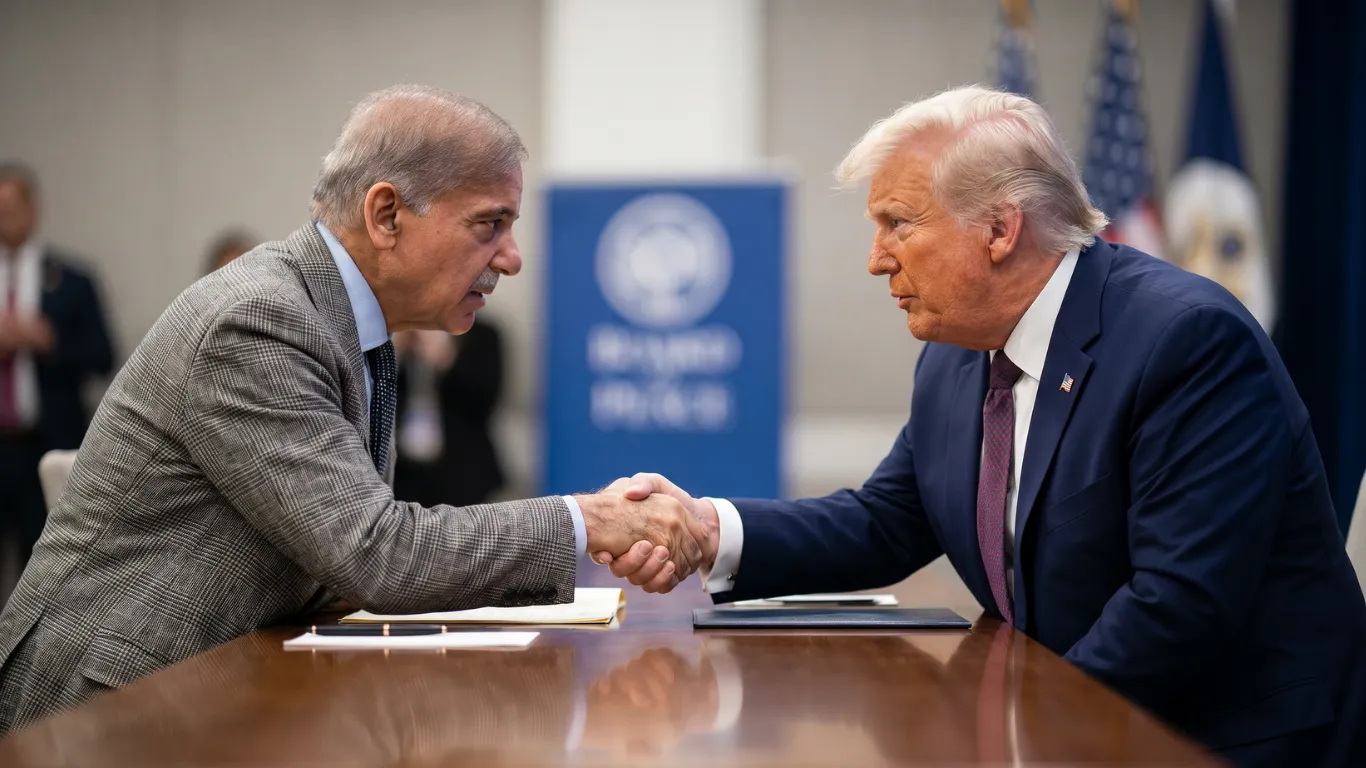

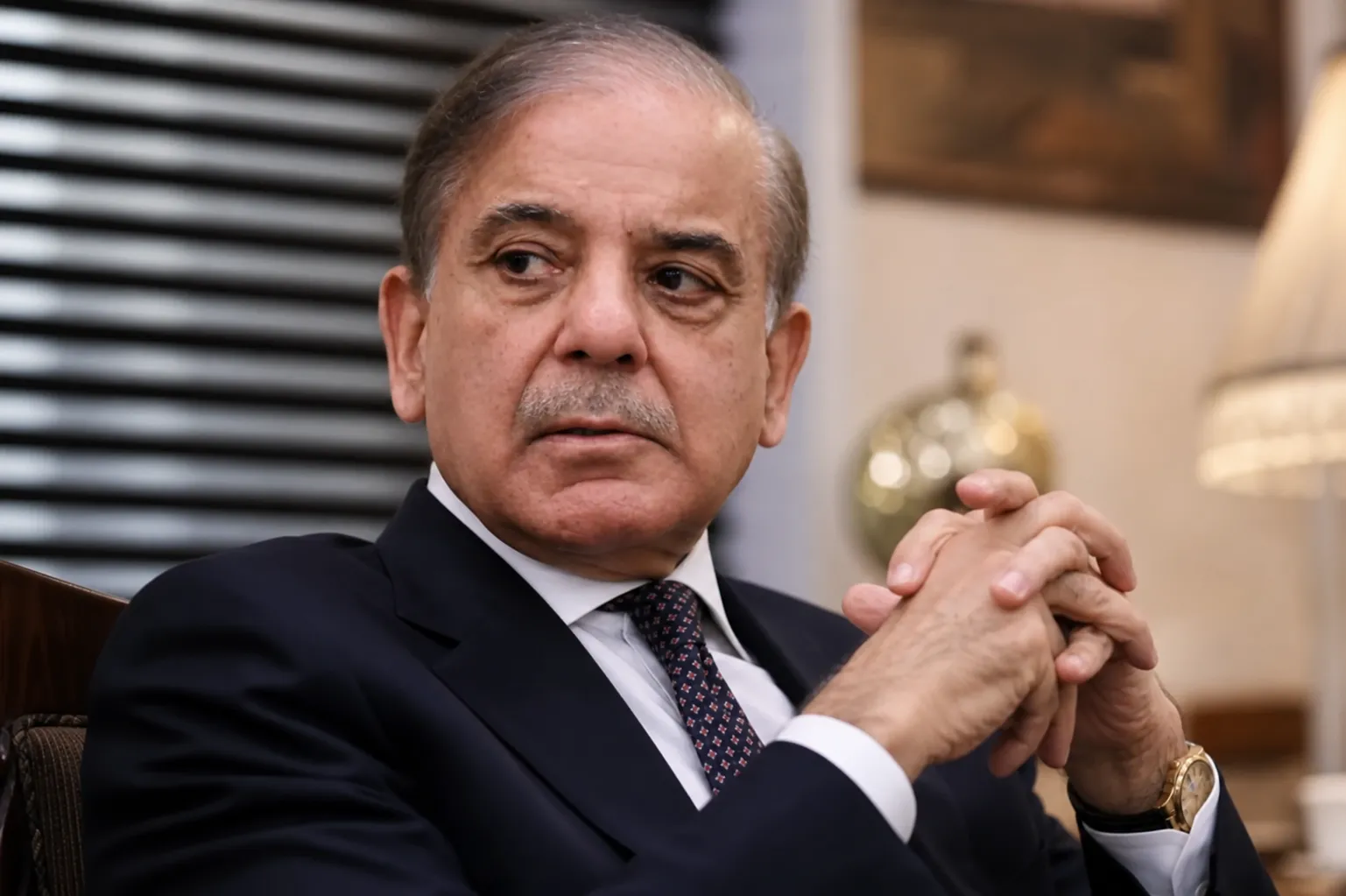
Pakistani Prime Minister Shehbaz Sharif said Sunday the US and Iran had reached a peace deal that includes “the immediate and permanent termination of military operations on all fronts, including in Lebanon.”
The US Iran Peace Deal will be signed during an official ceremony on June 19 in Switzerland, Sharif said.
“Following intensive talks, we are pleased to announce that the Peace Deal between the United States of America and Islamic Republic of Iran has been REACHED,” PM Sharif wrote on X.
107 days after the war began on February 28, it is over. And Pakistan made it happen.

What PM Shehbaz Said About US Iran Peace Deal
Pakistan was not just a messenger in this process. Islamabad was the architect.
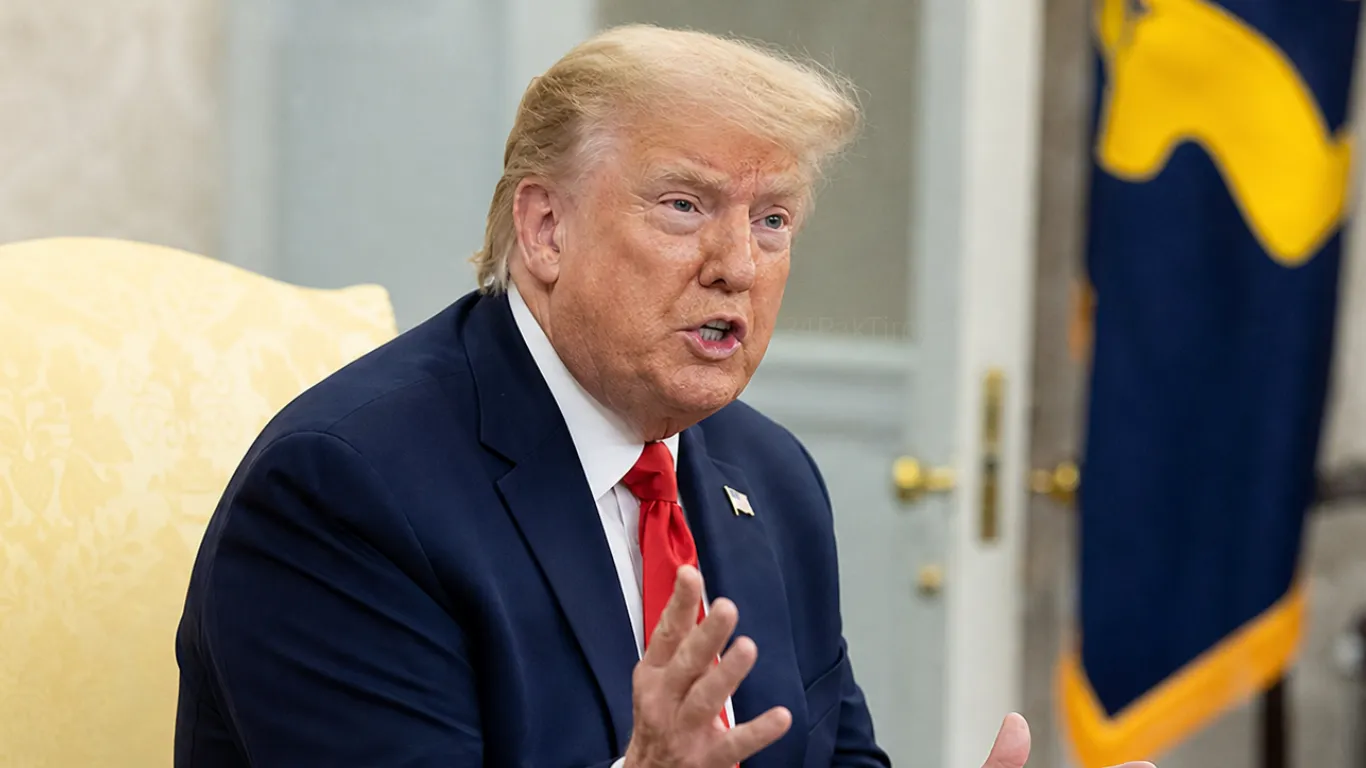
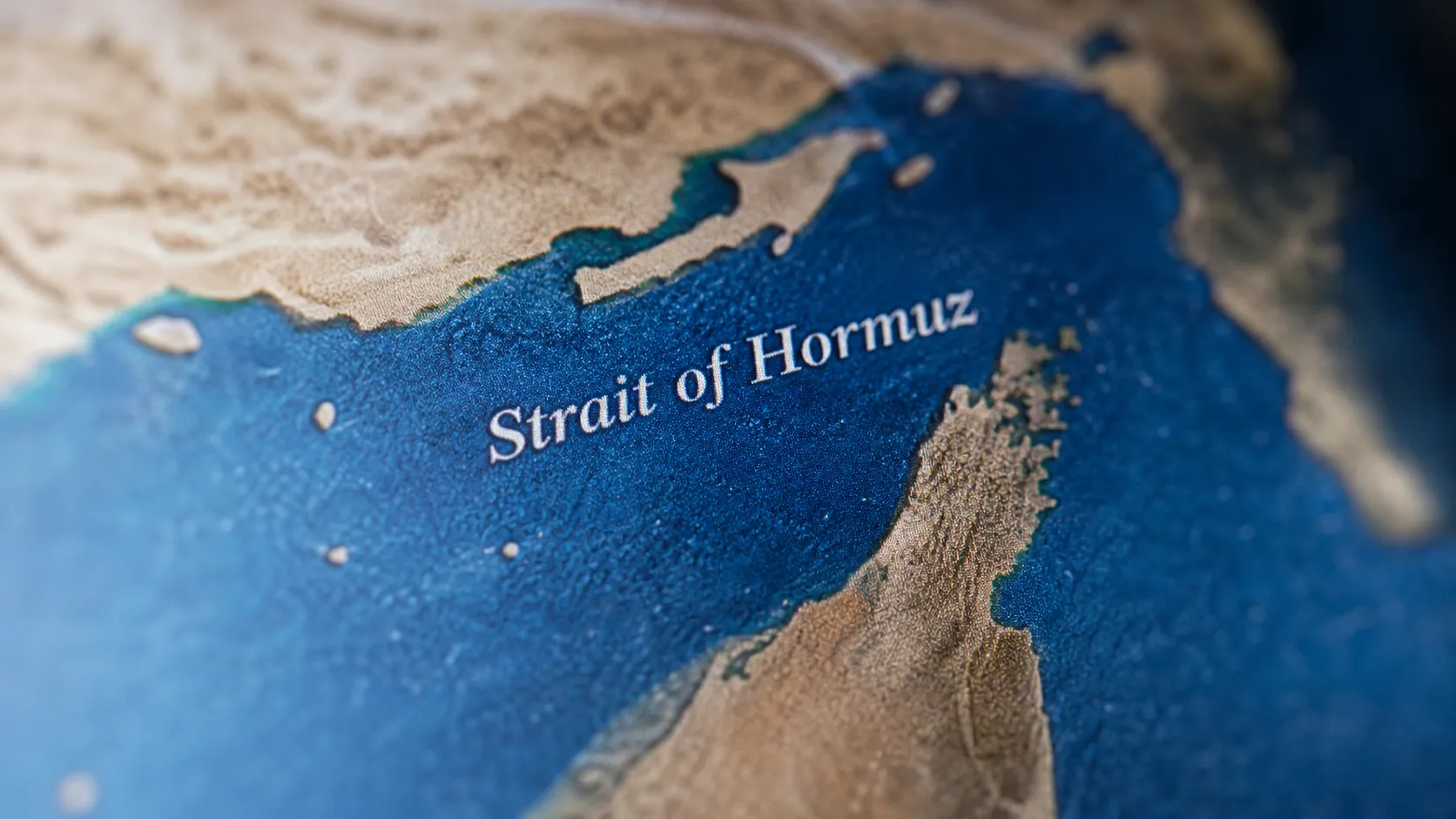
CBS News’ live Iran deal coverage tracked the announcement in real time — the Pakistani Prime Minister’s statement came before either Washington or Tehran issued their own confirmations. President Trump then wrote on social media that he was ending the US naval blockade of the Strait of Hormuz.
That single sentence changes everything for Pakistan. The Strait has been the source of oil price spikes, LNG shortages, electricity bill increases, and petrol price hikes since February. Its reopening signals the beginning of the end of those pressures.
How the Final Hours Unfolded
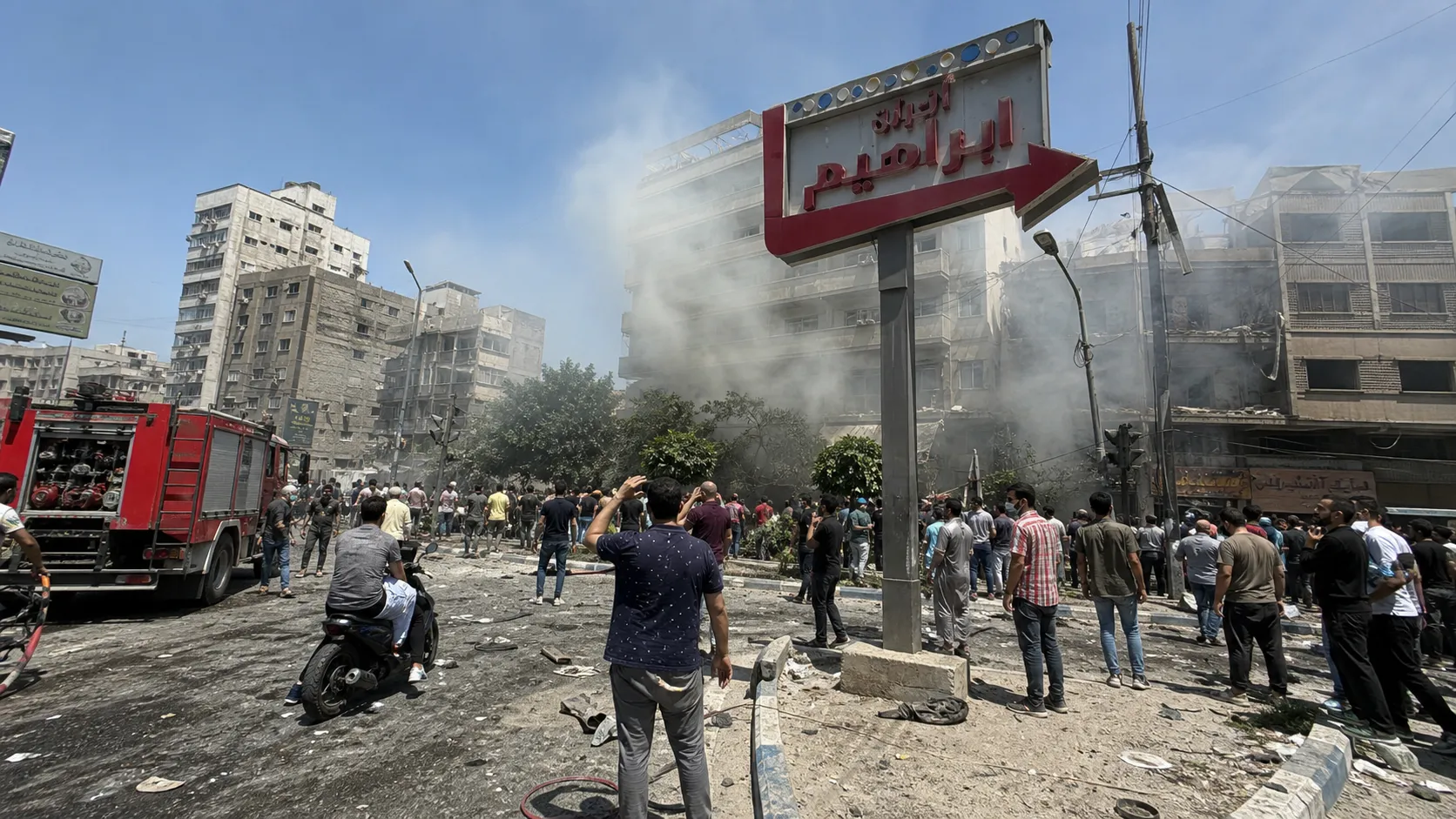
Qatari negotiators flew to Tehran early Sunday morning. They departed after 17 hours of intensive negotiations, with separate preparatory meetings set in Doha this week ahead of the official signing. Iran’s deputy foreign minister later confirmed the text of an agreement had been finalized and would be signed Friday.
The signing is set for June 19, this Friday, in Switzerland. Both sides will be present. Pakistan brokered the final text after months of shuttle diplomacy — from the first Pakistan-mediated US-Iran ceasefire in April to the 60-day ceasefire framework to the Strait of Hormuz closure crisis last week.
What the Deal Actually Contains
The 14-point deal reportedly includes:
- Immediate and permanent cessation of military operations on all fronts including Lebanon
- Reopening of the Strait of Hormuz to all international shipping
- Sanctions relief for Iran including oil sanctions waivers
- Release of frozen Iranian assets
- Iran agrees to nuclear limits on its program
- Separate nuclear negotiations to follow in a second stage
Why Pakistan Deserves Credit
Let me be direct about something.
Pakistan brought two countries that had not spoken directly since 1979 to the same table. The ceasefire on April 8 was Pakistan’s. The 14-point text was shaped through Pakistani intermediaries. And PM Shehbaz Sharif is the person who announced to the world that the war is over.
In a country exhausted by its own crises, this is the kind of moment that deserves recognition beyond the usual three-day news cycle.
What This Means for Every Pakistani Family
The effects will be felt quickly:
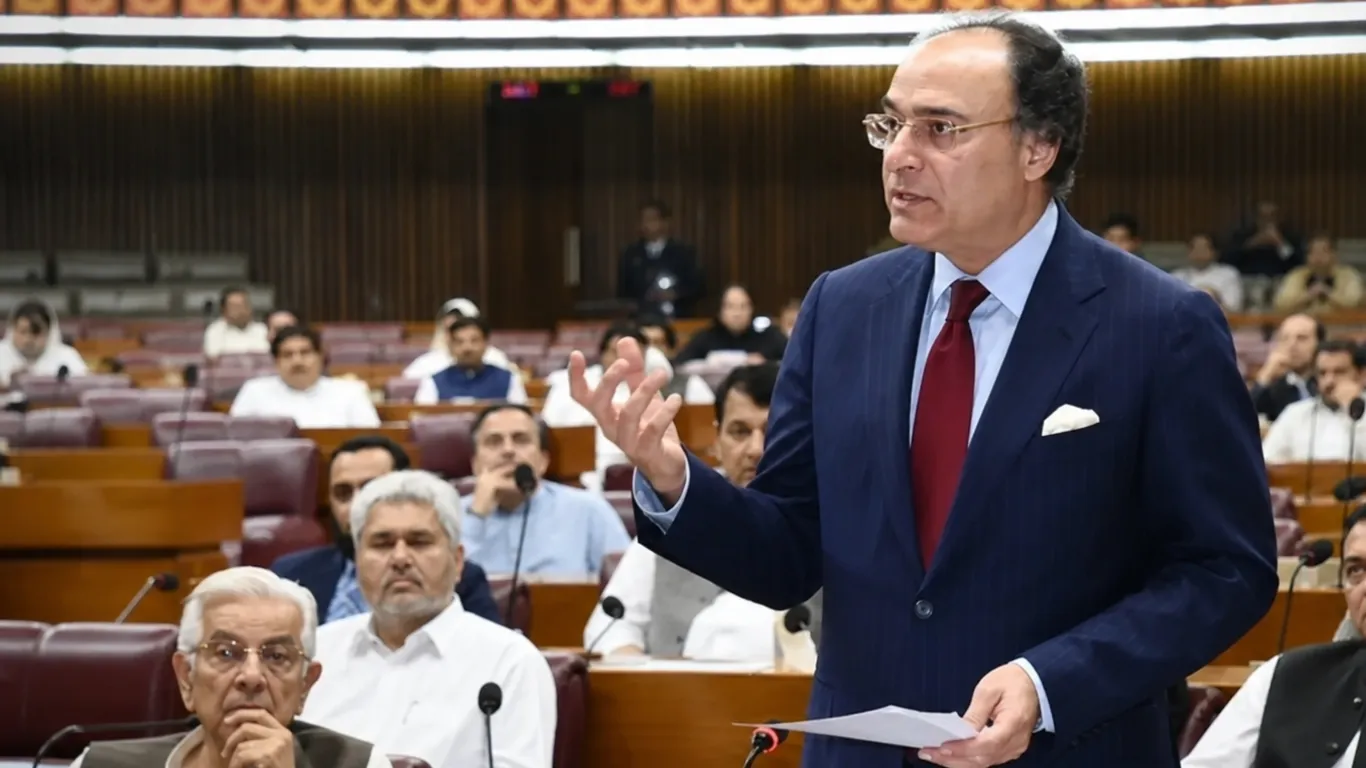
- Petrol prices: Already down Rs30 over five weeks. With the Strait reopening, expect another significant cut in coming weeks.
- Electricity bills: LNG supply will normalize. The fuel cost adjustments that pushed your bill up should reverse over coming months.
- Gold: Already dropped sharply this week. Expect further declines as the war risk premium evaporates from global markets.
- PSX: Jumped 4,400 points this morning alone.
Inflation: The 11.7% May reading was partly driven by Hormuz disruption. As energy and transport costs ease, inflation should fall toward the SBP’s 5 to 7% target range.
What Happens Next
The formal signing is June 19 in Switzerland. Technical-level talks between the US and Iran will follow in Doha this week.
Share markets surged across Asia on Monday. Oil prices tumbled. The dollar slipped. A tentative peace deal promises to ease inflationary pressures globally.
24PakTimes will cover the June 19 signing ceremony and its immediate economic impact on Pakistan.