
The Inflation rate in Pakistan jumped to 11.7% year-on-year in May 2026, from 10.9% in April. Pakistan Truth’s inflation analysis confirmed this remains well above the State Bank of Pakistan’s 5% to 7% target range — the highest reading since June 2024.
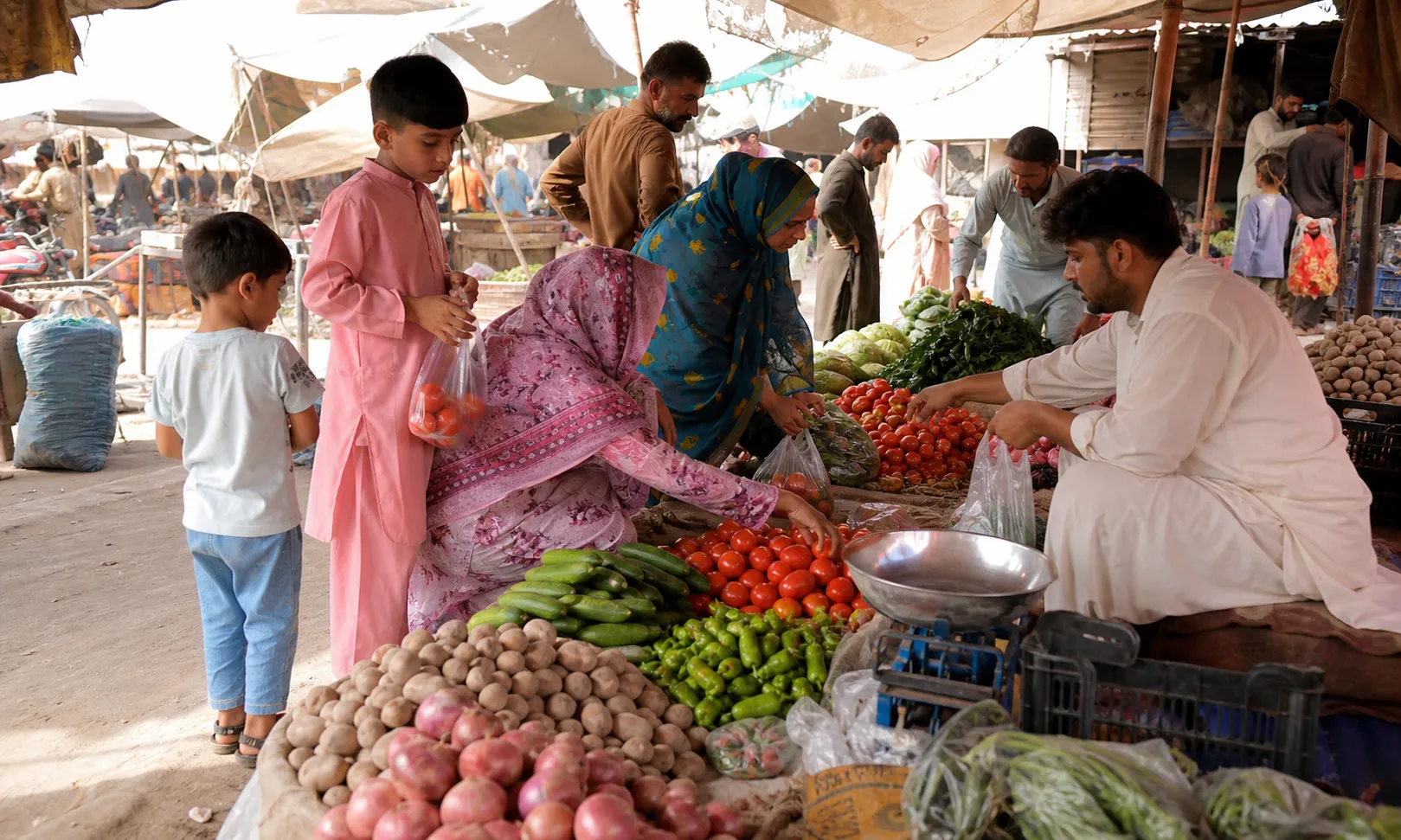
That is a government number. It tells you inflation went up. But it does not tell you what your wife spent at the bazaar this morning. Let me try to bridge that gap.
Why Prices Jumped So Fast
Three months ago, inflation was 7.3%. Now it is 11.7%. That is a huge jump. Here is why.
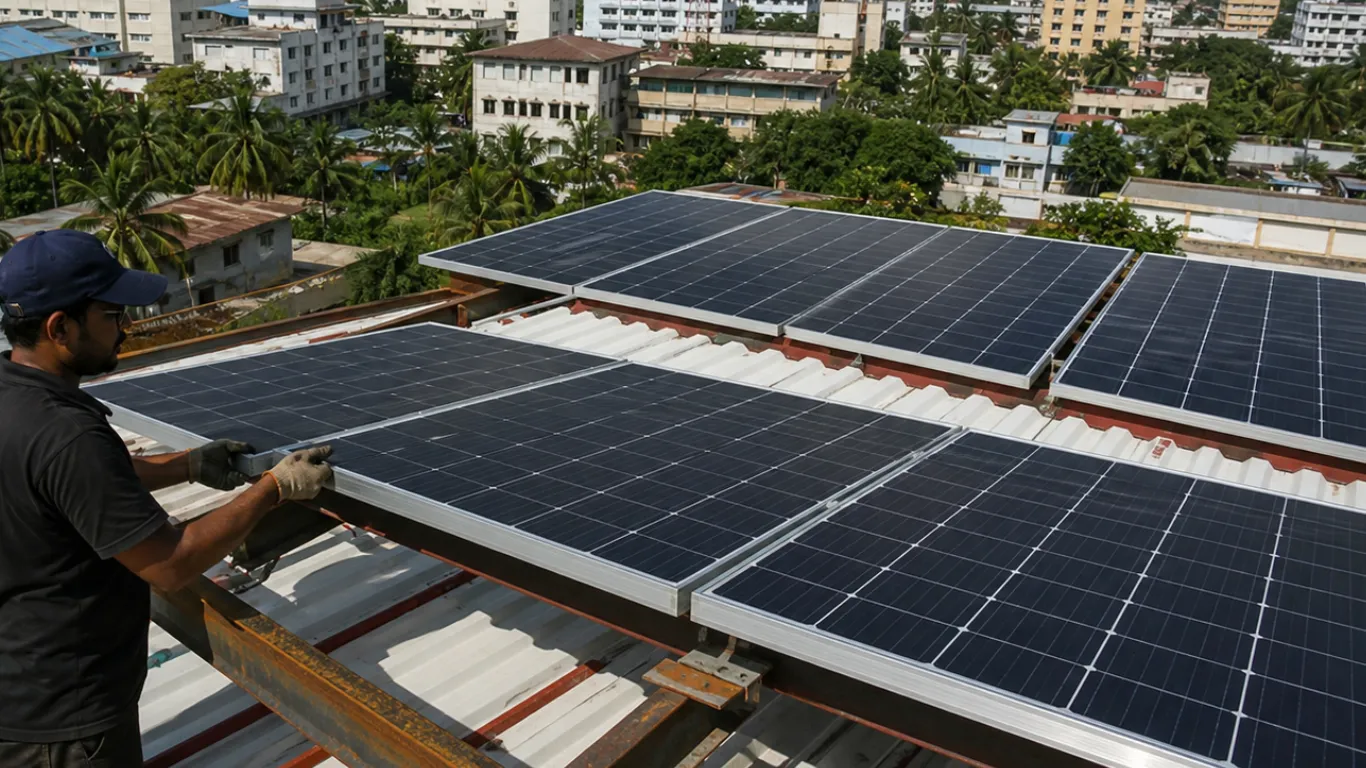
The domestic transport sector indices are up by an astounding 36.8% year-on-year due to geopolitical tensions and prolonged supply chain congestion in major trade routes.
Translation: the Iran war pushed fuel prices up. Higher fuel means higher transport costs. Higher transport means everything that moves by truck (which is everything you eat) costs more at the market.
Pakistan’s short-term inflation, gauged by the Sensitive Price Indicator, surged 14.75% year-on-year — reflecting the impact of heightened geopolitical tensions following the US conflict with Iran and the resultant disruption to global oil supplies through the Strait of Hormuz.
The SPI tracks 51 essential items that ordinary Pakistanis buy weekly. It is a better measure of what you actually feel at the market than the CPI.

What a Middle-Class Pakistani Family Spends on Food Monthly
A realistic breakdown for a family of four in Lahore or Karachi in June 2026. These are current bazaar prices, not government rates:
| Item | Monthly Need | Approximate Cost |
|---|---|---|
| Atta (flour) | 20 kg | Rs2,400 – Rs2,800 |
| Rice (Basmati) | 10 kg | Rs2,500 – Rs3,500 |
| Cooking oil | 5 litres | Rs2,800 – Rs3,200 |
| Milk (daily 2 litres) | 60 litres | Rs7,200 – Rs9,000 |
| Chicken (weekly 2 kg) | 8 kg | Rs4,000 – Rs5,600 |
| Vegetables (weekly) | 4 weeks | Rs4,000 – Rs6,000 |
| Daal (various) | 5 kg | Rs1,500 – Rs2,200 |
| Eggs (weekly 12) | 48 eggs | Rs1,200 – Rs1,600 |
| Sugar | 5 kg | Rs750 – Rs900 |
| Tea (Lipton/Tapal, 500g) | 500g | Rs800 – Rs1,100 |
| Fruit (seasonal) | Weekly | Rs2,000 – Rs3,500 |
| Spices and misc | Monthly | Rs1,500 – Rs2,500 |
| TOTAL | Rs30,650 – Rs41,900 |
That means a middle-class family of four is spending roughly Rs30,000 to Rs42,000 per month just on food. Not rent. Not electricity. Not school fees. Just food.
A year ago, the same basket would have cost about Rs25,000 to Rs35,000. The difference is real.

The Eid Effect on June Prices
June aligns with the seasonal demands of Eid-ul-Adha, prompting a sudden demand spike for essential cooking vegetables like onions, ginger, garlic, and tomatoes. Festive season pressures have driven open-market prices of ginger and garlic up to Rs450 to Rs500 per kilogram.
Ginger at Rs500 per kilo. That is the kind of number that makes your eyes water — and not from cutting onions.

Where the Pain Is Worst
Express Tribune confirmed among income groups, the lowest consumption quintile recorded a 12.59% annual increase — indicating inflationary pressures remained disproportionately heavy on the poorest households.
The poorest 20% of Pakistanis spend a larger share of their income on food and transport. When atta goes up Rs200 per bag, it barely registers for a family earning Rs300,000 per month. For a family earning Rs40,000, it is the difference between buying meat this week or not.
Pakistan Truth’s housing cost data confirmed housing, water, electricity, gas, and fuel costs have risen collectively by 16.78% year-on-year. When you combine food inflation with utility inflation, the picture becomes clear: the cost of simply existing as a Pakistani family has gone up significantly in 2026.

5 Practical Ways to Manage Your Family Food Budget
These are not theoretical tips. These are things real families in Pakistan are doing right now:
- 1. Buy staples monthly, not weekly. Buy atta, rice, daal, and cooking oil once a month in bulk from wholesale markets — Jodia Bazaar in Karachi, Akbari Mandi in Lahore. The per-kilo price is 10 to 15% lower than neighbourhood shops.
- 2. Buy seasonal vegetables. Right now in June, tinda, tori, and karela are in season and relatively affordable. Out-of-season vegetables can cost 2 to 3 times more.
- 3. Reduce meat to twice a week. Replace two chicken meals with daal or egg-based dishes. A plate of daal chawal costs about Rs80 per person. A plate of chicken costs Rs250+.
- 4. Compare grocery prices online. Several price comparison apps and sites now track grocery prices across Pakistani cities. Check before you buy.
- 5. Grow basic herbs at home. Pudina, dhaniya, and hari mirch grow easily in small pots on any balcony. At Rs200 per bunch retail, growing your own saves Rs1,500 to Rs2,000 per month.

My Honest Take
When inflation was at 30% in 2023, people were genuinely frightened. At 11.7%, it feels less urgent. But it is still nearly double the State Bank’s target of 5 to 7%.
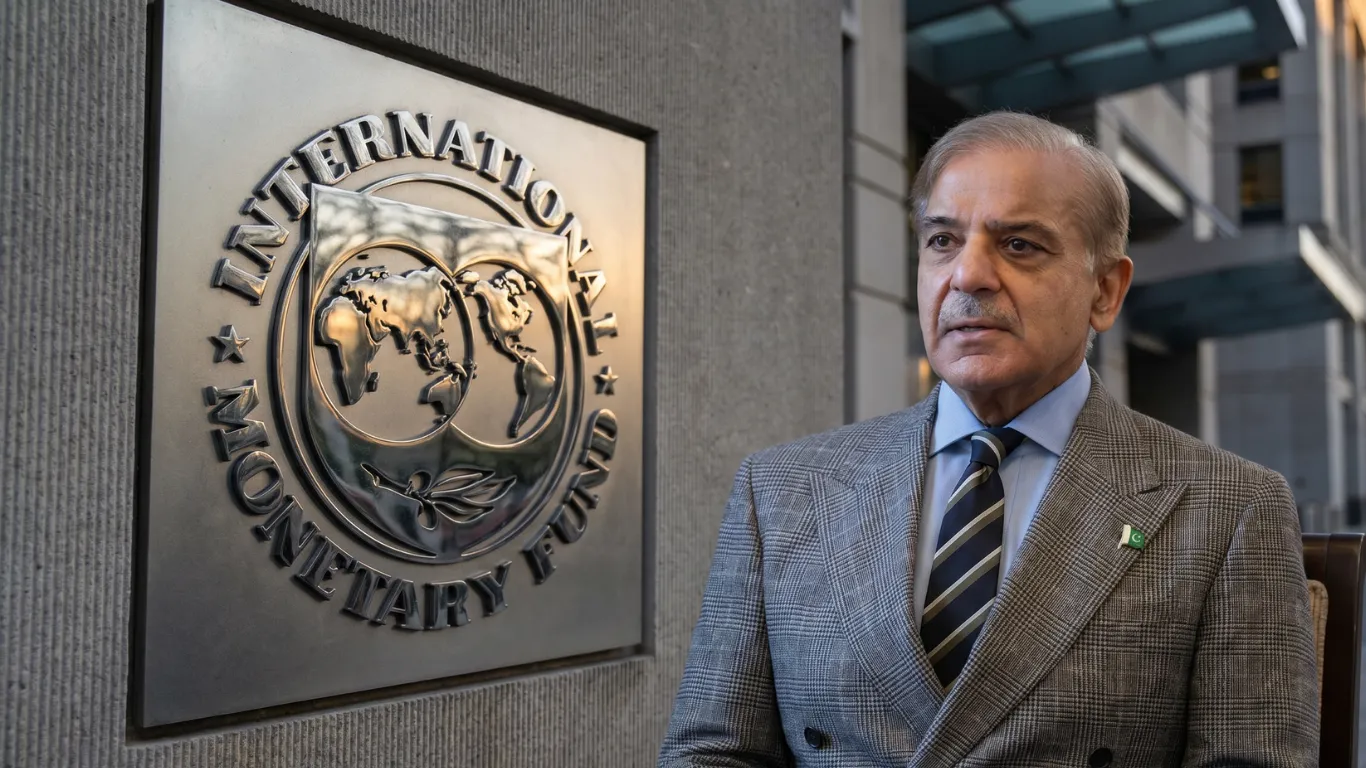
What happens at the Budget on June 10 also matters directly. If the government accepts the IMF’s demand for 18% GST on fuel, that will push transport costs higher — which will push food prices higher — which will push inflation higher. For the full budget context, see our Budget 2026-27 delayed analysis.
Your grocery bill is connected to global politics in a way that feels absurd. But in 2026 Pakistan, that is just the reality.