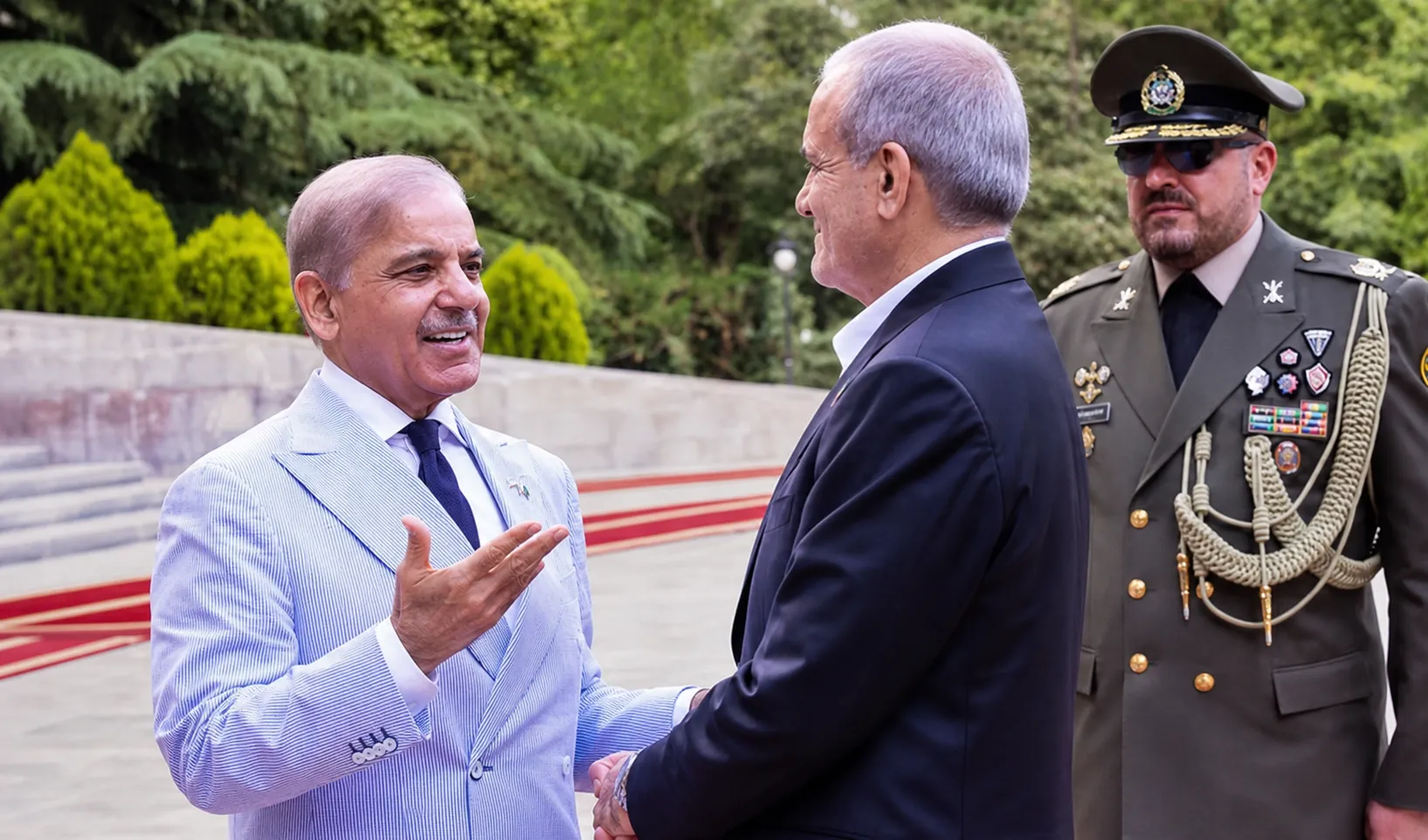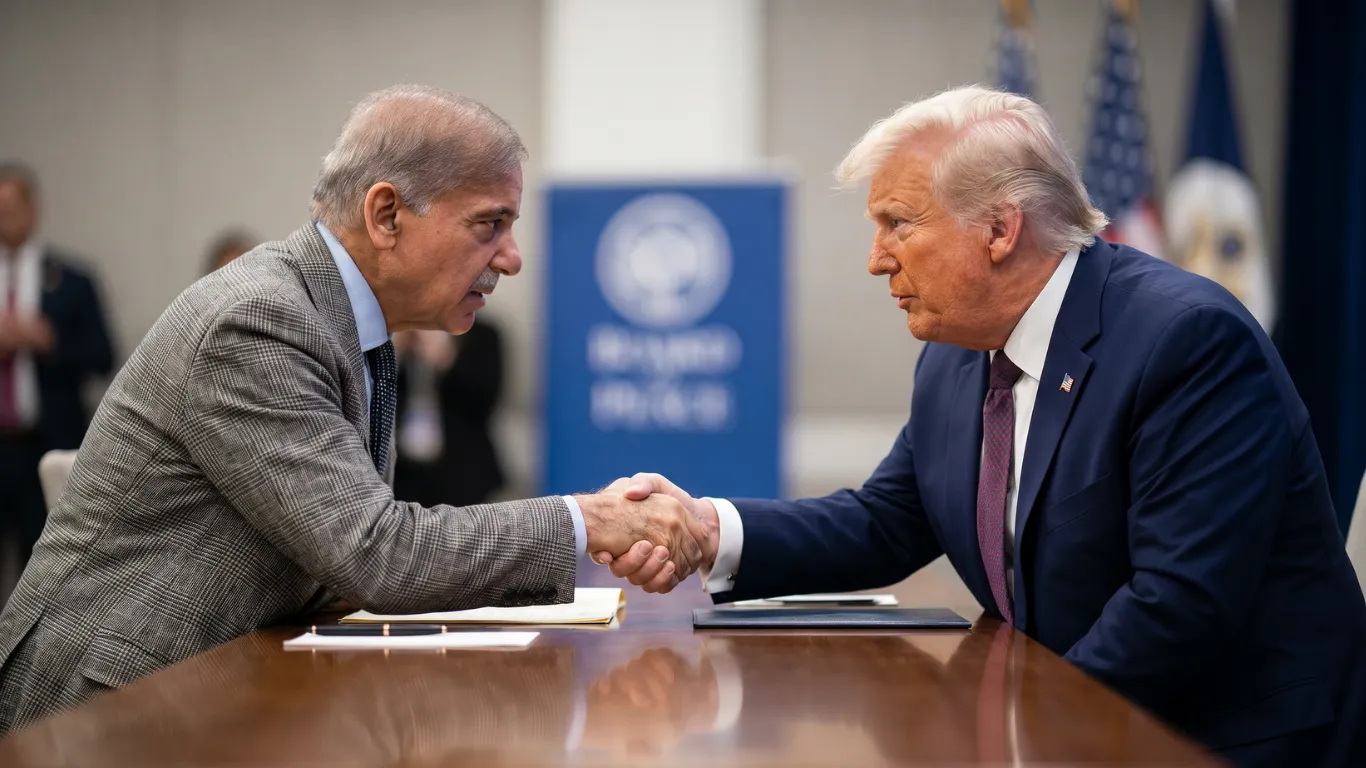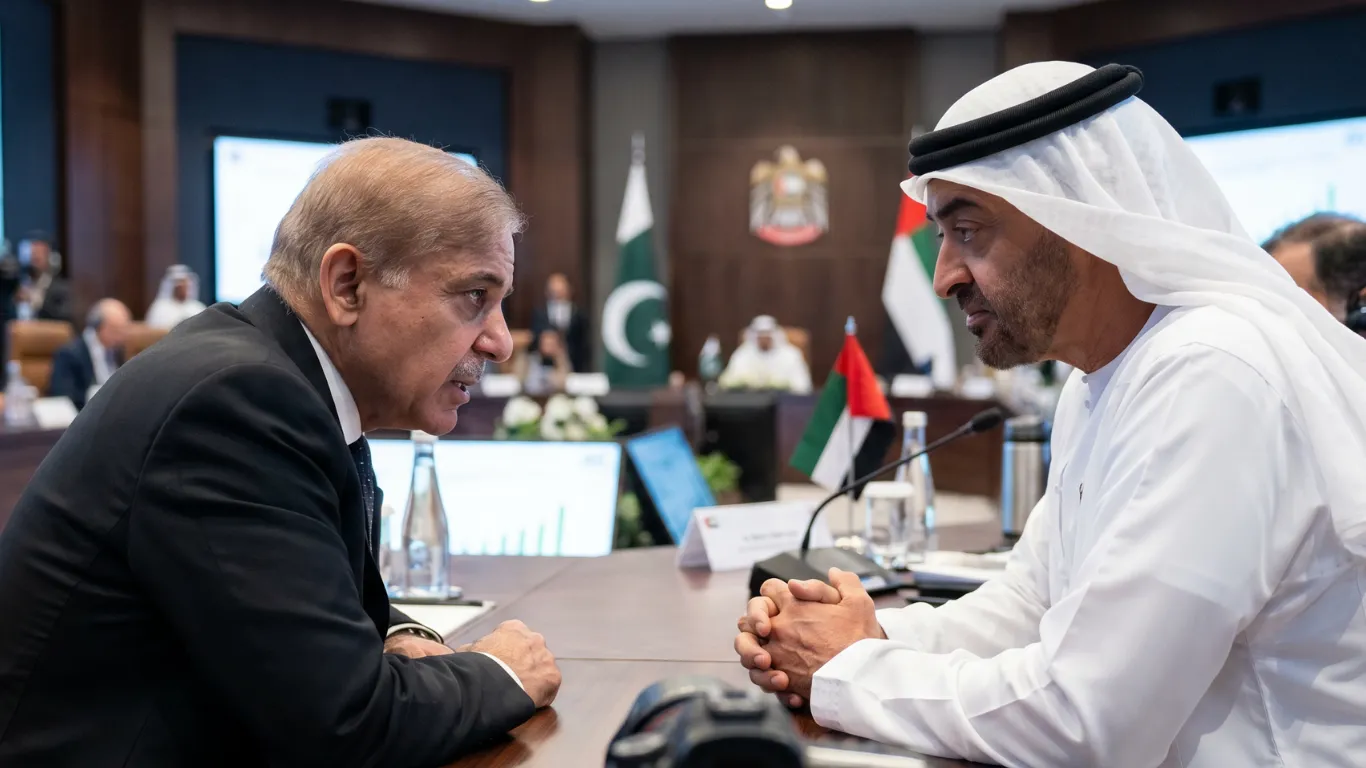
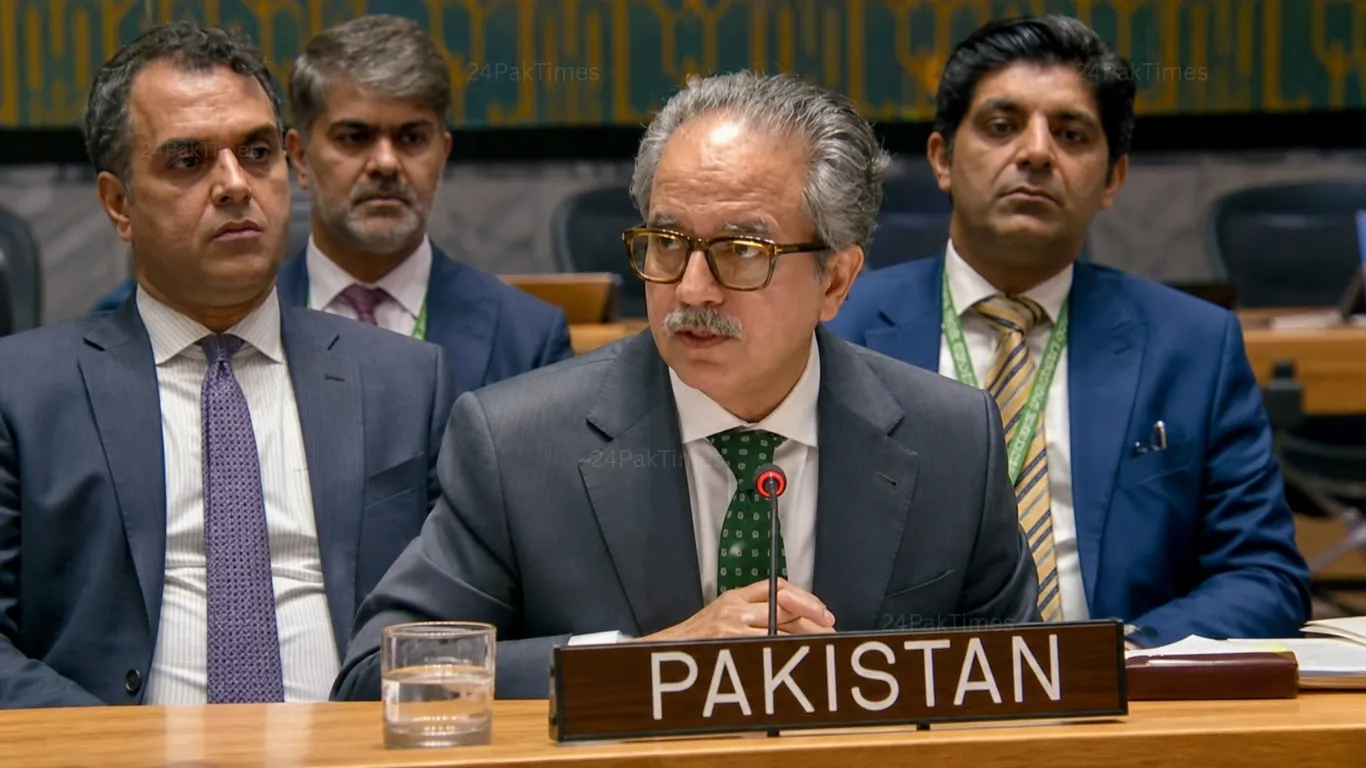

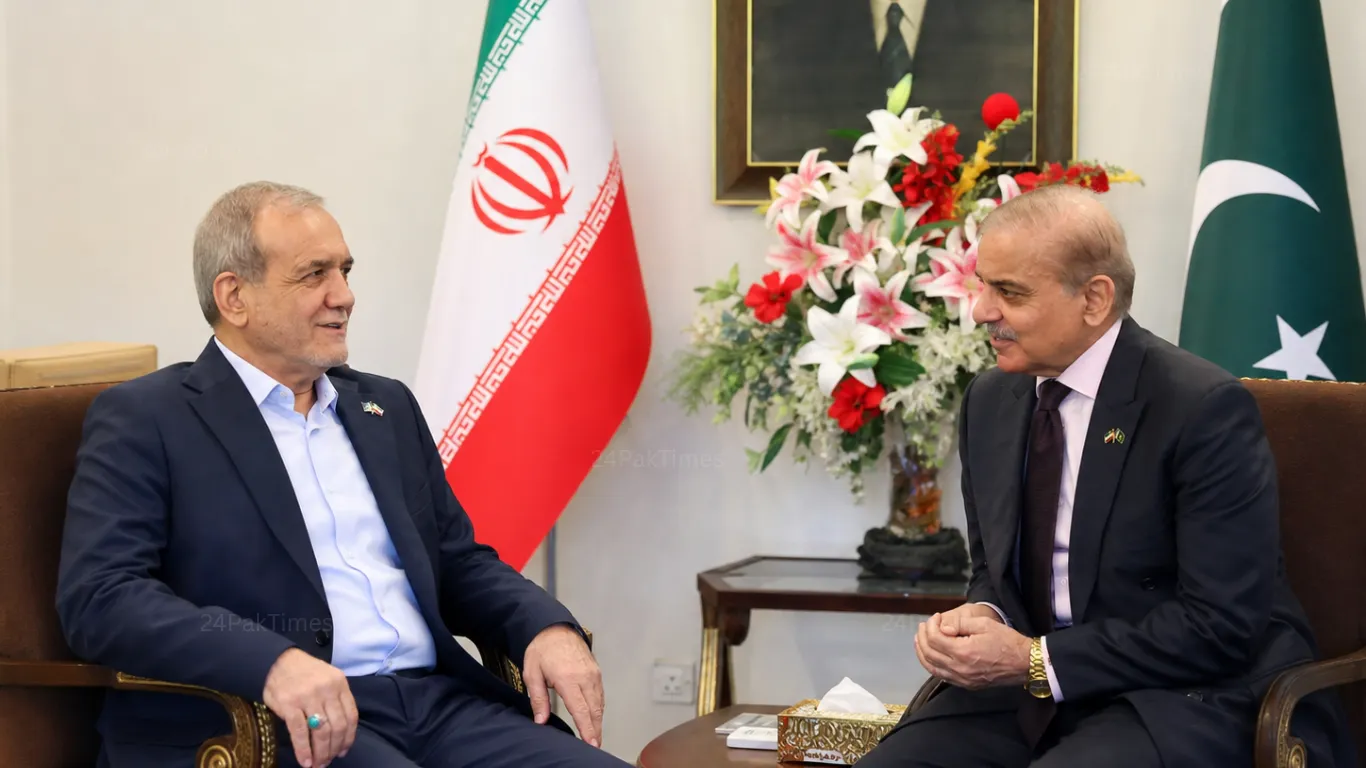
In the same week that Pakistan brokered the US-Iran Bürgenstock roadmap and hosted Iran’s President for a state visit, Islamabad has added a third diplomatic achievement: the UN Security Council adopted a Pakistan-co-authored resolution on accountability for attacks against UN peacekeepers. According to Dawn, the UNSC Pakistan resolution passed during the current session, making Pakistan an author — not merely a supporter — of a binding Security Council document.
This is what a country operating at the peak of its diplomatic capacity looks like.
What the UNSC Pakistan Resolution on Peacekeepers Says
The UNSC Pakistan resolution calls for stronger accountability mechanisms when UN peacekeepers — known as “blue helmets” — are attacked while serving in active conflict zones. Pakistan co-authored the resolution, meaning Pakistani diplomats helped draft the legal language and built consensus among all 15 Security Council members — a process that requires navigating the veto powers of the US, UK, France, Russia, and China simultaneously.
The resolution demands that countries hosting UN peacekeeping operations take concrete steps to investigate and prosecute attacks against UN personnel. It also calls for stronger protection frameworks, better incident reporting, and improved coordination between host-country security forces and UN mission commands.

Why Pakistan’s UNSC Resolution Matters — The Peacekeeping Context
The UNSC Pakistan resolution is not abstract diplomacy. It is personal. Pakistan is one of the world’s largest contributors to UN peacekeeping operations by troop count — Pakistani soldiers and police have served in conflict zones across Africa, the Middle East, and Asia for decades. Over 170 Pakistani peacekeepers have lost their lives in UN service — one of the highest death tolls of any contributing nation.
When Pakistani soldiers are killed while wearing blue helmets in the Democratic Republic of Congo, Sudan, or South Sudan, Pakistan has historically had limited formal recourse to demand accountability from host governments. This UNSC Pakistan resolution creates a stronger international legal framework to demand investigations and prosecutions when that happens again.
For Pakistani families whose loved ones serve abroad in UN missions, this resolution is a direct expression of government commitment to their protection and to justice when they are harmed.
The Diplomatic Clustering Pakistan Must Capitalise On
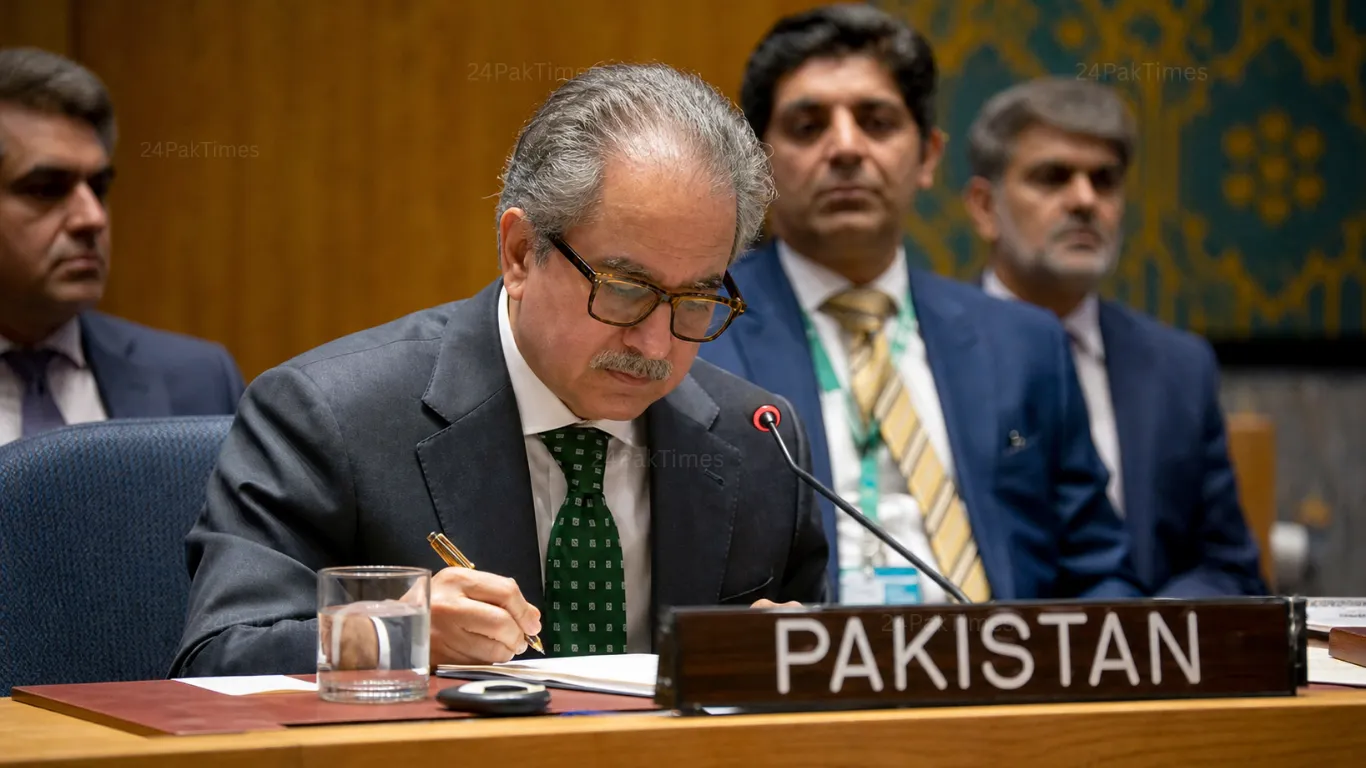
Three major diplomatic achievements in one week: the Bürgenstock 60-day roadmap, the Pezeshkian state visit, and now the UNSC Pakistan resolution. This kind of clustering is not coincidence — it reflects a foreign policy machinery that is operating with unusual focus and coordination.
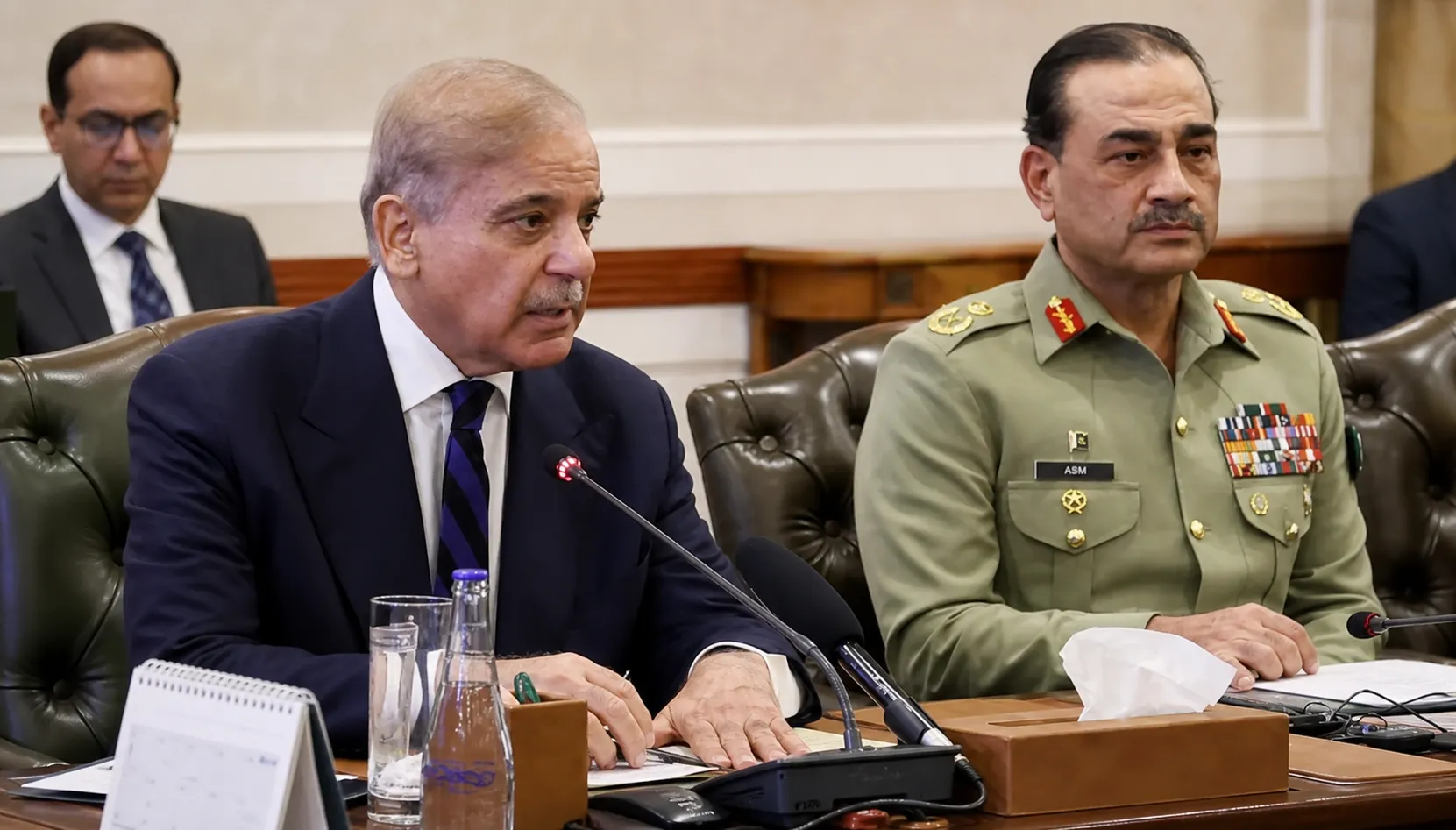
FM Ishaq Dar, Field Marshal Asim Munir, Interior Minister Naqvi, and PM Shehbaz have each played distinct, complementary roles in producing these outcomes simultaneously. When Pakistan’s civilian and military leadership operate in genuine alignment — as they have done during this period — the diplomatic output is qualitatively different from what either can produce alone.
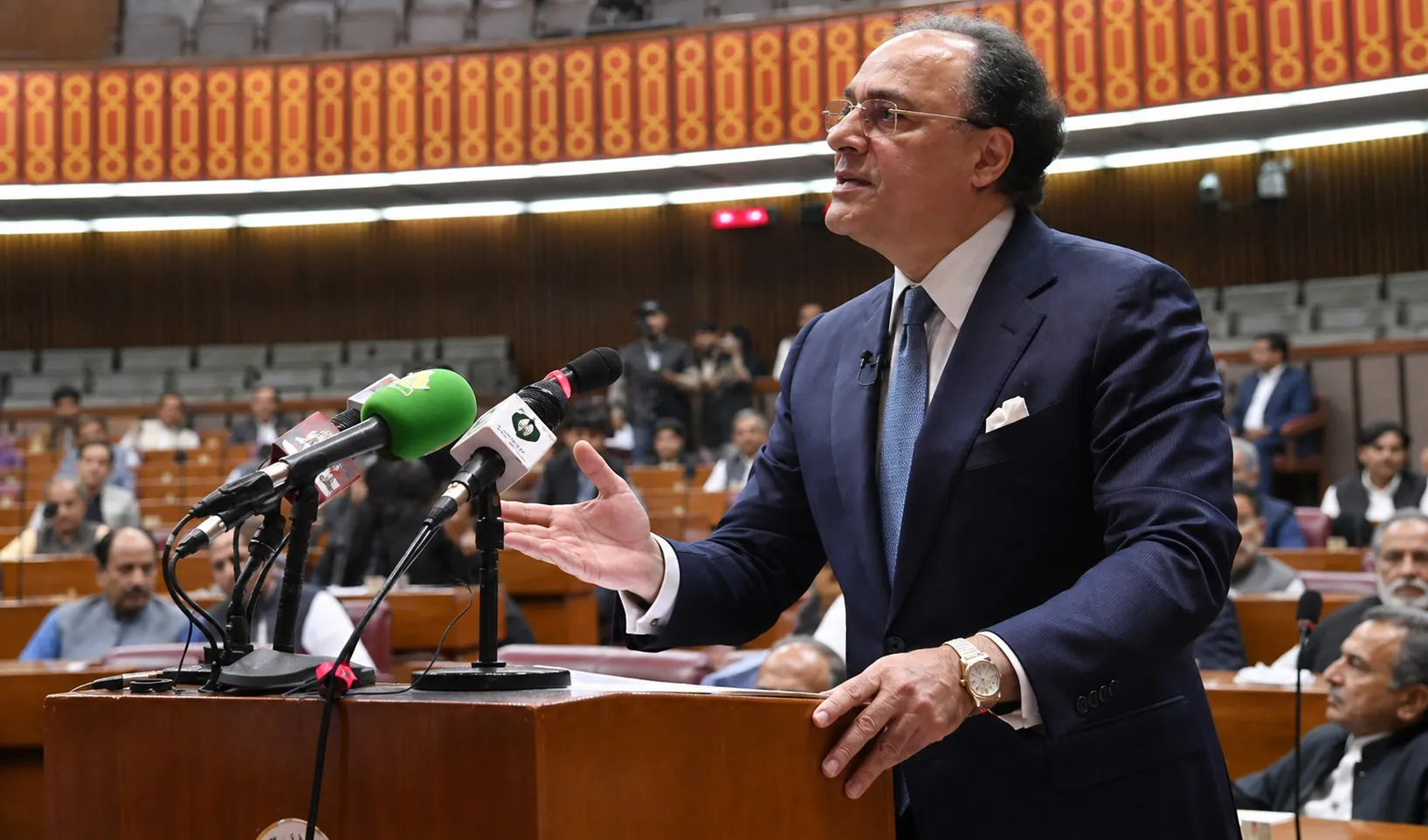
For everyday Pakistanis, the practical consequence is that a diplomatically powerful Pakistan carries more leverage in the negotiations that affect living standards directly. A country that co-authors UNSC resolutions gets better terms at the IMF. It attracts more foreign direct investment. It commands more respect in trade negotiations. The Pakistan economy’s turnaround is partly a function of this enhanced diplomatic standing.
Pakistan’s Path to a UNSC Non-Permanent Seat
Pakistan last held a UN Security Council non-permanent seat in 2012–2013. Co-authoring a resolution in the current session — while serving in a mediating role of global significance — puts Pakistan in the strongest position in over a decade to campaign for another non-permanent seat.
Non-permanent UNSC seats are elected by the UN General Assembly from regional groups. Pakistan competes in the Asia-Pacific group, where competition includes India, Japan, South Korea, and several Southeast Asian nations. But Pakistan’s current diplomatic momentum — the Islamabad MOU, the Bürgenstock involvement, and now this resolution — provides a campaigning narrative that none of those competitors can match in the current cycle.
Securing a UNSC seat would give Pakistan voting rights on international peace and security decisions, direct influence on peacekeeping mission mandates, and a global platform to amplify Pakistani foreign policy positions. The Trump praise for PM Shehbaz and Gen Munir is the kind of US endorsement that also helps UN General Assembly votes.
What Happens Next
24PakTimes will track Pakistan’s ongoing UN engagement and report on any additional Security Council activity or non-permanent seat campaign developments.