
The US Iran Switzerland talks begin today — and Pakistan is at the table. According to Ukraine RBC News, technical-level negotiations between the United States and Iran are taking place at the Swiss mountain resort of Bürgenstock on Sunday, June 21. Pakistan and Qatar are serving as the official mediating parties — a direct continuation of the role Islamabad played in brokering the Islamabad MOU signed at Versailles.
Pakistan is not watching the US Iran Switzerland talks from the sidelines. Pakistan is in the room.
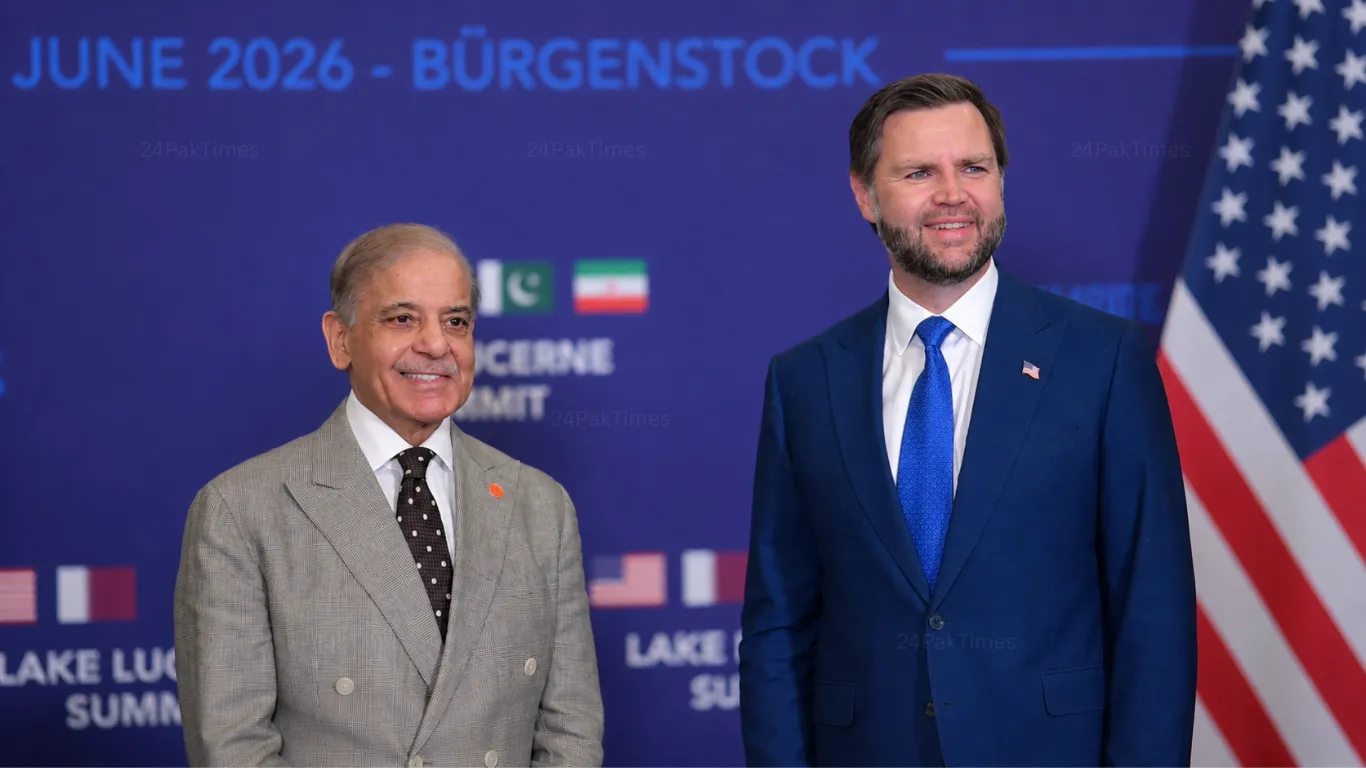
Who Is Attending the US Iran Switzerland Talks
Both delegations are high-powered — a signal that despite the tensions of the past 72 hours, both Washington and Tehran want this to work.
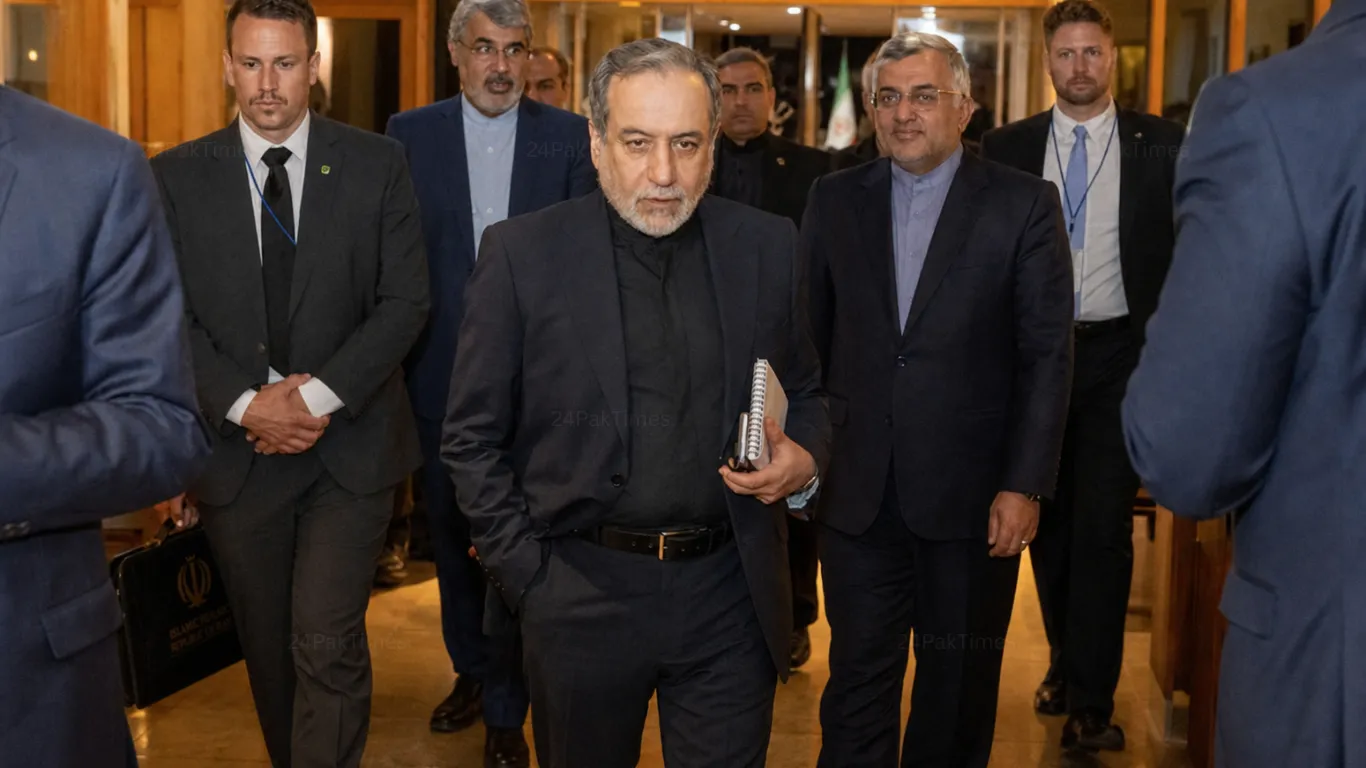
According to Times of Israel, the US delegation is led by Vice President JD Vance, and will include Jared Kushner and Steve Witkoff. The Iranian delegation is led by parliament speaker Mohammad-Bagher Ghalibaf and Foreign Minister Abbas Araghchi. According to PBS NewsHour, Pakistan’s Interior Minister Mohsin Naqvi met Araghchi in Tehran earlier Saturday — a critical last-minute meeting that helped keep Iran at the table before the US Iran Switzerland talks began.
What the US Iran Switzerland Talks Will Focus On
The agenda is dense and the clock is ticking. According to Times of Israel, the initial US goal in the US Iran Switzerland talks is to secure an agreement for International Atomic Energy Agency (IAEA) inspectors to inspect Iran’s nuclear sites for the first time since the 12-day war in June 2025. In return for Iran’s consent, the US is willing to unfreeze several billion dollars in Iranian assets held in Qatar.
That is the core trade: nuclear transparency for frozen money. It sounds straightforward. It is anything but. According to Times of Israel, most of Iran’s 440-kilogram stockpile of uranium enriched to 60% — one step from weapons-grade — is believed by the IAEA to be stored at Isfahan, with smaller quantities at Natanz and Fordo. Securing access to those sites is the US’s primary objective at Bürgenstock.
Why the US Iran Switzerland Talks Were Delayed
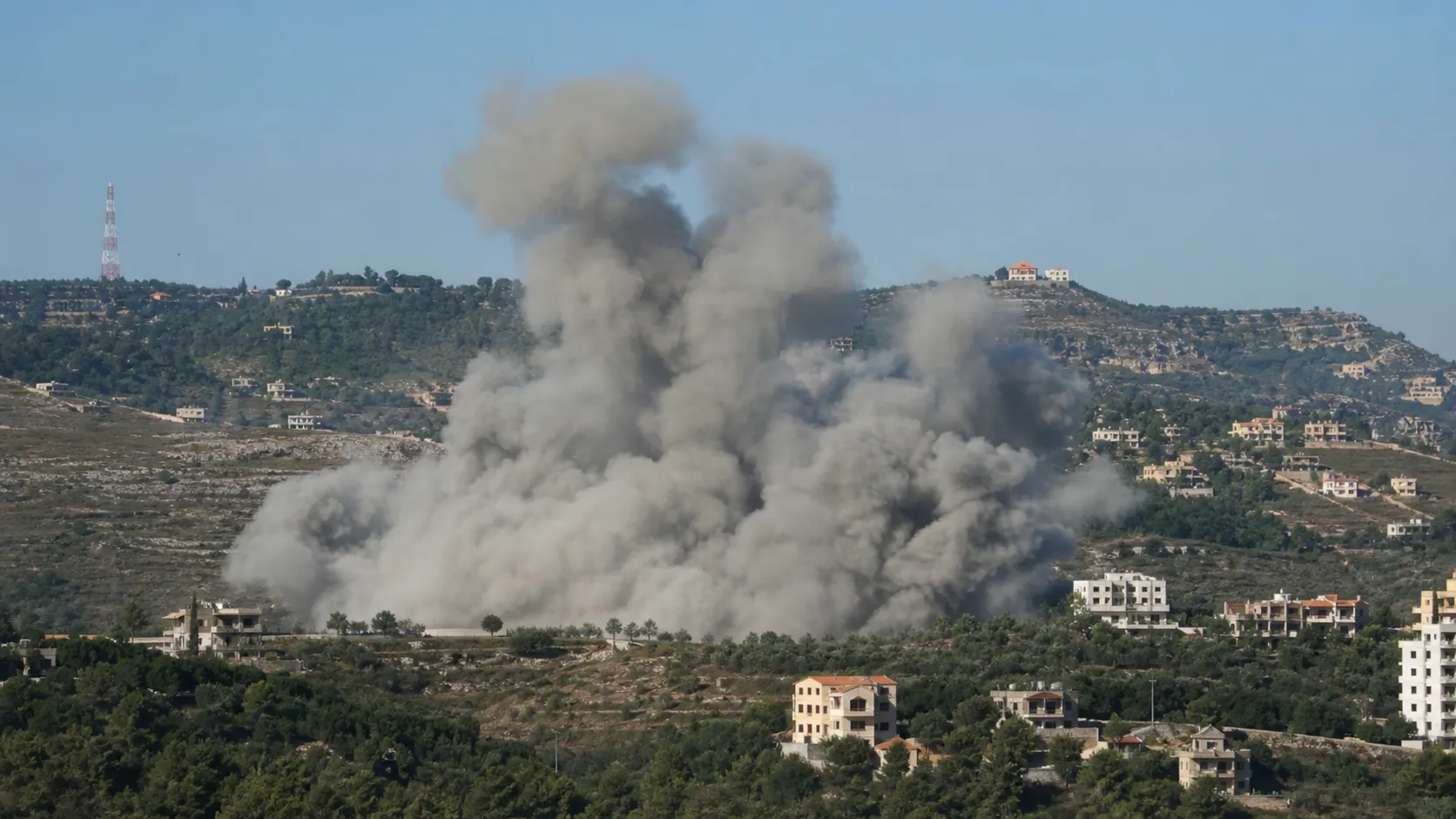
These US Iran Switzerland talks were supposed to start Friday. They did not. The reason was Israel. According to Tribune India, Iran cancelled its Friday attendance because of escalating Israeli strikes in Lebanon. Negotiators from the US, Qatar, and Pakistan worked through the night to secure a temporary halt in Israeli-Hezbollah hostilities. According to Times of Israel, PM Netanyahu instructed the IDF to “hold its fire” in Lebanon before Iran agreed to come to Switzerland.
Before agreeing to attend, Iran also delivered a pointed warning. According to PBS NewsHour, Iran declared it had closed the Strait of Hormuz — linking the Lebanon situation directly to the MOU’s implementation. The US military disputed this, stating that 55 merchant ships transited the Strait on Saturday without obstruction. The Strait is technically open — but the political pressure around it is very real.
Iran’s Warning: Fulfill the Deal or It Dies
Tehran is not arriving at the US Iran Switzerland talks in a conciliatory frame of mind. According to CNN’s live coverage, Iranian Foreign Ministry spokesperson Esmail Bagahei stated that “this trip is about demanding that the other side fulfill its obligations.” He added: “Negotiations toward a final agreement will begin only once key commitments are upheld. If they are not, then the memorandum of understanding as a whole will be jeopardised.”
That is as direct as diplomatic language gets. Iran is telling the US: control Israel, or this deal collapses. VP Vance himself acknowledged the difficulty, telling Fox News that his travel represents a “delicate coordination dance” that must account for complex diplomatic protocols across multiple parties.
Pakistan’s Role in the US Iran Switzerland Talks
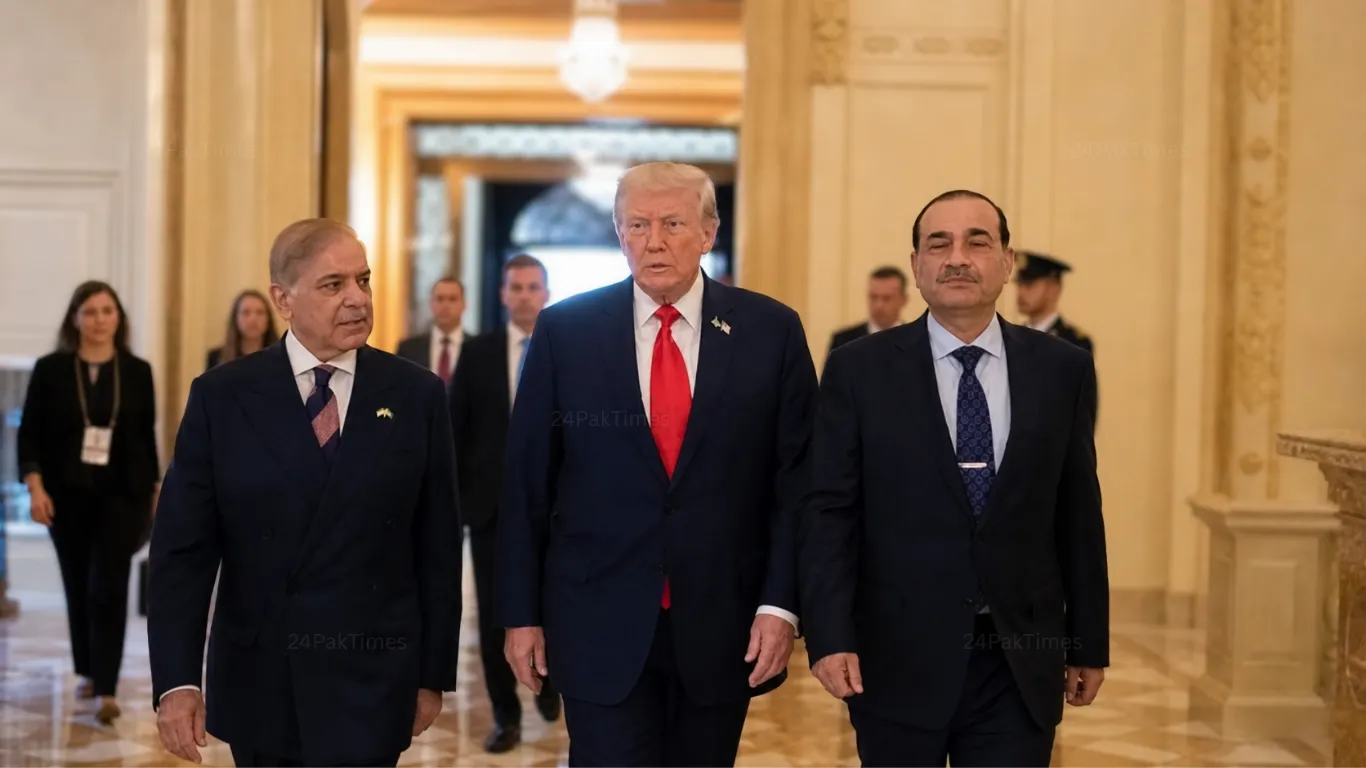
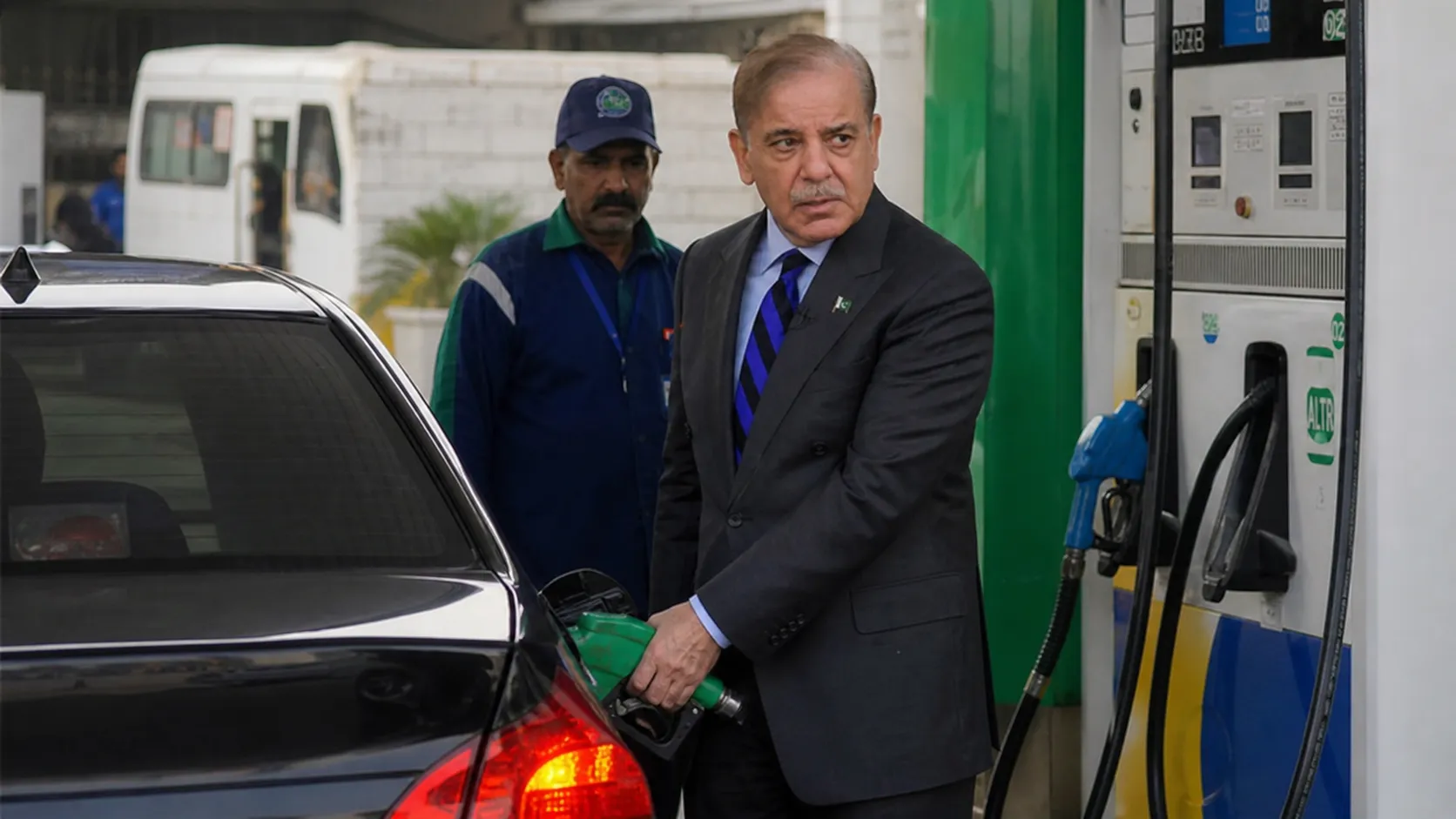
According to Ukraine RBC News, Pakistan’s official statement confirmed: “Pakistan will continue to facilitate the process in its role as mediator, with a view to advancing the understandings reached under the Islamabad Memorandum of Understanding.”
The Pakistani mediating position — earned through months of work by PM Shehbaz, FM Dar, Interior Minister Naqvi, and CDF Gen Munir — gives Islamabad a seat at the most consequential diplomatic table in the world right now. That seat is being used today, in real time, at Bürgenstock.

What the US Iran Switzerland Talks Mean for Pakistan
Three direct impacts for Pakistani citizens. First, if today’s talks produce positive signals, Brent crude could fall further — meaning another petrol cut on June 26 becomes more likely. 24PakTimes covered the Rs74 petrol cut in full — a further reduction next week depends entirely on what happens in Switzerland today.
Second, Pakistan’s diplomatic credibility is being tested in real time. A successful Bürgenstock outcome cements Islamabad’s position as a serious global broker. Third, the Strait of Hormuz — the lifeline for Pakistan’s oil imports — remains the most sensitive flashpoint in the entire negotiation.
What Happens Next
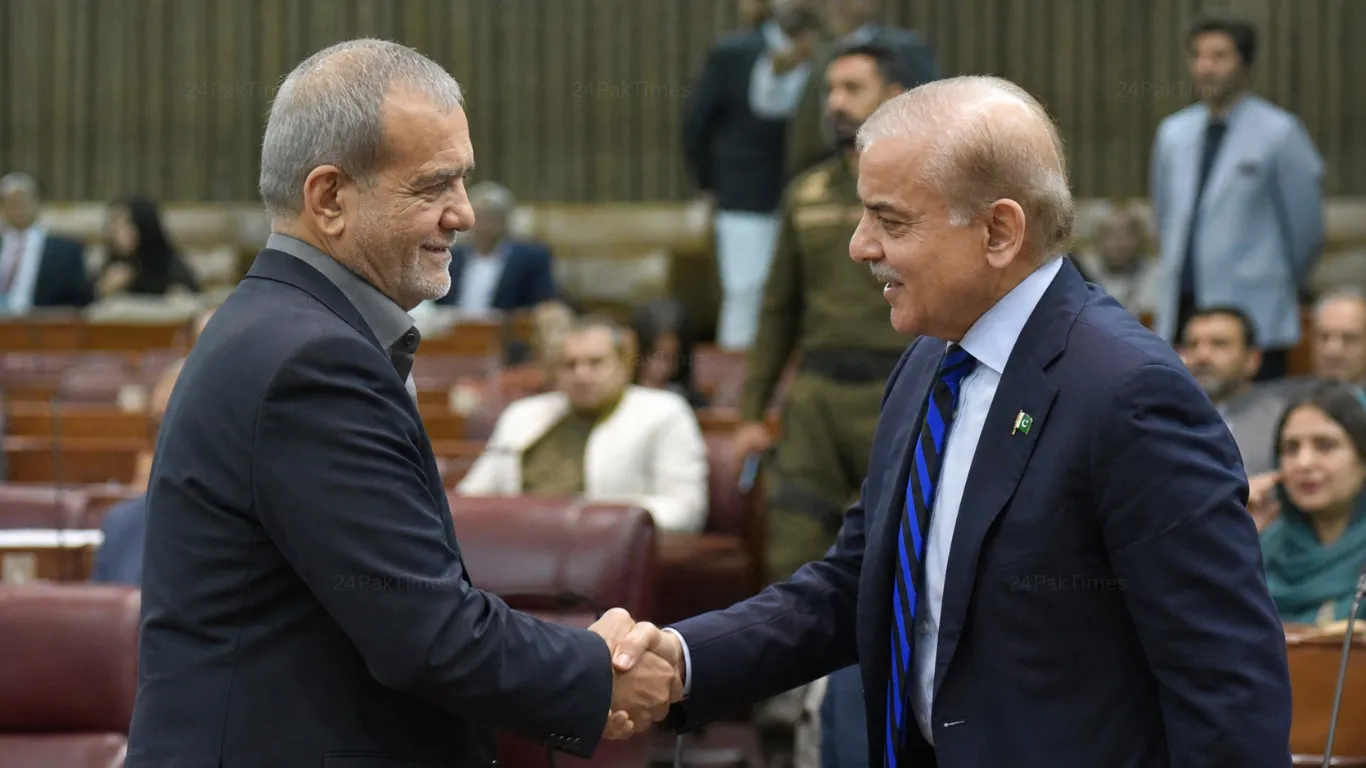
We will monitor the US Iran Switzerland talks throughout today and report on any agreements, breakdowns, or significant statements from either delegation. The next petrol price revision on June 26 will directly reflect the outcome of what happens at Bürgenstock.
FAQ — US Iran Switzerland Talks June 21 2026
Where are the US-Iran talks being held on June 21, 2026?
The US-Iran technical talks are taking place at the Bürgenstock Resort in Switzerland. Pakistan and Qatar are serving as the official mediating parties. The talks focus on implementing the Islamabad MOU signed on June 17.
Who is leading each delegation at the Bürgenstock talks?
The US delegation is led by Vice President JD Vance, accompanied by Jared Kushner and Steve Witkoff. Iran’s delegation is led by parliament speaker Mohammad-Bagher Ghalibaf and Foreign Minister Abbas Araghchi. Pakistan’s Interior Minister Mohsin Naqvi met Araghchi in Tehran on Saturday before the talks began.
Why were the Switzerland talks delayed from Friday to Sunday?
Iran cancelled its Friday attendance because of escalating Israeli strikes on Lebanon, which Tehran argued violated the spirit of the Islamabad MOU. Pakistan, Qatar, and the US worked overnight to secure a temporary halt in Israeli-Hezbollah hostilities. Once Netanyahu ordered the IDF to hold fire in Lebanon, Iran agreed to attend on Sunday.
What is Iran’s main demand at the Switzerland talks?
Iran’s Foreign Ministry made clear that the Bürgenstock trip is about “demanding that the other side fulfill its obligations” under the Islamabad MOU. Iran wants the US to ensure Israel stops striking Lebanon before it will begin substantive negotiations toward a final deal. Iran has warned that the entire MOU is “jeopardised” if the US fails to deliver.