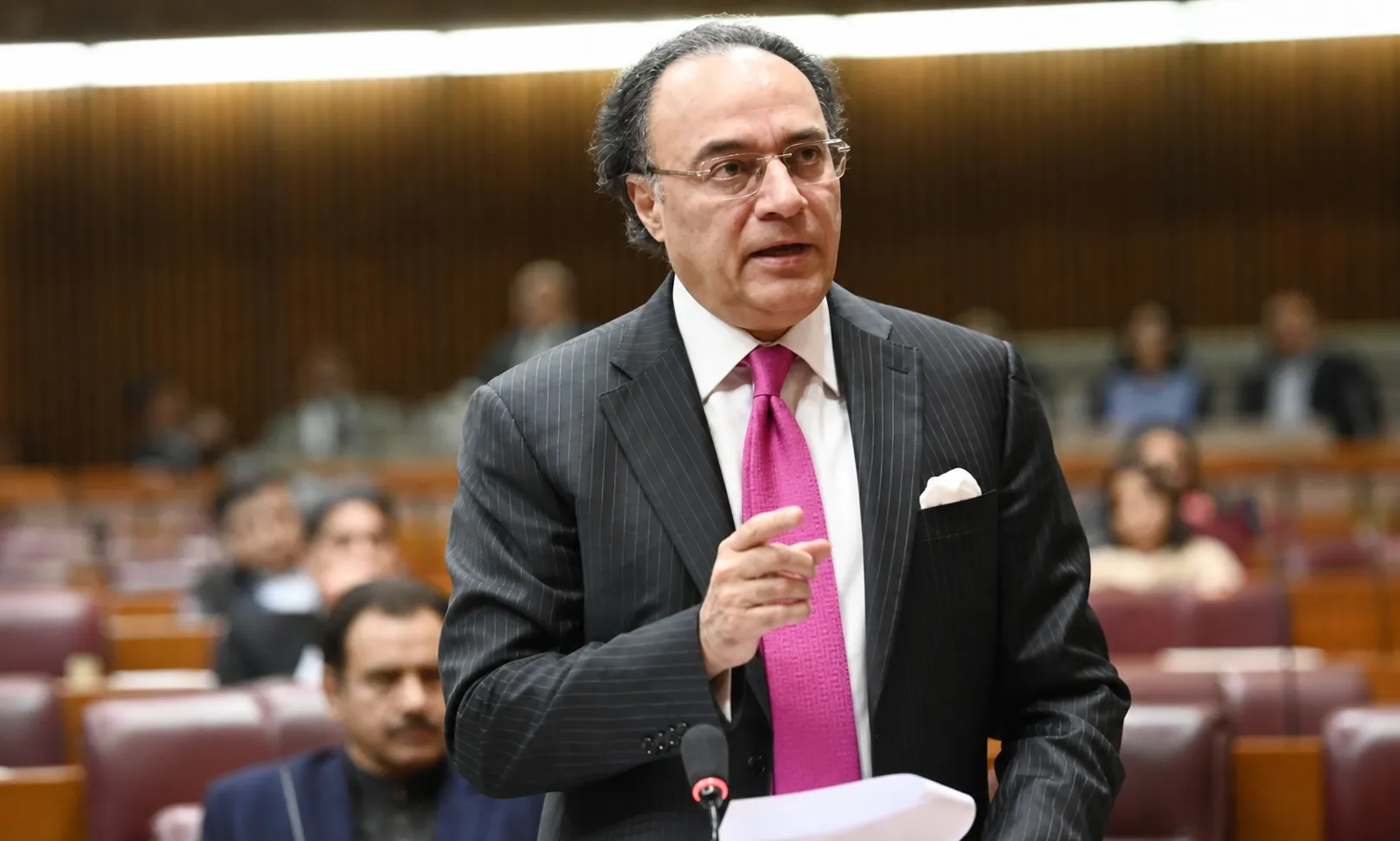

The Pakistan budget debate 2026-27 is revealing what the budget documents obscure. Lawmakers from both sides of the National Assembly are standing up — and what they are saying is uncomfortable. According to Dawn, during the five-day post-budget session, members accused the government of cutting climate allocations, neglecting Balochistan’s development share, and allowing education spending to fall below 1% of GDP — while maintaining ministerial luxuries at taxpayer expense.
This is not a routine Pakistan budget debate. It is a reckoning with national priorities.
Climate Funding Slashed in Pakistan Budget 2026-27
Pakistan contributes less than 1% of global carbon emissions but faces some of the worst climate impacts on earth — the 2022 floods cost over $30 billion in damage alone. Yet the Pakistan budget debate 2026-27 has exposed that allocations in all climate heads face cuts, with the single exception of disaster management.
According to Dawn, PPP’s Naveed Qamar called out the pattern sharply during the budget debate: climate funds must not be consumed without producing visible projects. His point is specific and damning — even the climate money that survives the cuts often gets absorbed into bureaucratic overhead without reaching communities on the ground.
Cutting climate preparedness funding to save money in the short term is a decision that will cost far more when the next major flood or heatwave hits. The Pakistan heatwave earlier this year pushed temperatures to 51 degrees Celsius in parts of the country — a preview of what climate change will increasingly deliver.
Balochistan’s Anger at the Pakistan Budget Debate 2026
The Pakistan budget debate made Balochistan’s grievances impossible to ignore. According to The Nation, BNP-A and JUI-F lawmakers alleged cuts in Balochistan’s Public Sector Development Programme (PSDP) share and demanded an explanation for the province’s continued underfunding.
Balochistan receives roughly 5–7% of federal PSDP allocations despite comprising 44% of Pakistan’s total land area. That disparity is not new. But the patience of Balochistan’s elected representatives in the Pakistan budget debate is visibly wearing thin.
The consequences of this underfunding extend beyond economics. When federal development funds bypass Balochistan, grievances deepen. Grievances fuel instability. Instability consumes more security budget resources — creating a cycle that the budget 2026-27 does nothing to break. Our previous coverage of the budget preview laid out the structural pressures — but the budget debate has exposed the human cost behind those numbers.
Education Below 1% of GDP — The Number Nobody Is Discussing
Hidden inside the Pakistan budget debate 2026 is the most damaging number of all. According to Dawn, spending on education has dipped below 1% of GDP over the last couple of years. UNESCO recommends 4–6% of GDP for education. Pakistan is spending less than a quarter of the minimum recommended level.
Pakistan has over 50 million out-of-school children — the second-highest number in the world. Every year that education funding stays below 1% of GDP, another generation of young Pakistanis grows up without the skills to compete in a modern economy. The Pakistan budget debate 2026 barely touched this number. It deserved an emergency session on its own.
Lawmakers Slam Luxury Spending at the Budget Debate
According to The Nation, lawmakers across party lines accused the government of enjoying luxuries at taxpayer expense while demanding austerity from the public. The criticism is bipartisan and pointed — ministers and officials maintaining premium travel, protocol, and facility budgets while cutting climate and education spending sends a clear political message to voters: sacrifice is for everyone except those in power.
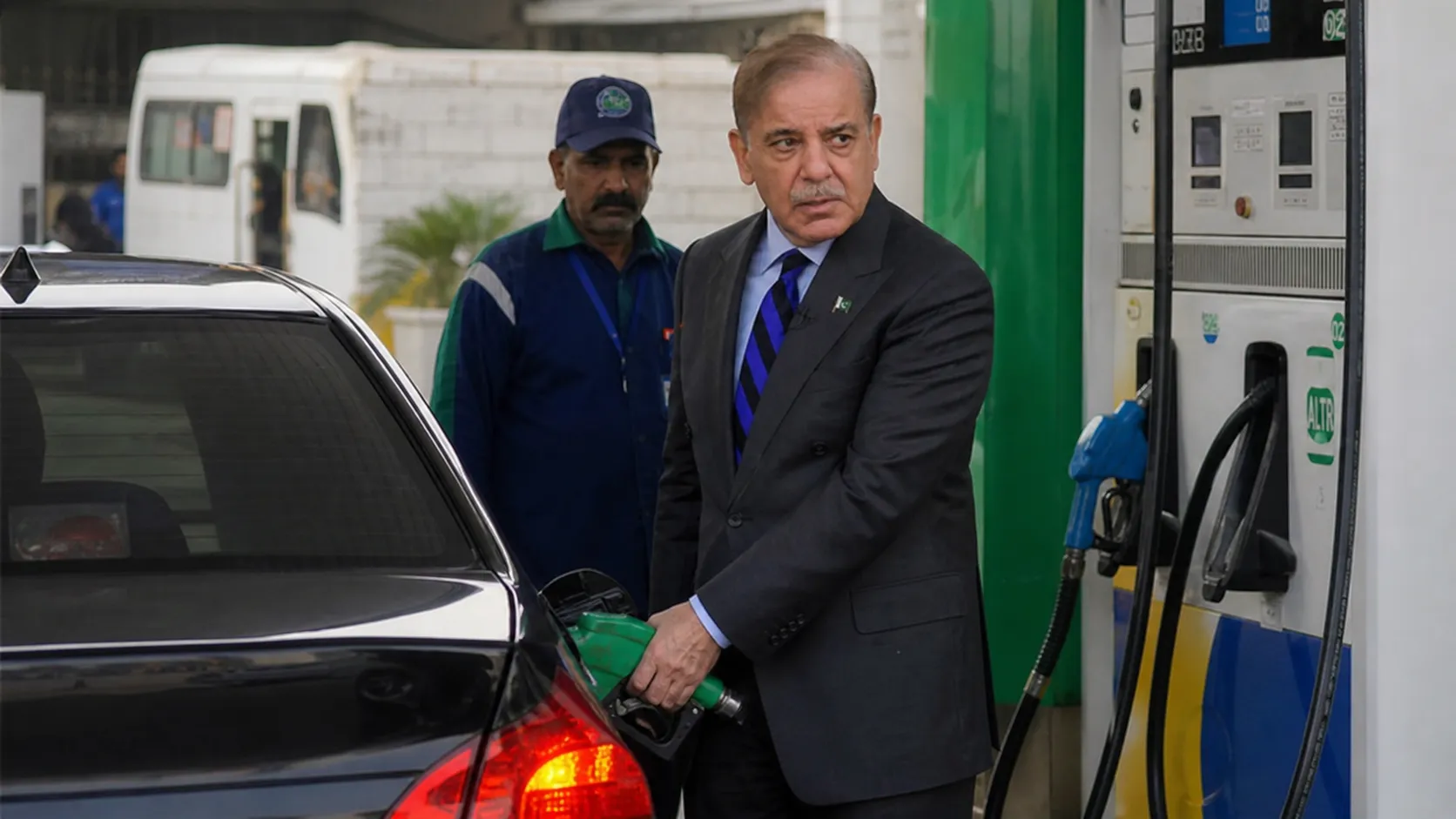
The contrast matters politically. The government is celebrating the Rs74 petrol price cut — a genuine achievement covered in full by 24PakTimes — but the budget debate has put the uncomfortable question on the table: where is the same urgency for climate, education, and Balochistan’s development?
The Budget Passage Timeline
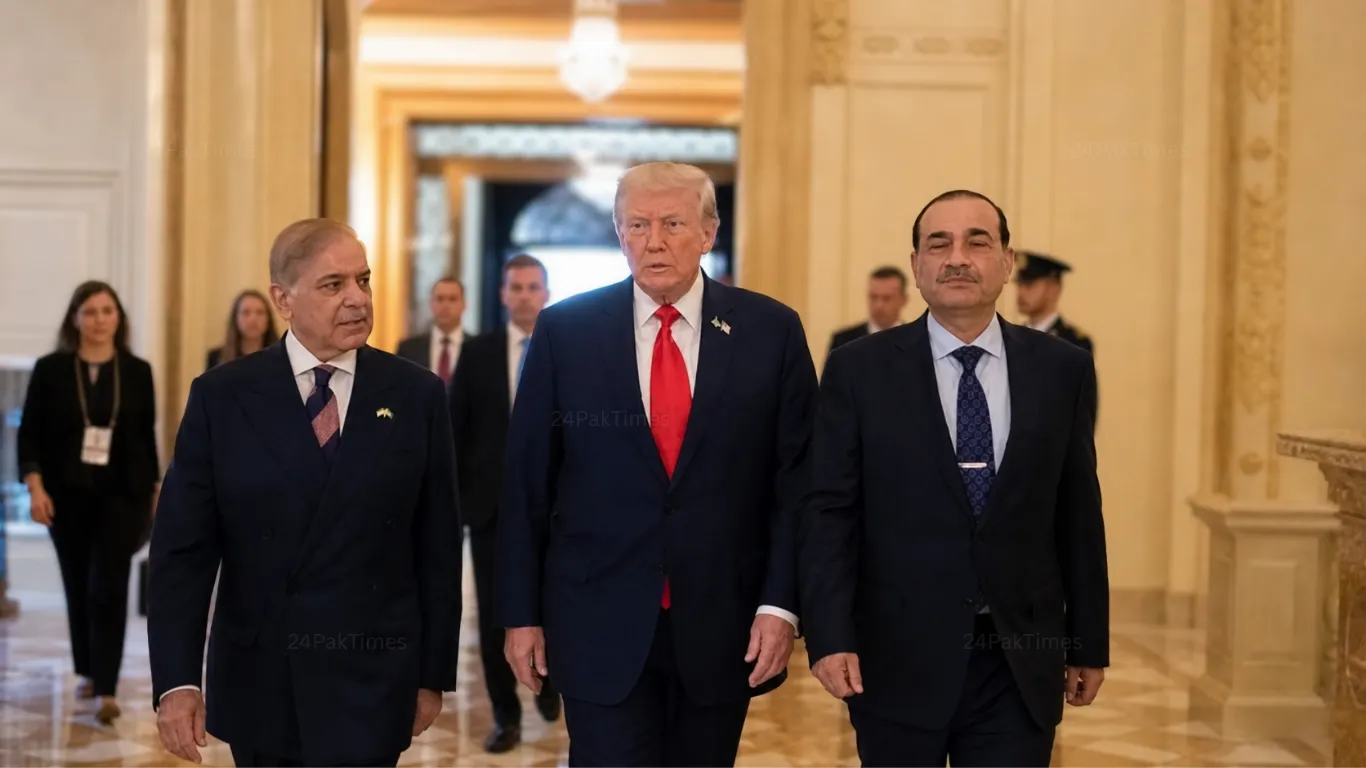
The Pakistan budget debate 2026 continues under time pressure. According to Dawn, 29 members from both sides participated in the first day of the five-day session. The government is targeting budget approval by approximately June 23–24 — before the observance of Muharram. The Finance Bill must pass before June 30 under constitutional requirements to take effect from July 1.
That leaves a narrow window for substantive amendments. The climate cuts, Balochistan underfunding, and education neglect raised in the Pakistan budget debate 2026 will likely be noted in the record — but changing them before passage requires political will the government has not yet demonstrated.
What Happens Next
The Finance Bill vote is coming within days. 24PakTimes will report on the final budget amendments and passage vote as they happen. The IMF’s ongoing review of the budget — including its objections to the NEV sales tax — adds another external pressure point to the final negotiations.