

The Pakistan heatwave alert is now official — and this is not a routine weather update.
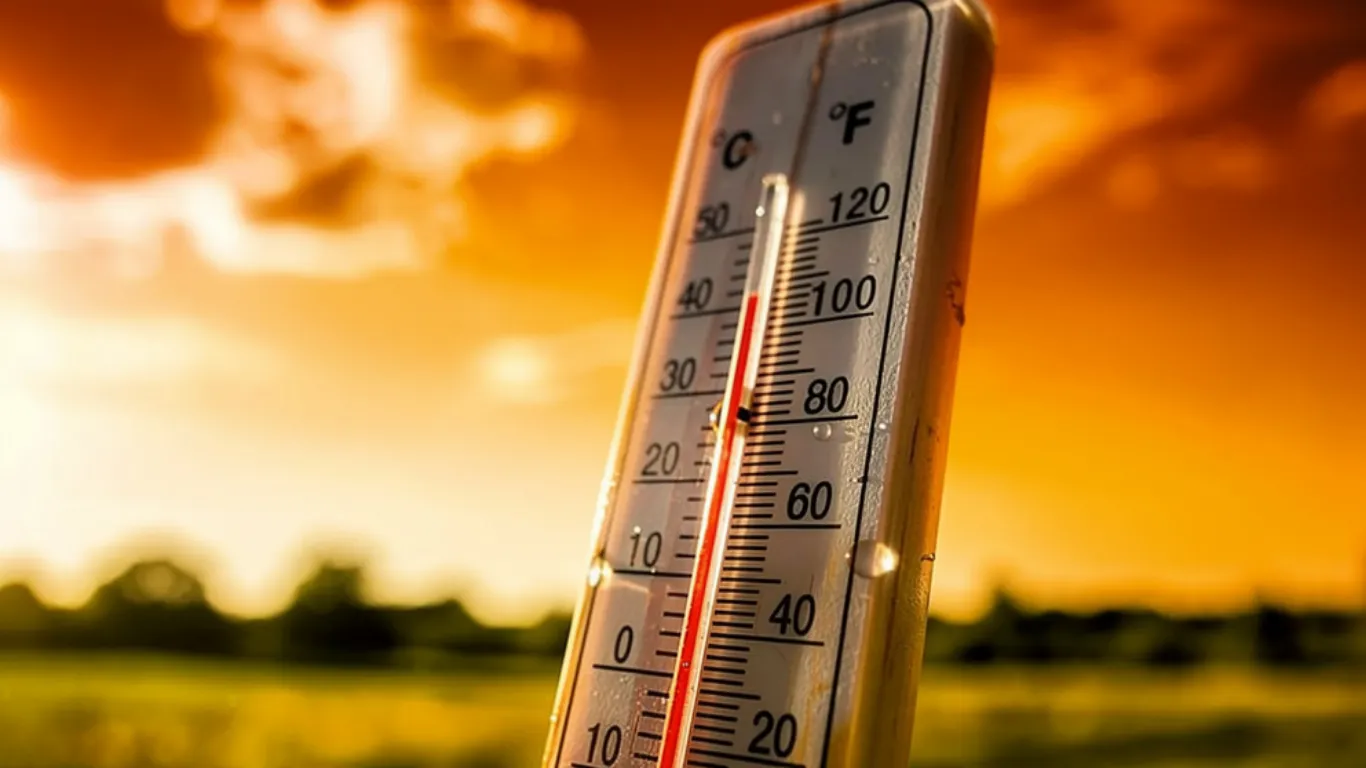
According to Pakistan Today, the NDMA has issued a high level alert for a severe heatwave expected to affect parts of Punjab, Sindh and Balochistan from May 19 to 26. According to The Nation, temperatures are likely to rise above 42°C in multiple regions across the country.
If you are in Karachi, Lahore, Multan, Bahawalpur or anywhere in southern Pakistan, you need to read this and act today. Not tomorrow.
I am Faisal Malik, senior editor at 24PakTimes. I have covered every major heatwave in Pakistan since the deadly 2015 Karachi crisis that killed over 1,200 people. When NDMA issues a high level Pakistan heatwave alert like this one, it is not routine. It is a signal to take action before hospitals get overwhelmed.

Which Cities Are Under Pakistan Heatwave Alert
This Pakistan heatwave alert is not hitting one province. It is hitting three simultaneously.
According to Geo.tv, in Punjab, the districts likely to be affected include Bahawalpur, Rahim Yar Khan, Bahawalnagar, Multan, Dera Ghazi Khan, Muzaffargarh, Rajanpur, Sargodha, Lodhran, Khanewal, Vehari and Lahore.
According to Geo.tv, Sindh is expected to face severe heat conditions in Hyderabad, Jacobabad, Khairpur, Sukkur, Larkana, Dadu, Naushahro Feroze, Kashmore, Tharparkar, Shaheed Benazirabad, Matiari, Mirpurkhas, Umerkot, Badin, Qambar Shahdadkot and Karachi along with adjoining areas.
According to The Nation, authorities also warned that several districts of Balochistan — including Turbat, Sibi, and Lasbela — may experience extremely high temperatures in the coming days.
How Long Will the Pakistan Heatwave Alert Last
According to Geo.tv, temperatures are expected to remain exceptionally high for 3 to 5 consecutive days across several districts of Punjab, Sindh and Balochistan.
According to Emra News, rising humidity in lower Sindh and dry inland conditions in Punjab and Balochistan could further intensify thermal stress. The real danger is not just the daytime temperature — it is the fact that nighttime temperatures are not dropping enough for the body to recover.
According to ProPakistani, Karachi already recorded its hottest day of the year earlier this month, with temperatures exceeding 44°C according to the Pakistan Meteorological Department.

What You Must Do During the Pakistan Heatwave Alert
According to Geo.tv, district administrations have been directed to activate heatwave contingency plans, establish cooling camps and ensure uninterrupted water supply in vulnerable areas. But you cannot wait for the government. You need to protect yourself right now.
- Stay indoors between 10 AM and 5 PM. No exceptions if you can avoid it
- Drink water constantly — even if you do not feel thirsty. Dehydration hits before you realise it
- Wear light, loose cotton clothing in white or light colours
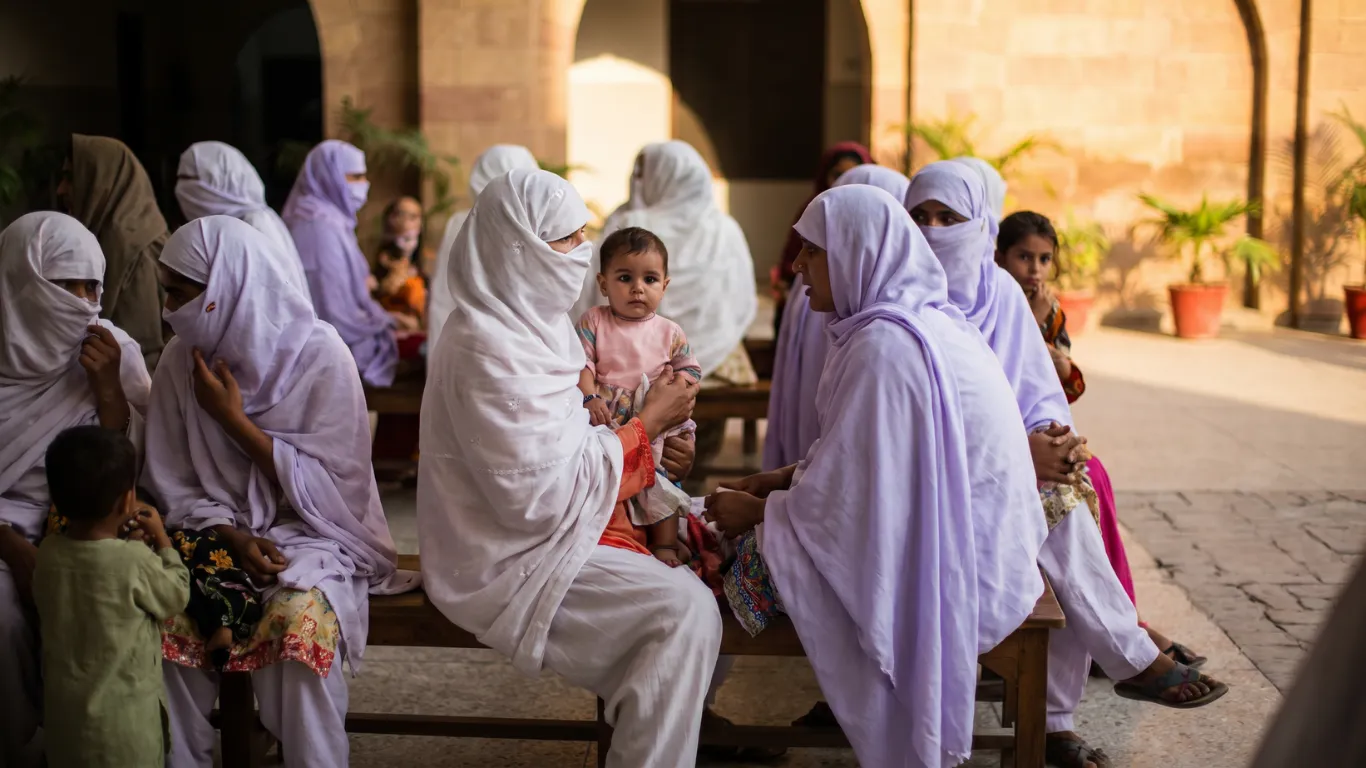
- Check on elderly family members and young children every few hours. They are the most vulnerable
- If you feel dizzy, nauseous, or stop sweating in extreme heat — get to a hospital immediately. That is heatstroke, and it can kill within hours
According to News Alert Pakistan, agriculture, livestock, and daily wage workers are also expected to be significantly affected due to reduced working capacity in extreme conditions.
Why This Pakistan Heatwave Alert Is More Dangerous in 2026
According to Geo.tv, the heatwave may also increase electricity demand, strain healthcare systems and adversely affect agriculture, livestock and labour productivity.
For daily wage workers — construction labourers, rickshaw drivers, street vendors — this is a direct hit on income. You cannot earn if you cannot stand outside.
For Pakistanis abroad wondering if their family back home is safe — call them. Ask if they have working fans, access to clean water, and ORS packets at home. Those three things save lives.
The Pakistan heatwave alert this year lands right before Eidul Azha on May 27 — meaning cattle markets, transport, and outdoor Qurbani preparations will all happen under extreme heat conditions. Plan accordingly.
According to the NDMA official website, all provincial disaster management authorities have been placed on standby with emergency response teams activated across the affected regions.