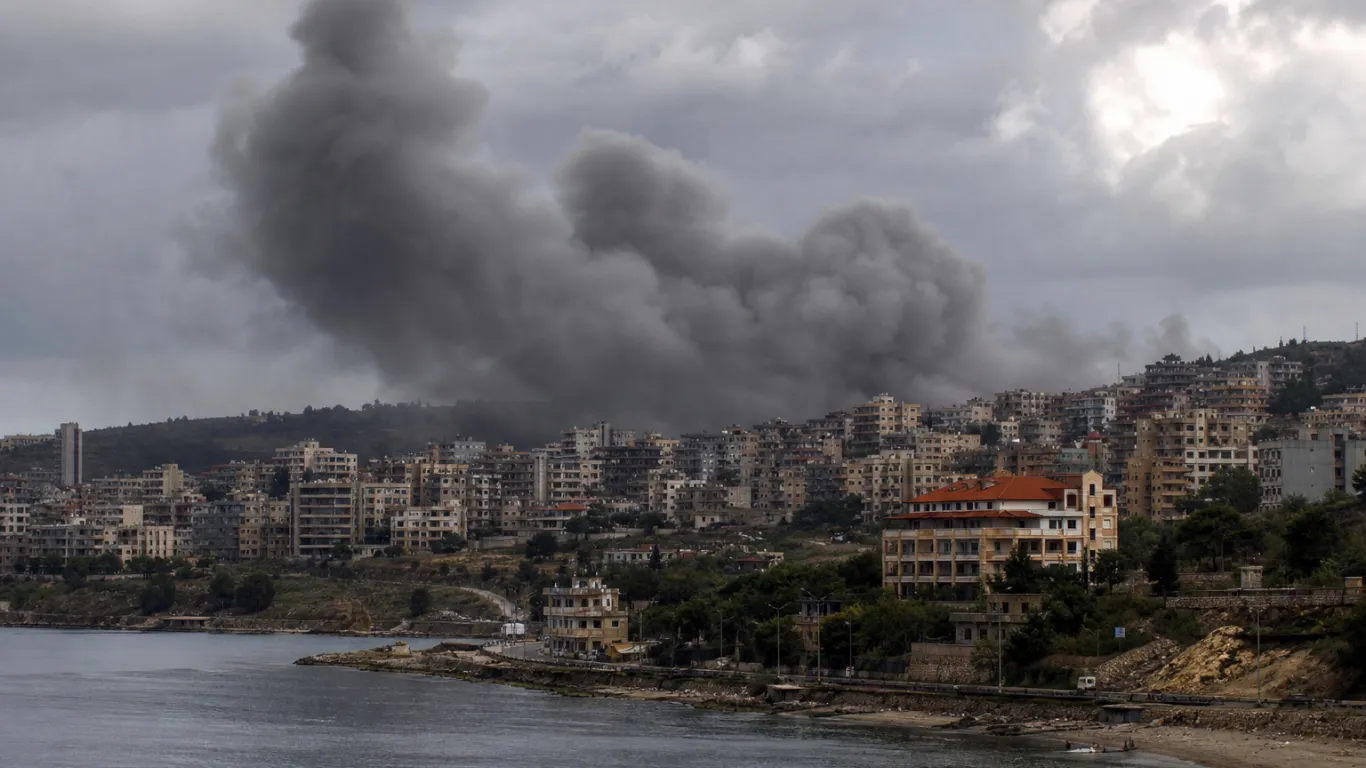

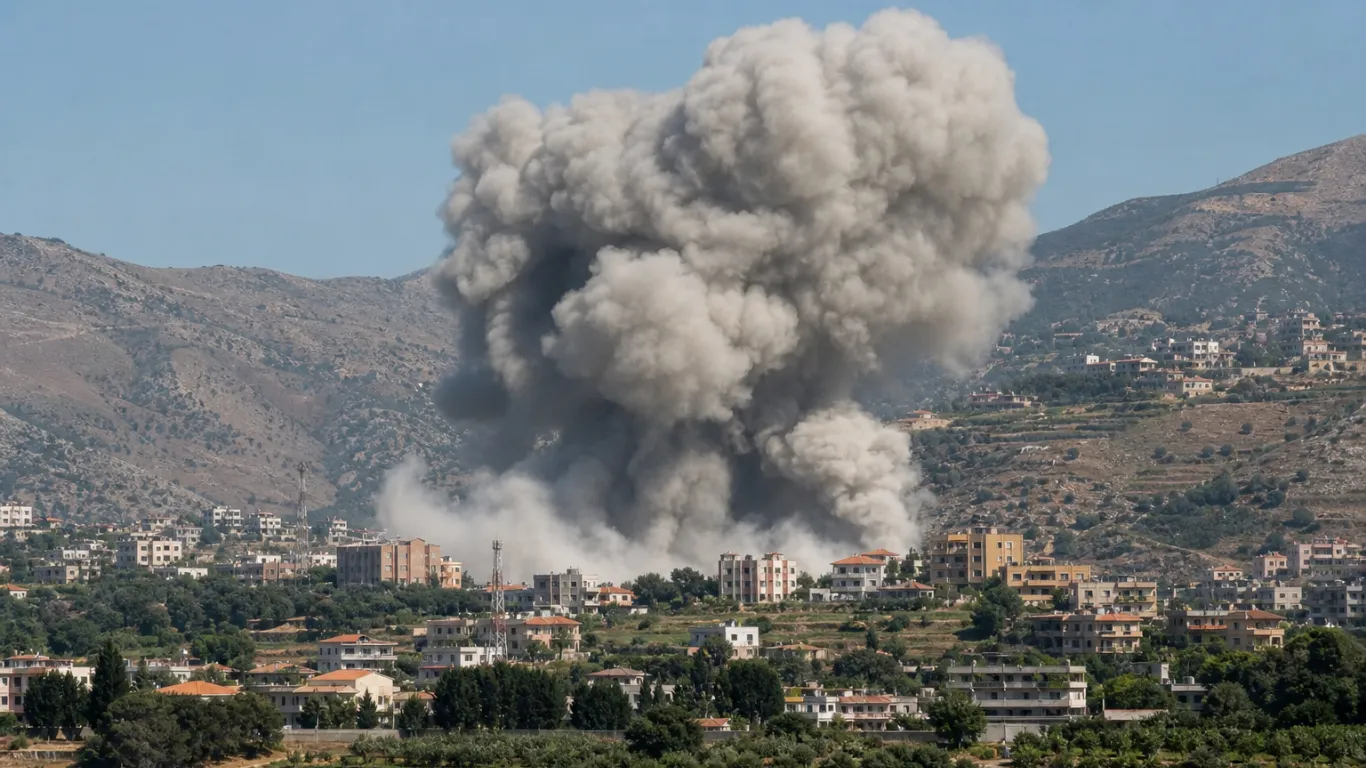
At least 19 people have been killed and 58 wounded in Israeli attacks in Lebanon, as Israel intensifies its assault in the south and issues mass displacement orders across the region.
According to Al Jazeera, the war has resulted in deaths of more than 3,000 people from Israel strikes Lebanon, seen the forced displacement of over 1 million (more than 20% of the country’s population), and created one of the worst humanitarian crises in the Middle East since the Gaza war.
The escalation comes as Muslims worldwide observe Hajj and prepare for Eid al Adha.

What Happened on May 28: Israel’s Latest Attacks
According to Al Jazeera’s Israel-Lebanon coverage, Lebanon’s health ministry said on Thursday that an Israeli air strike south of Beirut killed a woman and two children, after Israel’s army said it “precisely struck” the city without identifying the target. This was the first strike on the Lebanese capital in three weeks.
Earlier in the day, state-run National News Agency reported that among the casualties in southern Lebanon, there were six people belonging to the same family who were killed in an Israeli drone strike as they were trying to flee at dawn along the Adloun Highway — a key route linking Sidon and Tyre.
The Lebanese army said one of its soldiers was killed in an Israeli strike in the Nabatieh area, the latest in a string of attacks targeting military personnel. Other soldiers have also been killed in recent days in strikes across southern Lebanon and the western Beqaa Valley.
Mass Displacement Orders Across Southern Lebanon
According to Al Jazeera, Israel has issued sweeping displacement orders covering large parts of the south, including Tyre and surrounding areas. Residents were told to evacuate immediately and move north of the Zahrani River — roughly 40km (25 miles) from the Lebanon-Israel border.
The orders, shared on social media with marked buildings, have forced thousands of people to flee under threat of attack.
The International Committee of the Red Cross has warned that Israel’s large-scale forced displacements and continued strikes on urban centres are placing civilians at severe risk and deepening a humanitarian crisis.
Al Jazeera’s Zeina Khodr, reporting from Beirut, described the situation bluntly:
“It was just ink on paper. It remained very much an active warzone. What we have seen over the past three or four days is some of the heaviest Israeli bombardment yet across southern Lebanon since this latest confrontation began in early March.”
How the Lebanon War 2026 Started
According to Wikipedia’s Lebanon war article, since March 2, 2026, there has been an ongoing war in Lebanon between Israel and the Lebanese Shia militant group Hezbollah, with Israel invading parts of Lebanon. It is a resumption of major fighting that began in late 2023, and is part of the wider conflict in the Middle East.
The immediate trigger was the February 28 US and Israeli attack on Iran. On February 28, 2026, Israel and the United States launched a war against Iran — Hezbollah’s main backer — and assassinated Iranian supreme leader Ali Khamenei. In response, Hezbollah resumed rocket strikes on Israel. Israel responded with airstrikes across Lebanon, including the capital Beirut.
According to Wikipedia, the Israeli army began ground operations in southern Lebanon on March 16, eventually deploying five divisions. Hezbollah fired drones and as many as 2,000 rockets into Israel, while Israel conducted hundreds of airstrikes across southern Lebanon, Beirut, and the Beqaa Valley.

The Human Cost: 3,000+ Dead, 1 Million Displaced
The scale of destruction in Lebanon is staggering:
- Over 3,000 people killed since March 2, 2026
- Over 1 million displaced — more than 20% of Lebanon’s population
- Hospitals overwhelmed across Beirut and southern Lebanon
- Lebanese army soldiers killed in Israeli strikes targeting military personnel
According to Al Jazeera, in Tyre, Israeli air strikes hit a building and a cafe overnight, setting off fires and leaving emergency crews searching through debris for casualties. The Israeli military said it is targeting what it calls Hezbollah “infrastructure” — but strikes have repeatedly hit civilian neighbourhoods and populated areas.

What This Means for Pakistanis
The Israel strikes Lebanon escalation carries direct significance for Pakistani Muslims during the Hajj season.
Energy Prices: The Lebanon war is connected to the wider Iran war, which has disrupted shipping through the Strait of Hormuz. This directly impacts Pakistan’s fuel and LNG imports, pushing household energy costs higher.
Pakistani Workers in the Gulf: Hundreds of thousands of Pakistani workers live in the Gulf states near the conflict zone. While no direct threat exists to the UAE or Saudi Arabia, rising regional tensions create anxiety for families back home.
Hajj 2026: More than 179,000 Pakistani pilgrims are performing Hajj this year. While Hajj operations in Saudi Arabia are proceeding normally, the broader Middle East conflict is a source of concern for families sending loved ones to the region.
Pakistan’s government has consistently called for an end to hostilities in Lebanon and a return to diplomacy. PM Shehbaz Sharif has urged all parties to protect civilians and respect international humanitarian law.
Ceasefire Talks Resume Thursday
According to Al Jazeera’s Iran war live blog, the escalation came as United States-mediated talks between Israel and Lebanon are due to resume on Thursday, beginning with technical discussions before moving to broader negotiations in early June.
However, the ongoing military operations by both sides suggest a lasting ceasefire remains distant. According to Wikipedia’s ceasefire timeline, since its declaration, the ceasefire has been violated by both sides.
The Lebanon conflict is now deeply intertwined with the US Iran deal negotiations. A successful 60-day MoU between Washington and Tehran could create space for de-escalation in Lebanon — but without it, the humanitarian crisis will only deepen.

What Happens Next
Watch for whether the US Iran 60-day ceasefire MoU is signed this week — that could influence Israel’s calculus in Lebanon. Technical talks between Israel and Lebanon are expected to continue into early June.
24PakTimes will continue covering the Lebanon war 2026 and its impact on Pakistani communities in the Middle East and at home.
Frequently Asked Questions
How many people have been killed in the Israel-Lebanon conflict since March 2026?
Over 3,000 people have been killed in Israeli strikes in Lebanon since March 2, 2026. More than 1 million people — over 20% of Lebanon’s population — have been displaced from their homes.
Is Hajj 2026 affected by the Israel-Lebanon conflict?
Hajj operations in Saudi Arabia are proceeding normally. However, the broader Middle East instability is a source of concern for families of the more than 179,000 Pakistani pilgrims performing Hajj this year.
How does the Lebanon war affect Pakistan?
The Lebanon war is connected to the Iran war which has disrupted shipping through the Strait of Hormuz — directly impacting Pakistan’s fuel and LNG imports and pushing household energy costs higher. Hundreds of thousands of Pakistani workers in the Gulf are also affected by regional instability.
Is there a ceasefire between Israel and Lebanon?
US-mediated talks are due to resume with technical discussions before moving to broader negotiations in early June. However, both sides have violated previous ceasefire declarations, and heavy Israeli bombardment continued through late May 2026.