
Six days before Gilgit-Baltistan votes, the political temperature is already at a boil.
Punjab authorities have approved the deployment of 6,000 police personnel to Gilgit-Baltistan ahead of the GB elections June 7, according to an official memo cited in Sunday’s reporting. Pakistan Today confirmed the deployment — and PTI has responded immediately with allegations of pre-poll rigging.
With just six days until voting, the GB elections have become a flashpoint for national political tensions that extend far beyond Gilgit-Baltistan’s borders.
What We Know About the Police Deployment
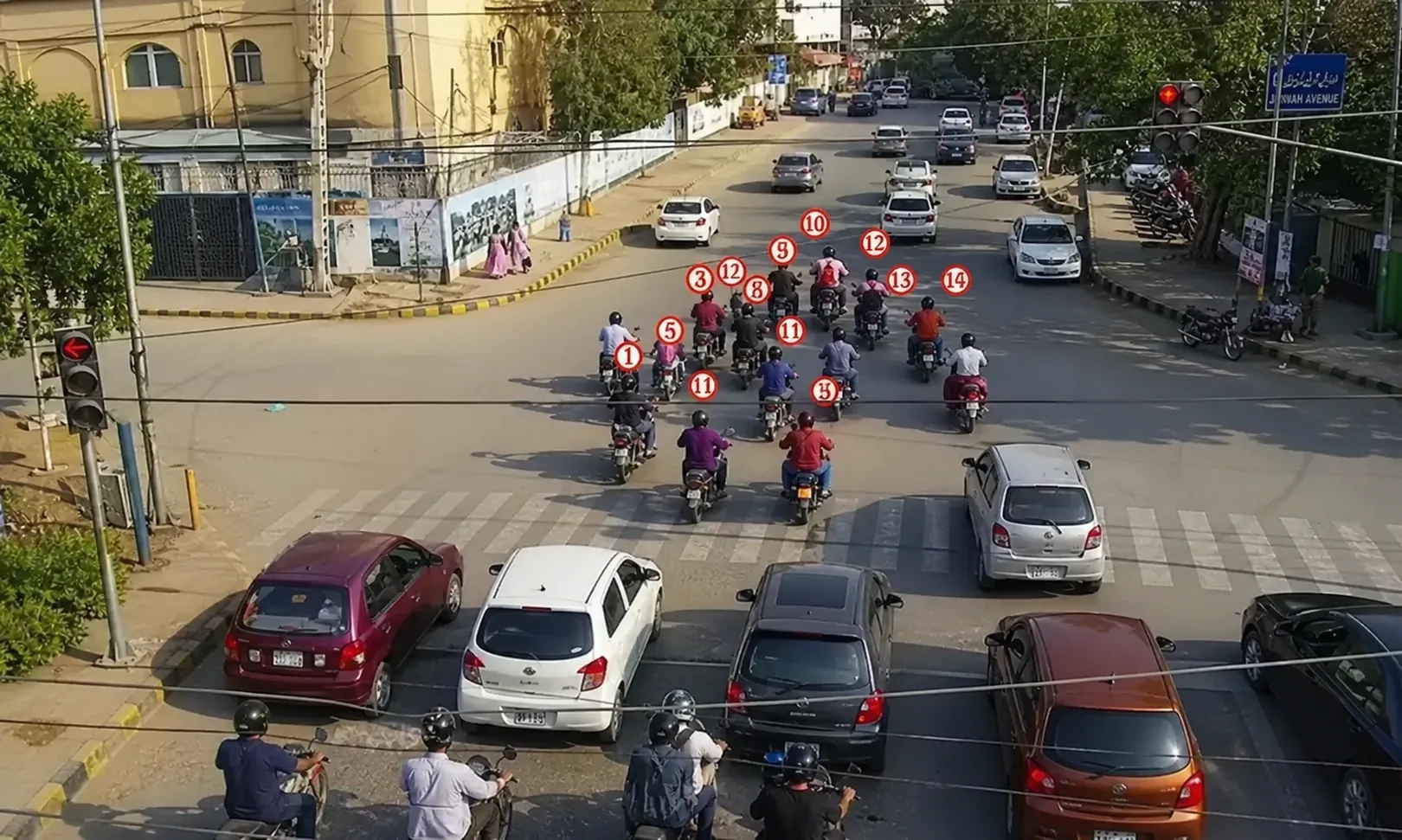
The scale is significant. Pakistan Today’s report confirmed Punjab initially cleared 5,000 personnel and later approved an additional 1,000 — bringing the total to 6,000 officers from a province governed by PML-N.
The official memo from the Punjab assistant inspector general (operations) stated the first batch of 5,000 personnel had been placed at GB police’s disposal for election security duty. Each bus transporting police personnel to Gilgit-Baltistan will be accompanied by four armed police officials. The document specified that personnel will carry anti-riot equipment, with the senior superintendent of the motor transport department responsible for arranging roadworthy buses with fitness certificates.
PTI’s Rigging Allegations
The party has been consistent in its objections. PTI alleges that deploying 6,000 Punjab police — from a province under PML-N control — to manage elections in a separate region creates an inherently unfair environment for opposition candidates.
The party’s specific demands: independent election observers, and security arrangements handled exclusively by GB police and the Pakistan Army rather than provincial police from a politically aligned province.
PTI’s concerns are not entirely without historical precedent. Provincial police deployments in sensitive elections have generated controversy before — and bringing outside security forces into a geographically isolated region like Gilgit-Baltistan, where monitoring is harder, amplifies those concerns.

PPP’s Promise to GB Voters
While PTI raises alarms about process, PPP is making the case on substance.
The Nation reported PPP Chairman Bilawal Bhutto Zardari has been campaigning actively in GB, promising provincial status and greater autonomy for the region — framing it as making Gilgit-Baltistan the “owners of their fate.”
The provincial status promise is the most consequential pledge on the table. Full provincial status would give GB residents representation in Pakistan’s National Assembly and Senate — something they currently lack despite living in a strategically vital region.

What This Means for GB Residents
For the people of Gilgit-Baltistan, the GB elections June 7 carry real consequences well beyond which party wins:
Provincial Status: Representation in Parliament — currently absent — would fundamentally change GB’s political leverage within the federation.
CPEC Projects: GB is the gateway for CPEC Phase 2. The elected government will negotiate local benefits, employment, and infrastructure from projects that run through their territory but have historically offered limited local advantage.
Tourism Economy: GB’s tourism sector has expanded dramatically in recent years. How tourism infrastructure is managed — roads, hospitality regulation, environmental protection — depends directly on the quality of the elected government.
Climate Vulnerability: GB faces some of the most severe climate-related threats in Pakistan — glacial lake outburst floods, landslides, and extreme weather events. Effective local governance is not optional here. It is survival infrastructure.
What Happens Next
Campaign activities will intensify through the week. The Election Commission of Pakistan is expected to announce final voter rolls and polling station arrangements by June 3. Voting is scheduled for Saturday, June 7, 2026.
24PakTimes will provide comprehensive GB elections coverage — including live results, analysis of what the outcome means for provincial status, CPEC negotiations, and Pakistan’s broader political landscape.