

Pakistan Iran Mediation 2026 — Explained
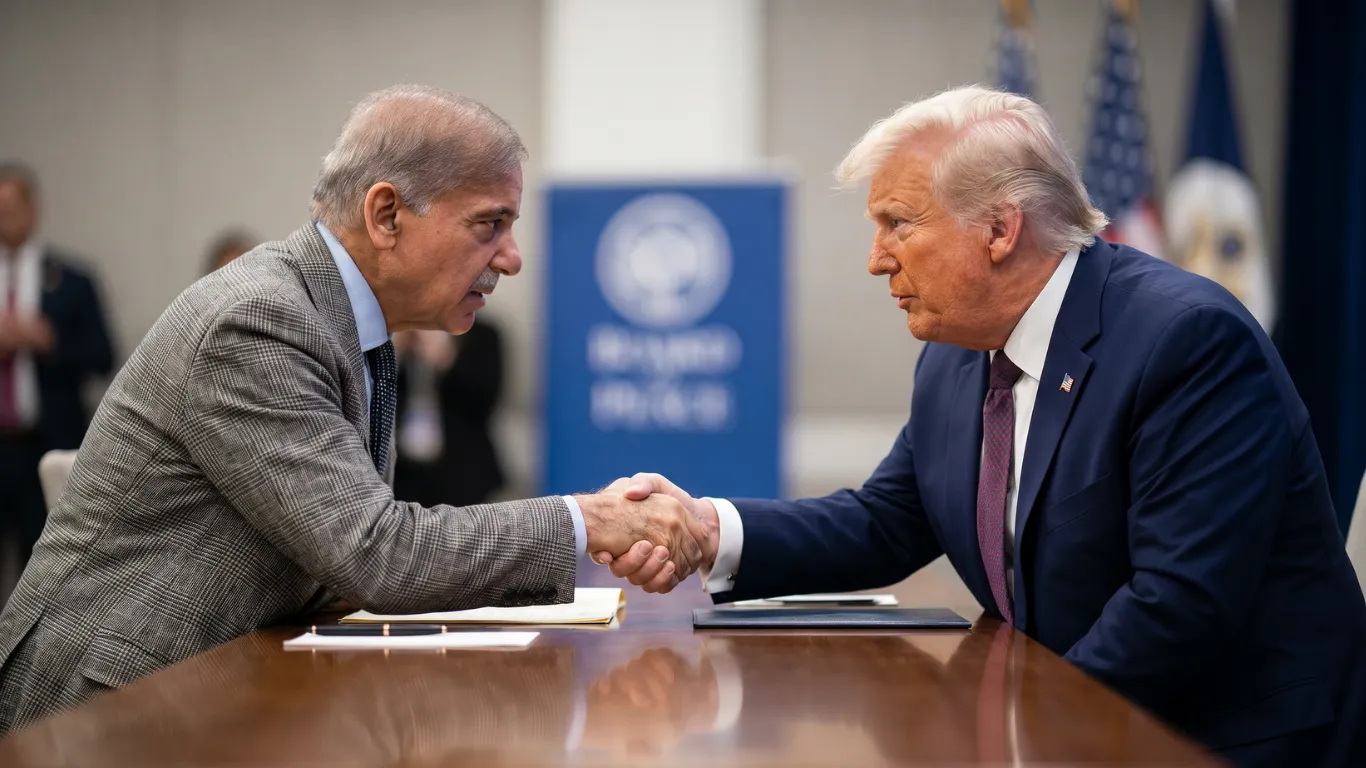
Pakistan quietly allowed Iranian aircraft to park on its airfields while serving as the diplomatic bridge between Tehran and Washington — and the story is far more nuanced than initial headlines suggest.
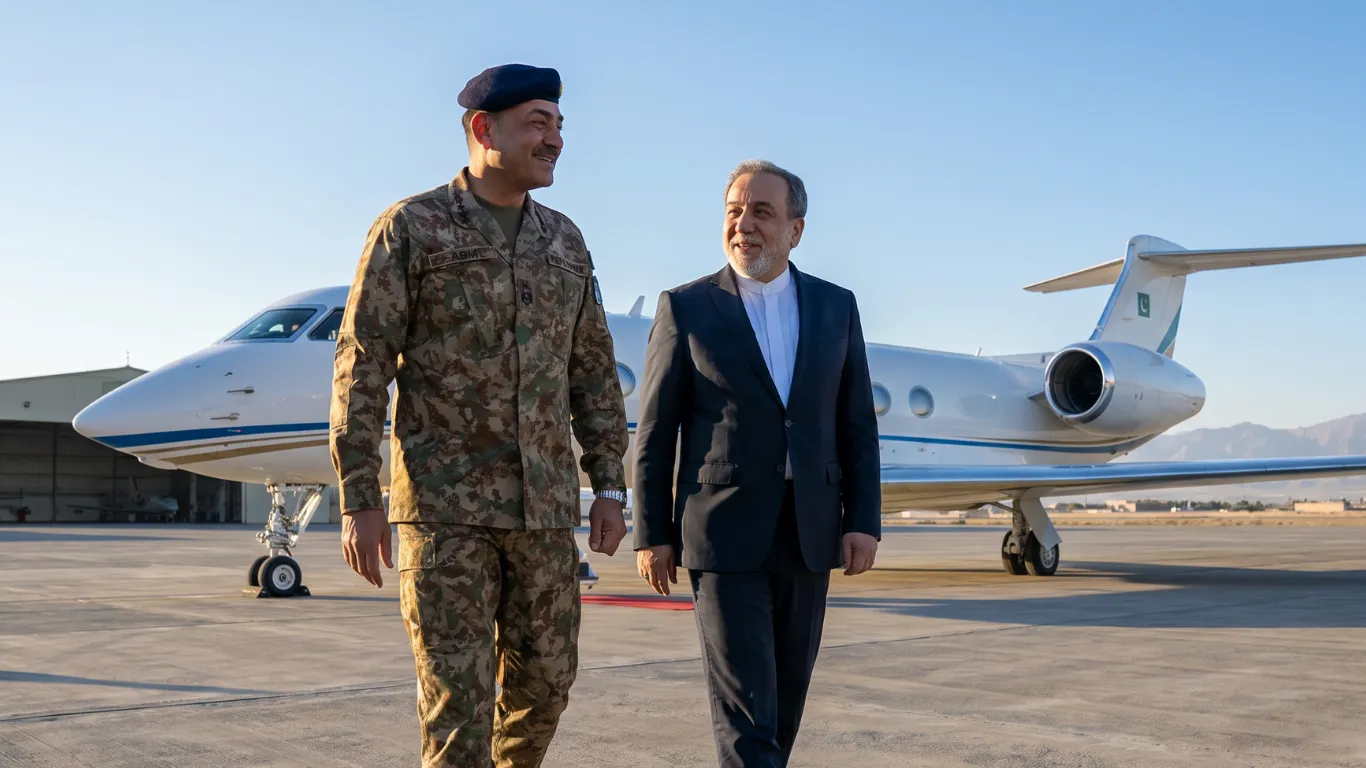
According to CBS News, US officials with direct knowledge of the matter said Pakistan Iran mediation 2026 came with an unexpected complication: Iranian military aircraft potentially parked at Pakistani airfields during the height of the US-Iran conflict in April and May 2026.
Pakistan’s government has directly denied the military framing — but confirmed the aircraft were present. Here is what actually happened, what Pakistan said, and what it means for Pakistani diaspora communities worldwide.

I am Faisal Malik, senior editor at 24PakTimes. I have covered Pakistan’s foreign policy for over a decade — from the War on Terror era to today’s multipolar rebalancing. This story reveals how Pakistan is quietly becoming a key Middle East power broker — and the serious risks that come with that role.
What CBS News Reported and What Pakistan Actually Said
According to CBS News, as Pakistan positioned itself as a diplomatic conduit between the US and Iran:
“Pakistan quietly allowed Iranian military aircraft to park on its airfields, potentially shielding them from American airstrikes.”
Days after President Trump announced the ceasefire with Iran in early April, Tehran sent multiple aircraft to Pakistan Air Force Base Nur Khan in Rawalpindi.
Nur Khan Air Base is not a remote facility. It sits right in the heart of Rawalpindi — adjacent to Chaklala and minutes from Islamabad. Aircraft movements there are visible from the main highway and would be immediately documented on Pakistani social media.
A senior Pakistan official rejected the military framing directly, telling CBS News:
“Nur Khan base is right in the heart of the city. A large fleet of aircraft parked there cannot be hidden from the public eye.”
According to CBS News, Pakistan’s Ministry of Foreign Affairs then issued a formal statement confirming the aircraft were in the country — but with a completely different explanation:
“The Iranian aircraft currently parked in Pakistan arrived during the ceasefire period and bear no linkage whatsoever to any military contingency or preservation arrangement. Assertions suggesting otherwise are speculative, misleading, and entirely detached from the factual context.”
Pakistan’s position: these were diplomatic aircraft facilitating the movement of diplomatic personnel and security teams for scheduled peace talks — not military assets being protected from US strikes.

How Pakistan Became the US-Iran Communication Channel
Here is the context most international coverage is missing entirely.
According to New Lines Magazine’s Pakistan analysis:
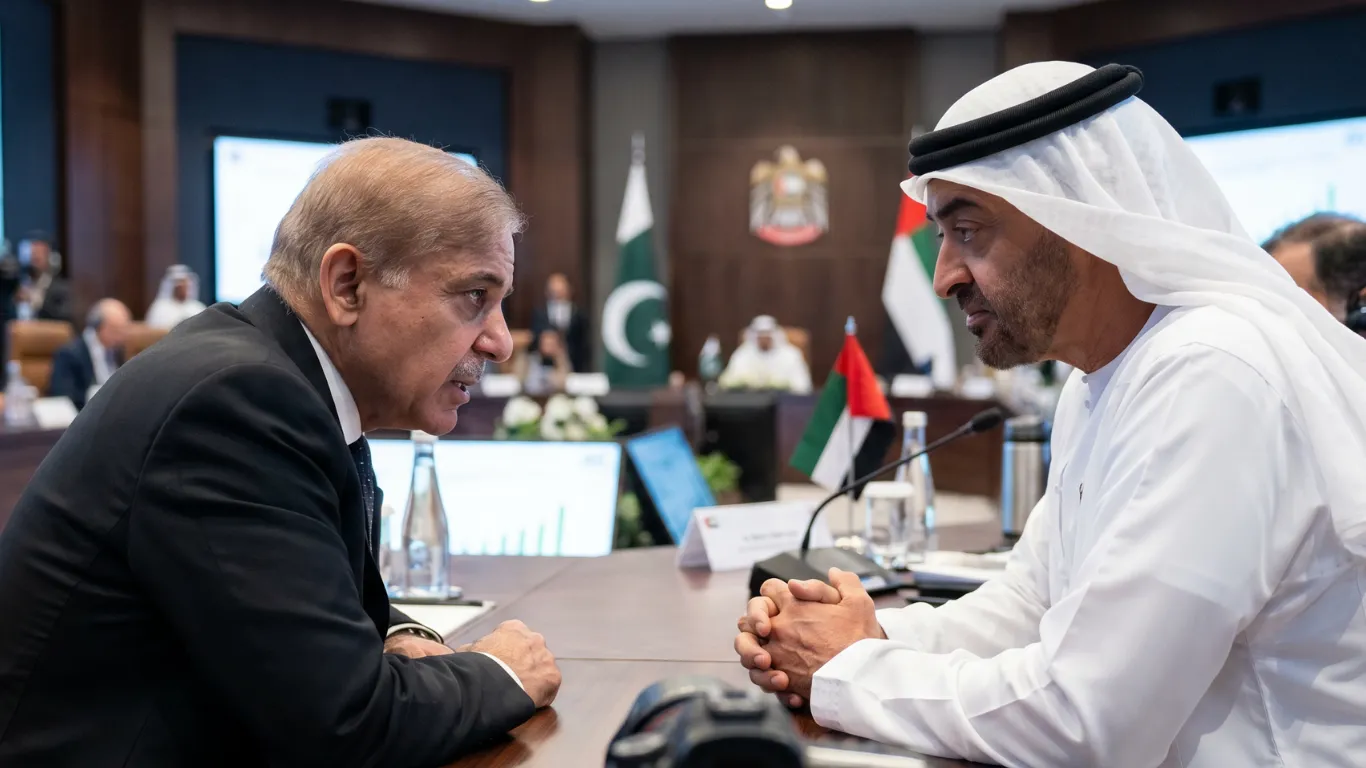
“Pakistan’s expanding diplomatic and military engagement across the Middle East signals a reconfiguration of its strategic identity and expands its role beyond South Asia — as an emerging ‘third pillar’ alongside Saudi Arabia and Turkey in southwest Asia.”
That shift was accelerated by the India standoff in May 2025 and further shaped by the US-Iran war. Pakistan is no longer positioning itself purely as a South Asian actor. It is becoming a genuine Middle East power broker.
Why Pakistan specifically? Four reasons that no other country in the region can match simultaneously:
- Nuclear deterrence and military credibility — Pakistan’s armed forces are respected across the Gulf in ways that other regional states are not
- Maintained ties with both Iran and Saudi Arabia — a diplomatic achievement almost no other Muslim-majority country has managed across decades
- Geographic leverage — Pakistan sits at the intersection of Afghanistan, Central Asia, and the Gulf — giving it unique positional value
- Direct channel to Tehran — the US needs an honest broker Iran will actually speak to, and Pakistan remains one of the very few countries that qualifies
According to Wikipedia’s 2026 Pakistan record, US Middle East special envoy Steve Witkoff confirmed that Washington shared a 15-point peace plan with Iran through the Pakistani government. Foreign Minister Ishaq Dar publicly confirmed that indirect US-Iran negotiations are actively taking place through Islamabad.
China, CPEC and Pakistan’s Strategic Balancing Act
The Iranian aircraft story cannot be understood without understanding the broader triangle of pressures Pakistan is navigating simultaneously.
According to CBS News, a Stockholm International Peace Research Institute study found that China supplied approximately 80% of Pakistan’s major arms between 2020 and 2024. Pakistan’s economic lifeline through CPEC runs directly through Beijing.
China has publicly welcomed Pakistan’s role in facilitating US-Iran communications — because a stable Gulf reduces risk to Chinese energy supply chains and protects CPEC’s long-term viability.
This means Pakistan is simultaneously managing:
- Mediating between the US and Iran as the primary diplomatic channel
- Maintaining deep military and economic dependence on China
- Protecting Gulf remittance flows that sustain millions of Pakistani families
- Managing an active military standoff with India on its eastern border
- Conducting counter-terrorism operations against TTP on its western border
According to New Lines Magazine, a senior fellow at the Middle East Policy Council described the outcome clearly:
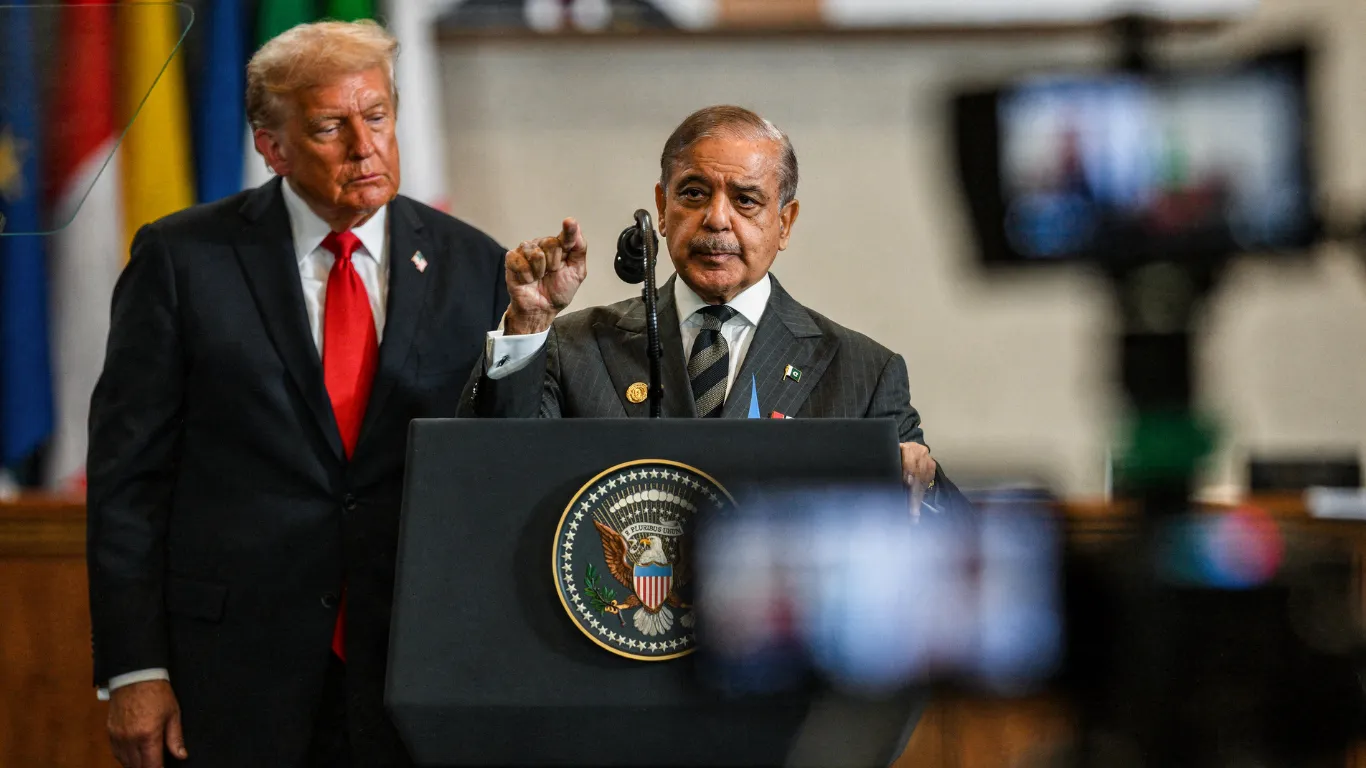
“The US has effectively divided roles — India is positioned within the Indo-Pacific, while Pakistan is being encouraged to play a larger role in the Middle East, Afghanistan and Central Asia.”
That is a significant strategic reorientation. And the Iranian aircraft controversy sits right at the center of it.
What This Means for Overseas Pakistanis
For Pakistani diaspora in the US, UK, and Canada — the immediate question is direct: does this controversy damage Pakistan’s standing in Washington?
Based on current evidence, the answer is no. It may actually strengthen it.
According to New Lines Magazine, US-Pakistan relations were already on an improving trajectory before the conflict began. The crisis accelerated that process rather than reversing it. Washington needs Pakistan’s communication channel with Tehran — and that operational need makes Islamabad strategically more valuable, not less.
For diaspora communities specifically, the potential positive outcomes include:
- US visa processing — warmer bilateral relations historically correlate with improved processing times and reduced refusal rates
- Foreign investment in Pakistan — strategic importance attracts capital. Pakistan’s profile as a regional power broker is rising in ways that attract institutional investment
- Remittance stability — a Pakistan that is diplomatically valued by both the US and Gulf states has more stable financial infrastructure for remittance corridors
The risks are equally real and should not be minimized. Pakistan is now simultaneously a target for Iranian hardliners who see it as too close to America, Gulf states that are watching the Iran relationship with suspicion, and regional intelligence services that view Pakistan’s balancing act as a threat to their own influence.
Did Pakistan actually hide Iranian military jets from US airstrikes?
Pakistan’s Foreign Ministry confirmed Iranian aircraft were present on Pakistani soil during the ceasefire period but strongly denied any military protection arrangement. The ministry described the aircraft as diplomatic in nature — facilitating personnel movement for peace talks. The CBS News report citing US officials has not been officially confirmed or denied by Washington.
How did Pakistan become the mediator between the US and Iran?
Pakistan has maintained working relationships with both Washington and Tehran for decades — a rare diplomatic position. Combined with its geographic location, nuclear credibility, and influence in Afghanistan and Central Asia, Pakistan offered something no other country could: a communication channel that both sides trusted enough to use when direct talks were impossible.
Does the Iranian aircraft controversy affect Pakistanis living in America?
Based on current signals, it is unlikely to damage Pakistani diaspora interests in the US. Washington values Pakistan’s mediation role and has not publicly condemned the aircraft situation. US-Pakistan relations are on an improving trajectory and the strategic need for Pakistan’s diplomatic services gives Islamabad more leverage, not less.
What is the 15-point US peace plan Pakistan delivered to Iran?
According to Wikipedia’s 2026 Pakistan record and confirmed by Foreign Minister Ishaq Dar, the United States shared a detailed peace proposal with Iran through Pakistani government channels. The specific contents of the 15 points have not been publicly disclosed, but Foreign Minister Dar confirmed indirect negotiations are actively continuing through Islamabad.